
Aqueduct near Belgrade — History & Facts
When did color learn to lie? In the delicate interplay of hues, beauty dances with truth, weaving a tapestry that both enchants and deceives. Look to the left at the arching structure of the aqueduct, its majestic form stretching across the canvas. Notice how the warm ochres and soft greens blend harmoniously to evoke a serene landscape. The artist’s brushwork reveals a meticulous attention to detail—the flowing water below glimmers with dappled light, drawing the eye toward the natural world that cradles the man-made marvel.
The gentle sky looms above, its luminous blues contrasting sharply with the earthy tones, creating a vivid sense of depth and space. As you explore further, observe the subtle play of light and shadow. The aqueduct stands not merely as a functional structure but as a symbol of the passage of time and human endeavor. Each stroke seems to echo the whispers of history, revealing an emotional tension between nature’s resilience and humanity’s ambition.
The lush vegetation at the base hints at life’s persistence, while the imposing aqueduct suggests both triumph and encroachment upon the natural landscape. Luigi Mayer painted this work in 1810, a time marked by profound changes in Europe following the Napoleonic Wars. He was in Belgrade, documenting the architectural beauty of the region while navigating his own artistic struggles. The period saw a shift toward romanticism, where beauty became an essential medium for expression, and Mayer’s work captures that transitional moment with clarity and grace.
More Artworks by Luigi Mayer
Browse all →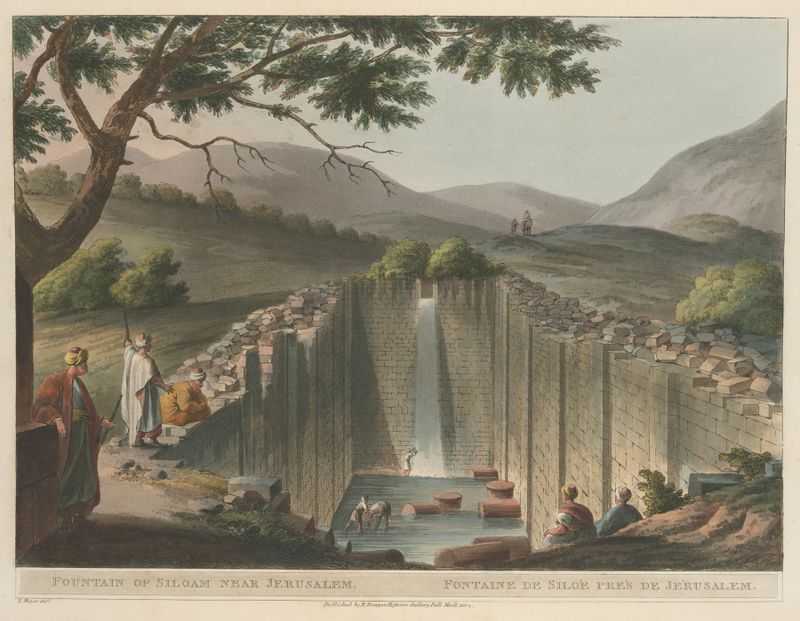
Fountain of Siloam Near Jerusalem
Luigi Mayer

View of the Dardanelles
Luigi Mayer
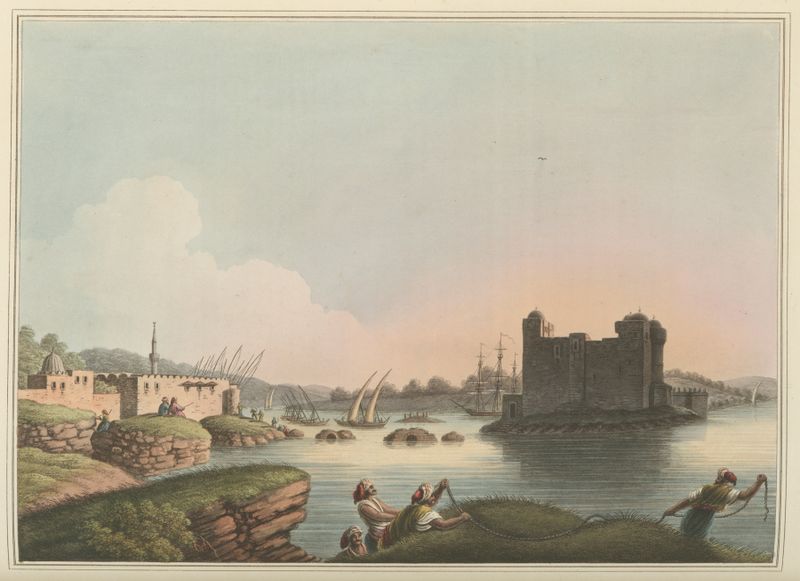
Port of Latachia
Luigi Mayer

Stadium at Ephesus
Luigi Mayer

Ancient Temples at Agrigentum
Luigi Mayer
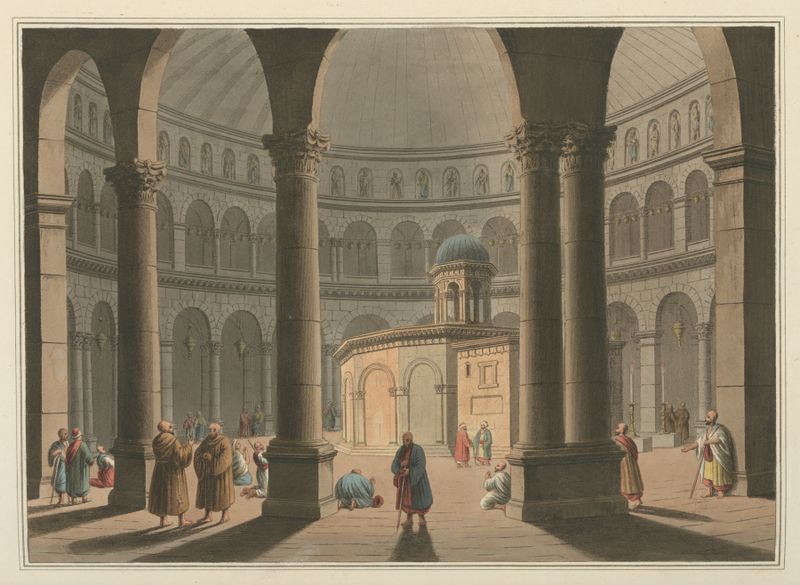
Church of the Holy Sepulchre
Luigi Mayer
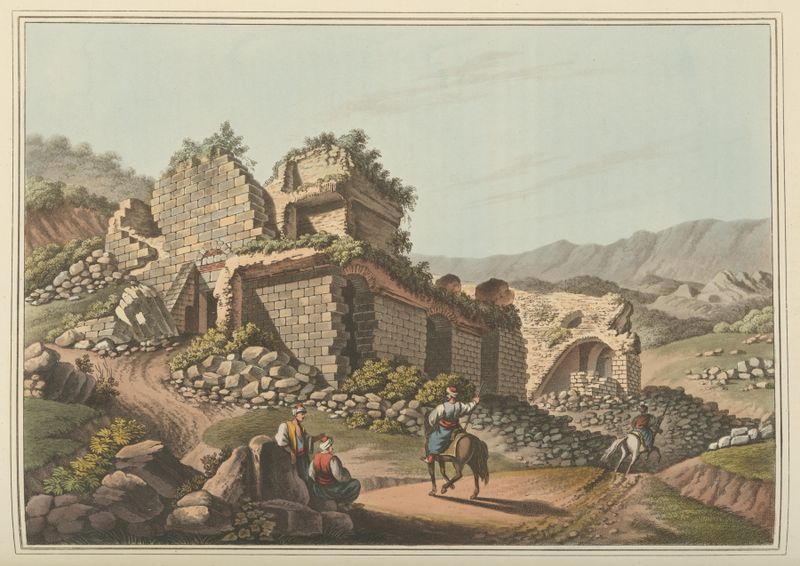
Theatre at Ephesus
Luigi Mayer
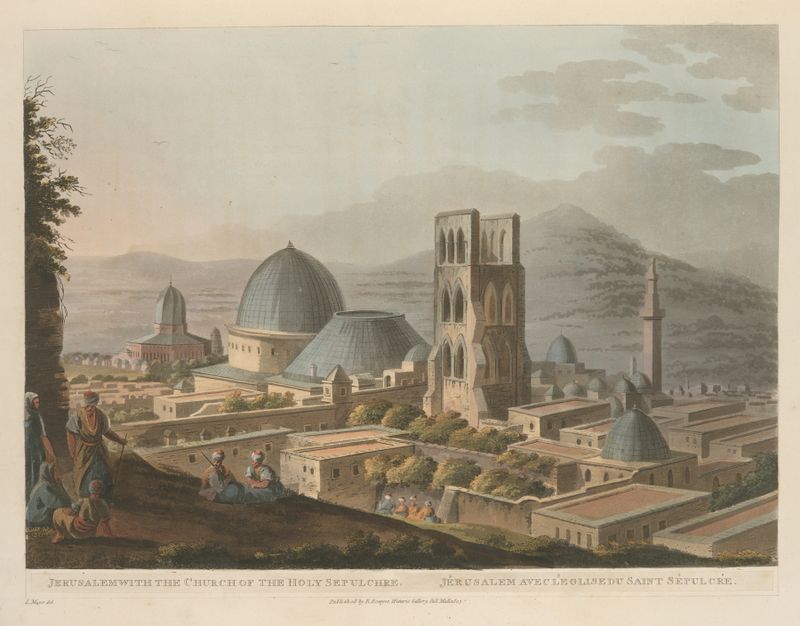
Jerusalem with the Church of the Holy Sepulchre
Luigi Mayer
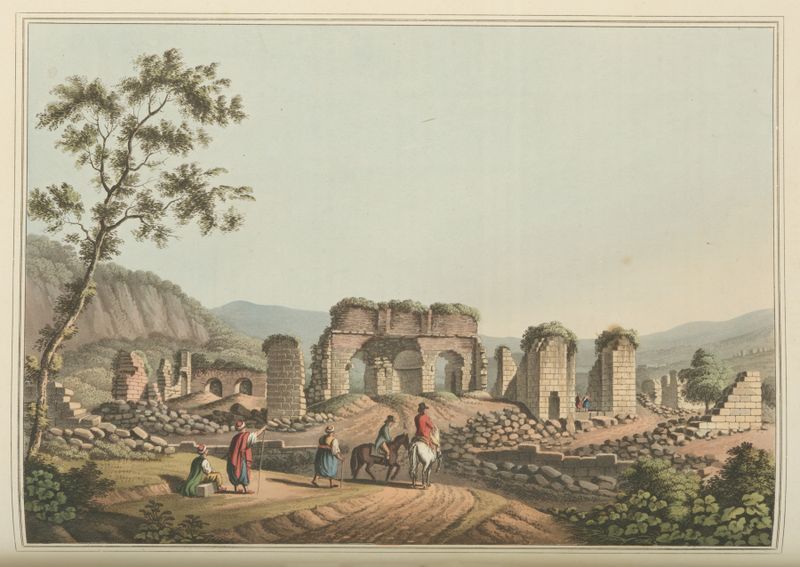
Ruins of the Temple of Diana at Ephesus
Luigi Mayer

Crater in the Island of Volcano
Luigi Mayer





