
Aqueduct near Ephesus — History & Facts
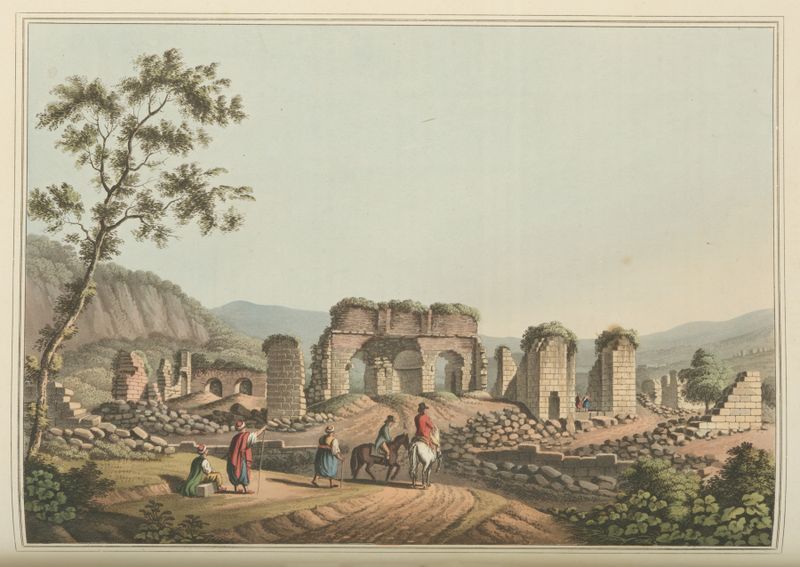
This sentiment echoes through the delicate strokes of an artwork that captures a world held in a fragile balance between past grandeur and present decay. Look to the left at the towering aqueduct—its elegant arches rise proudly against a canvas of verdant hills. The soft, warm palette imbues the scene with a sense of nostalgia, while the intricate detailing of the stonework draws the eye into its weathered textures. Notice how the light caresses the structure, illuminating its surfaces and casting gentle shadows that hint at the passage of time.
In this artistic composition, Mayer masterfully juxtaposes the ancient architecture with the natural landscape, creating a harmonious dialogue between the man-made and the organic. Beneath the surface, the painting reveals a poignant exploration of balance. The aqueduct, symbolizing human ingenuity, stands resilient yet vulnerable against the encroaching wilderness. This contrast encapsulates the tension between progress and nature, hinting at the inevitable decline of civilization.
The lush greenery surrounding the structure speaks of nature's reclamation, suggesting that beauty thrives even in the remnants of what once was. Each brushstroke becomes a testament to the fragility of existence, inviting the viewer to ponder the impermanence woven into the fabric of our history. In 1810, Luigi Mayer was immersed in the vibrant artistic exchanges of Europe, particularly influenced by the Romantic movement's fascination with nature and antiquity. Painting this work during his travels through the Mediterranean, he captured the essence of an ancient world, reflecting the growing interest in archaeology and classical themes.
The canvas stands as a window into a time of discovery and reverence for the past, a moment in which art and history intertwined seamlessly.
More Artworks by Luigi Mayer
Browse all →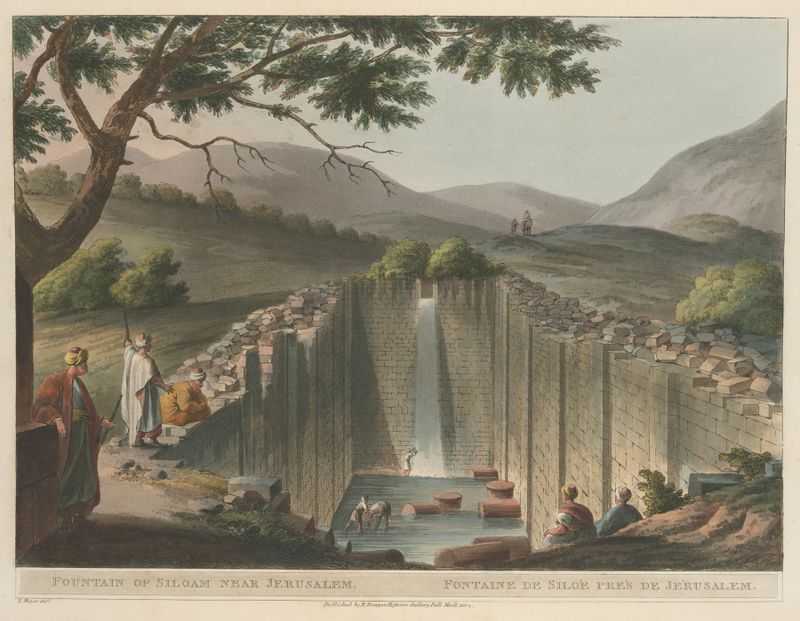
Fountain of Siloam Near Jerusalem
Luigi Mayer

View of the Dardanelles
Luigi Mayer
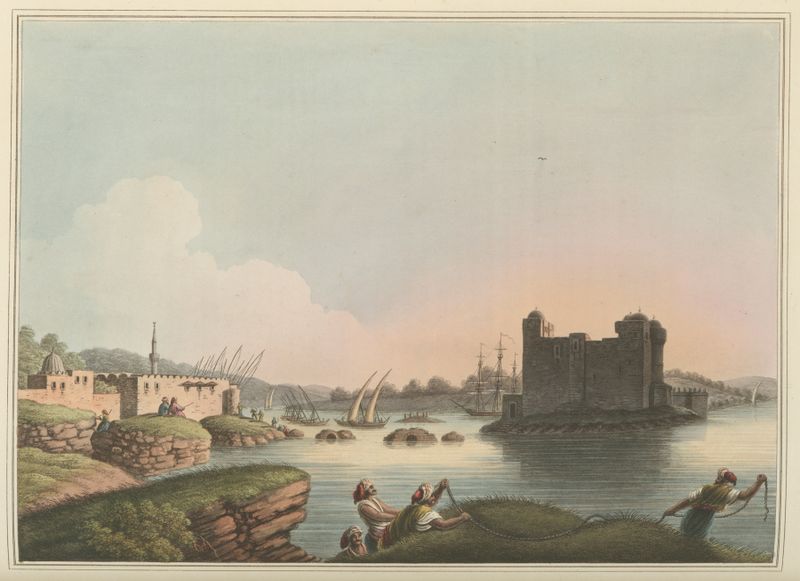
Port of Latachia
Luigi Mayer

Stadium at Ephesus
Luigi Mayer

Ancient Temples at Agrigentum
Luigi Mayer
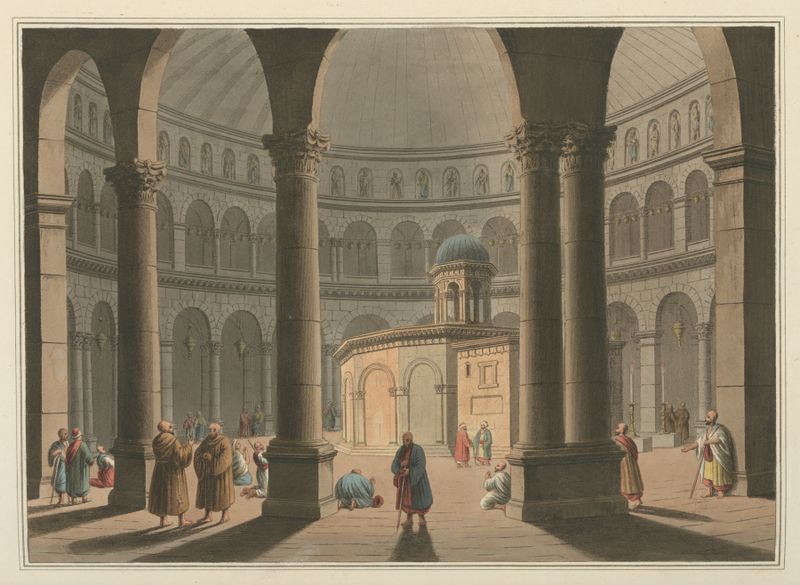
Church of the Holy Sepulchre
Luigi Mayer
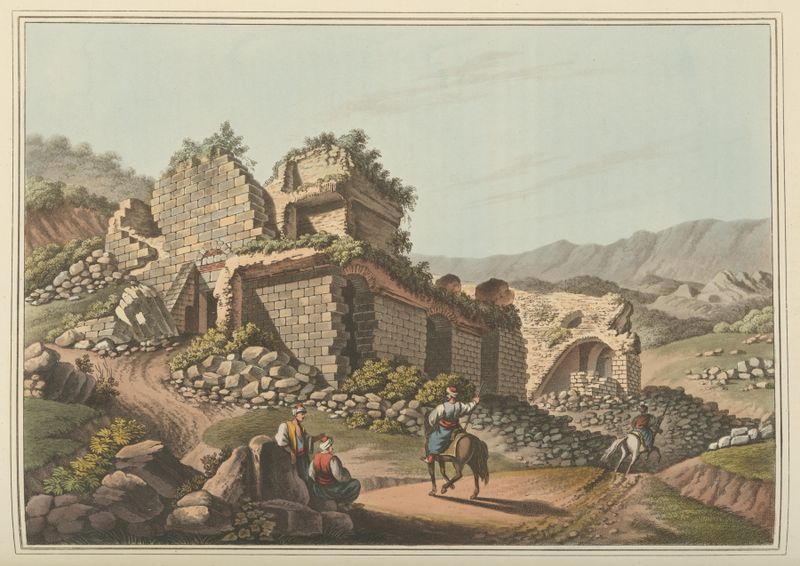
Theatre at Ephesus
Luigi Mayer
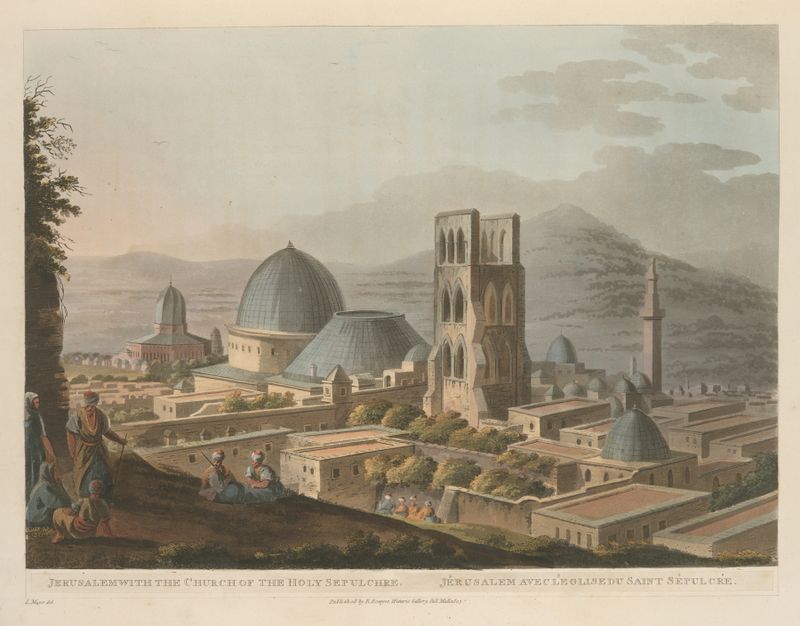
Jerusalem with the Church of the Holy Sepulchre
Luigi Mayer
Ruins of the Temple of Diana at Ephesus
Luigi Mayer

Crater in the Island of Volcano
Luigi Mayer
More Architecture Art
Browse all →
The statue of Liberty
Frédéric Auguste Bartholdi

View of Houses in Delft, Known as ‘The Little Street’
Johannes Vermeer

View of Houses in Delft, Known as ‘The Little Street’
Johannes Vermeer

The Cathedral in Rouen. The portal, Grey Weather
Claude Monet

The yellow house
Vincent van Gogh

The Church in Auvers-sur-Oise, View from the Chevet
Vincent van Gogh