Architectural Study — History & Analysis
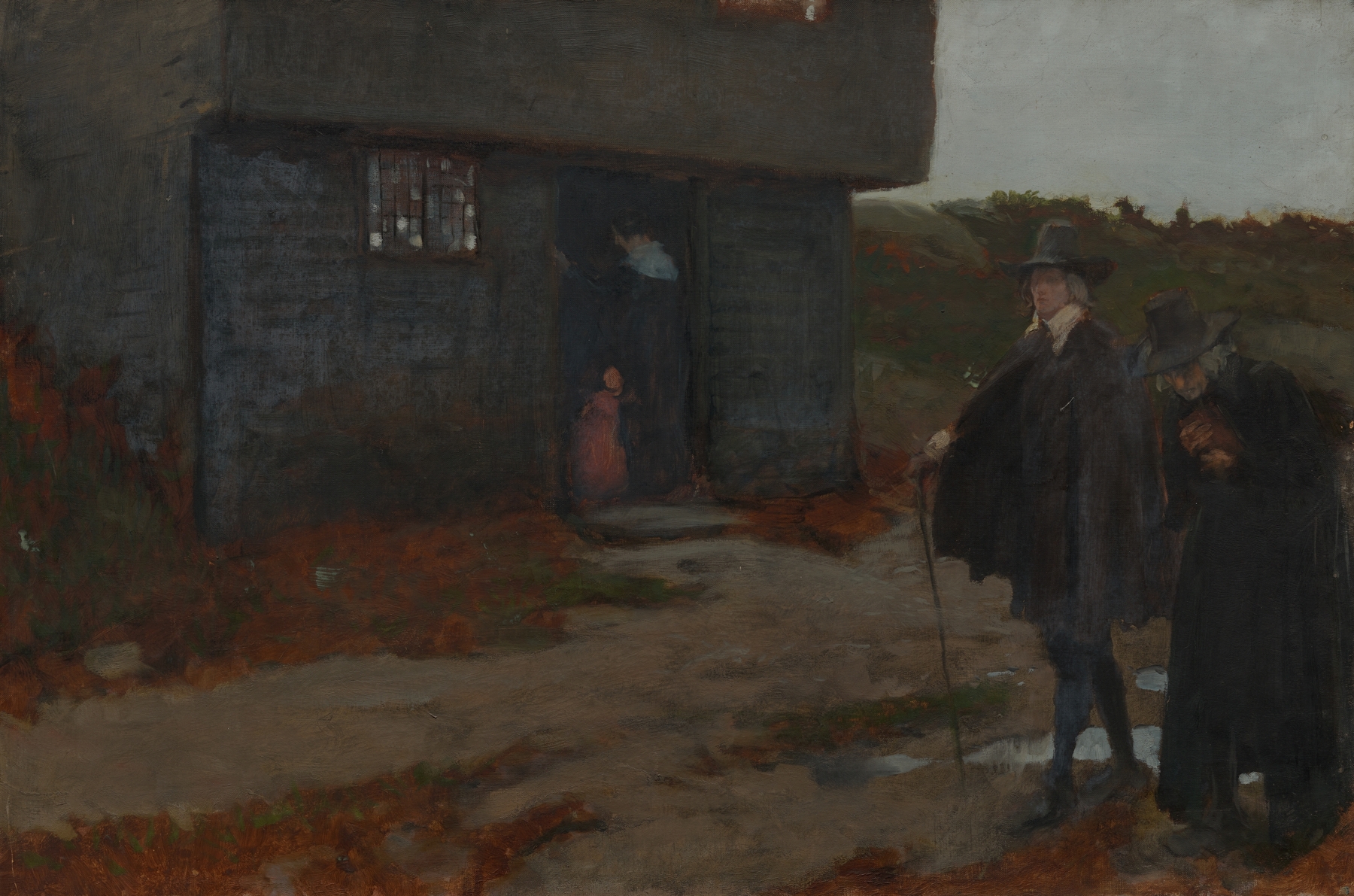
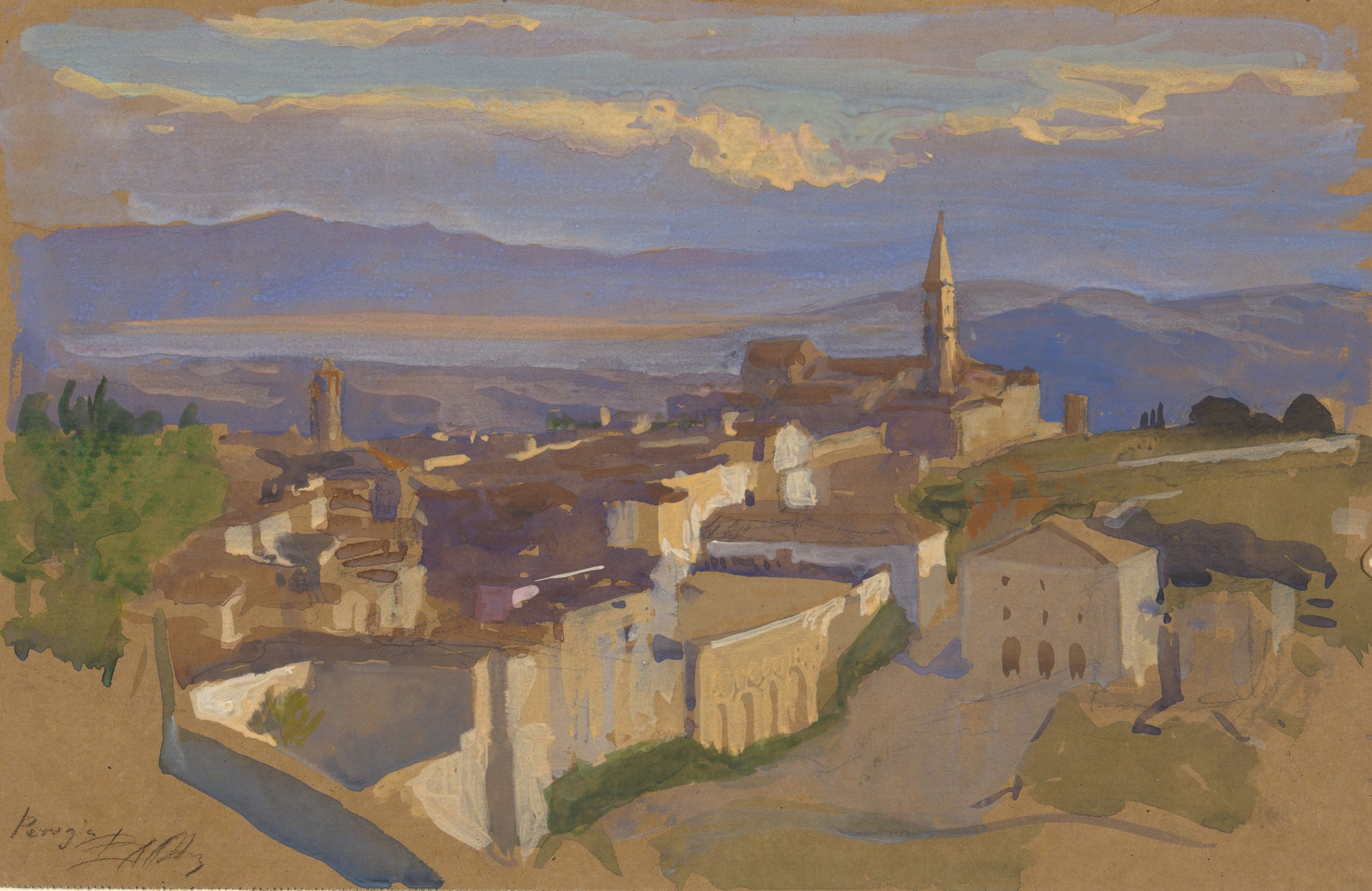
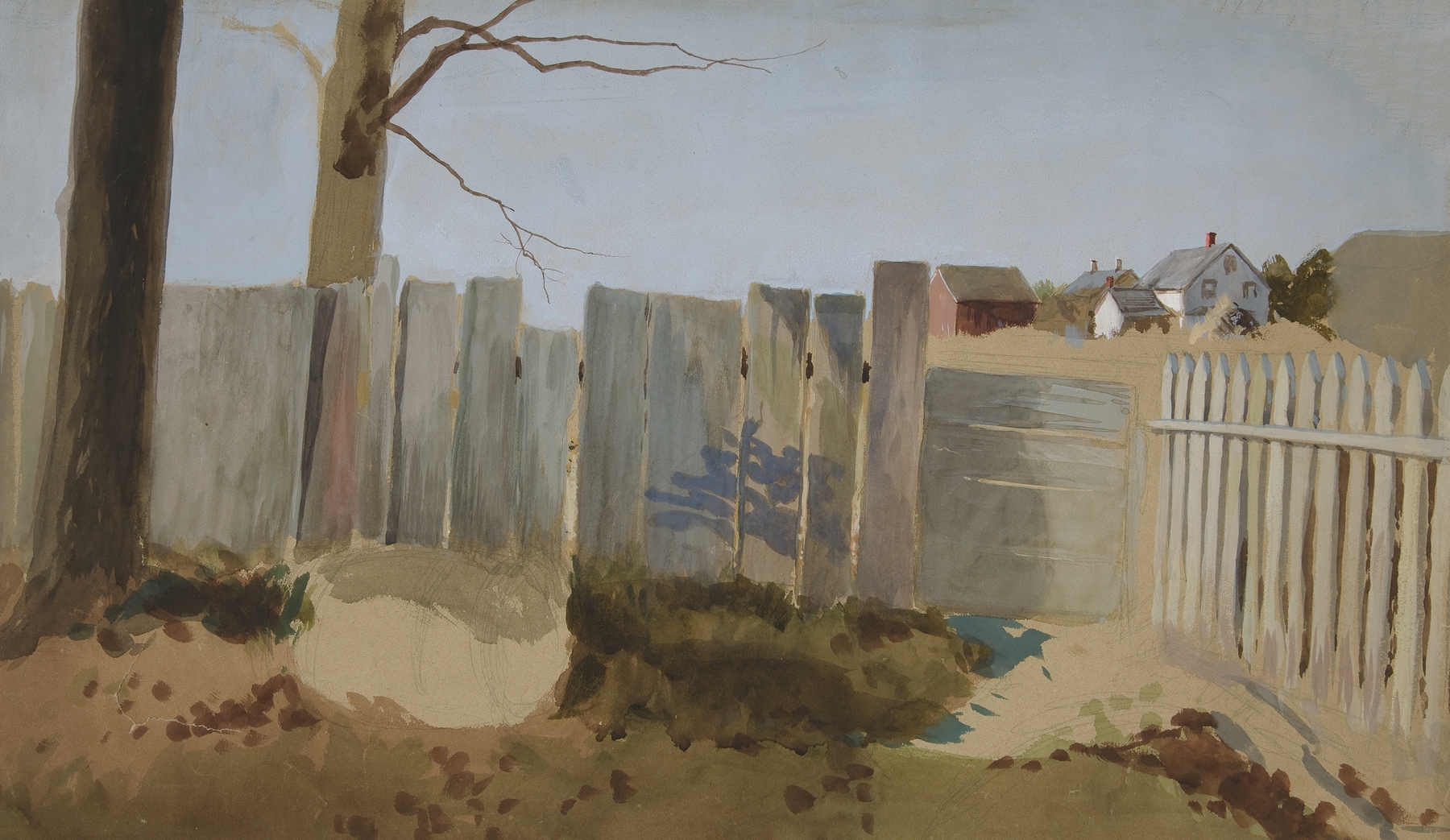
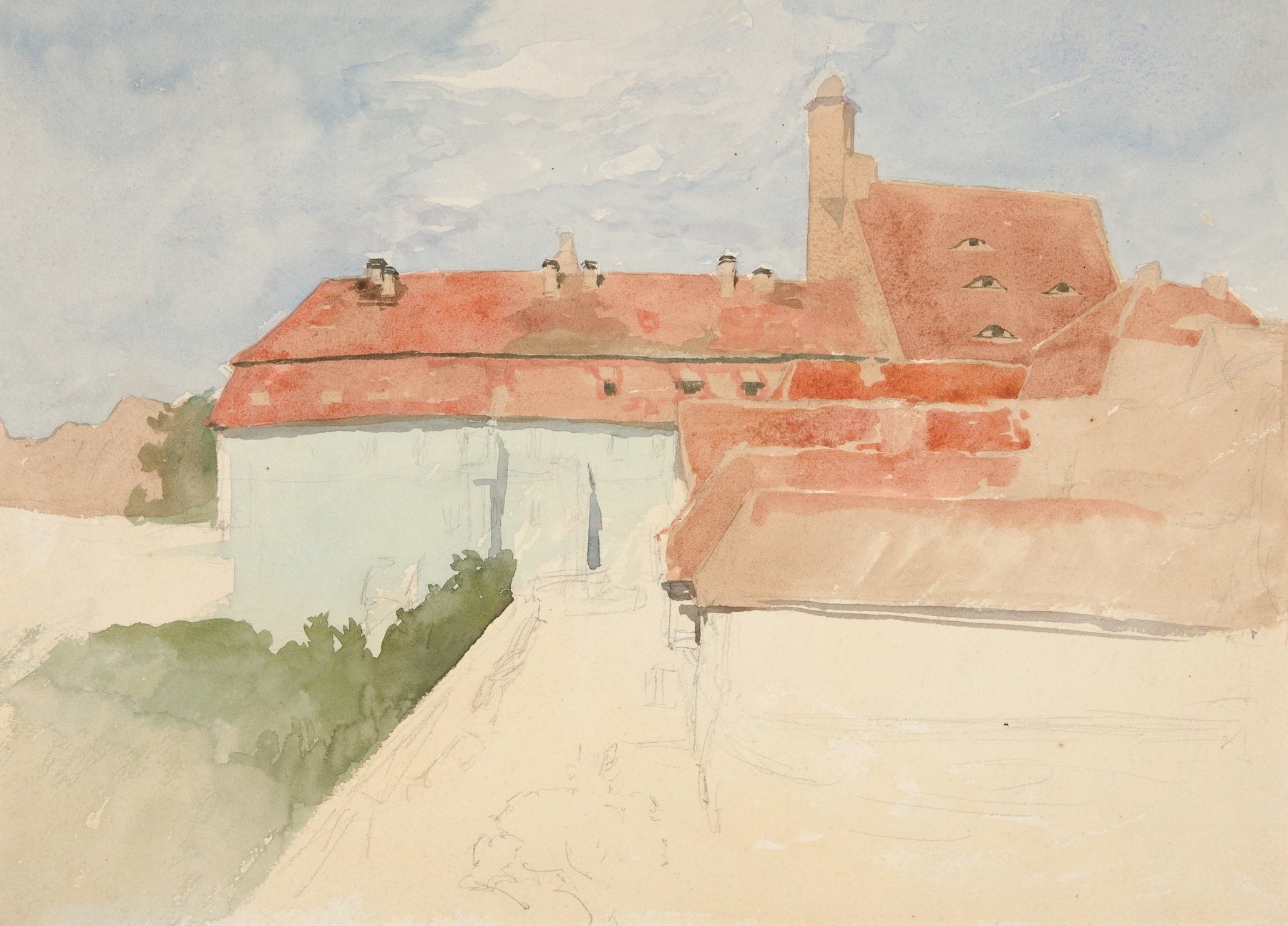
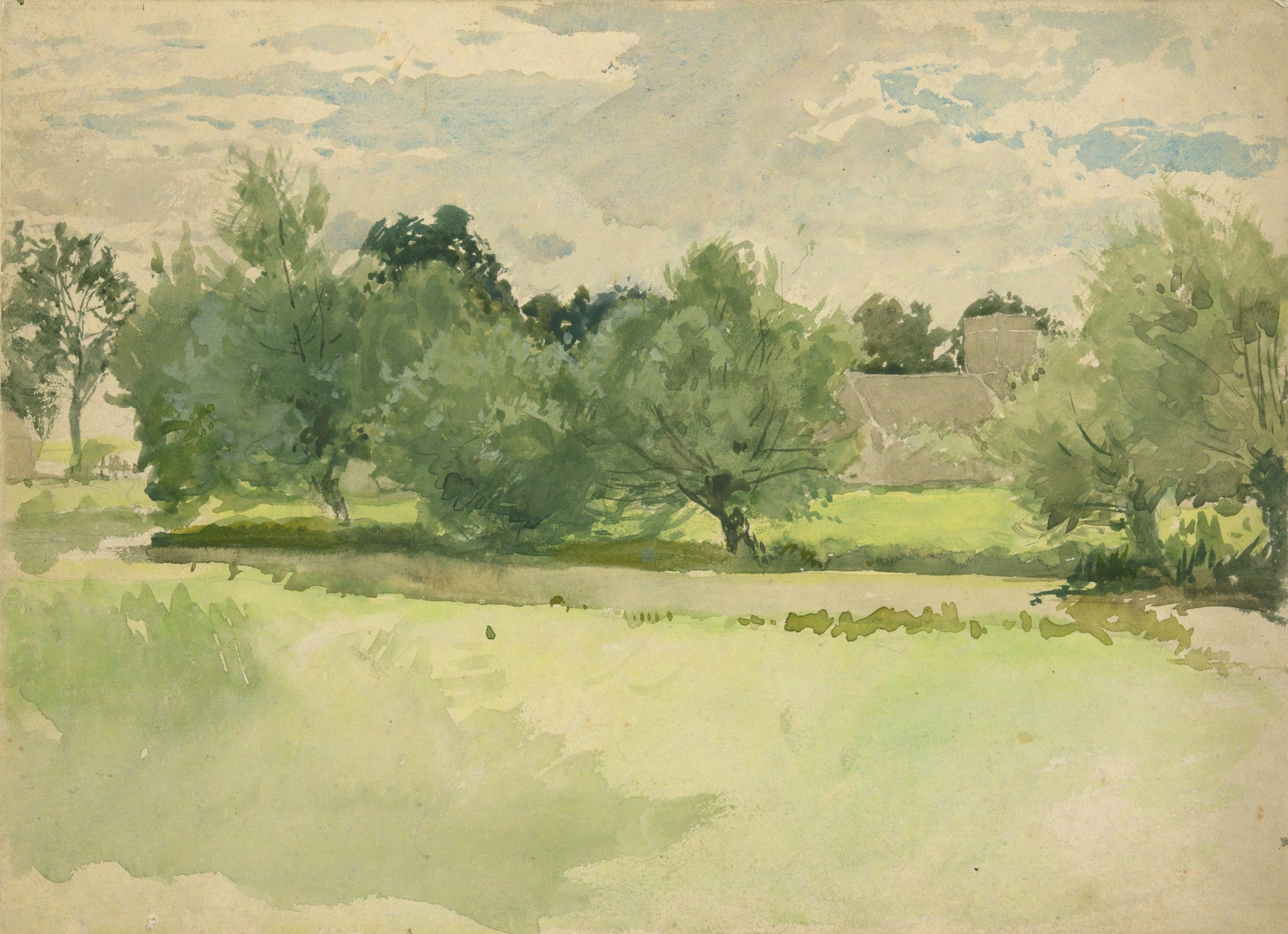
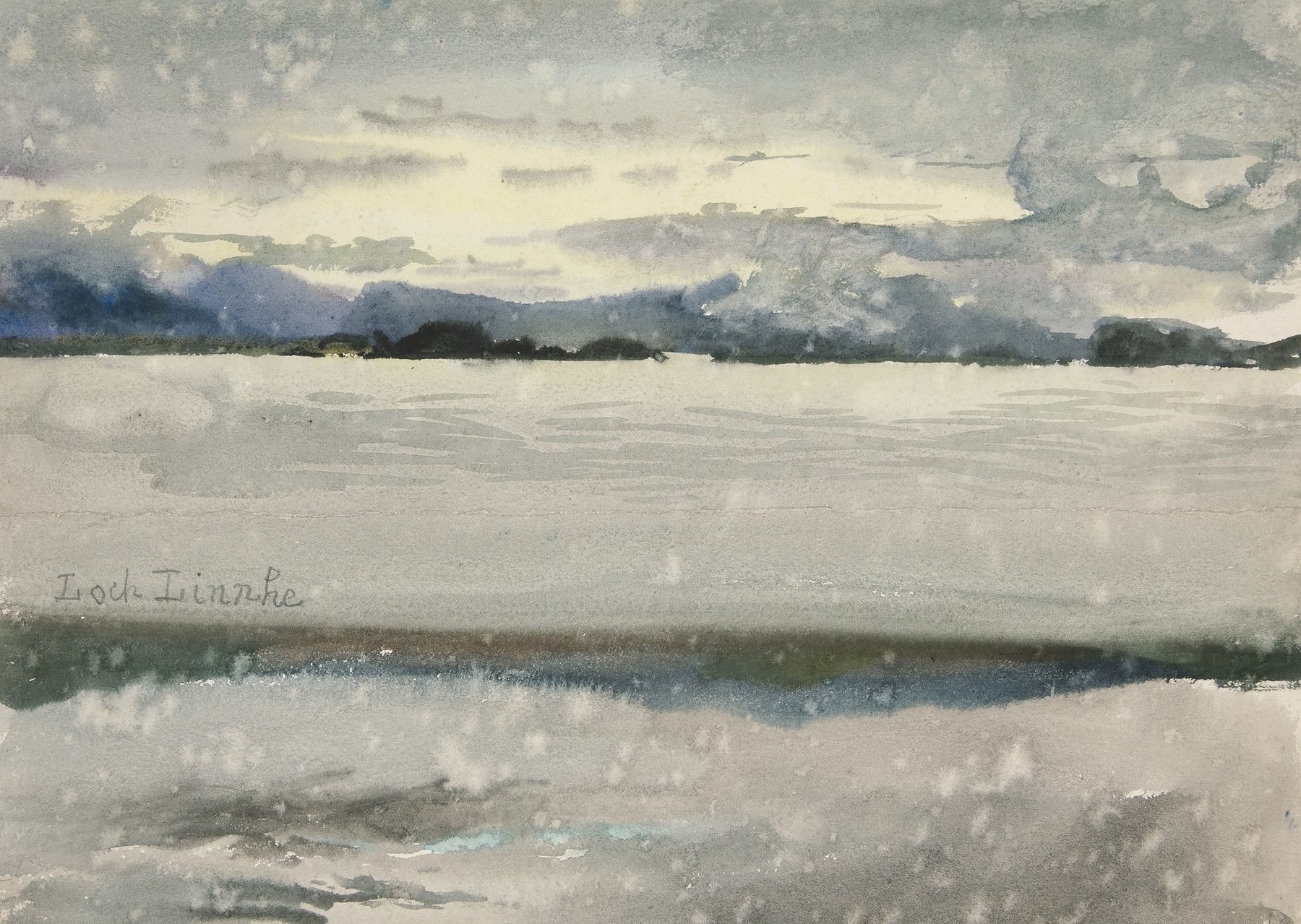
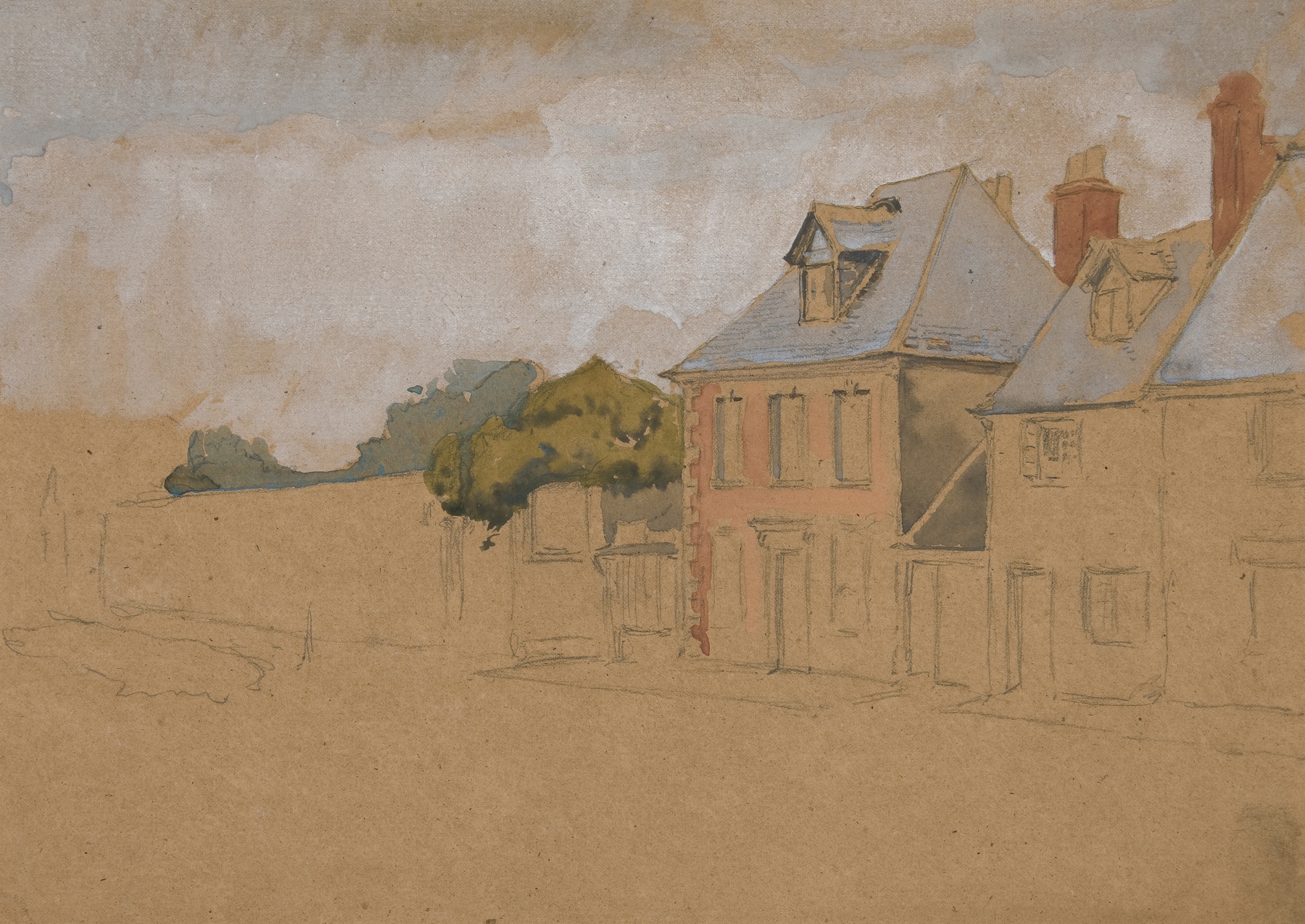
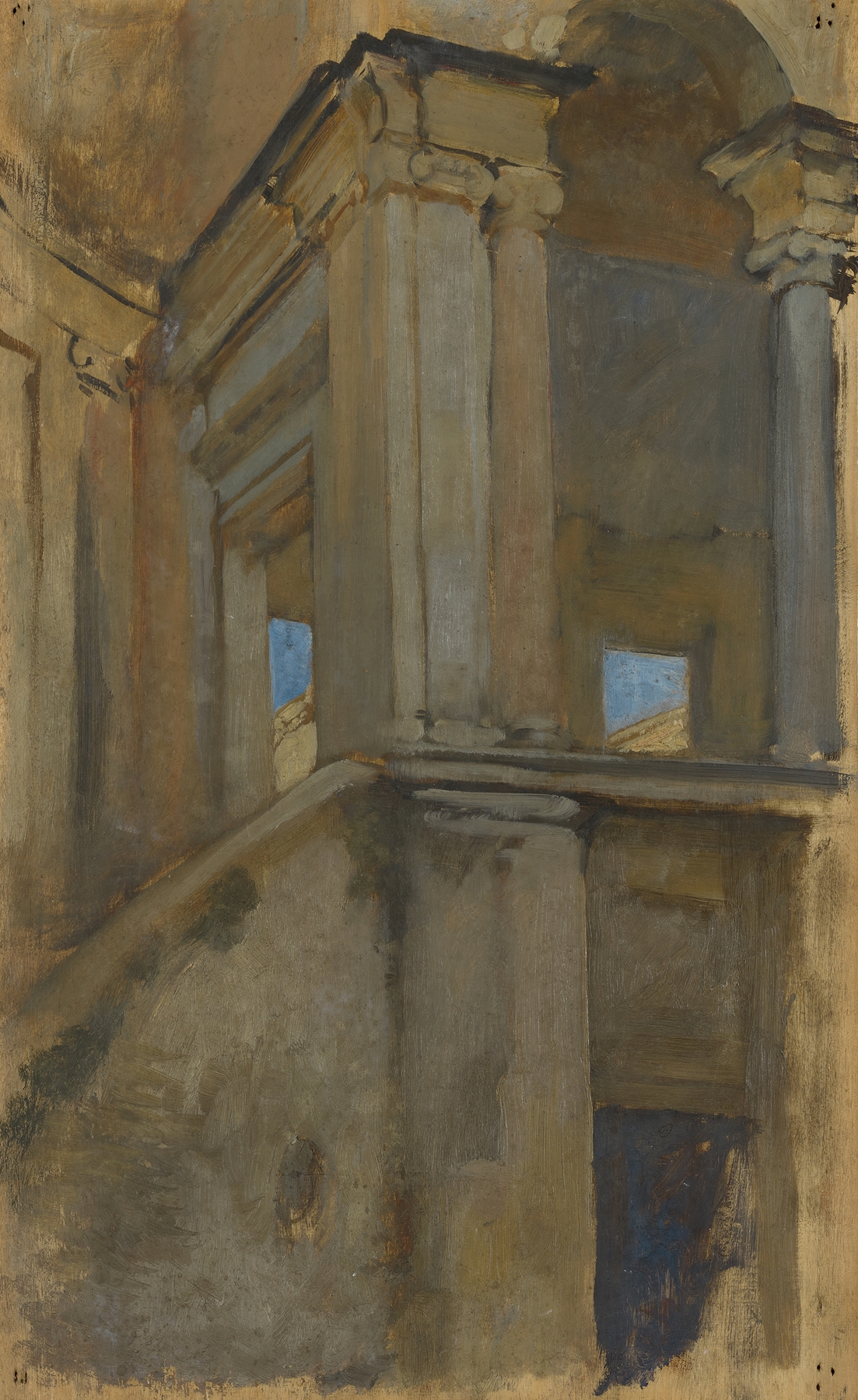
“To paint is to remember what time wants us to forget.” In the quiet recess of a forgotten moment, longing intertwines with memory, each brushstroke a whisper of what was and what could have been. Focus on the delicate interplay of light and shadow on the intricate details of the architecture. Look closely at the harmonious lines and contours that guide your eye across the canvas. The muted palette of earth tones evokes a sense of nostalgia, while the meticulous rendering of textures brings the scene to life.
Architecture, often static, breathes through Abbey’s hand, as if inviting us to explore the stories held within its walls. Beneath the surface, contrasts abound: the solidity of the edifice juxtaposed against the ethereal quality of the light, suggesting a tension between permanence and the fleeting nature of time. The artist invites us to reflect on the emotions tied to these structures—memories of joy and sorrow etched into their very foundations. Each element serves as a reminder of the transience of existence, urging us to cherish the moments we often overlook.
During the years between 1871 and 1911, Edwin Austin Abbey was immersed in the bustling world of American art, increasingly influenced by the Pre-Raphaelite movement and the burgeoning Arts and Crafts movement. His dedication to illustration and decorative arts marked a significant period in his career, as he sought to bridge the gap between fine art and craftsmanship. This painting encapsulates a time when Abbey was exploring the depths of memory and emotion, aiming to capture the essence of architectural beauty in a world that was rapidly changing.