Architectural Study II — History & Analysis
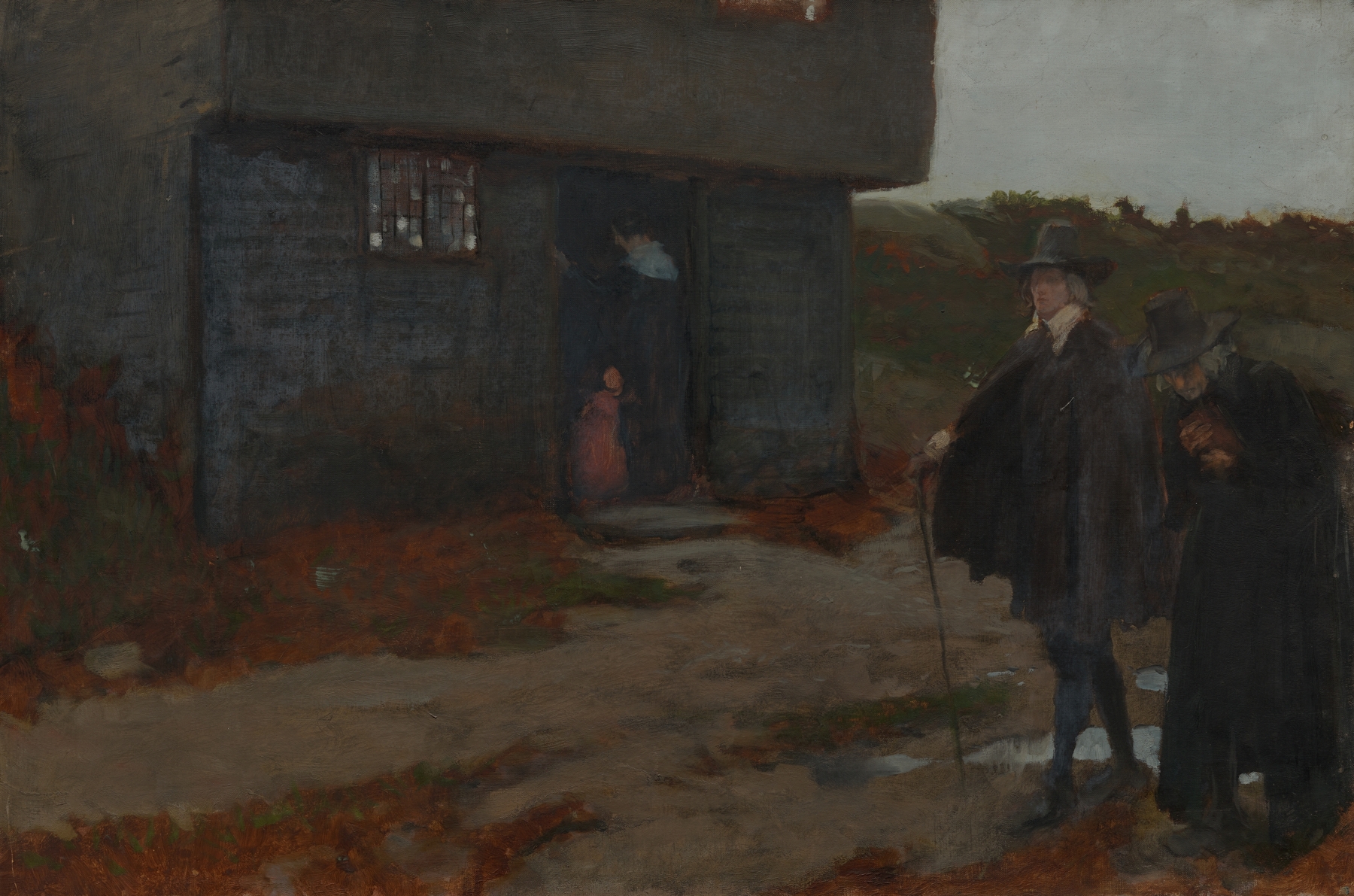
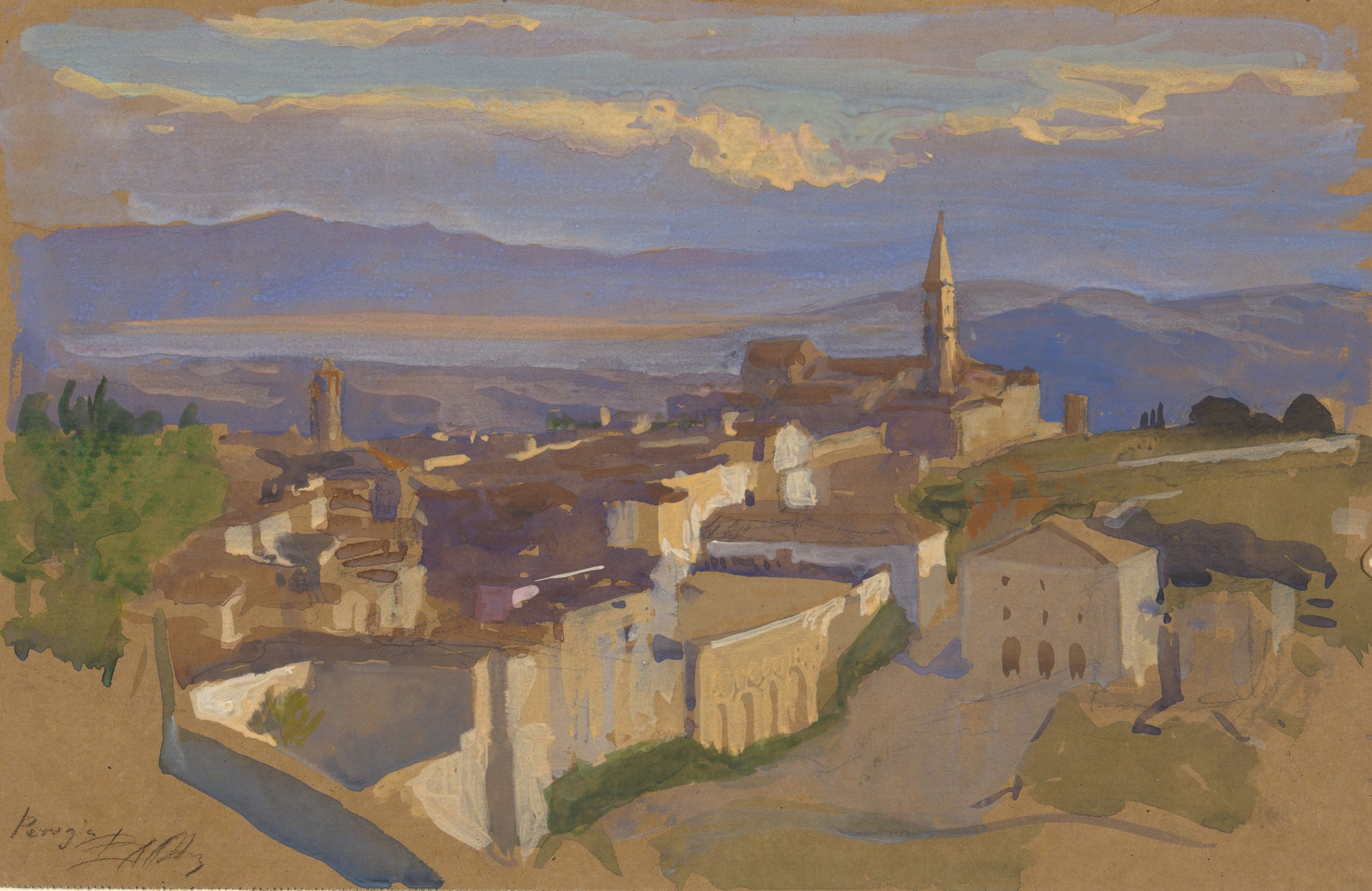
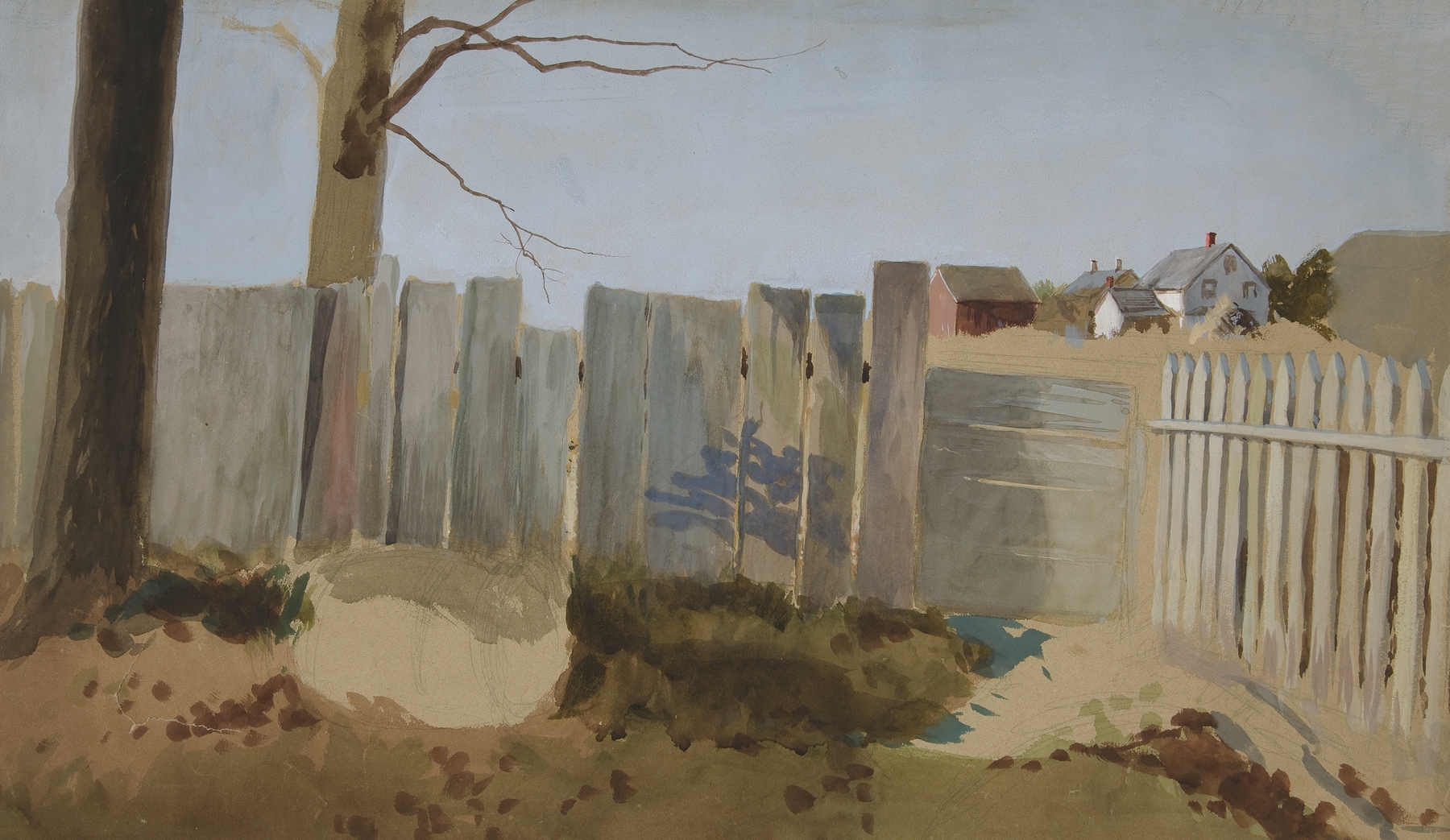
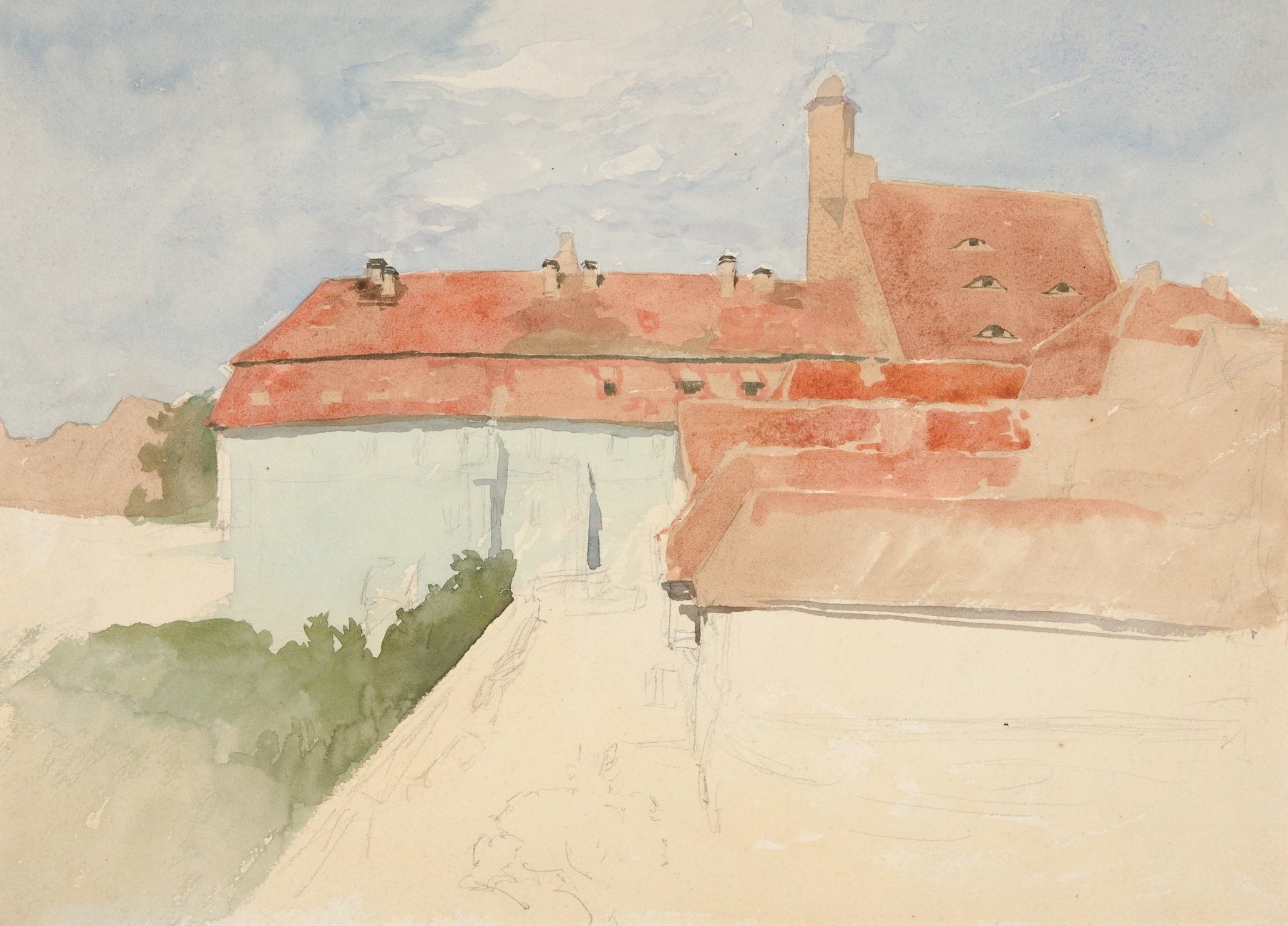
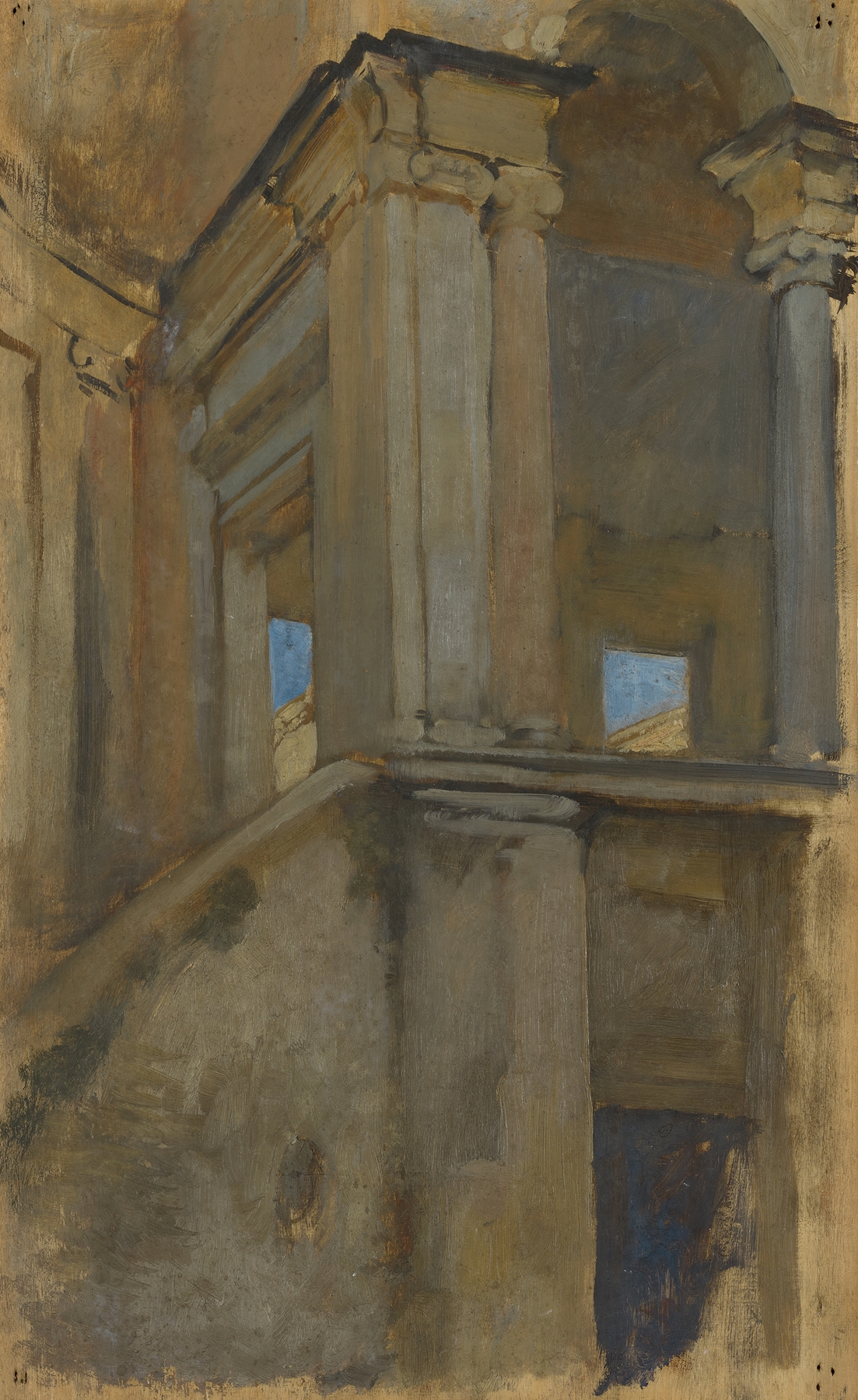
Can beauty exist without sorrow? In the delicate interplay of light and shadow, innocence dangles like a thread, whispering secrets of lost moments and unspoken dreams. Focus first on the intricate details of the arches that frame the composition. Notice how the light dances through the delicate lines, illuminating the soft curves and sharp angles that define the structure.
The muted palette, with its gentle browns and soft grays, evokes a sense of nostalgia and contemplation. Each brushstroke reveals a meticulous attention to architectural form, inviting the viewer’s eye to trace the contours and observe the meticulous craftsmanship. Delve deeper into the emotional depths that lie beneath the surface. The seemingly tranquil scene captures the tension between the permanence of architecture and the impermanence of life, suggesting a fleeting beauty that is simultaneously uplifting and melancholic.
It stands as a reminder of innocence in a world rife with complexity, where beauty can evoke both admiration and a sense of longing for what has been lost. Edwin Austin Abbey created this work during a period of transition in the late 19th century, while residing in England. His career was marked by a shift towards an appreciation of the aesthetic qualities of architecture in tandem with the human experience. During this time, Abbey sought to capture the essence of beauty and nostalgia, grounding his artistic vision within a historical context that cherished both the past and the present.