
T. Veneris et Romae, Basilica Maxentii — History & Facts
What if silence could speak through light? In T. Veneris et Romae, Basilica Maxentii, the divine stillness of the basilica resonates deeply, inviting contemplation and reverence. Look to the center of the canvas, where the soaring arches of the Basilica Maxentii draw the eye upward. The artist masterfully captures the interplay of light filtering through the high windows, illuminating the delicate stonework with a glow that feels almost ethereal.
Notice how the warm hues of ochre and gold contrast with the cooler, shadowy tones, creating a sense of depth and spiritual elevation. Each brushstroke reveals not just architectural details but a transcendent quality that envelops the viewer. Within the intricate shadows, there exists a profound dialogue between the earthly and the celestial. The juxtaposition of light and dark suggests a tension between the material world and divine presence, as if the structure itself yearns for something beyond comprehension.
The absence of human figures amplifies this sense of solitude, allowing the viewer to engage in their own introspection. Every corner of the basilica whispers of devotion, history, and the passage of time, inviting a connection that transcends language. Created in 1882, this work reflects Christoph Ziegler's engagement with the architectural grandeur of Italy, particularly during a period when the fascination with classical antiquity was revitalizing art and culture. At this time, Ziegler was honing his skills in the vibrant artistic milieu of Europe, where the interplay of light and form became a primary focus.
His dedication to capturing the divine essence of historical structures resonates with the broader Romantic movement, emphasizing emotional depth and spiritual reflection in an era enamored with the past.
More Artworks by Christoph Ziegler
Browse all →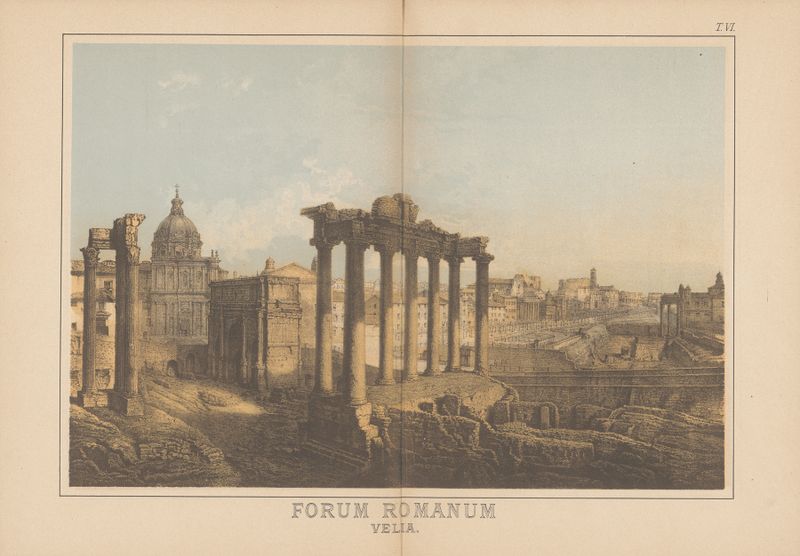
Forum Romanum
Christoph Ziegler
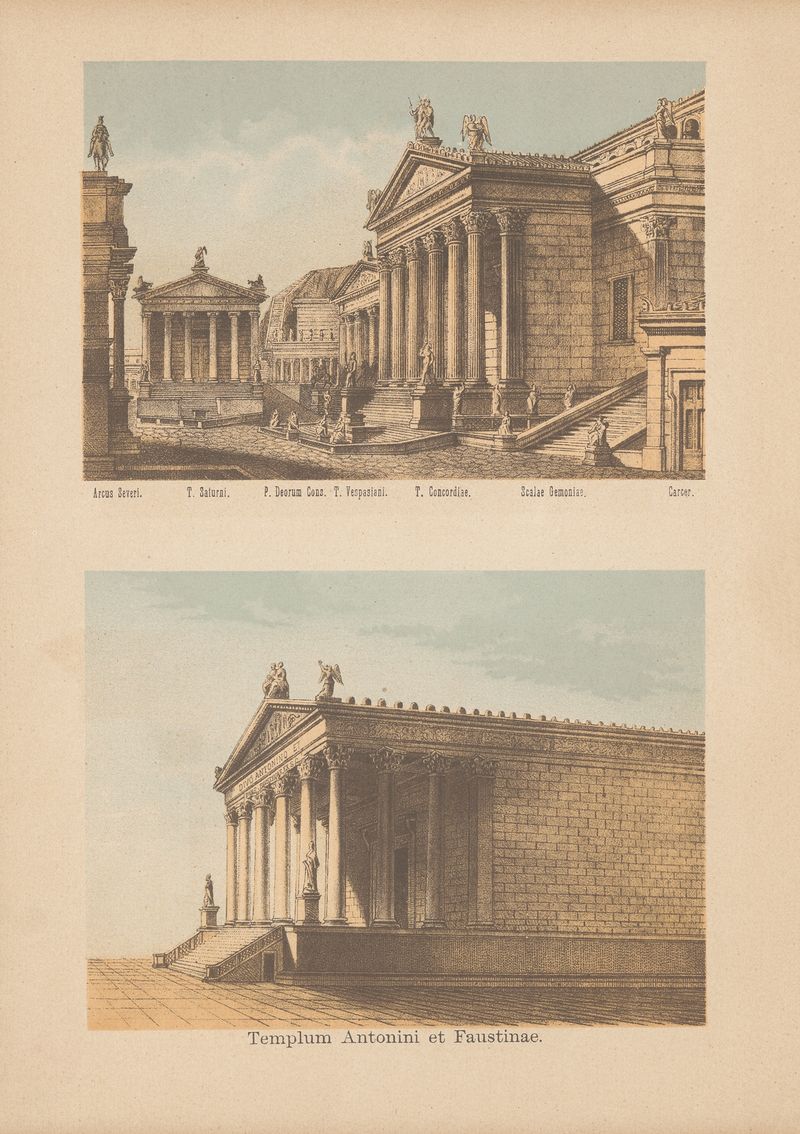
Templum Antonini et Faustinae
Christoph Ziegler
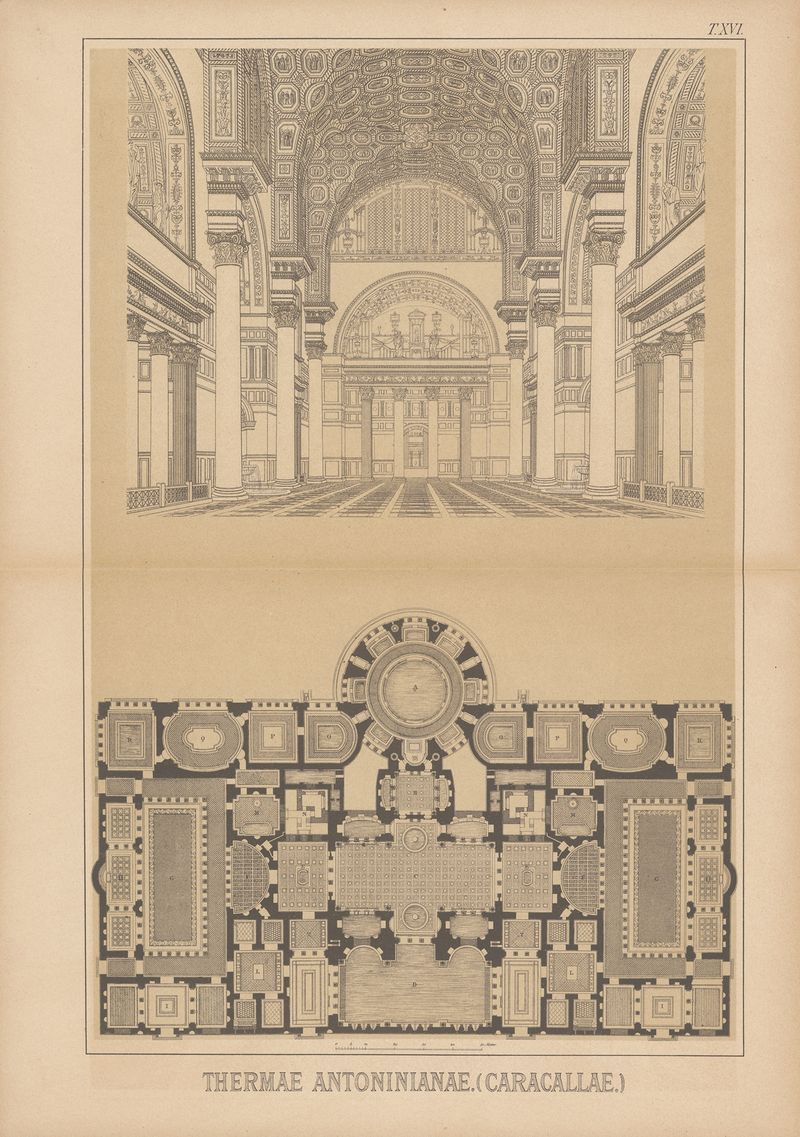
Thermae Antoninianae (Caracallae)
Christoph Ziegler
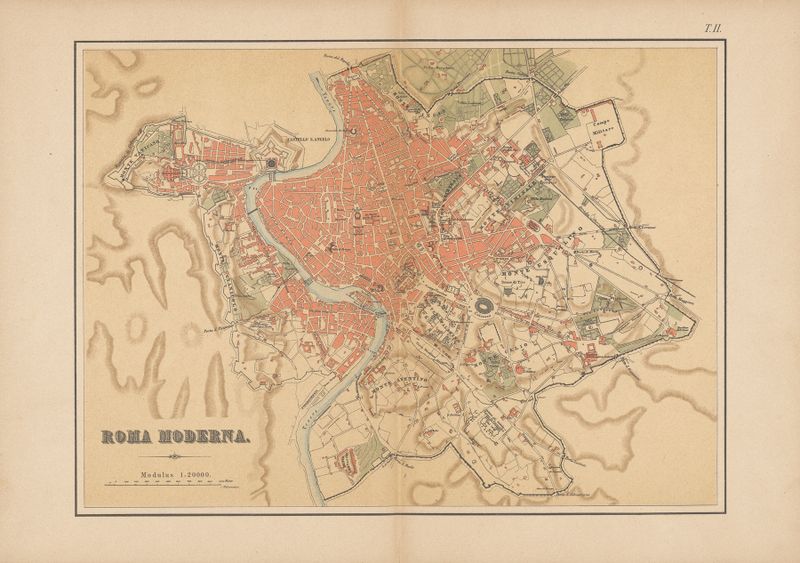
Plan des neuen Rom
Christoph Ziegler
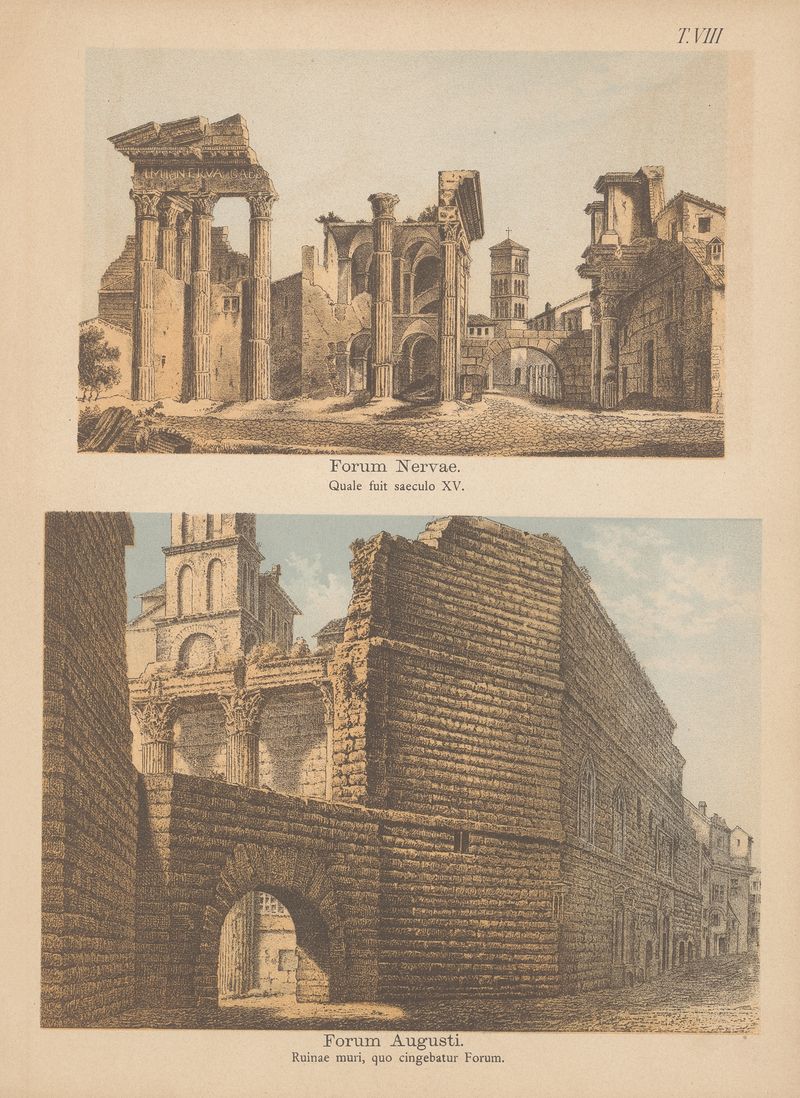
Forum Nervae, Forum Augusti
Christoph Ziegler
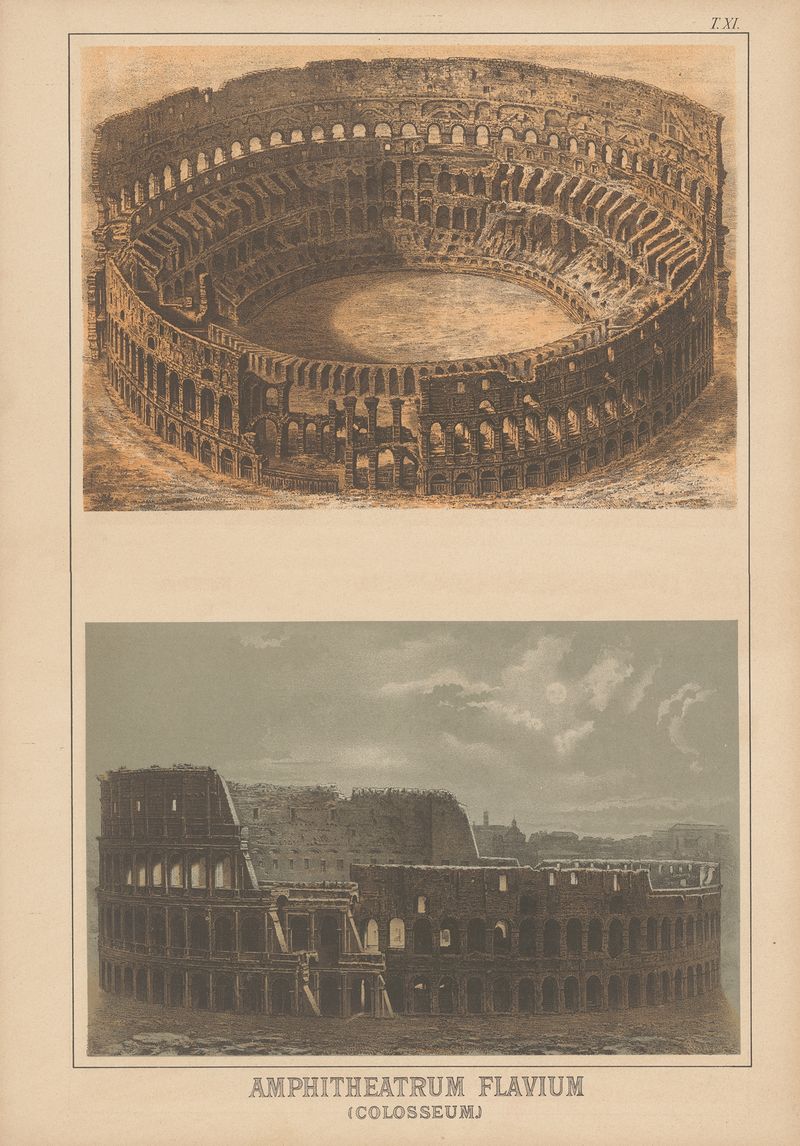
Amphitheatrum Flavium (Colosseum)
Christoph Ziegler
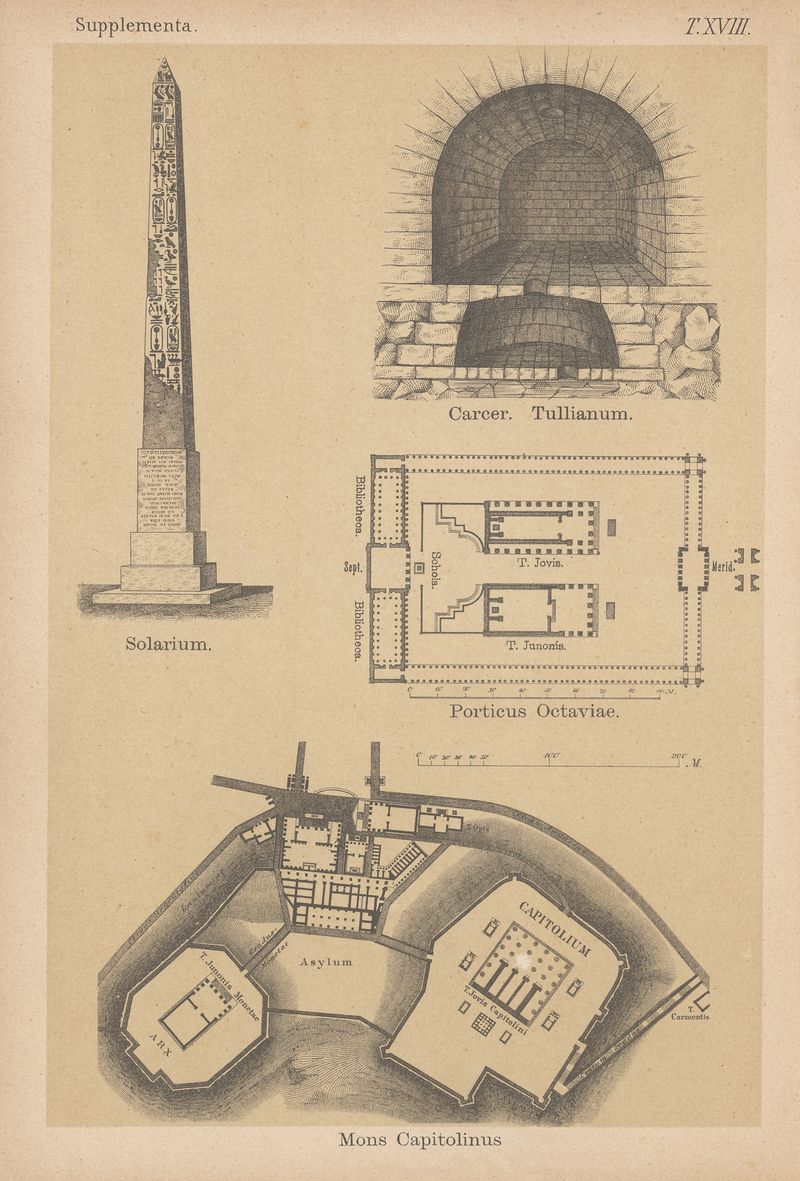
Mons Capitolinus
Christoph Ziegler
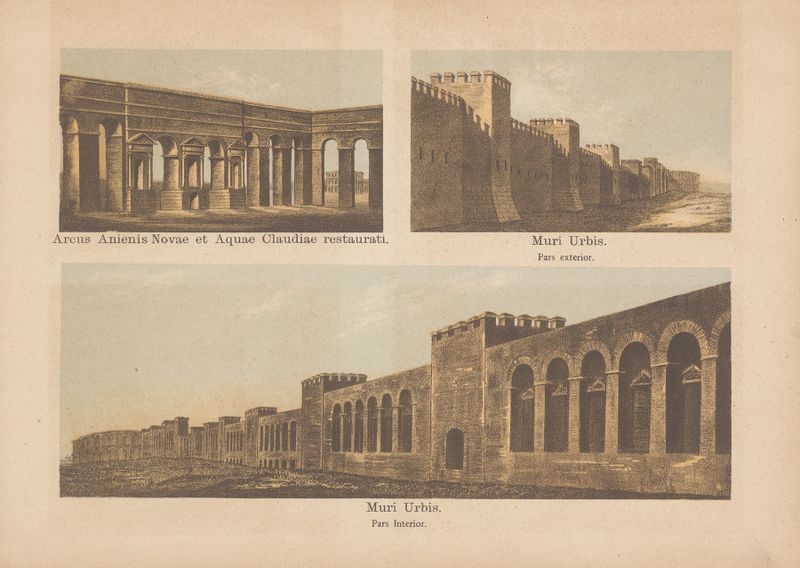
Arcus Anienis Novae, Muri urbis
Christoph Ziegler
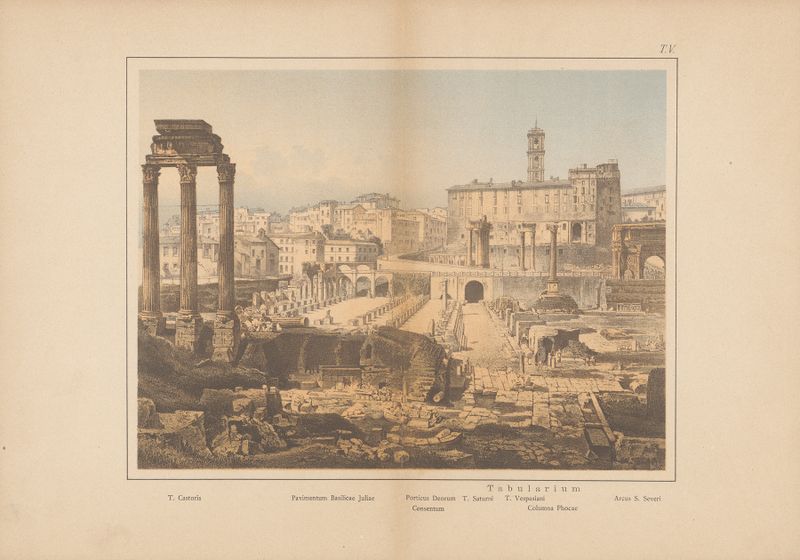
Tabularium
Christoph Ziegler
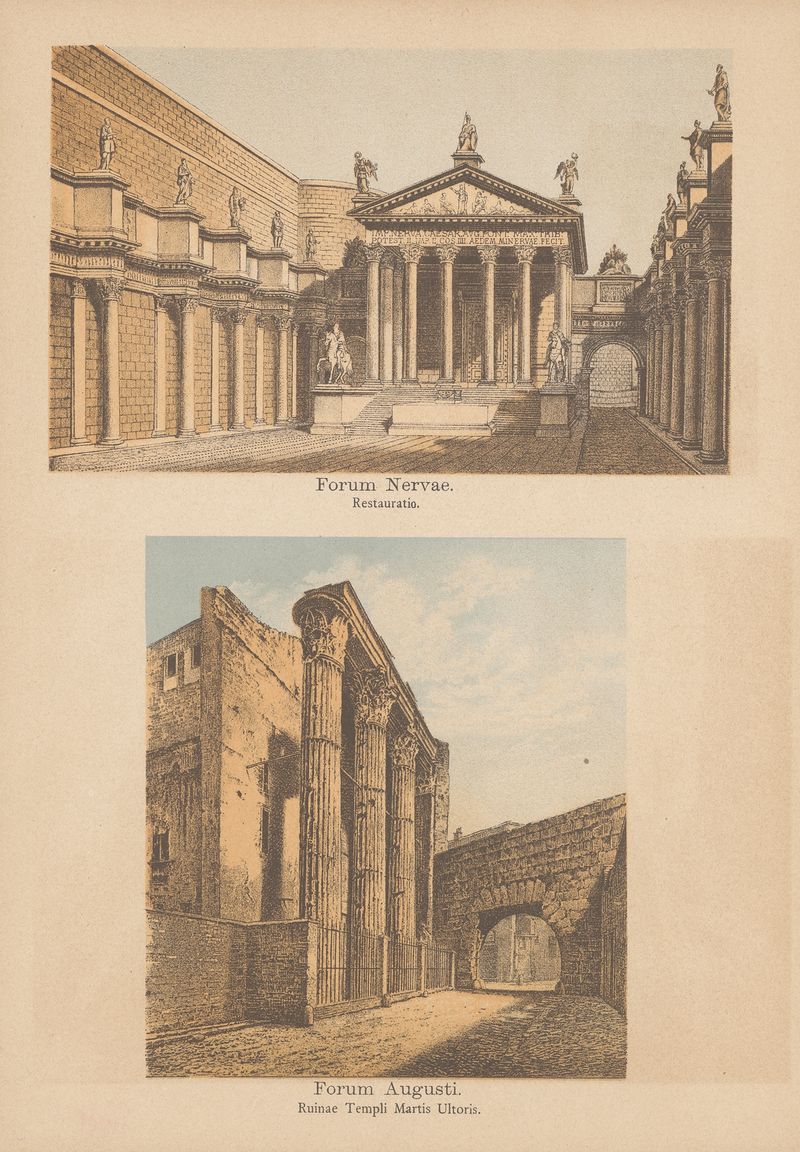
Forum Nervae, Forum Augusti
Christoph Ziegler
More Architecture Art
Browse all →
The statue of Liberty
Frédéric Auguste Bartholdi

View of Houses in Delft, Known as ‘The Little Street’
Johannes Vermeer

View of Houses in Delft, Known as ‘The Little Street’
Johannes Vermeer

The Cathedral in Rouen. The portal, Grey Weather
Claude Monet

The yellow house
Vincent van Gogh

The Church in Auvers-sur-Oise, View from the Chevet
Vincent van Gogh