
Arcus Drusi, Porta Ostiensis, Porta Appia, Porta Praenestina — History & Facts
What secret hides in the quiet of the canvas? In this intimate portrayal of ancient architecture, stillness becomes a vessel for contemplation, inviting the viewer to ponder the passage of time and the weight of history. Look closely at the arches in the foreground, where the delicate interplay of light and shadow creates a rhythmic pattern across the stone. Notice how the artist employs a muted palette, with earthy browns and soft grays, to evoke a sense of solemnity and permanence. The meticulous detailing of the brickwork and the gentle curves of the arches draw the eye, leading you deeper into the composition, where each structure seems to whisper stories of those who once traversed these thresholds. Beyond mere representation, the artwork imbues a contrasting tension between the enduring nature of the architecture and the ephemeral quality of human existence.
The surrounding landscape, lightly brushed in the background, hints at life beyond the ruins, a juxtaposition of vitality against the steadfast remains of civilization. The absence of figures amplifies this solitude, allowing viewers to reflect on their relationship with the past while confronting their own fleeting presence in the world. In 1882, Christoph Ziegler created this piece during a period of artistic exploration and revival of classical themes. Working in Italy, he sought to capture the grandeur of ancient structures amidst the growing interest in archaeology and history.
This was a time when artists were turning back to the classical ideals, harmonizing the old with new approaches to light and form, as they grappled with their own identities and legacies in an evolving art landscape.
More Artworks by Christoph Ziegler
Browse all →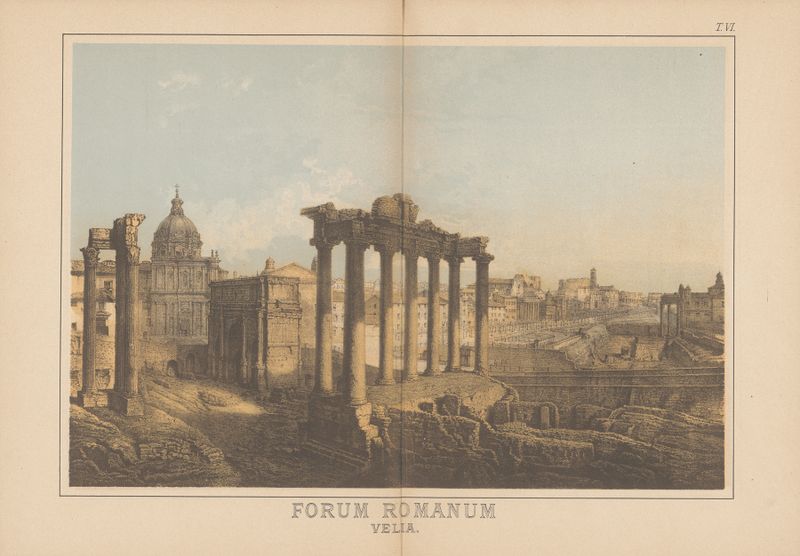
Forum Romanum
Christoph Ziegler
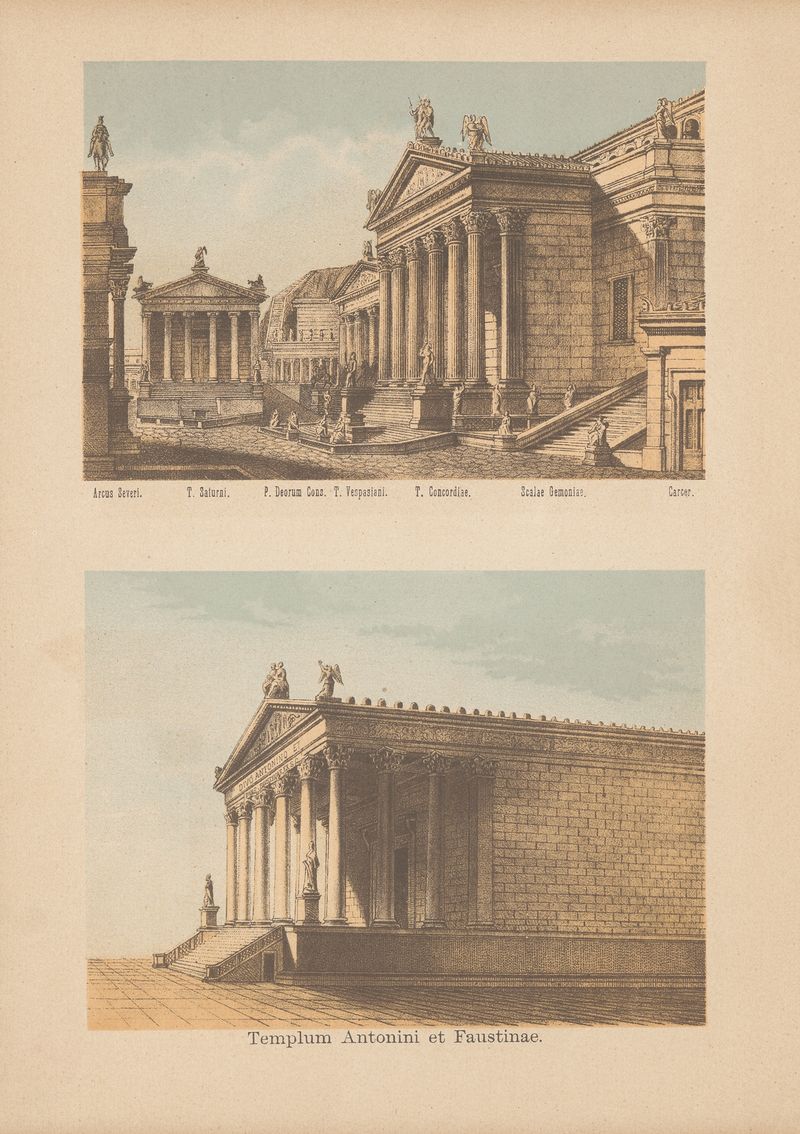
Templum Antonini et Faustinae
Christoph Ziegler
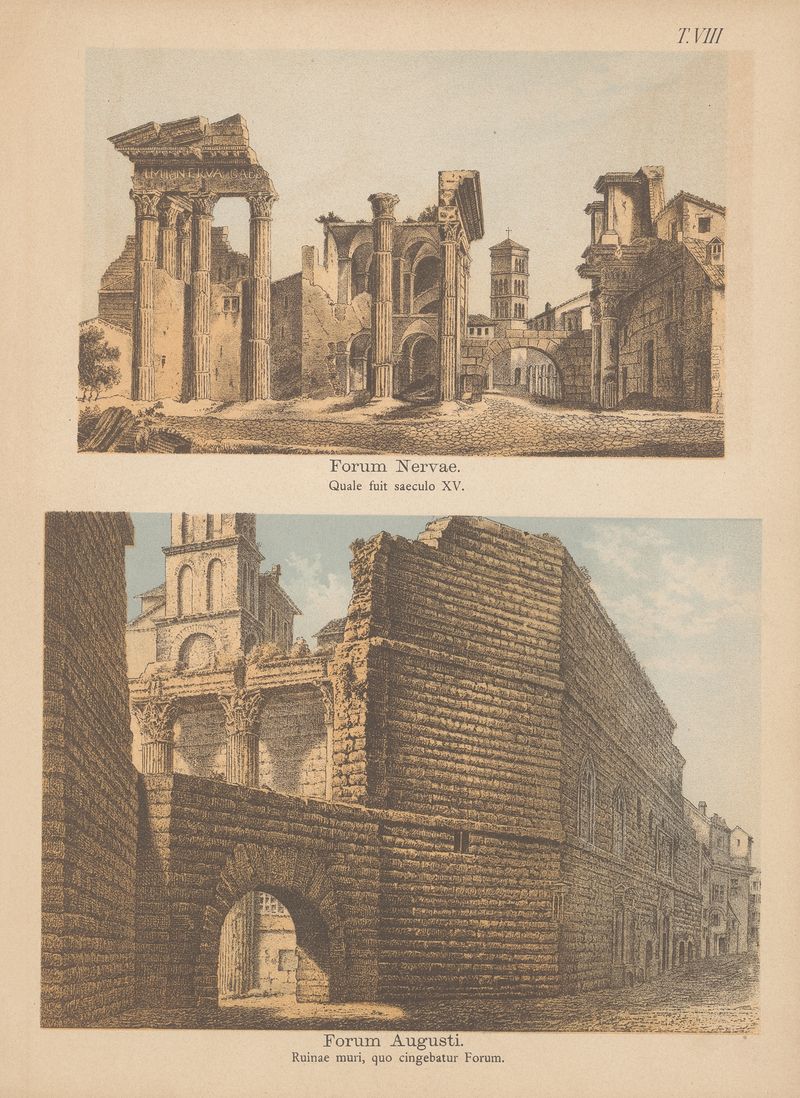
Forum Nervae, Forum Augusti
Christoph Ziegler
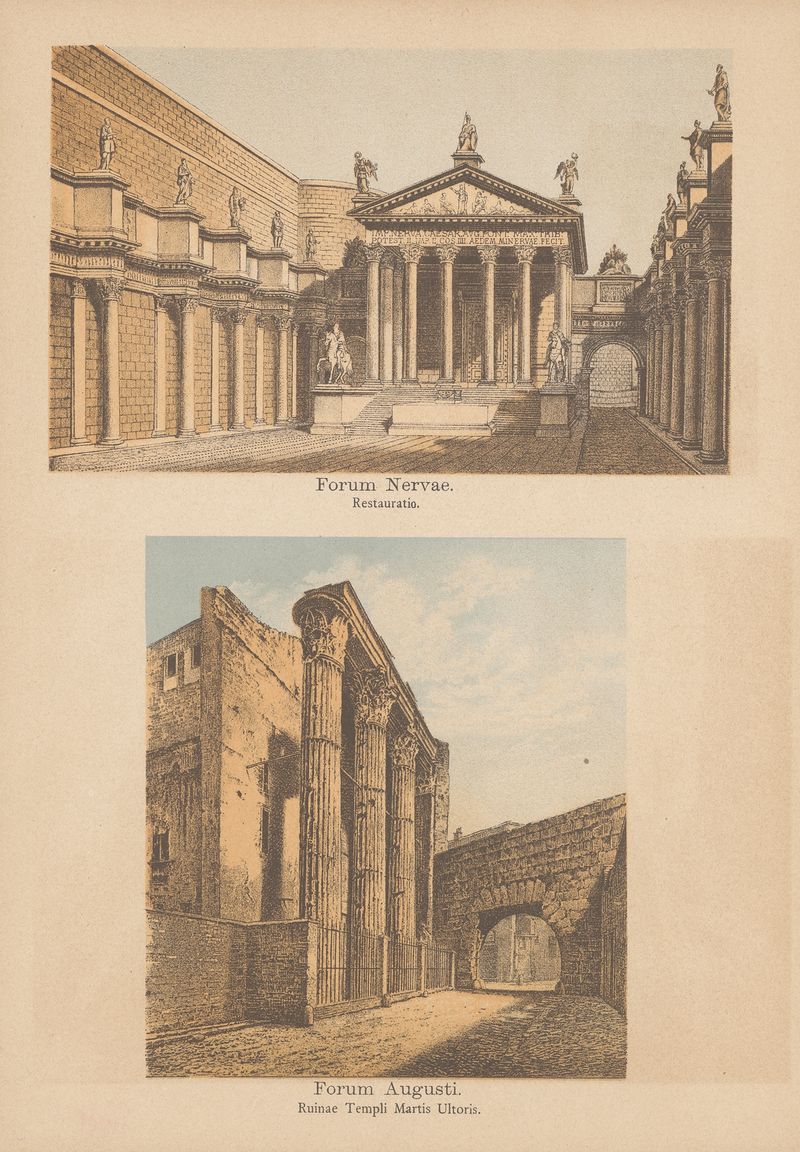
Forum Nervae, Forum Augusti
Christoph Ziegler
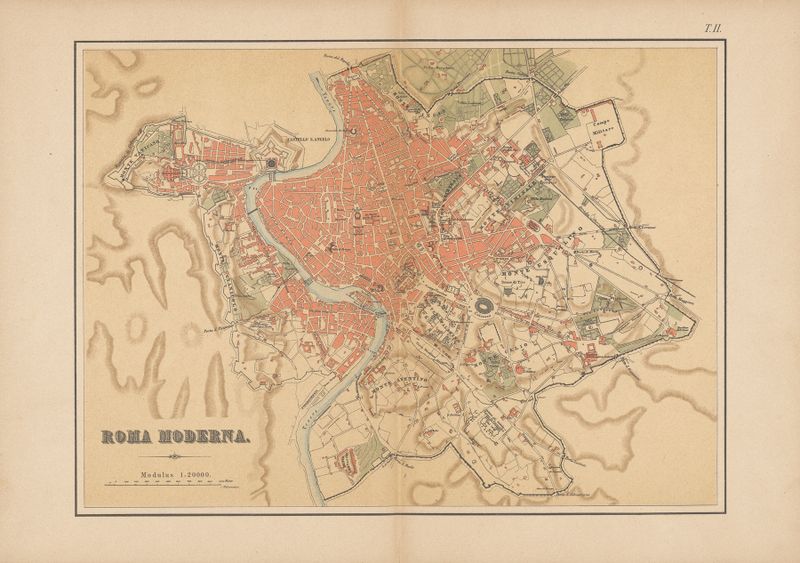
Plan des neuen Rom
Christoph Ziegler
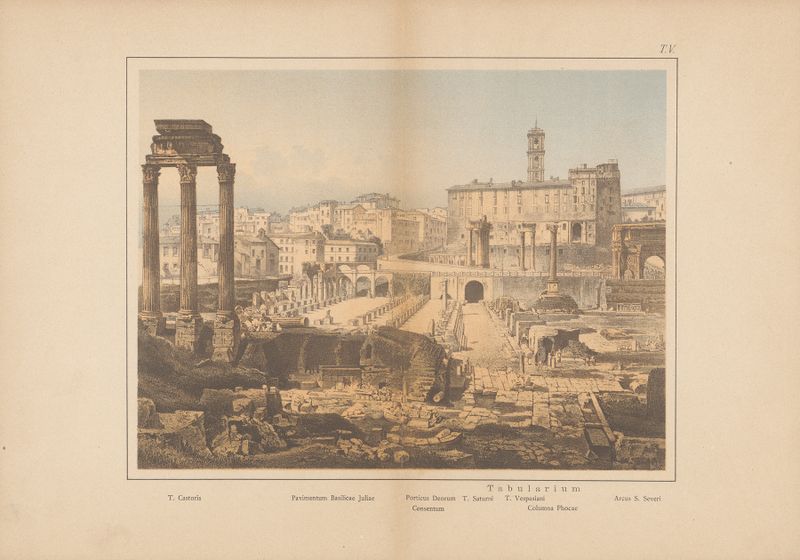
Tabularium
Christoph Ziegler
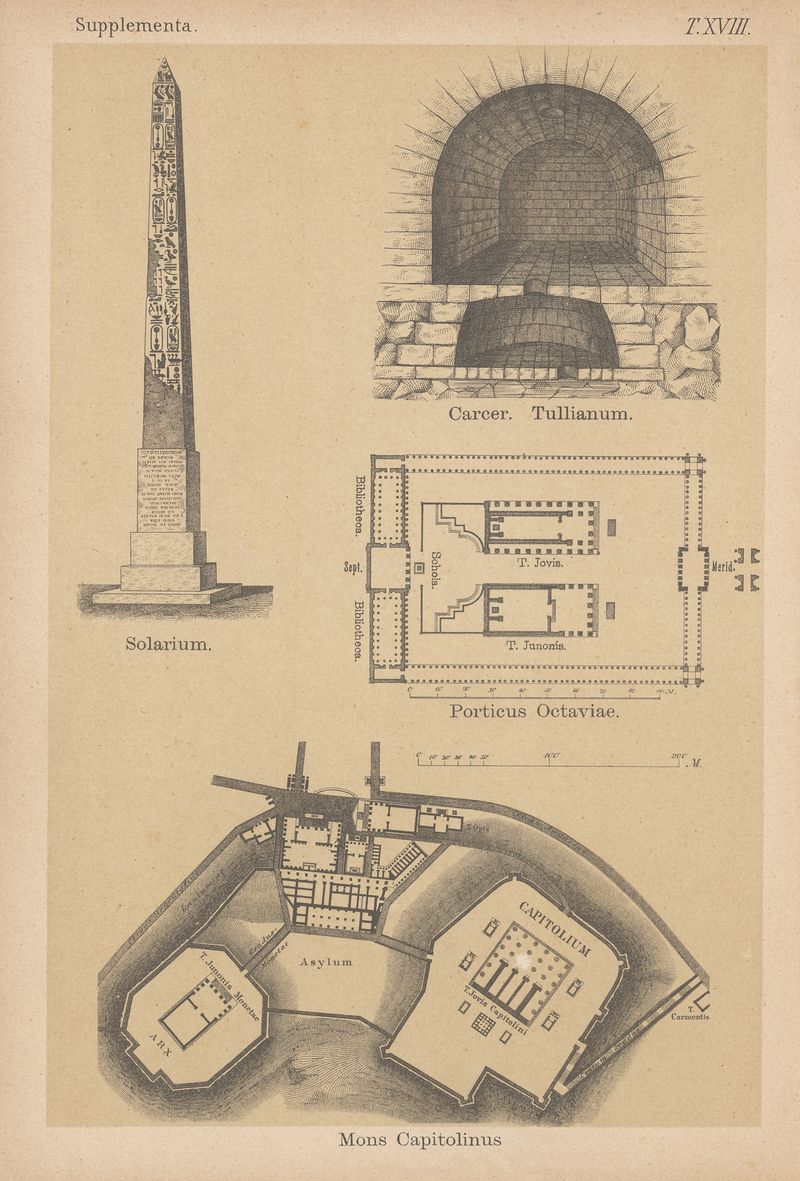
Mons Capitolinus
Christoph Ziegler
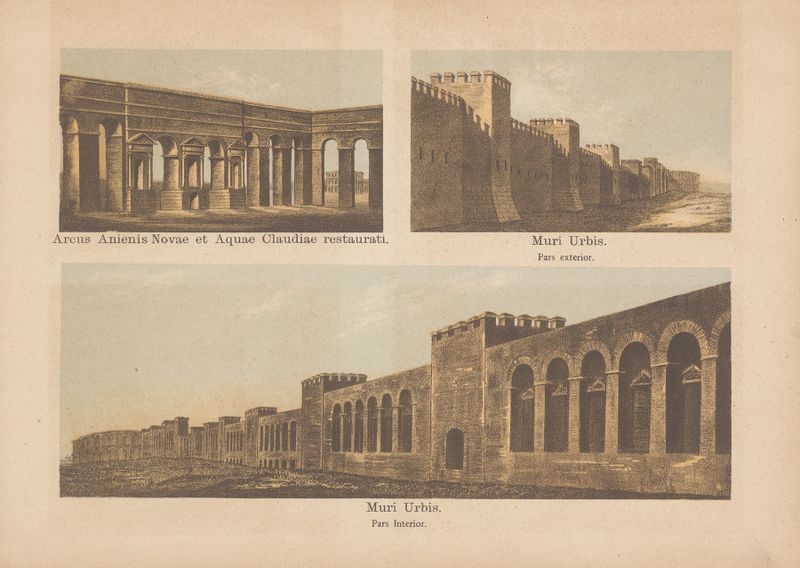
Arcus Anienis Novae, Muri urbis
Christoph Ziegler
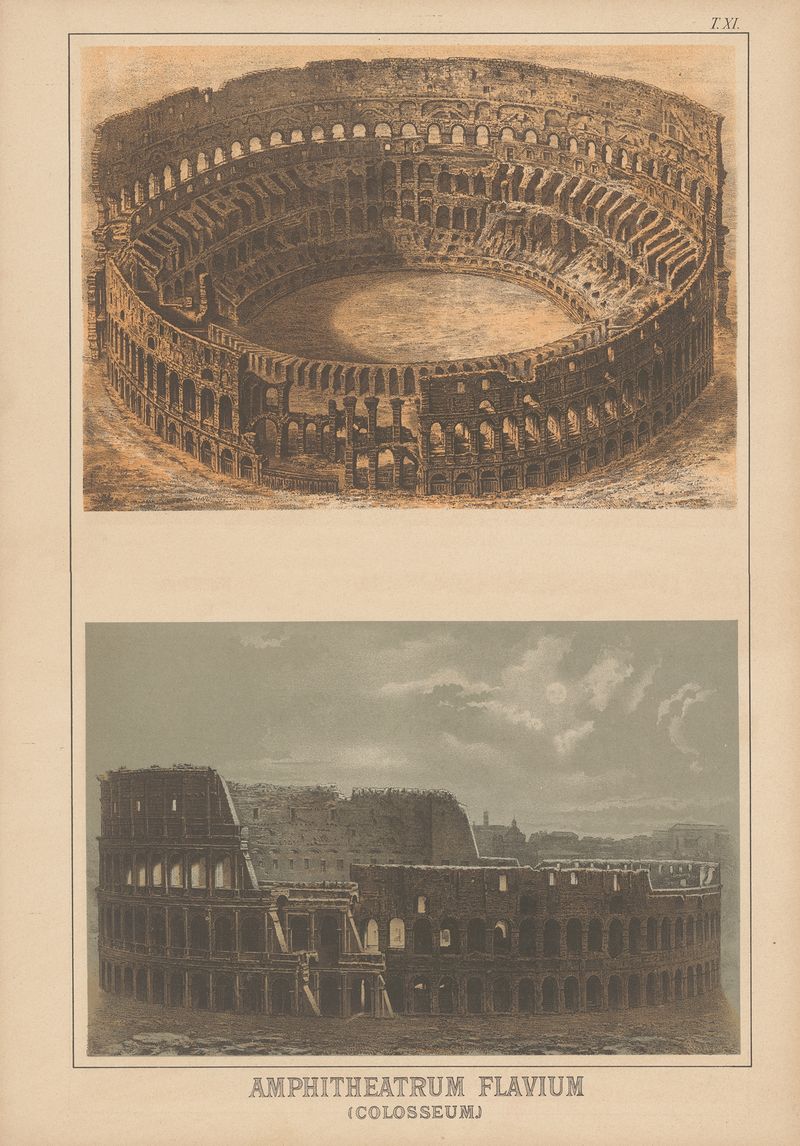
Amphitheatrum Flavium (Colosseum)
Christoph Ziegler
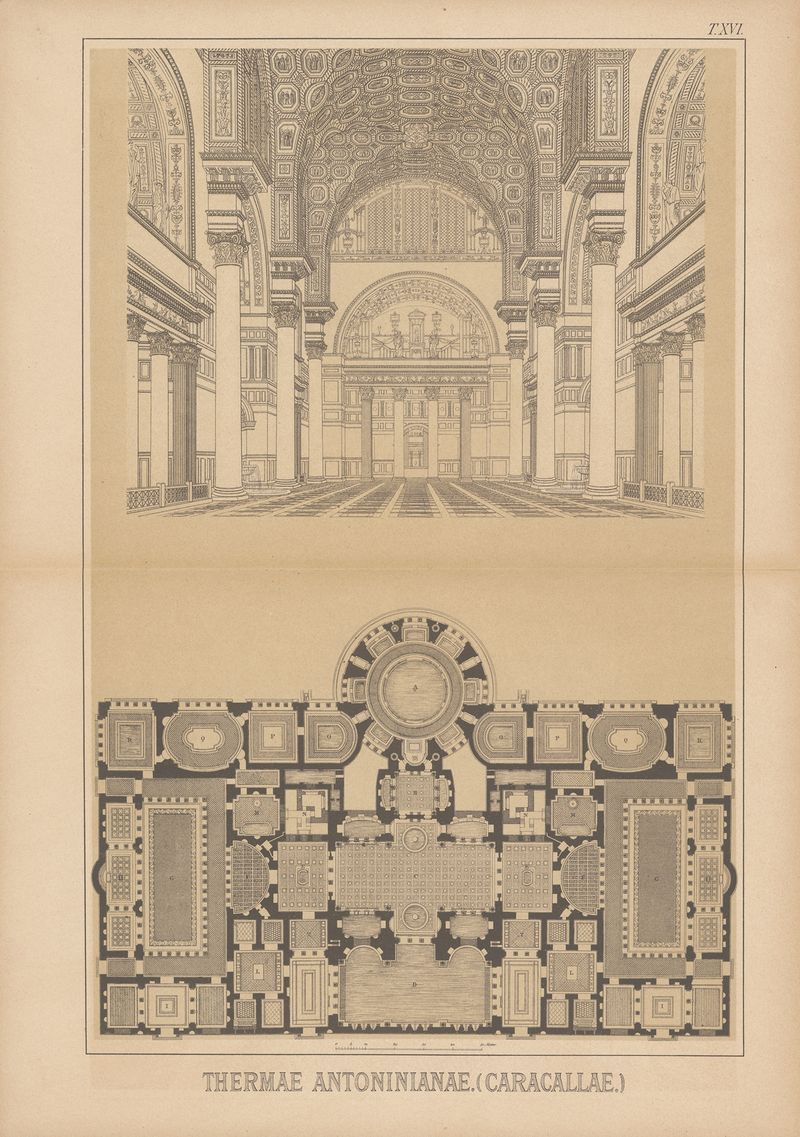
Thermae Antoninianae (Caracallae)
Christoph Ziegler
More Architecture Art
Browse all →
The statue of Liberty
Frédéric Auguste Bartholdi

View of Houses in Delft, Known as ‘The Little Street’
Johannes Vermeer

View of Houses in Delft, Known as ‘The Little Street’
Johannes Vermeer

The Cathedral in Rouen. The portal, Grey Weather
Claude Monet

The yellow house
Vincent van Gogh

The Church in Auvers-sur-Oise, View from the Chevet
Vincent van Gogh