
Argostoli and the Black Mountain, Cephalonia — History & Facts
Is this a mirror — or a memory? The canvas invites reflection, nudging us to ponder the delicate interplay between reality and the imagination, faith and nature. Look to the left, where the serene waters of the bay shimmer under a soft, golden light. The gentle hues of blue and green blend seamlessly, creating a tranquil atmosphere that commands attention. Notice how the distant Black Mountain rises majestically against the horizon, its dark silhouette contrasting with the inviting landscape, almost as if it guards the secrets of the past.
The careful brushstrokes guide your eye, leading you to the rich interplay of light and shadow that brings this idyllic scene to life. Yet, beyond the visual beauty lies a profound emotional tension. The stillness of the water suggests a moment captured in time, a pause for contemplation, while the imposing mountain speaks to the struggles that underpin faith and existence. The convergence of nature’s grandeur and the simplicity of the foreground evokes both awe and humility, compelling us to consider our place within this magnificent world.
The idyllic scene contrasts sharply with the undercurrents of solitude and reflection. In 1863, Lear was residing in Italy, navigating the complexities of his artistic identity amidst a rapidly changing art world. At this time, he was recognized for his landscapes yet remained overshadowed by his more famous contemporaries. It was an era when the romantic connection to nature was fervently embraced, and Argostoli and the Black Mountain, Cephalonia stands as a testament to that spirit — a faithful echo of a fleeting moment and a deep well of memories.
More Artworks by Edward Lear
Browse all →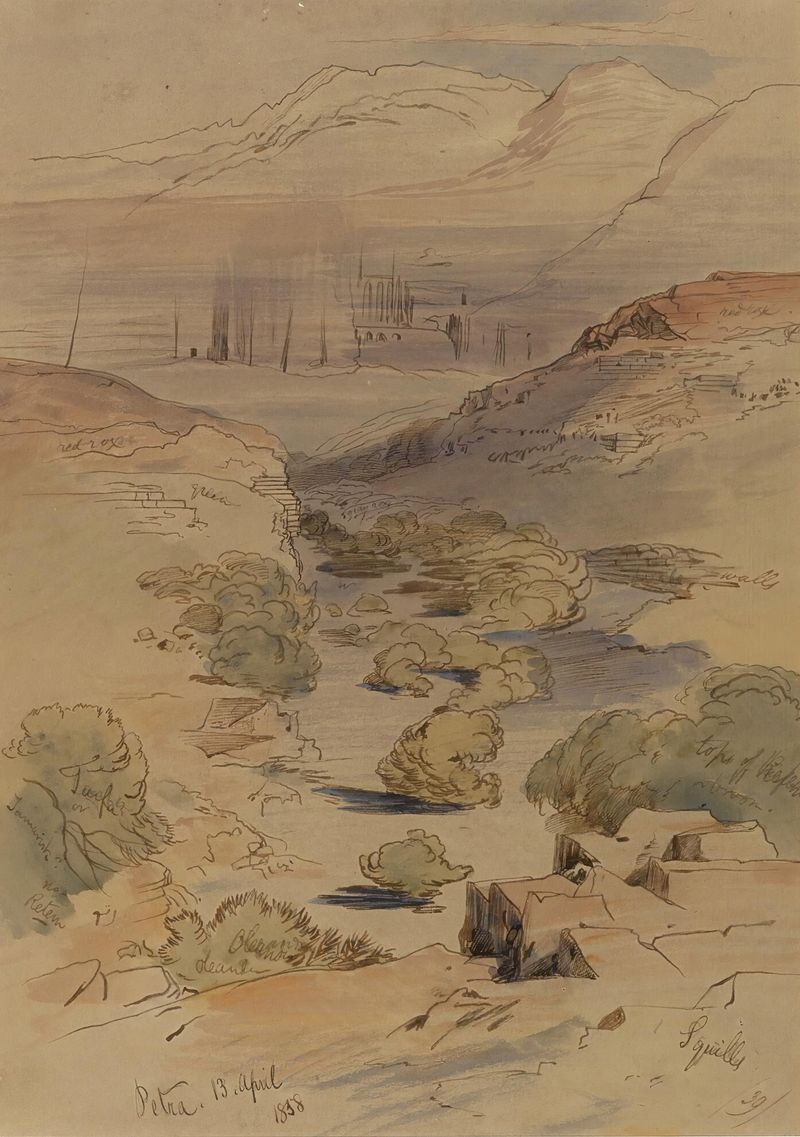
Petra
Edward Lear
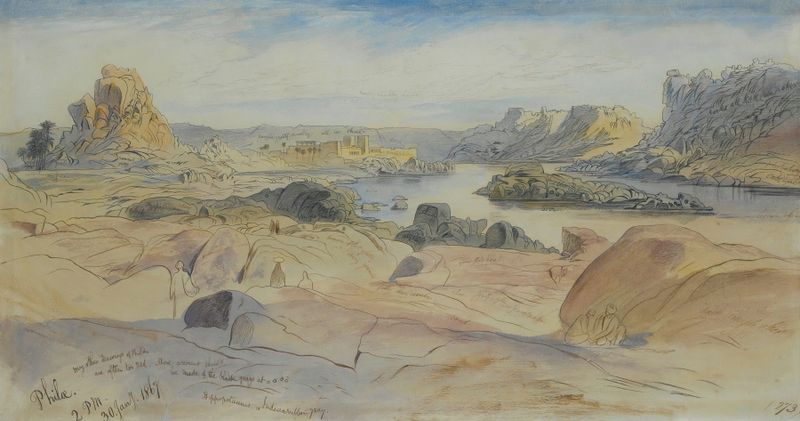
Philae, Egypt
Edward Lear
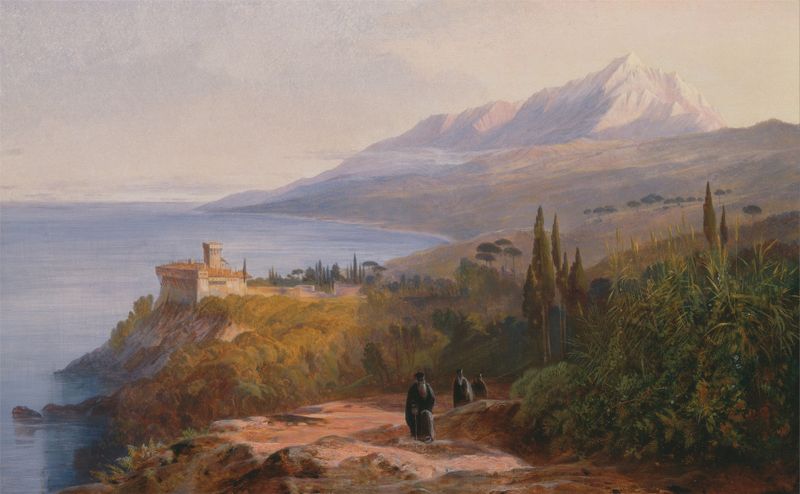
Mount Athos and the Monastery of Stavronikétes
Edward Lear
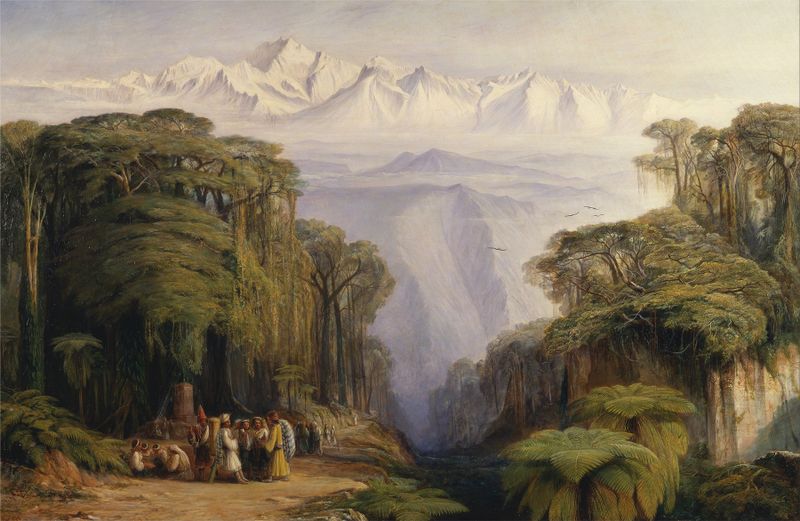
Kangchenjunga from Darjeeling
Edward Lear
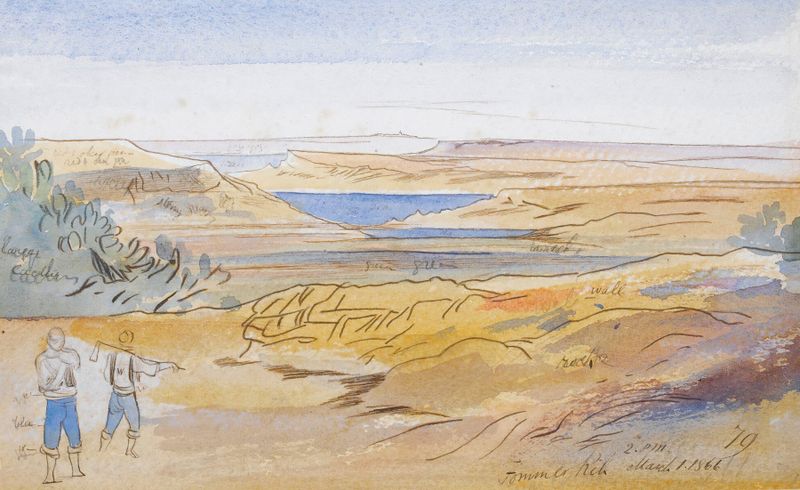
Fomm Ir-Rih, Malta
Edward Lear
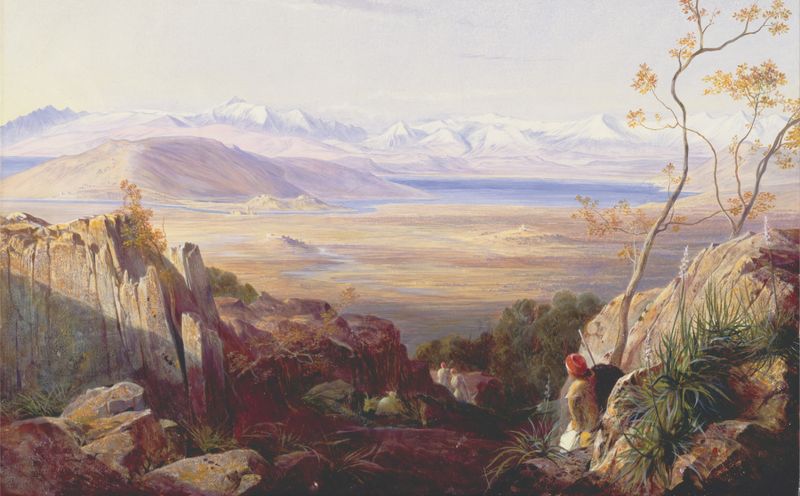
Butrinto, Albania
Edward Lear
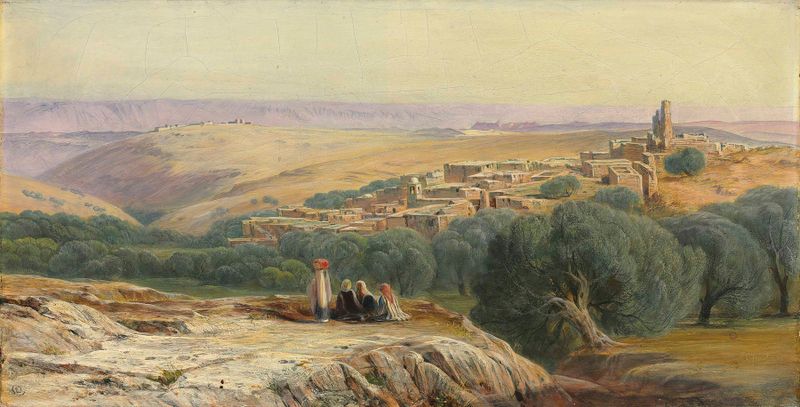
The Plains of Bethany
Edward Lear

Karnak, 9-30 pm, 22 January 1867
Edward Lear
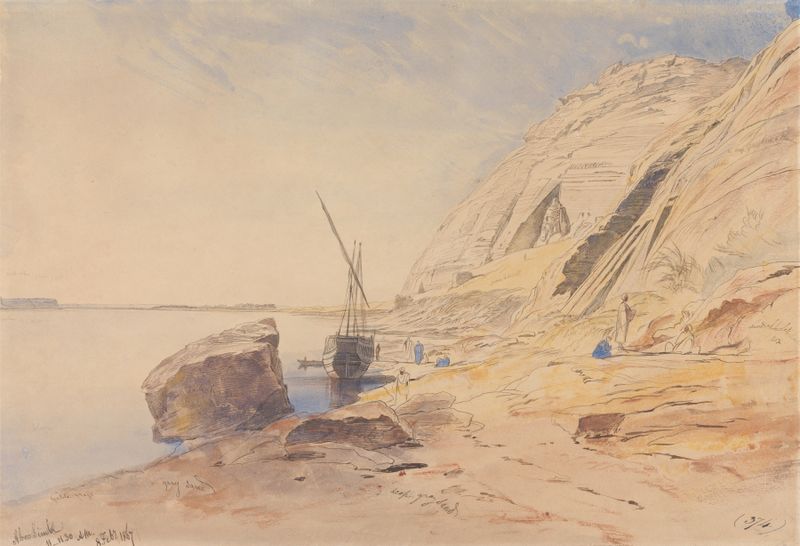
Abu Simbel, 11-11;30 am, 8 February 1867 (374)
Edward Lear

A View Of Mount Athos And The Pantokrator Monastery, Greece
Edward Lear





