
Aristoteles en Phyllis (Campaspe) — History & Facts
Desire, fraught with longing and unspoken words, dances upon the canvas, drawing the viewer into a world where passion and intellect entwine. Look to the left at the intricately detailed figure of Aristotle, his brow furrowed in deep contemplation as he gazes at the alluring Campaspe. The luminous colors of her skin contrast beautifully with the rich, muted tones of the drapery, creating an almost ethereal quality. Notice how the delicate play of light accentuates their expressions, casting a subtle glow that heightens the emotional tension between them.
Each brushstroke breathes life into their gaze, making it palpable – an invitation to witness a moment suspended in time. Yet, beneath the surface of this visual allure lies a deeper narrative of desire and power. The tension between the philosopher and the subject reflects not only the dynamics of attraction but also the historical context of male ownership over female beauty. The ornate details in their clothing signify status and intellect, hinting at the societal expectations that bind them.
The viewer is left to ponder the implications of their connection: Is it admiration, possession, or something more profound that lingers in the air? Created in 1545-1546 during the height of the Renaissance in Nuremberg, the artist captured this scene as the interest in classical philosophy surged. Pencz, influenced by the humanistic ideals of the time, sought to explore the interplay of intellect and desire, reflecting both his personal experiences and the zeitgeist of an era that revered beauty while grappling with the complexities of emotion and power dynamics.
More Artworks by Georg Pencz
Browse all →
Parabel van de zaaier
Georg Pencz

Parabel van de arbeiders in de wijngaard
Georg Pencz
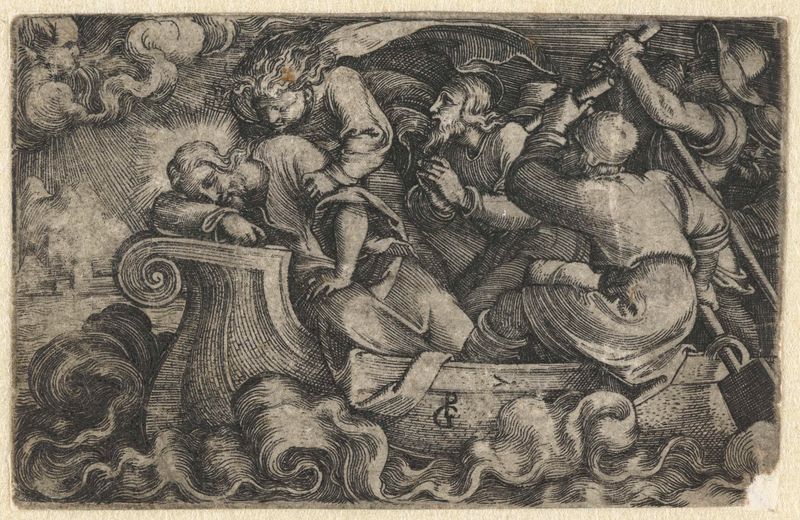
Discipelen wekken slapende Christus tijdens storm op Meer van Galilea
Georg Pencz

Afgunst (Invidia)
Georg Pencz
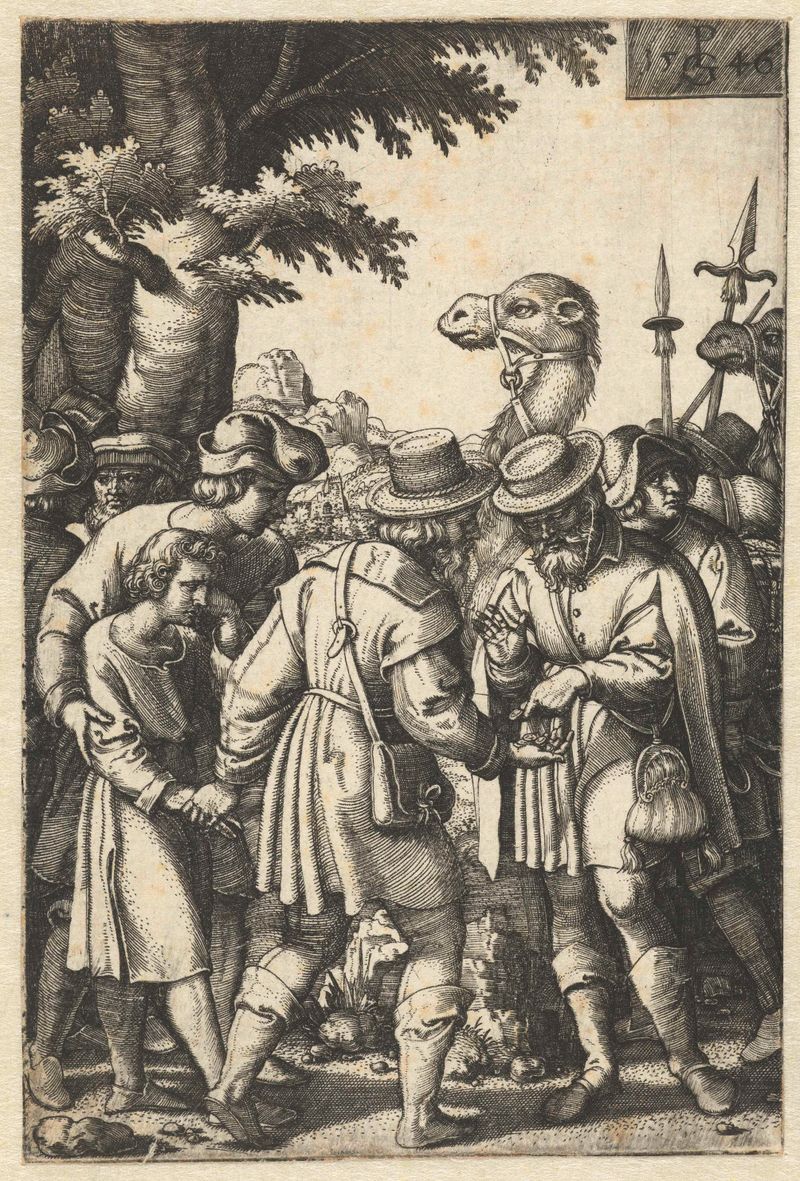
Jozef wordt verkocht aan kooplieden op weg naar Egypte
Georg Pencz

Aanbidding der koningen
Georg Pencz
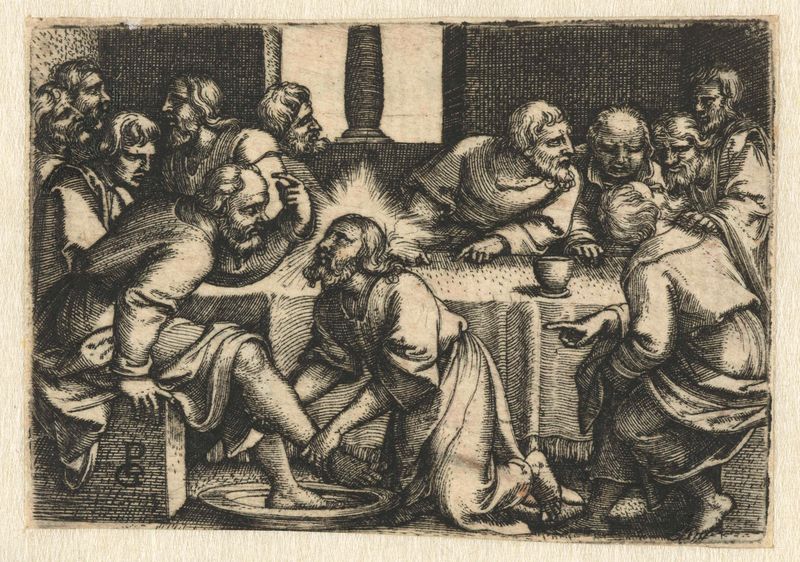
Petrus protesteert als Christus zijn voeten wast
Georg Pencz
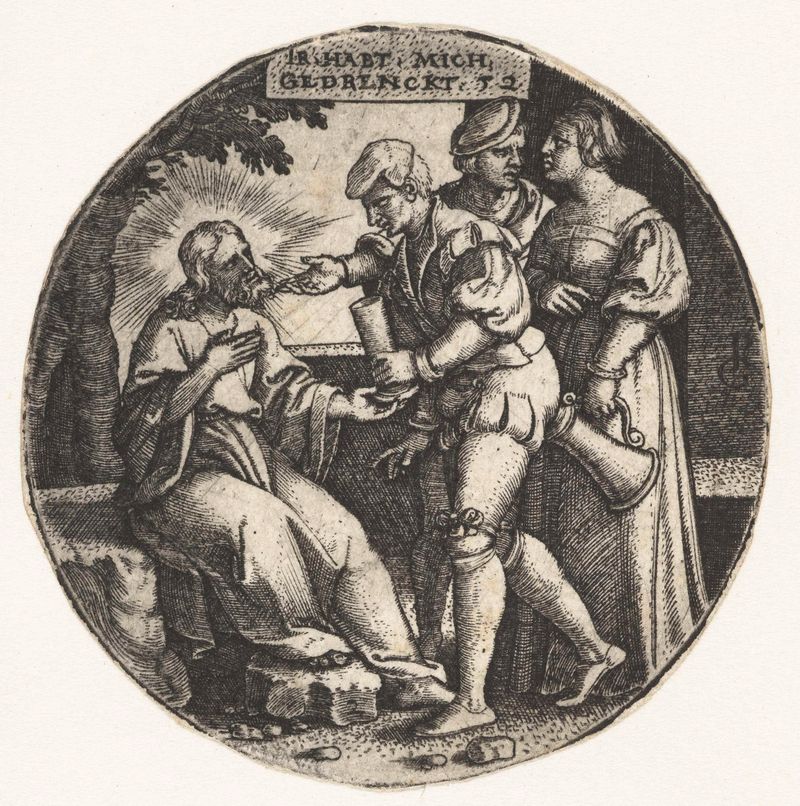
Christus heeft dorst en krijgt drinken aangeboden
Georg Pencz
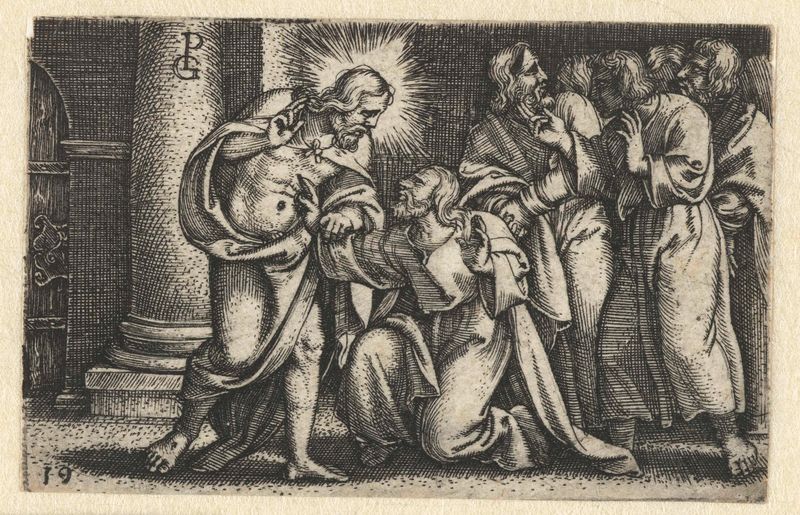
Ongelovige Thomas raakt wonden Christus aan
Georg Pencz

Offer van Abraham van Isaak
Georg Pencz





