
Ark van het verbond en voorwerpen uit de tabernakel — History & Facts
What if beauty was never meant to be finished? This poignant reflection lingers in the ethereal aura of Holbein's work, inviting viewers to contemplate the transient nature of both art and existence. Focus first on the centerpiece of the composition: the Ark of the Covenant, gleaming with an almost ethereal light against a dark backdrop. The meticulous detail of the gold and the intricate craftsmanship of the objects surrounding it reveal not only technical mastery but also a deep reverence for the sacred. Notice how the shadows play upon the surfaces, creating an atmosphere thick with anticipation and solemnity, as if history itself holds its breath around the holy items. Yet, within this reverence lies a subtle tension.
The richness of the gold evokes a sense of longing and loss, while the somber colors surrounding it conjure feelings of melancholy. Each object, from the ritual tools to the ornate decorations, speaks of a once-vibrant life now encased in stillness, suggesting that beauty and purpose may fade into memory. This contrast between the shimmering luster of the materials and the heavy silence of their context draws the viewer into a deeper contemplation about the impermanence of sacredness. In 1538, Holbein created this artwork during a period of significant artistic exploration and religious upheaval in Europe.
Working in Basel, he was deeply influenced by both the Reformation and the humanist ideals of the time. This piece reflects the tension of his surroundings, embodying the intersection of devotion and the emerging questioning of traditional beliefs, marking a moment in which beauty wrestles with the weight of historical narrative and spiritual significance.
More Artworks by Hans Holbein (II)
Browse all →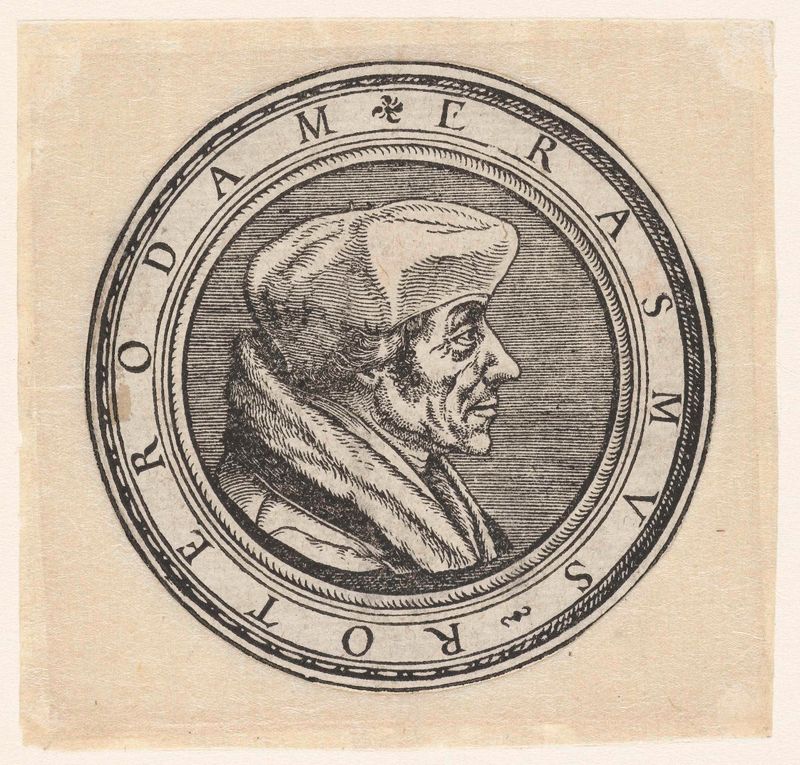
Portret van Erasmus
Hans Holbein (II)
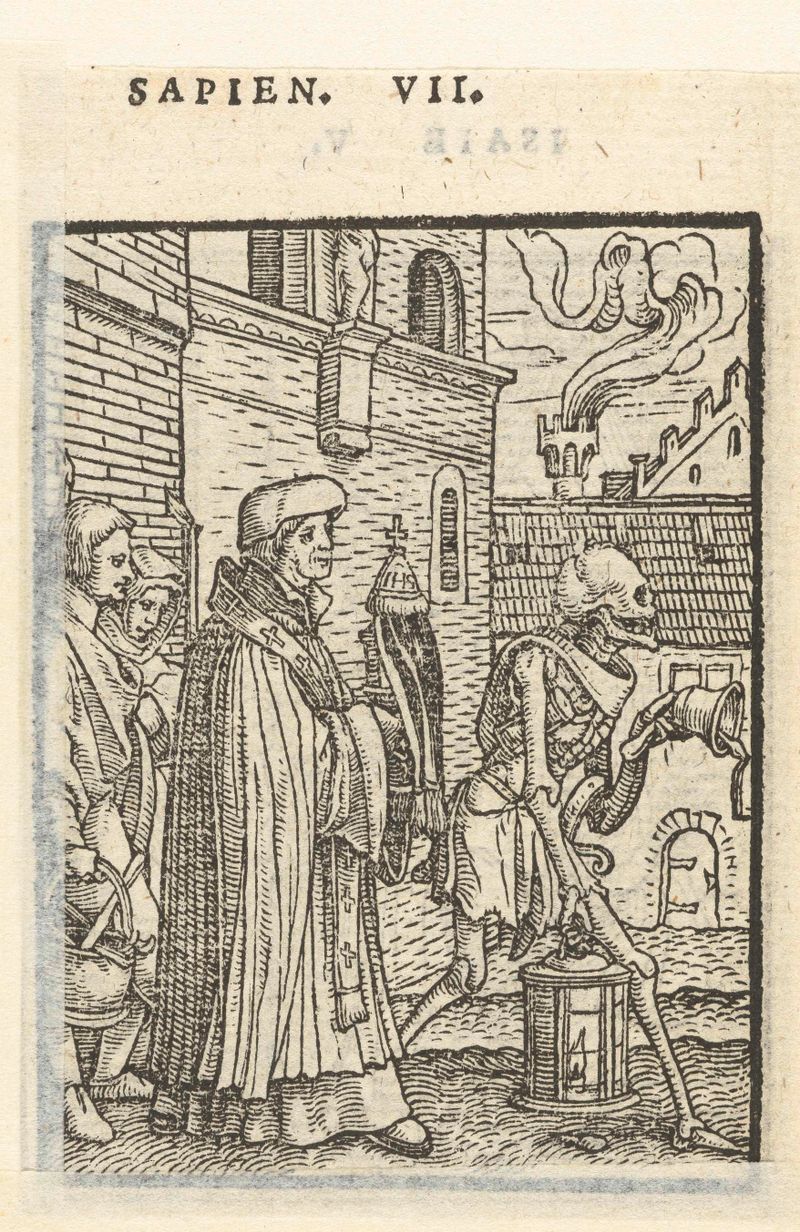
Priester en de Dood
Hans Holbein (II)
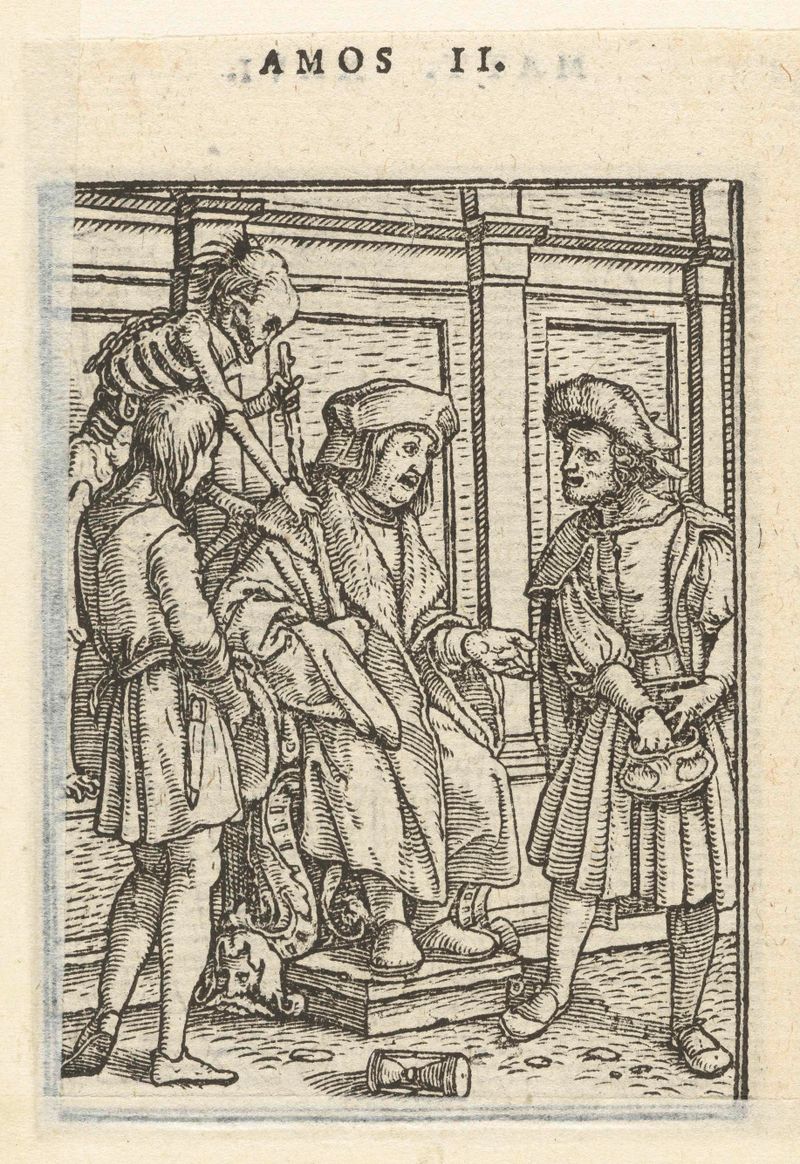
Rechter en de Dood
Hans Holbein (II)
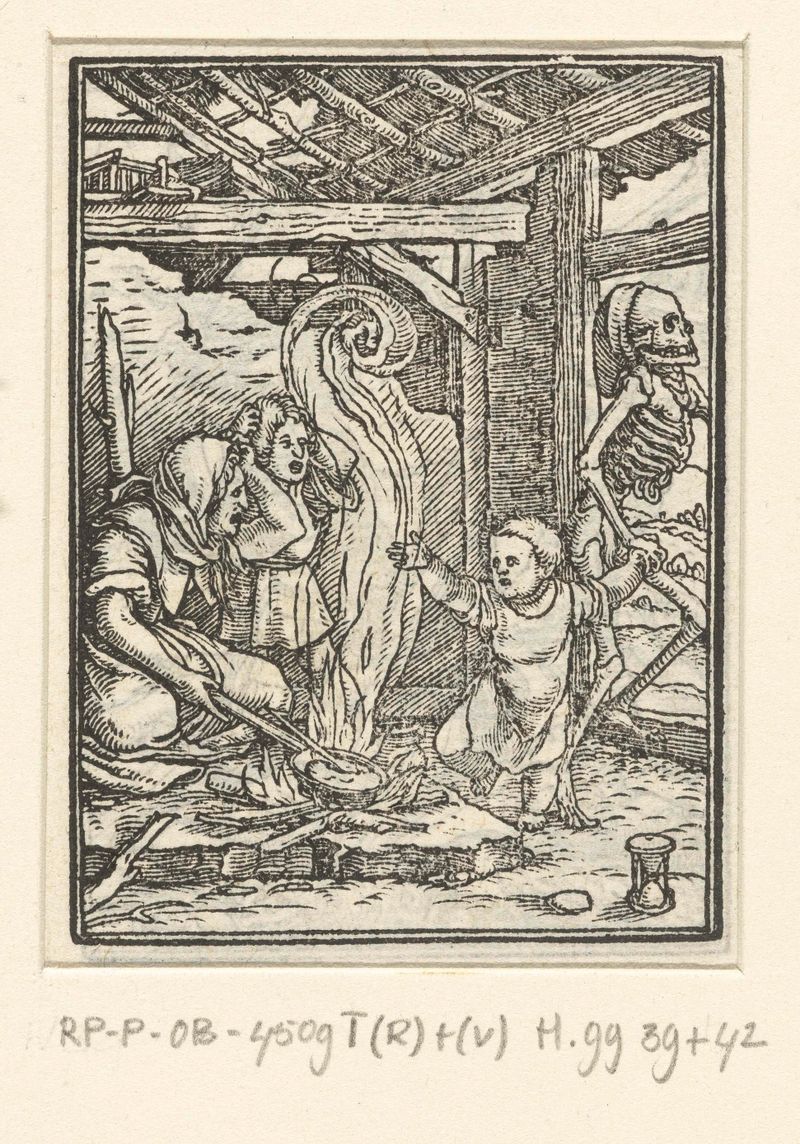
Kind en de Dood
Hans Holbein (II)
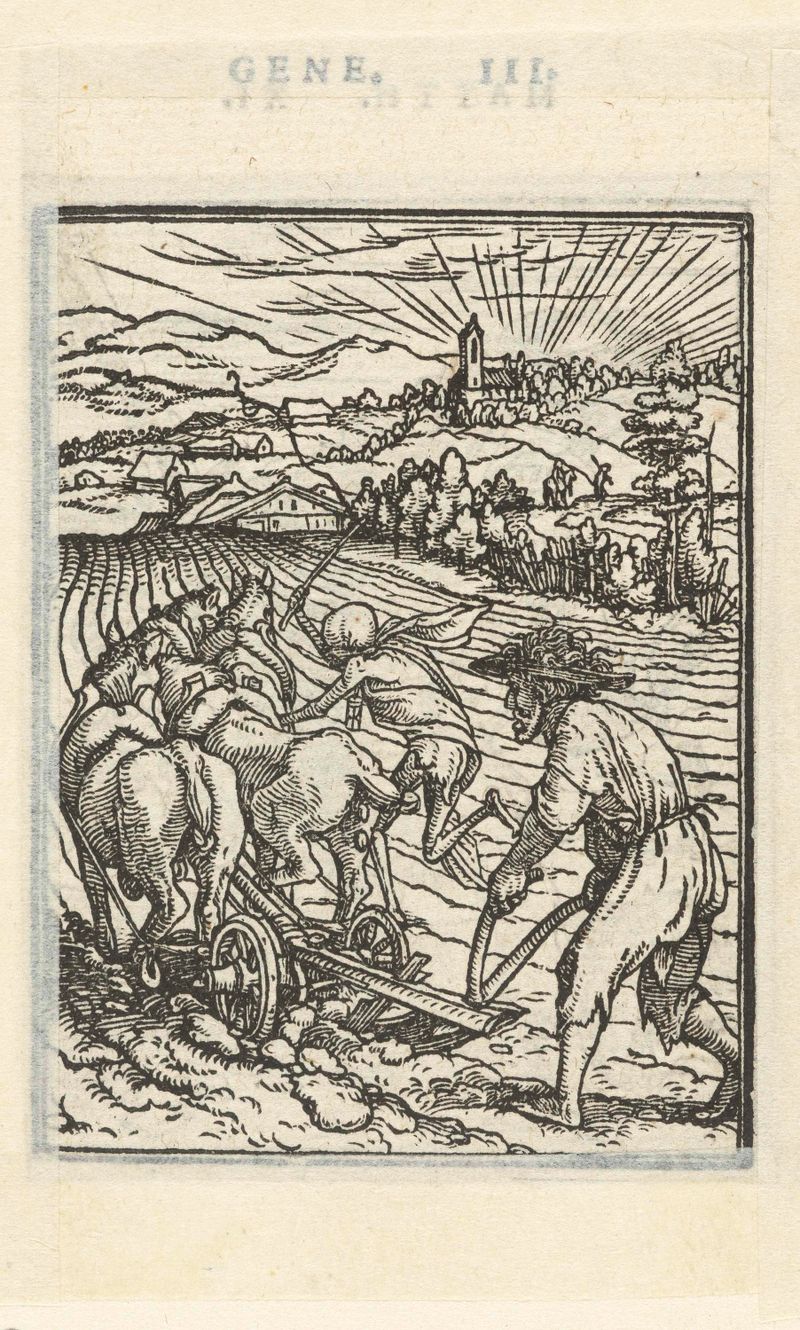
Boer en de Dood
Hans Holbein (II)
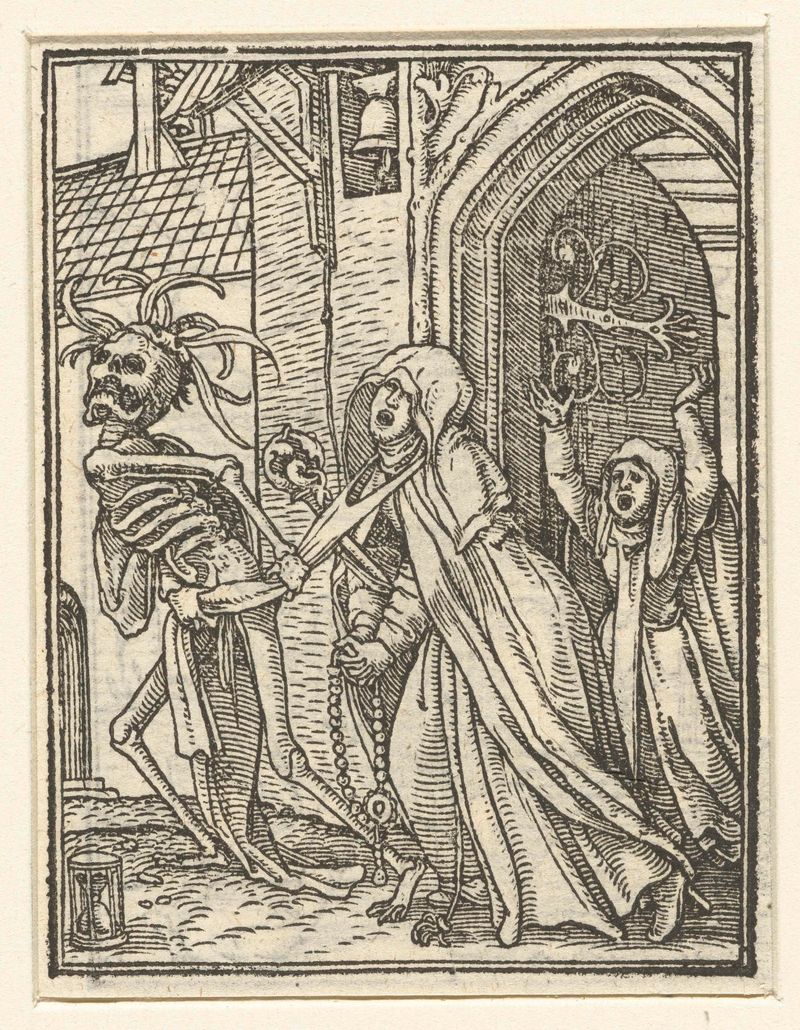
Abdis en de Dood
Hans Holbein (II)
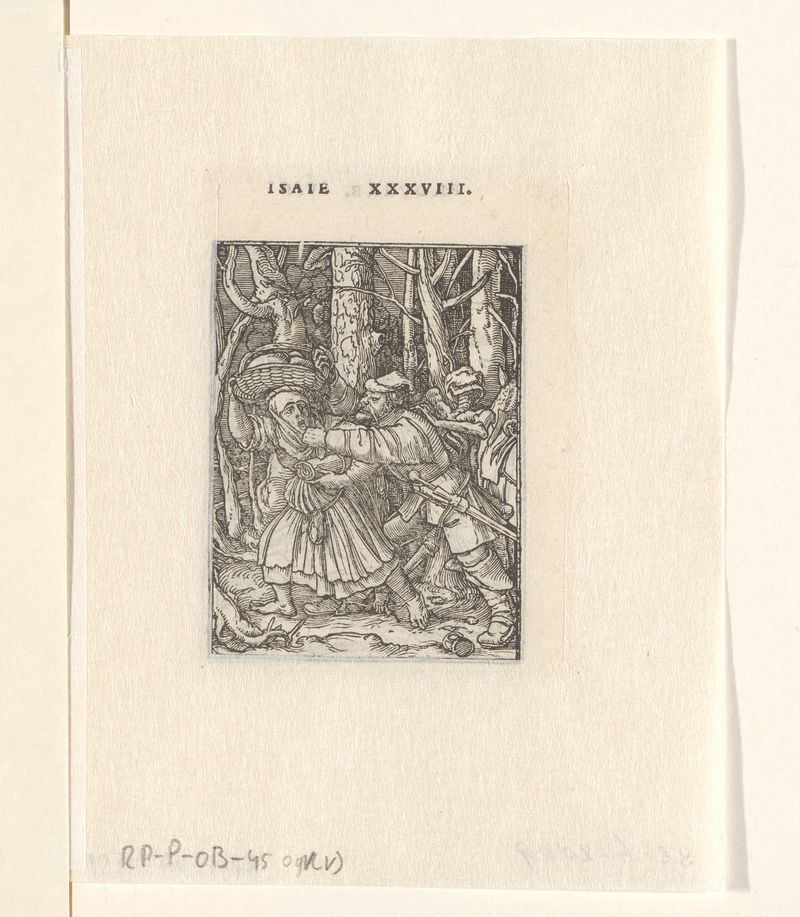
Dief en de Dood
Hans Holbein (II)
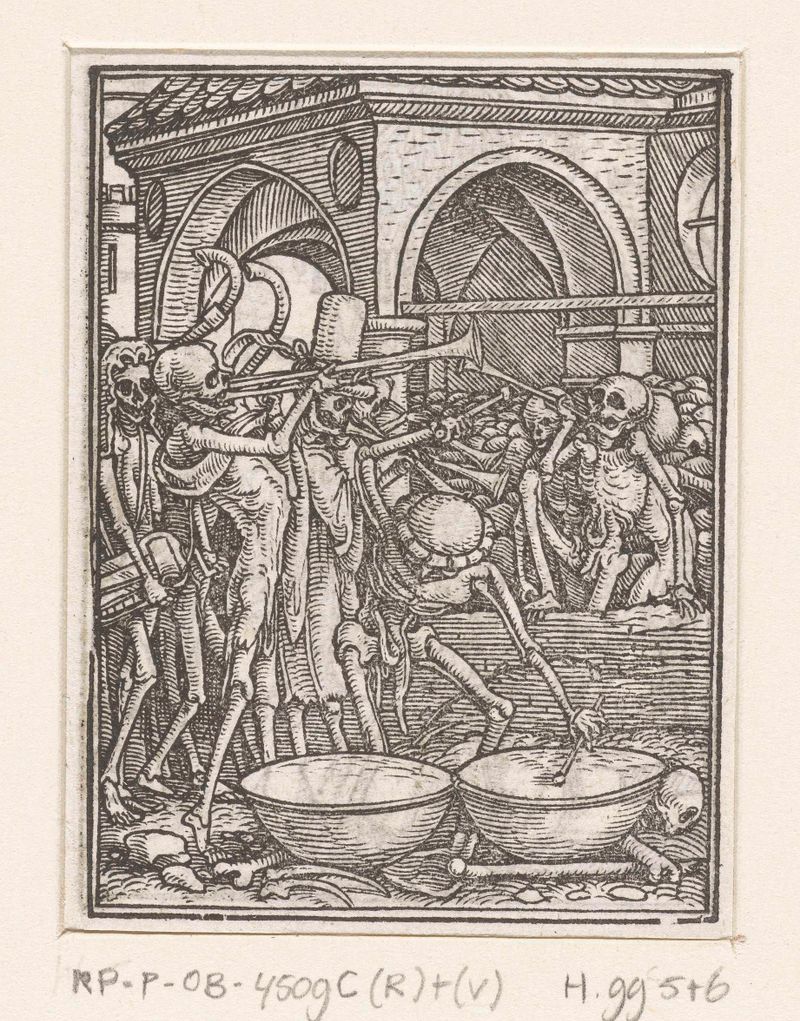
Skeletons Making Music from Dance of the Dead
Hans Holbein (II)
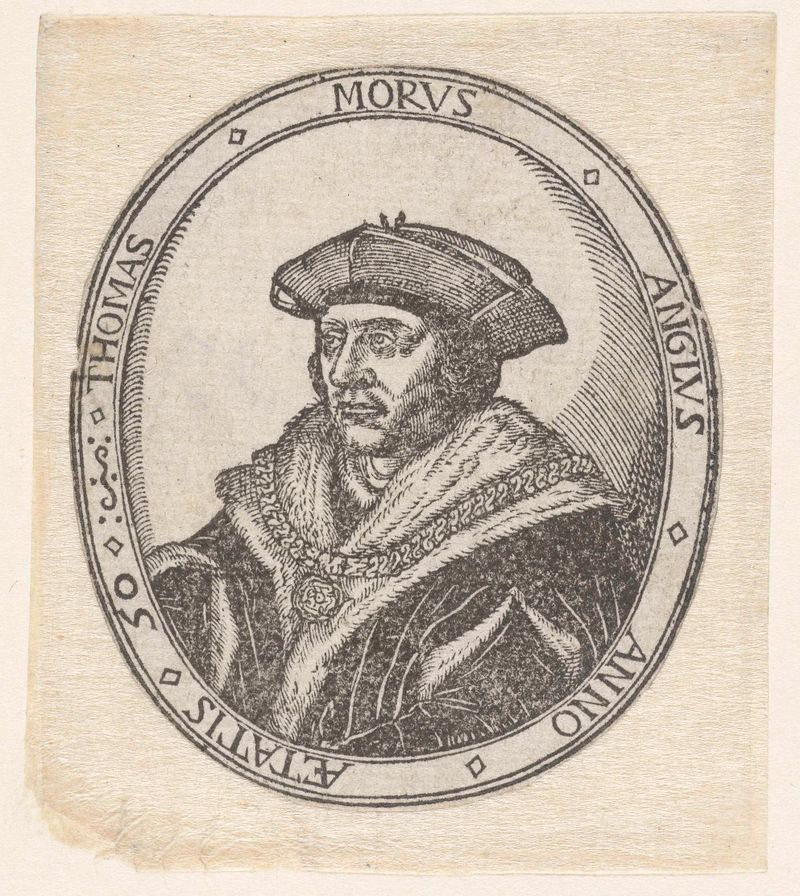
Portret van Thomas More
Hans Holbein (II)
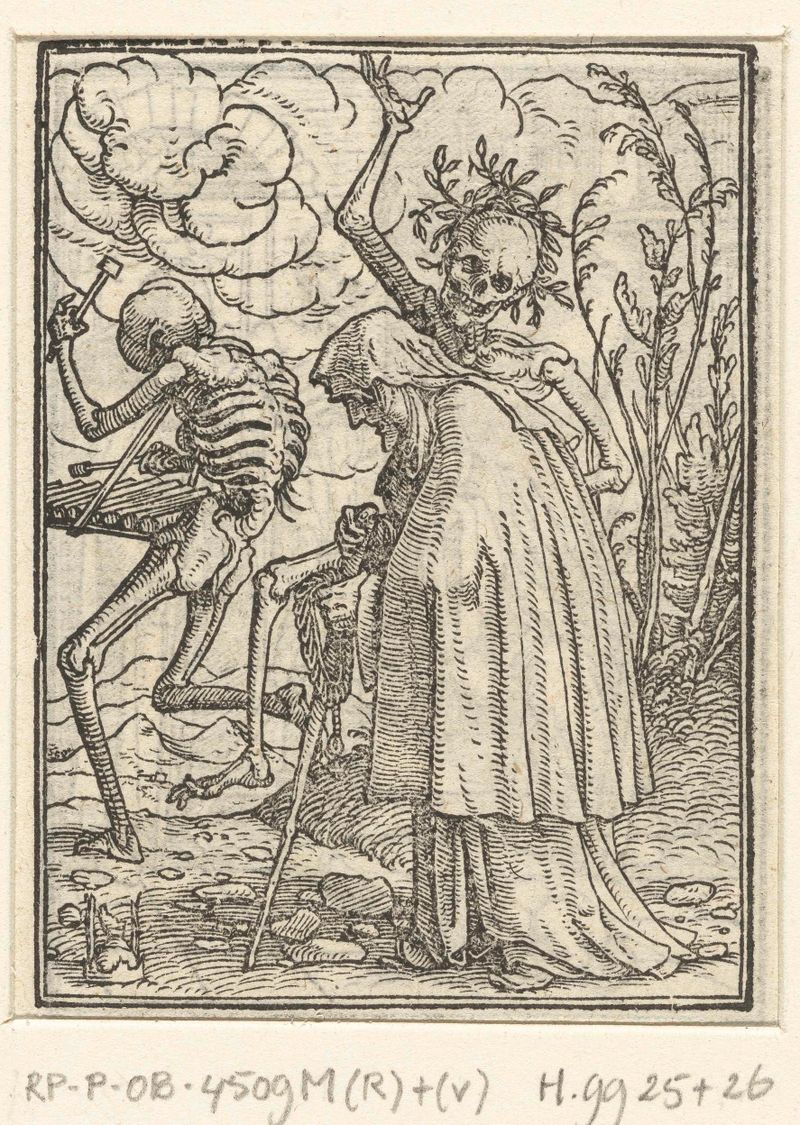
Oude vrouw en de Dood
Hans Holbein (II)
More Religious Art
Browse all →
The Return of the Prodigal Son
Rembrandt van Rijn

The Garden of Earthly Delights
El Bosco

Count Orgaz’ funeral
El Greco

The Hundred Guilder Print: the central piece with Christ preaching, the plate arched
Rembrandt van Rijn

The Descent from the Cross
Rogier van der Weyden

The return of the prodigal son
Rembrandt van Rijn