
Ark van Noach — History & Facts
Where does light end, and longing begin? In the intricate tapestry of Ark van Noach, the divine and the mortal intertwine, inviting us to ponder the depths of human experience. Look to the center of the composition, where vibrant blues and golden hues converge in a radiant ark, a sanctuary illuminating the surrounding chaos. The careful juxtaposition of figures and animals creates a pulse of life; notice how the meticulous brushwork captures both the realism of their forms and the ethereal glow that surrounds them. Holbein’s use of color reflects a deliberate contrast between the serene beauty of the ark and the tempestuous shadows at its periphery, drawing the viewer inward to a world of refuge. Yet beneath the surface of this serene scene lies an undercurrent of tension.
The figures' expressions oscillate between hope and despair, embodying the duality of faith and fear. The ark serves as a metaphor for salvation, while the encroaching darkness hints at the fragility of existence; it reminds us that even in moments of divine protection, the shadow of uncertainty looms ever close. This interplay between light and darkness evokes a longing for security amid the tumult of life. In 1538, Hans Holbein (II) created this work during a period of profound change in Europe, marked by the Reformation and the questioning of traditional faith.
Living in Basel at the time, Holbein embraced the emerging humanist ideals, marrying spirituality with a burgeoning appreciation for the physical world. His meticulous craftsmanship and attention to detail reflect the era’s artistic innovations while echoing the timeless quest for divine connection and understanding.
More Artworks by Hans Holbein (II)
Browse all →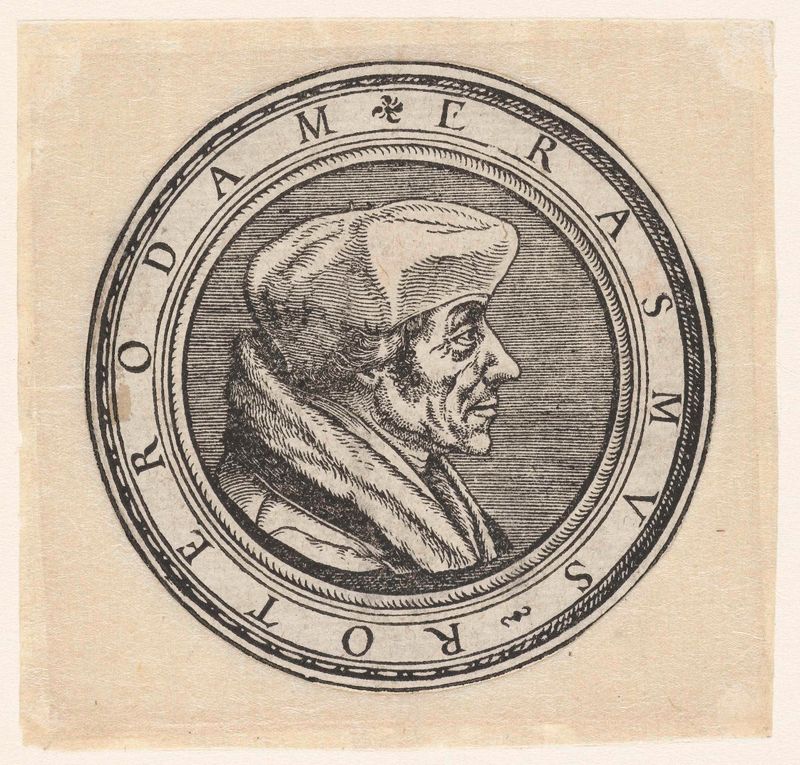
Portret van Erasmus
Hans Holbein (II)
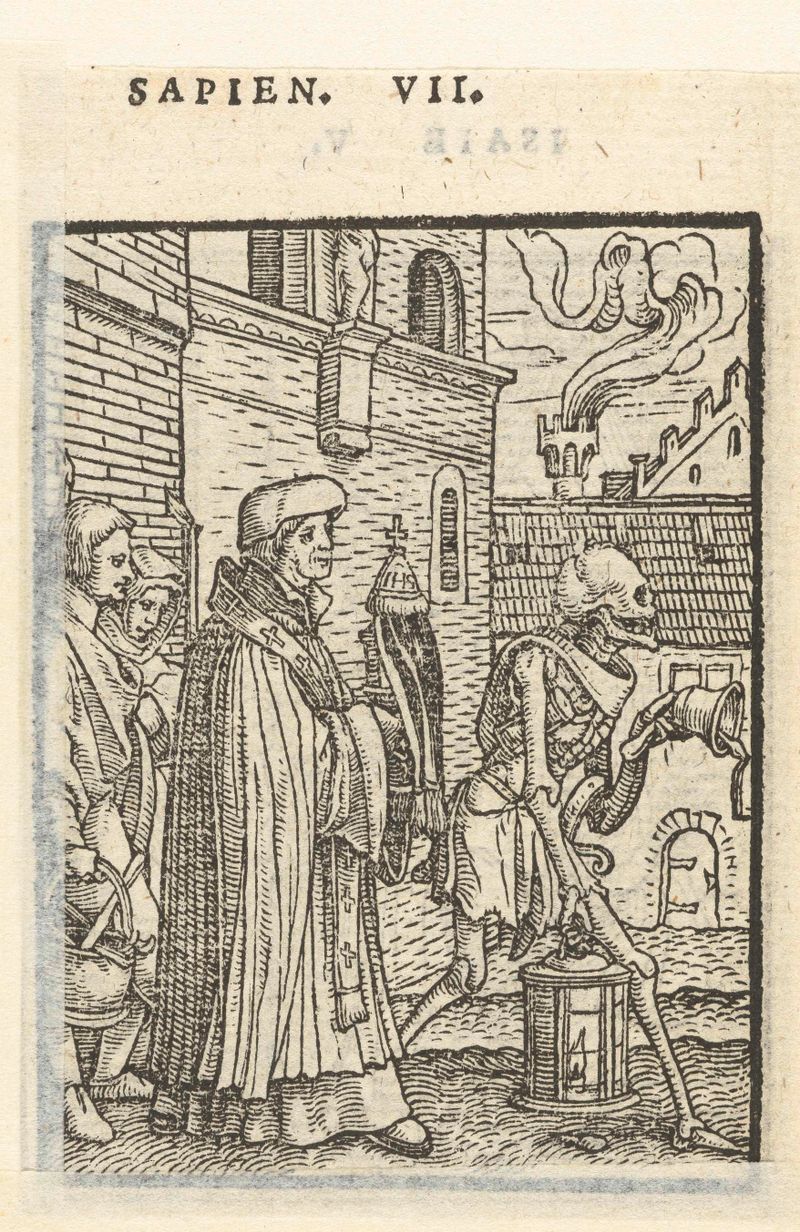
Priester en de Dood
Hans Holbein (II)
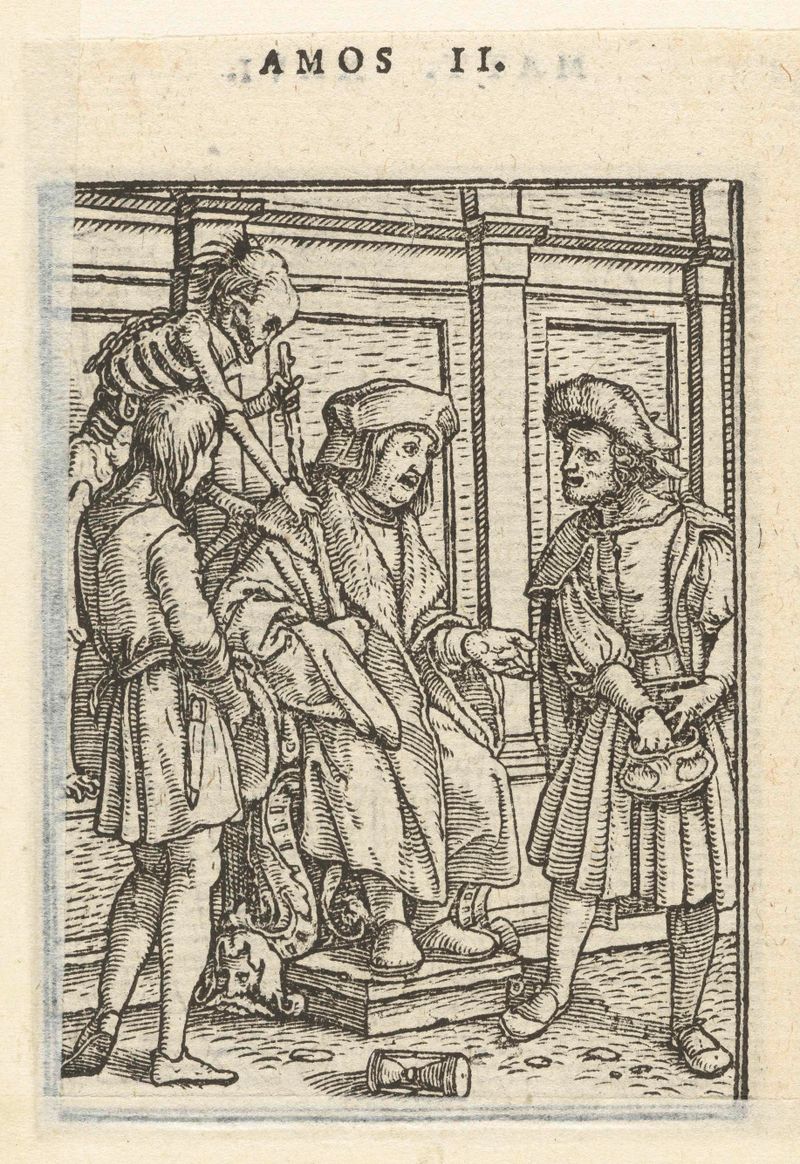
Rechter en de Dood
Hans Holbein (II)
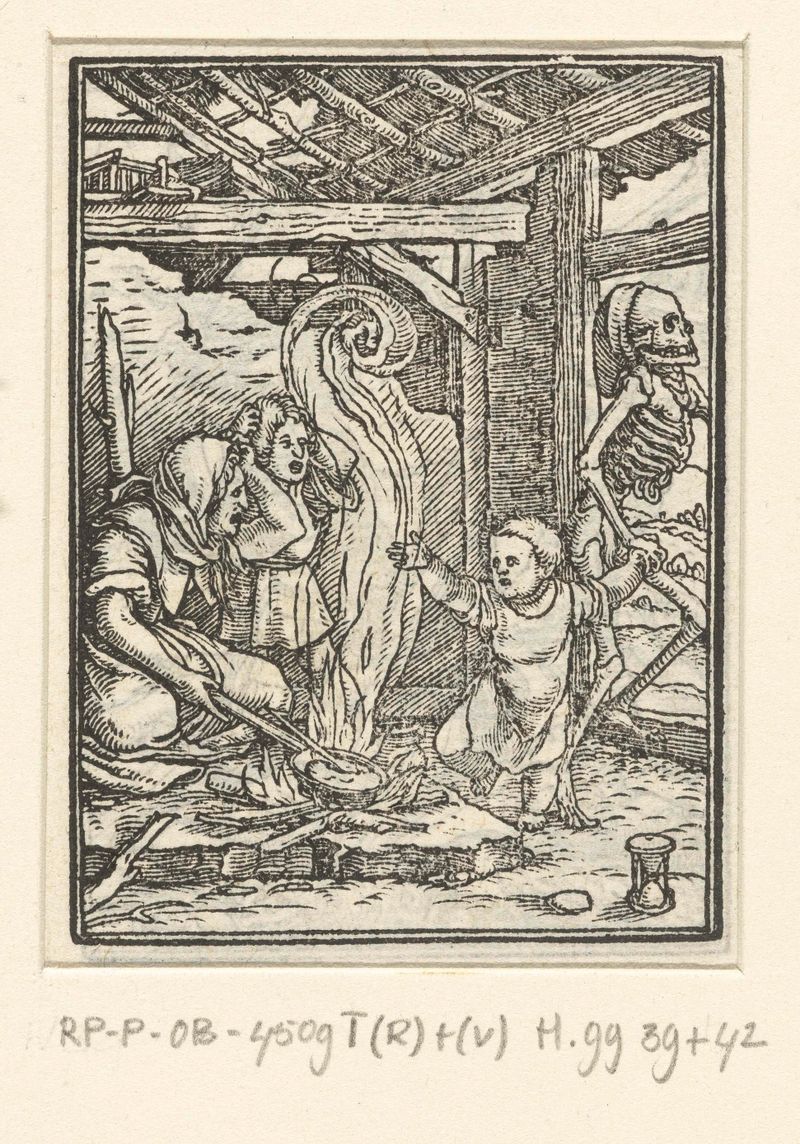
Kind en de Dood
Hans Holbein (II)
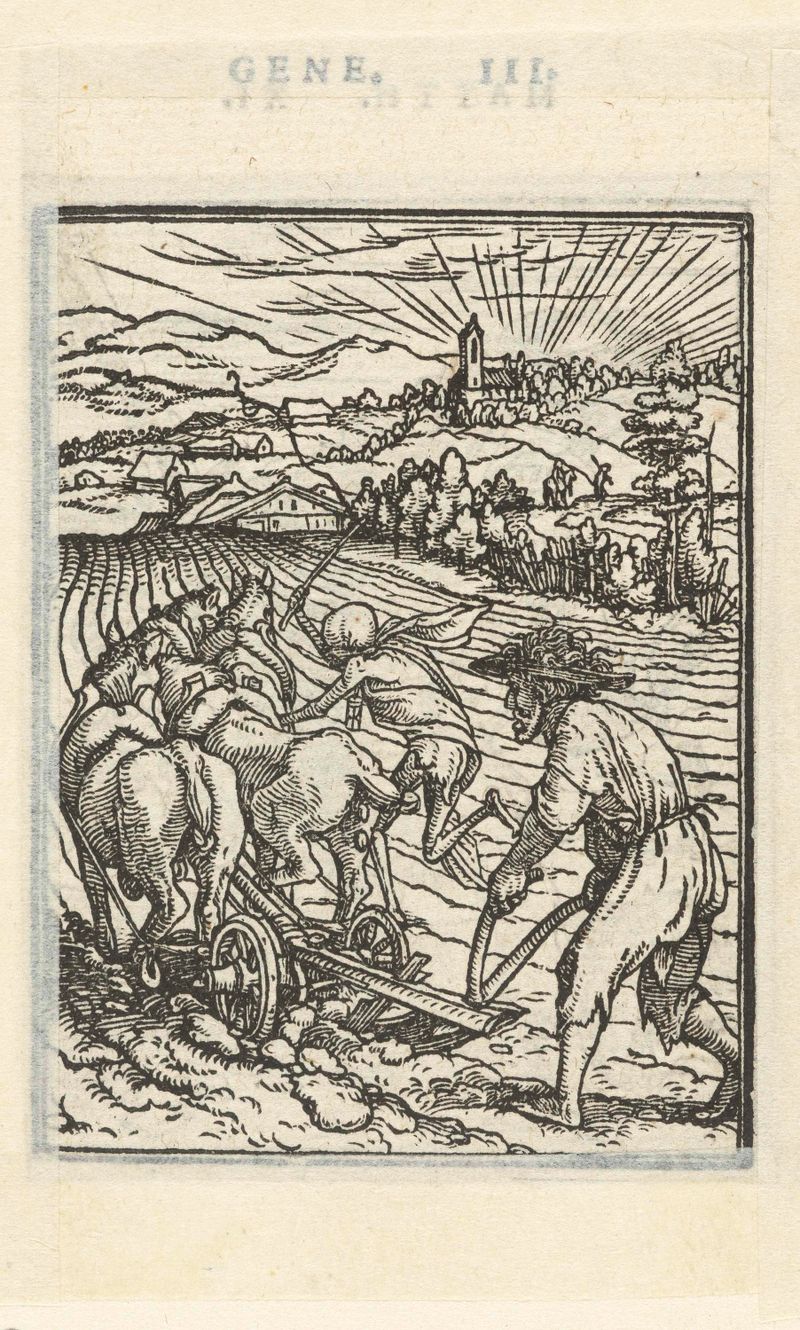
Boer en de Dood
Hans Holbein (II)
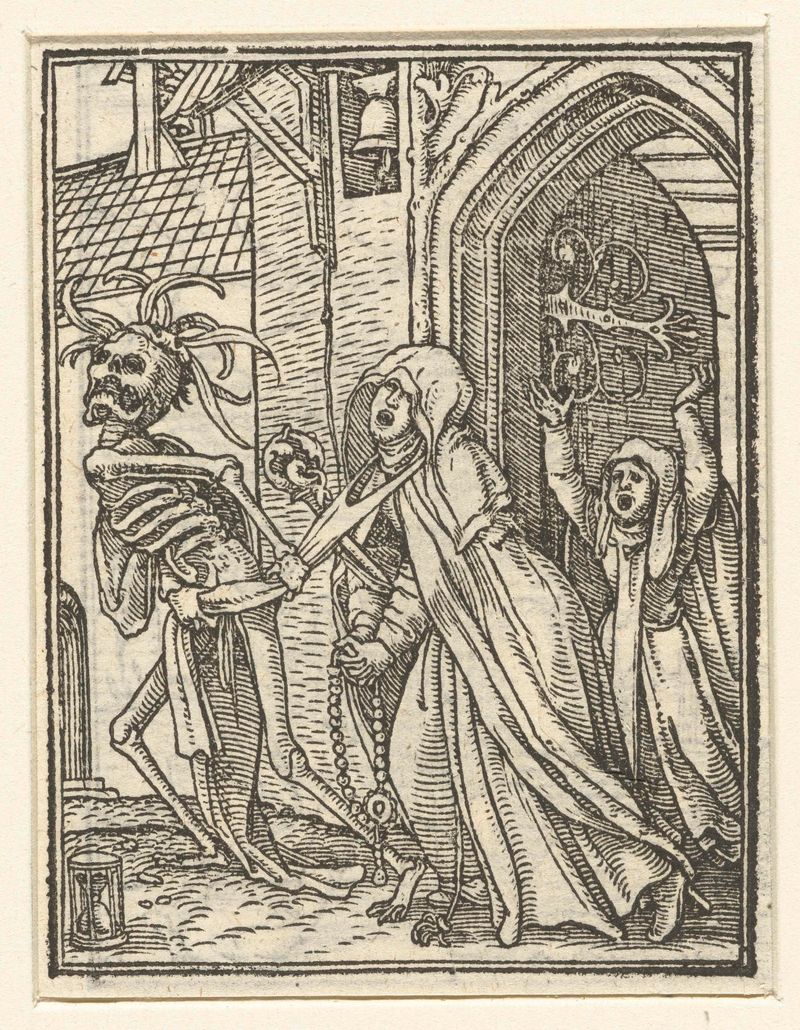
Abdis en de Dood
Hans Holbein (II)
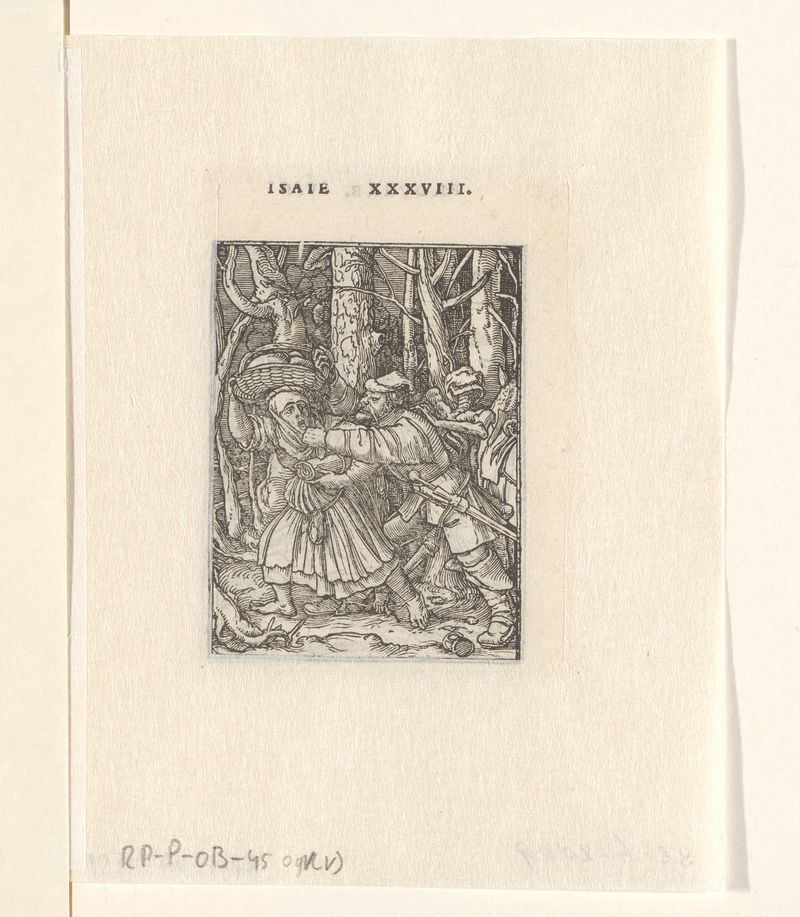
Dief en de Dood
Hans Holbein (II)
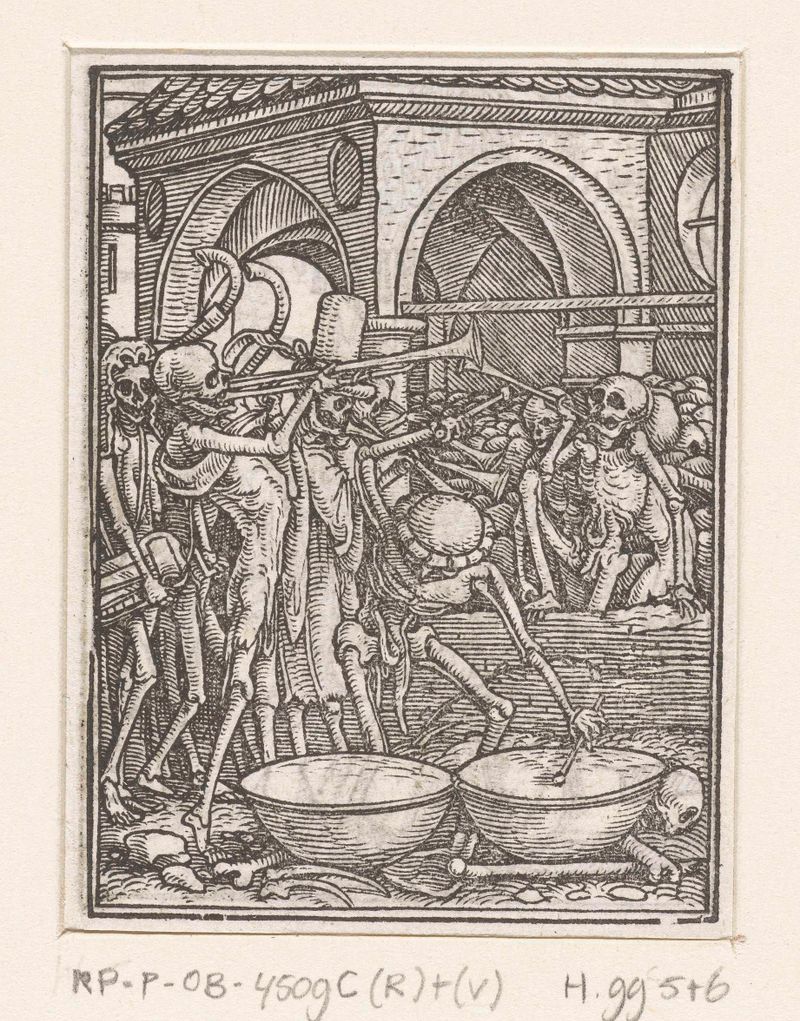
Skeletons Making Music from Dance of the Dead
Hans Holbein (II)
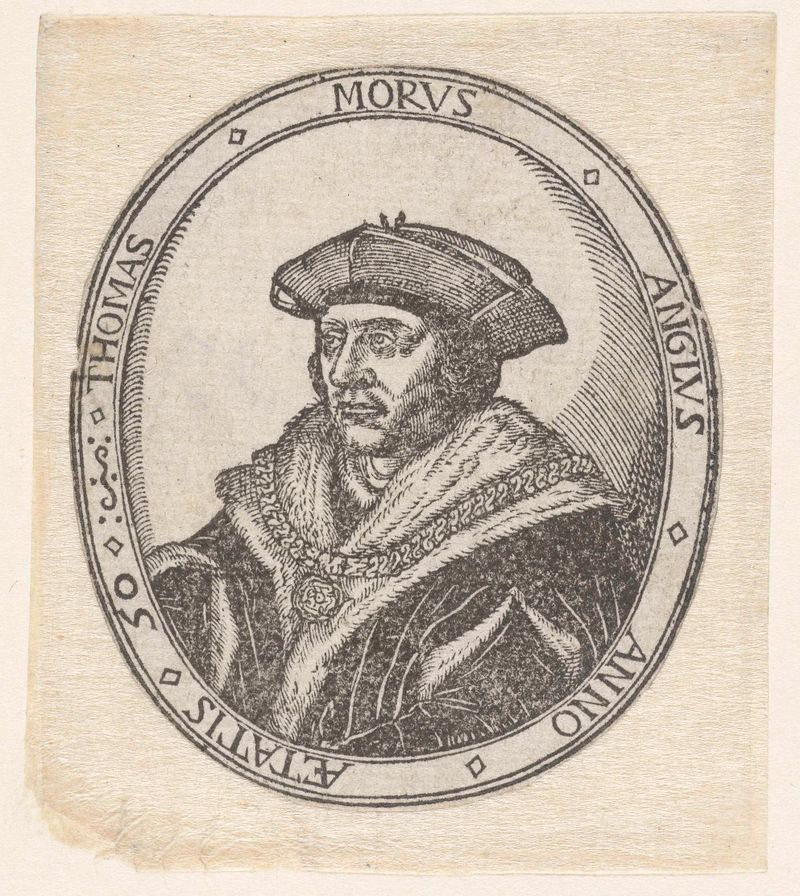
Portret van Thomas More
Hans Holbein (II)
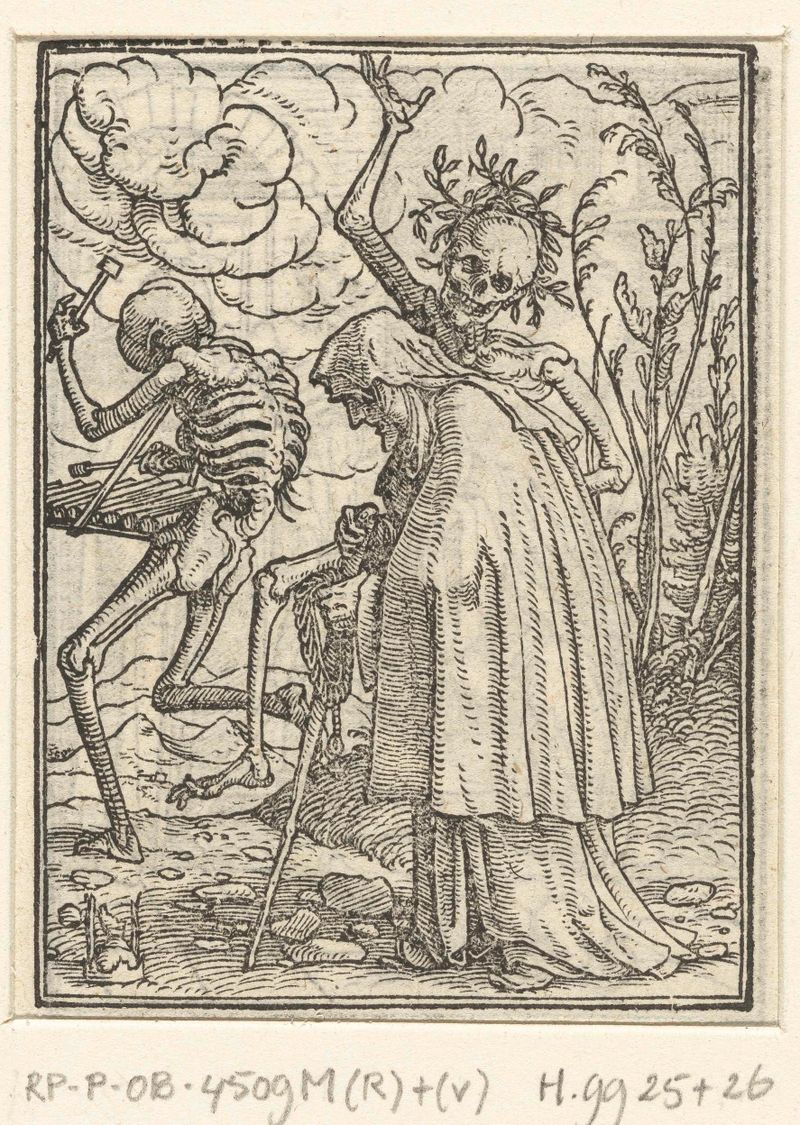
Oude vrouw en de Dood
Hans Holbein (II)
More Religious Art
Browse all →
The Return of the Prodigal Son
Rembrandt van Rijn

The Garden of Earthly Delights
El Bosco

Count Orgaz’ funeral
El Greco

The Hundred Guilder Print: the central piece with Christ preaching, the plate arched
Rembrandt van Rijn

The Descent from the Cross
Rogier van der Weyden

The return of the prodigal son
Rembrandt van Rijn