
Armand Bertin — History & Facts
In Armand Bertin, Jean Auguste Dominique Ingres presents a striking portrait of a man dressed in formal attire. The color palette is dominated by deep blues and rich browns, which contrast with the lighter tones of the subject's skin. The background is a muted, dark hue that emphasizes the figure, drawing the viewer's attention to Bertin's expression.
His gaze is direct and confident, suggesting a sense of authority and presence. The painting is executed in oil on canvas, a common medium for portraits in the early 19th century. Ingres' technique is characterized by smooth brushwork and meticulous detail, particularly in the rendering of fabrics and facial features. The dimensions of the work are approximately 65 x 81 cm, allowing for a life-sized representation of the subject.
This scale enhances the intimacy of the portrait, inviting viewers to engage with Bertin's character. Jean Auguste Dominique Ingres was a prominent figure in the Neoclassical movement, known for his precise and idealized forms. This portrait of Armand Bertin, painted around 1810, reflects Ingres' commitment to capturing the essence of his subjects. Interestingly, Bertin was a close friend of Ingres and a significant figure in the art world, serving as a patron and supporter of the artist's work.
The painting not only showcases Ingres' skill but also highlights the importance of personal connections in the art community.
More Artworks by Jean Auguste Dominique Ingres
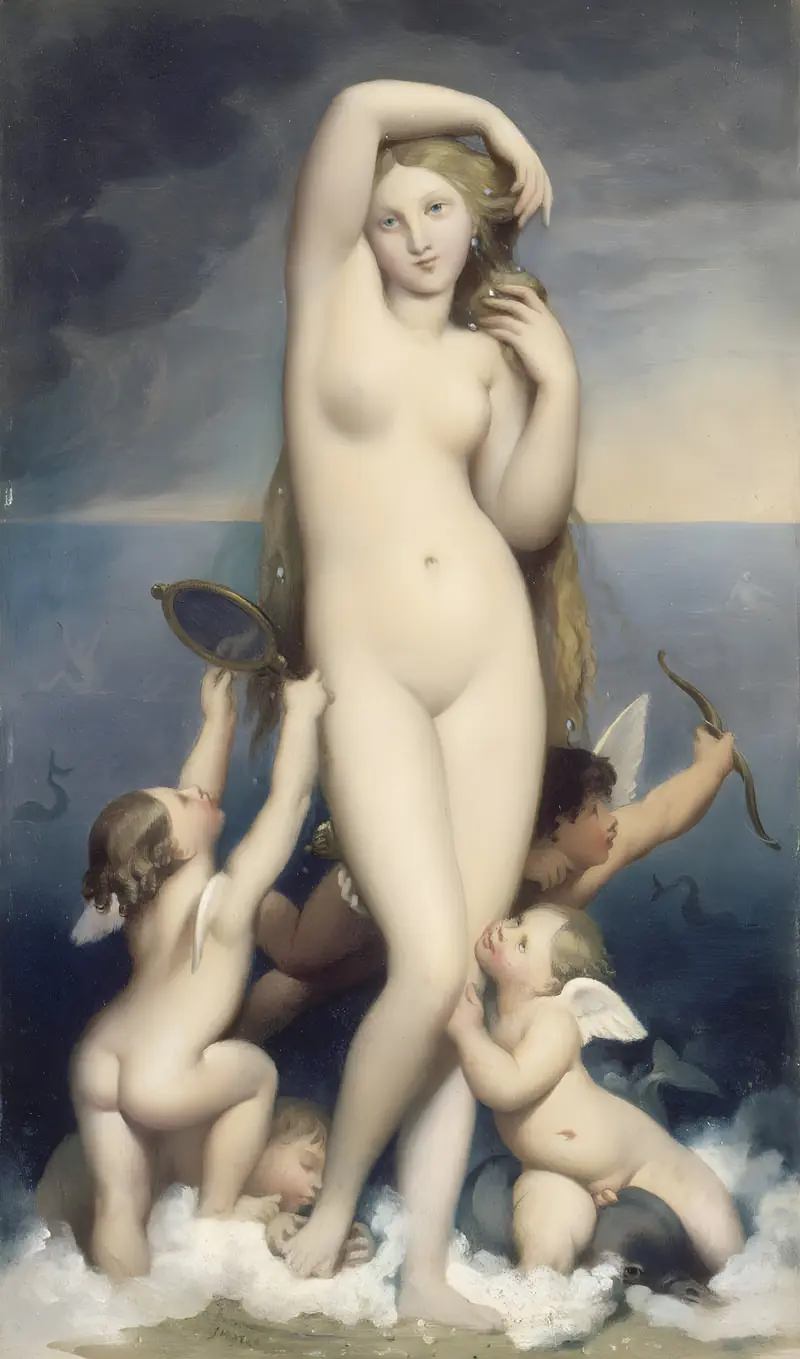
Vénus anadyomène
Jean Auguste Dominique Ingres
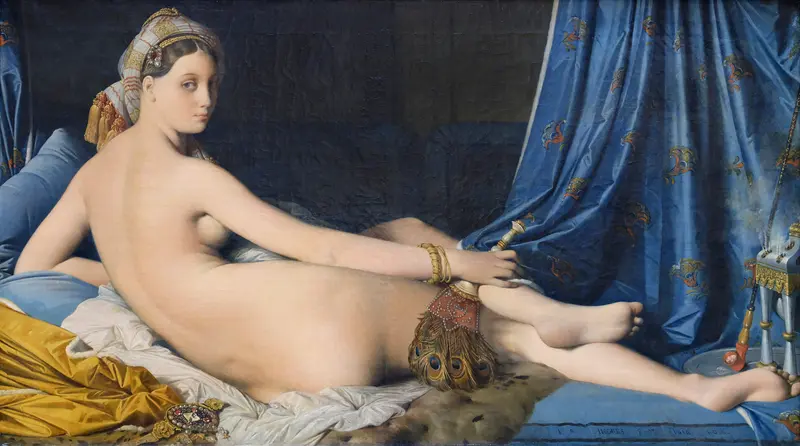
Grande Odalisque
Jean Auguste Dominique Ingres
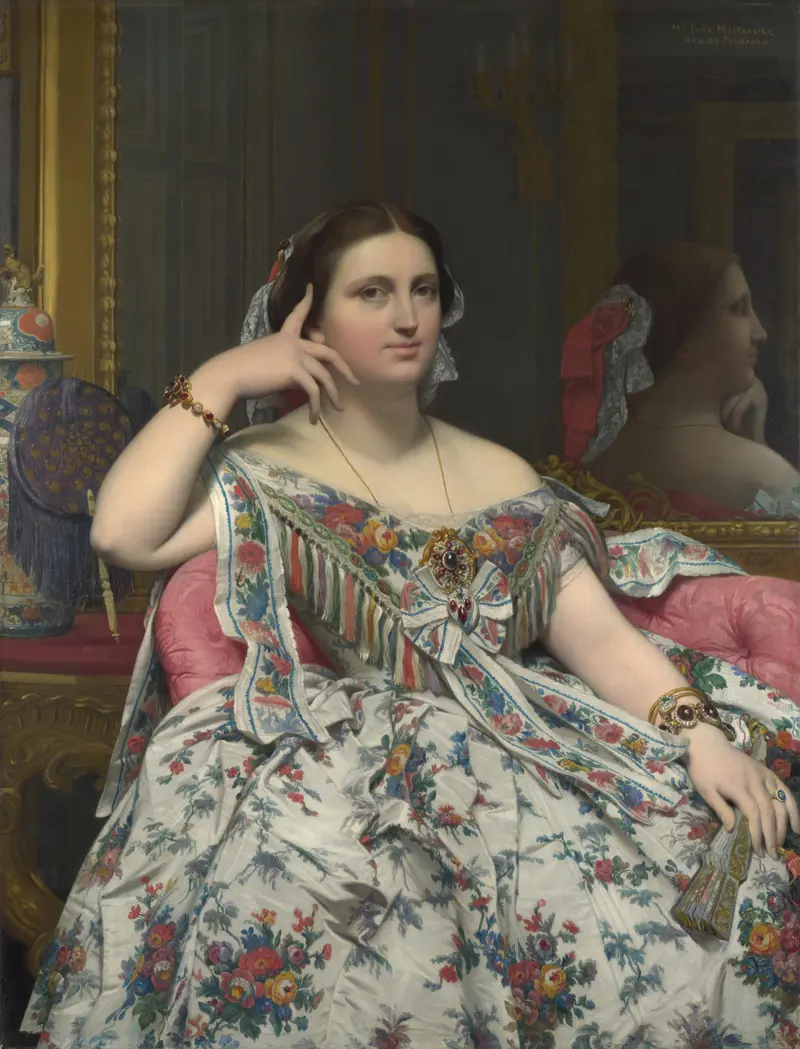
Madame Moitessier (seated)
Jean Auguste Dominique Ingres
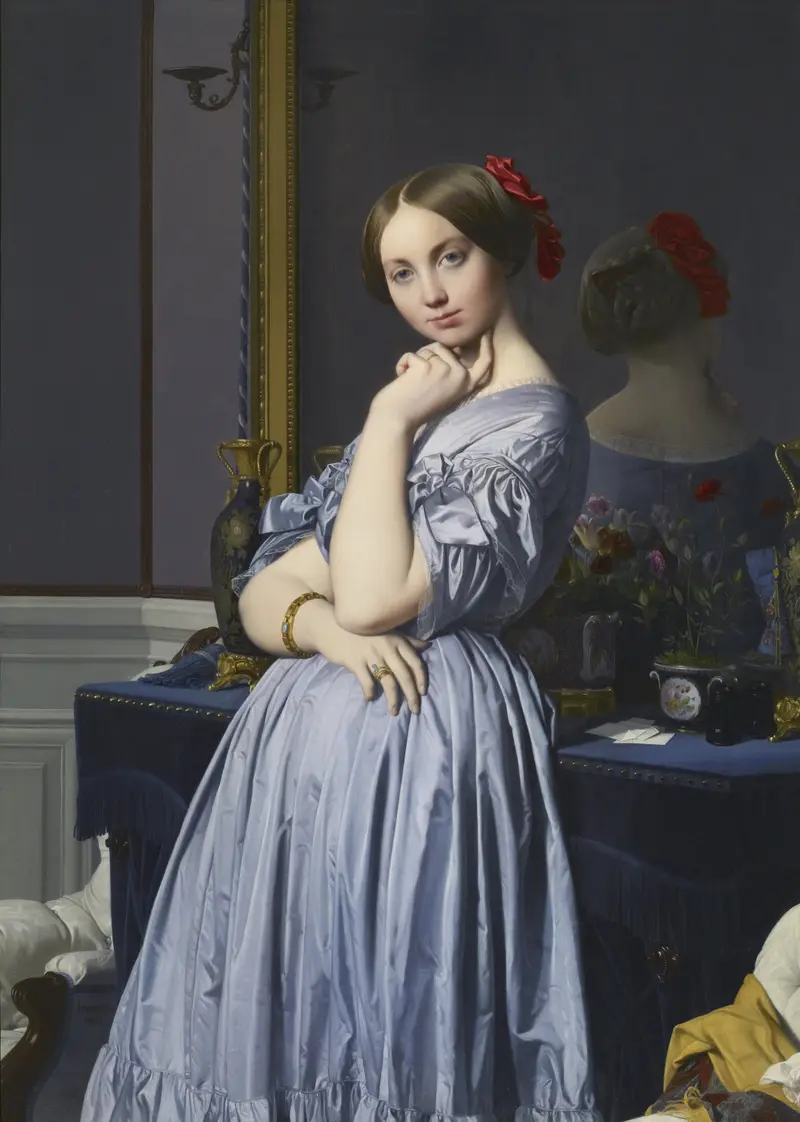
Portrait of Comtesse d’Haussonville
Jean Auguste Dominique Ingres
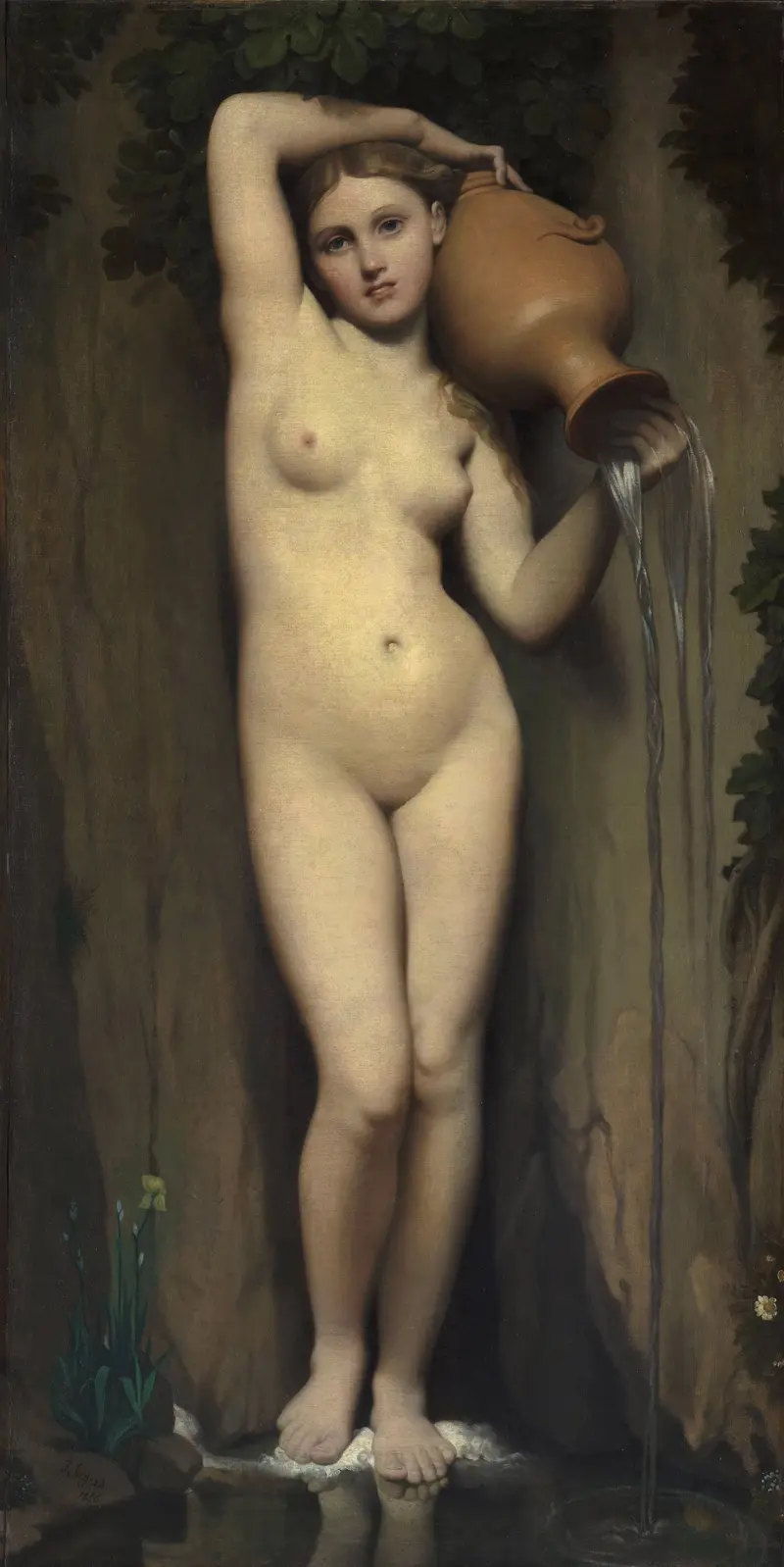
The Source
Jean Auguste Dominique Ingres
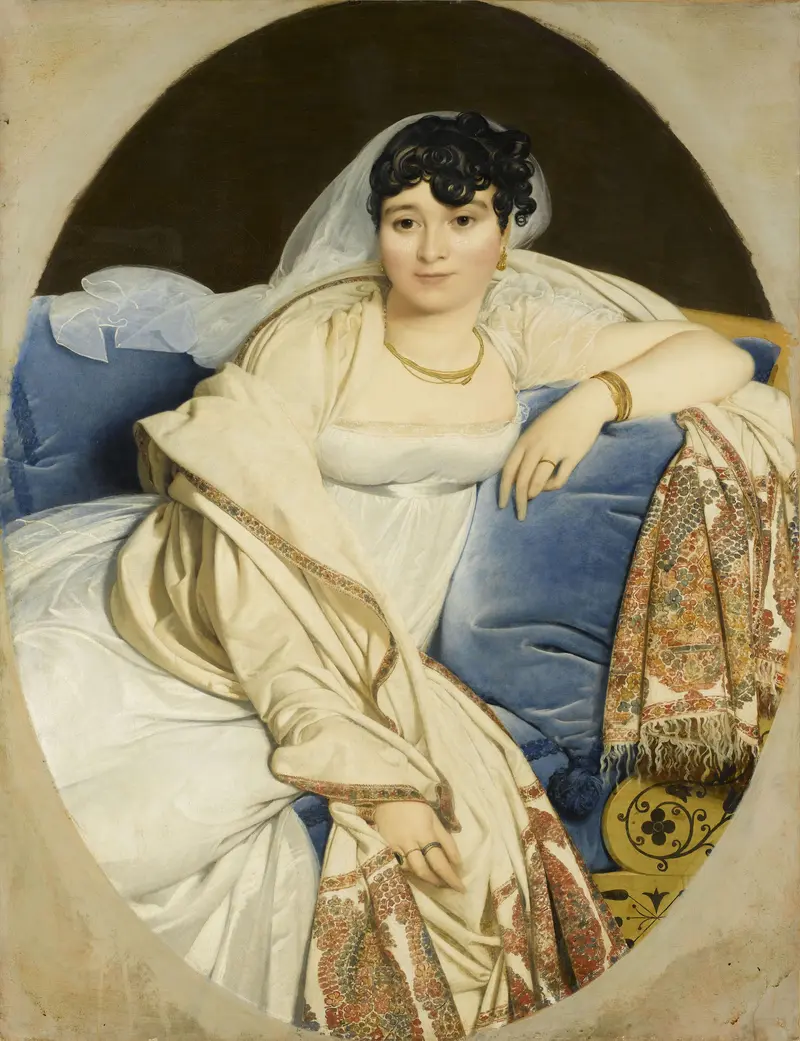
Madame Rivière
Jean Auguste Dominique Ingres

Madame Jean-Auguste-Dominique Ingres, née Madeleine Chapelle
Jean Auguste Dominique Ingres

Portrait of a Lady
Jean Auguste Dominique Ingres
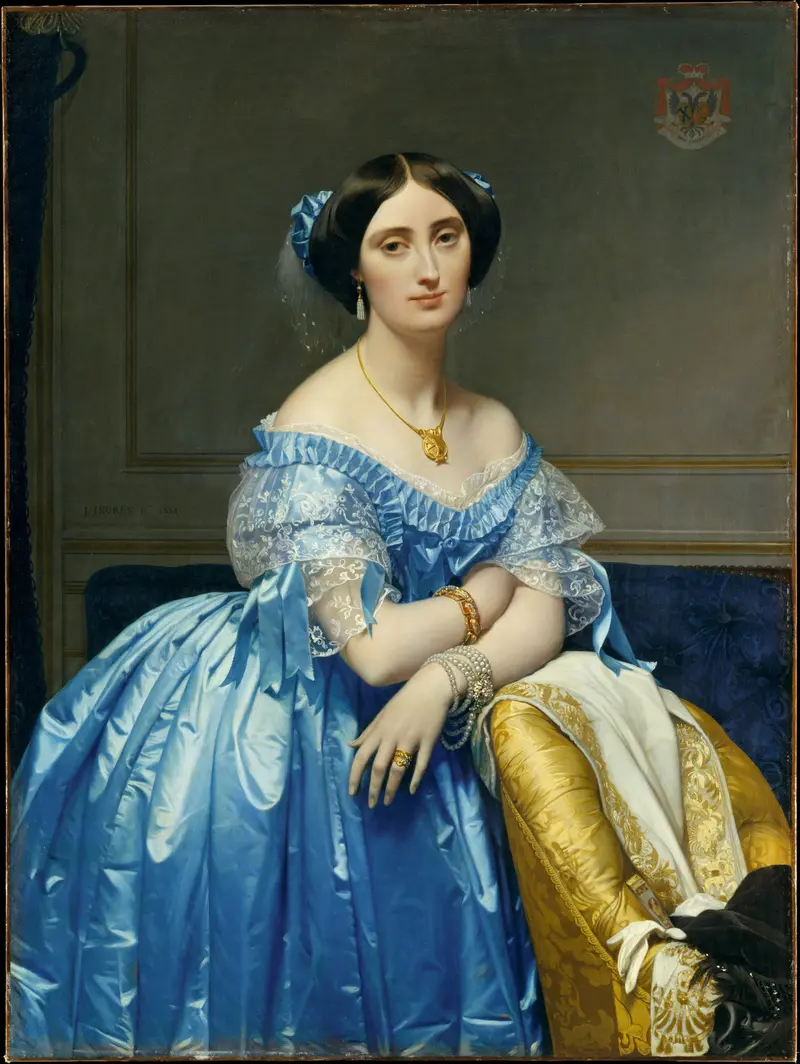
Joséphine-Éléonore-Marie-Pauline de Galard de Brassac de Béarn (1825–1860), Princesse de Broglie
Jean Auguste Dominique Ingres
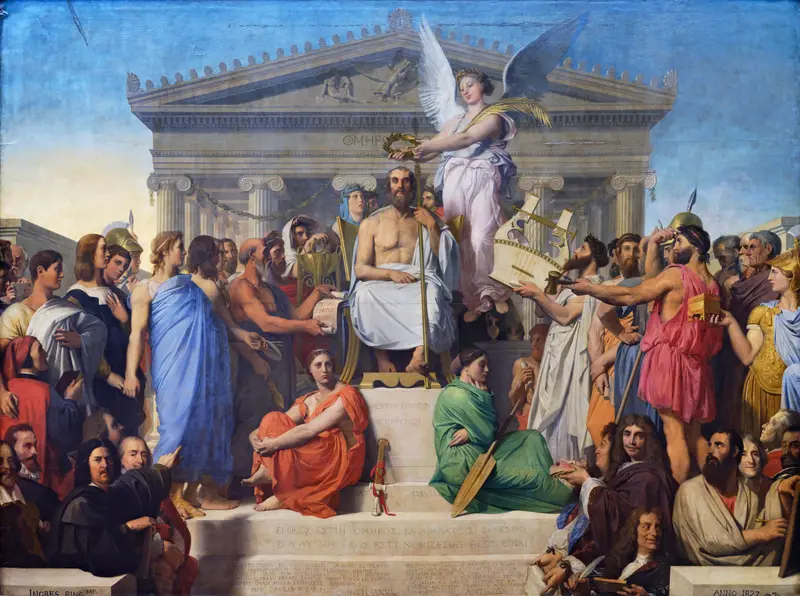
The Apotheosis of Homer
Jean Auguste Dominique Ingres





