
Arsenał w Pizie — History & Facts
Did the painter know this moment would outlive them? In a world that rushes past, the serenity captured in Arsenał w Pizie offers a breath of calm, inviting us to linger just a moment longer. Look to the center of the canvas, where the elegant architecture of the arsenal emerges, intricately detailed under the soft glow of daylight. The warm hues of ochre and terracotta contrast beautifully with the azure sky, creating a dialogue between the solidity of stone and the ethereal quality of atmosphere. Notice how the brushstrokes flow effortlessly, revealing the artist's mastery in conveying both texture and light — a tranquil embrace that invites exploration. Delve deeper into the shadows, where subtle hints of human presence suggest stories untold.
The stillness of the scene is punctuated by the absence of figures, evoking a sense of solitude and contemplation. The interplay of light and shadow speaks to the passage of time, as if the arsenal stands as a silent witness to history's unfolding, embodying both the strength of heritage and the fragility of memory. In 1928, Władysław Skoczylas painted this piece during a time of great change in Poland, where the artist sought to define a national identity through the lens of his heritage. Living in an era marked by post-war reflection, he aimed to evoke a sense of pride and connection to the past, capturing the essence of a place that resonates with cultural significance.
More Artworks by Władysław Skoczylas
Browse all →
Motyw ze Starego Miasta
Władysław Skoczylas
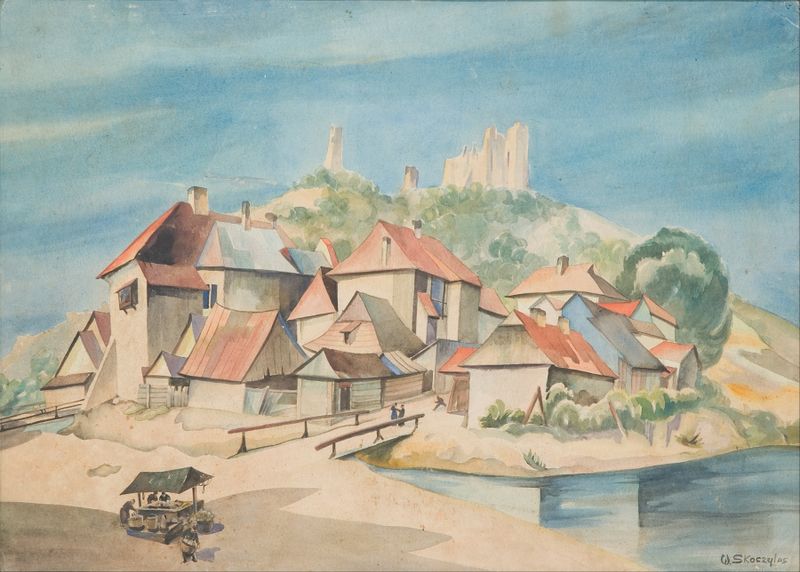
Widok Kazimierza nad Wisłą
Władysław Skoczylas
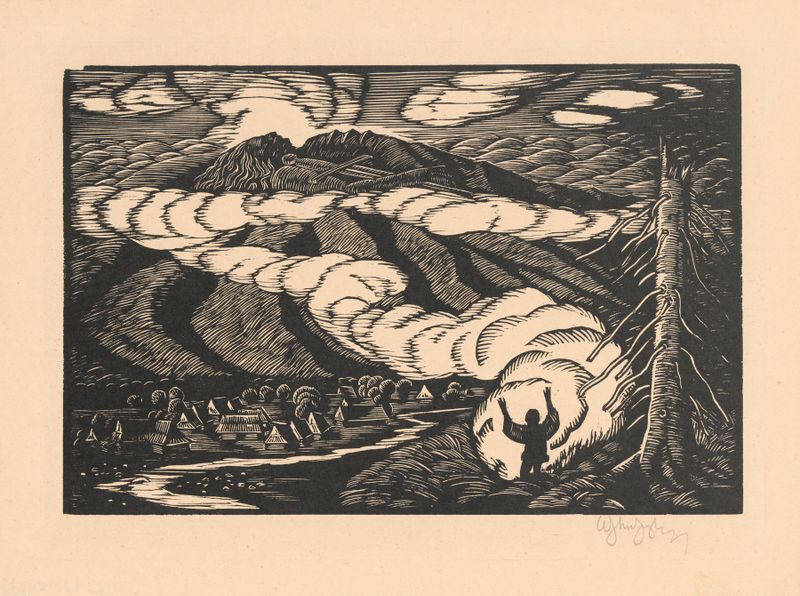
Giewont
Władysław Skoczylas
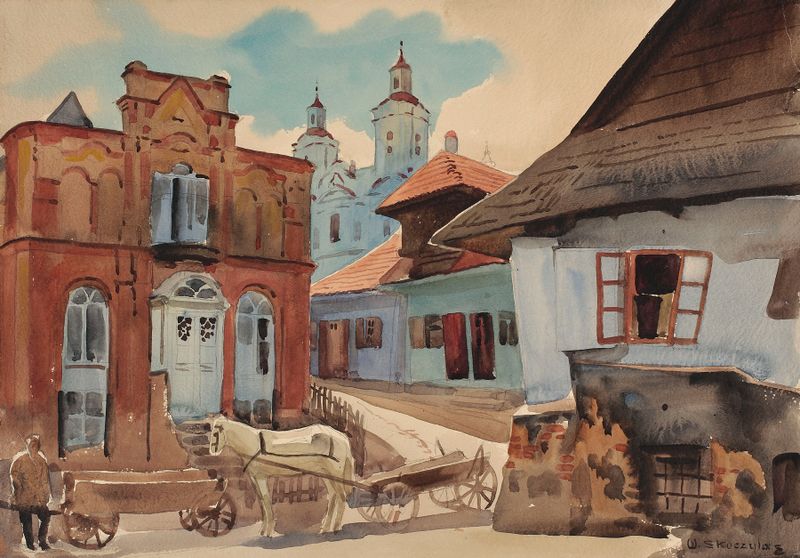
Fragment miasteczka
Władysław Skoczylas

Kościół w Dębnie
Władysław Skoczylas

Ulica w Kazimierzu
Władysław Skoczylas

Rynek w Kazimierzu nad Wisłą
Władysław Skoczylas
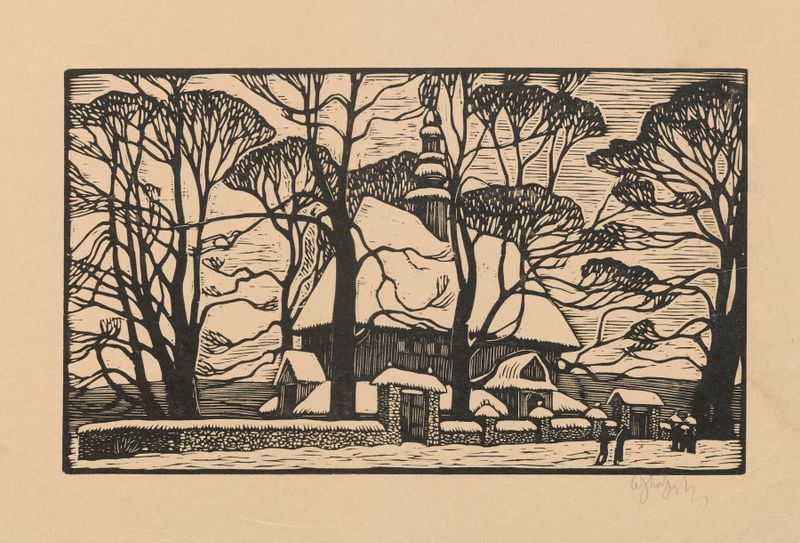
Kościółek w zimie
Władysław Skoczylas

Kolumna Zygmunta
Władysław Skoczylas
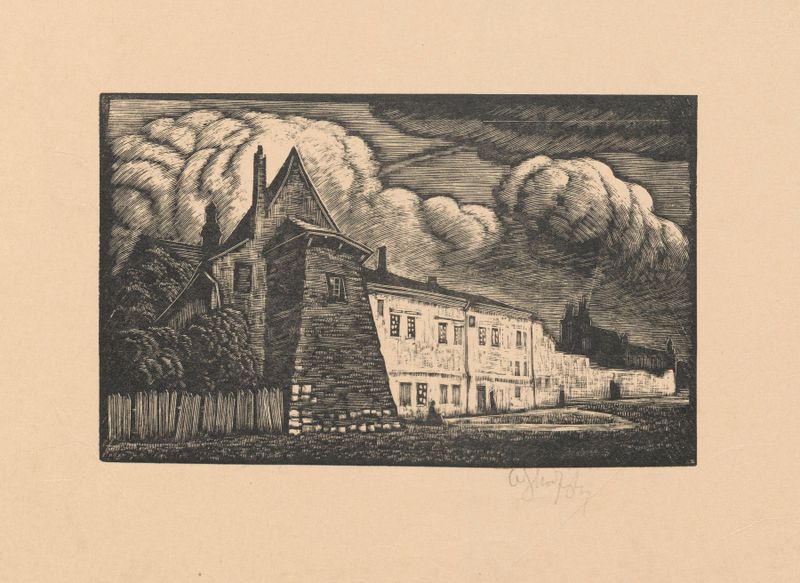
Motyw z Krakowa; Baszta Augustianów
Władysław Skoczylas
More Architecture Art
Browse all →
The statue of Liberty
Frédéric Auguste Bartholdi

View of Houses in Delft, Known as ‘The Little Street’
Johannes Vermeer

View of Houses in Delft, Known as ‘The Little Street’
Johannes Vermeer

The Cathedral in Rouen. The portal, Grey Weather
Claude Monet

The yellow house
Vincent van Gogh

The Church in Auvers-sur-Oise, View from the Chevet
Vincent van Gogh