
Ascalon — History & Facts
What secret hides in the quiet of the canvas? In Ascalon, the muted hues envelop the viewer in a cocoon of hope, inviting contemplative reflection on the balance between despair and resilience. Look to the left, where soft greens intermingle with strokes of gentle blue, creating a serene landscape that suggests a promise of renewal. Notice how the composition pulls your gaze toward the horizon, where light breaks through the clouds, hinting at the dawn of a new day. The artist's choice of earthy tones contrasts with the ethereal glow, symbolizing the connection between the tangible world and the profound possibilities that lie beyond. Delve deeper into the textured brushwork; each stroke carries an emotional weight, whispering tales of perseverance.
The stillness of the scene is punctuated by the dynamic interplay of light and shadow, evoking a palpable tension between hope and uncertainty. As the viewer, you are drawn into a narrative of quiet resilience, where the tranquil landscape serves as a backdrop for the internal struggles that often accompany the search for meaning. François Stroobant created Ascalon in 1852, during a period marked by significant changes in the art world. Living in Belgium, he was influenced by the Romantic movement, which emphasized emotion and nature.
This work reflects his response to the social and political upheavals of his time, channeling his experiences into an artwork that resonates with a timeless quest for hope amidst adversity.
More Artworks by François Stroobant
Browse all →
Interior of the church of Notre Dame du Sablon at Brussels
François Stroobant
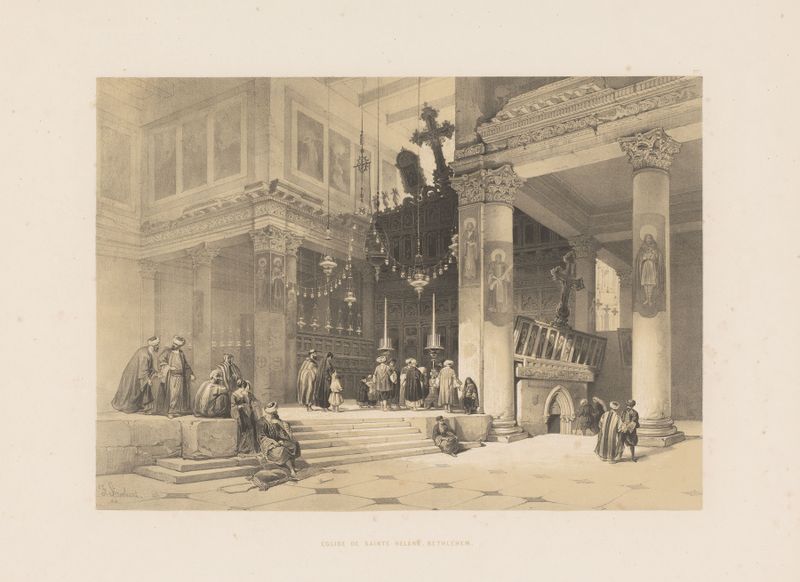
Église de sainte Hélène. Bethléhem
François Stroobant
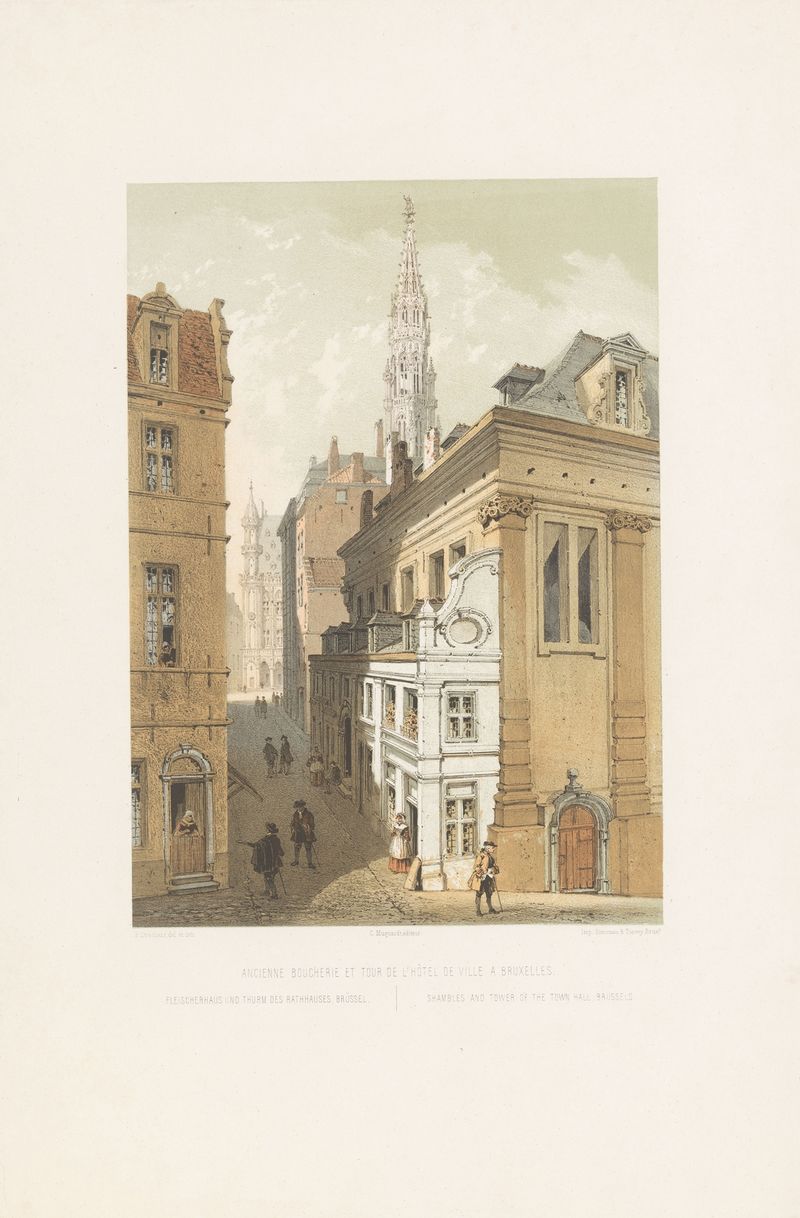
Shambles and tower of the town hall, Brussels
François Stroobant

Intérieur de l’église Grecque du Saint-Sépulcre
François Stroobant
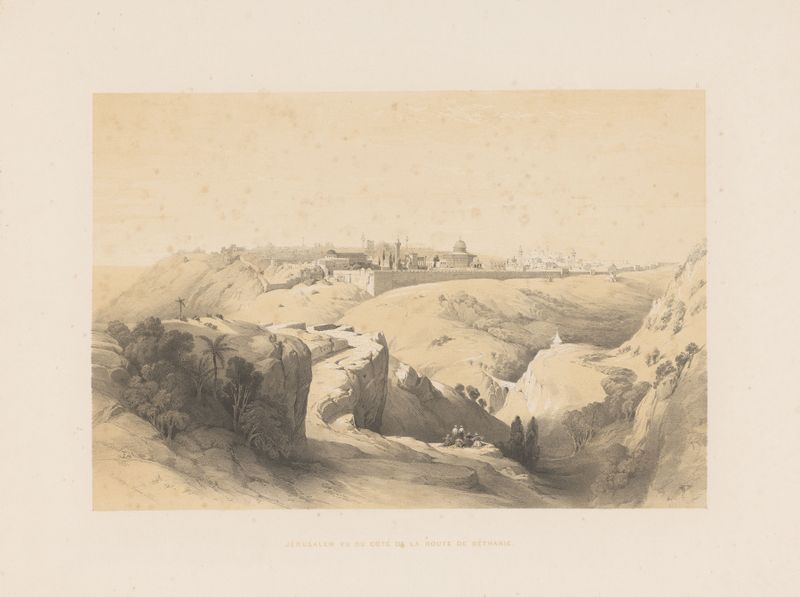
Jérusalem vu du coté de la route de Béthanie
François Stroobant

Le tabernacle du Saint-Sépulcre
François Stroobant

Town hall Brussels
François Stroobant

Fontaine de Jacob à Sichem
François Stroobant
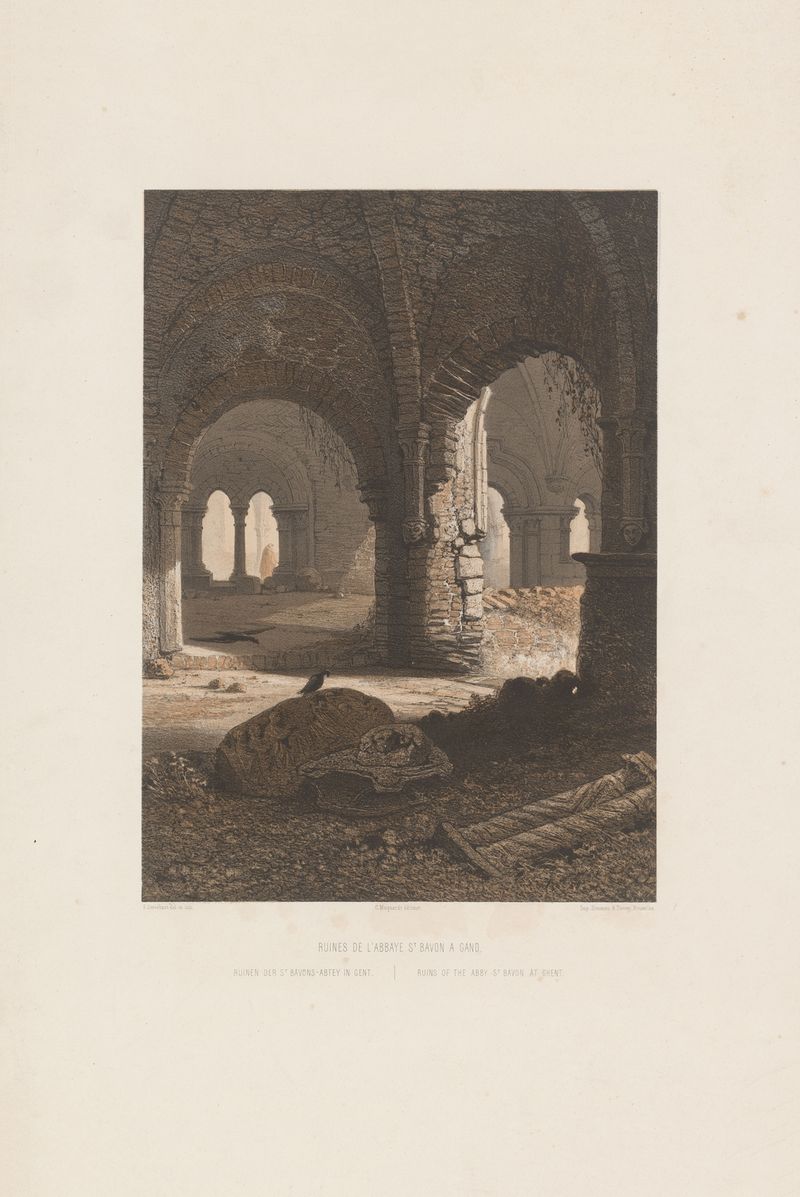
Ruins of the abby St Bavon at Ghent
François Stroobant

Vue de Naplouse
François Stroobant





