Discover insights about this artwork
Asta su Abuelo. (And so was his grandfather.) — History & Facts
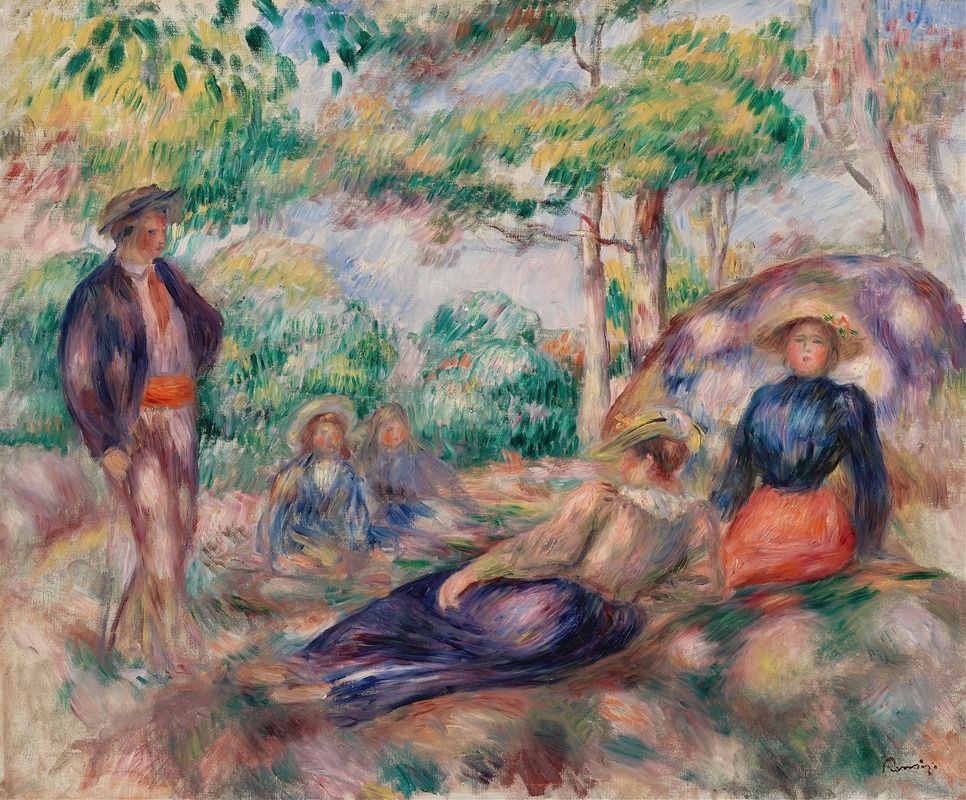
Asta su Abuelo depicts a lively family scene with a grandfather and children gathered around him. The grandfather, dressed in traditional clothing, sits comfortably while the children playfully interact with him. Bright colors like red, blue, and green bring energy to the scene, creating a warm atmosphere.
The background features simple, rustic elements that emphasize the familial bond in this intimate setting. In the painting, you can see the joyful expressions on the children's faces, which highlight their playful nature. The details of the grandfather’s clothing are rich, showcasing the textures of the fabric and the care in Goya's brushwork. The children’s poses are dynamic, capturing a moment of movement and life.
Take a moment to appreciate how Goya uses light and shadow to create depth and focus on the characters. Francisco de Goya painted this work during the late 18th century, a time when he was exploring themes of family and social life in Spain. Goya is known for his ability to capture human emotion, and this piece reflects his interest in everyday experiences. One interesting fact about Goya is that he transitioned from being a court painter to a more personal artist, often reflecting his thoughts on society in his later works.
Asta su Abuelo is a charming example of his early style, celebrating family connections.
More Artworks by Francisco de Goya
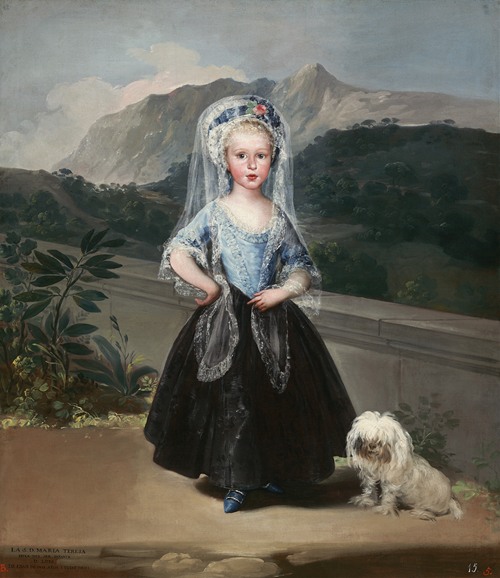
María Teresa de Borbón y Vallabriga,later Condesa de Chinchón
Francisco de Goya
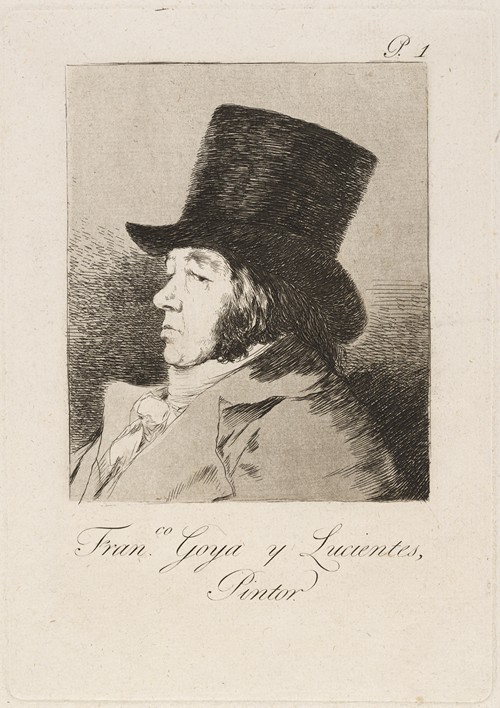
Francisco Goya y Lucientes, Pintor (Francisco Goya y Lucientes, painter)
Francisco de Goya
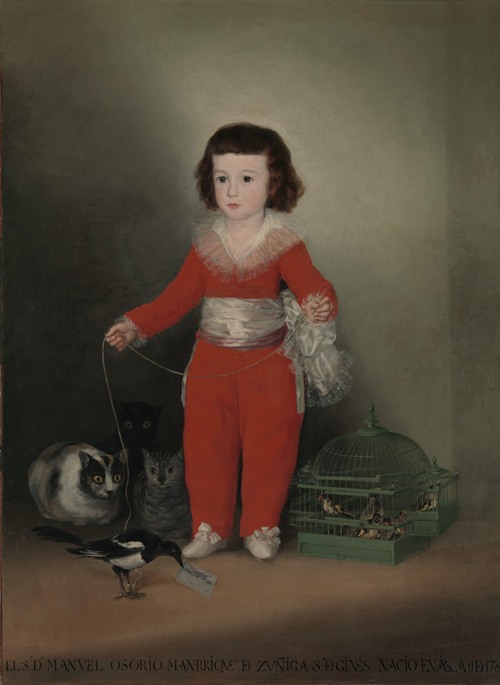
Manuel Osorio Manrique de Zuñiga (1784–1792)
Francisco de Goya
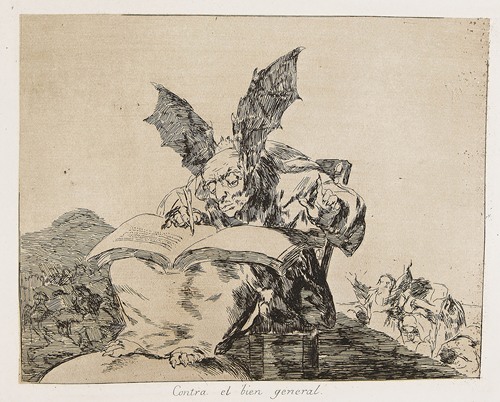
Los desastres de la guerra
Francisco de Goya
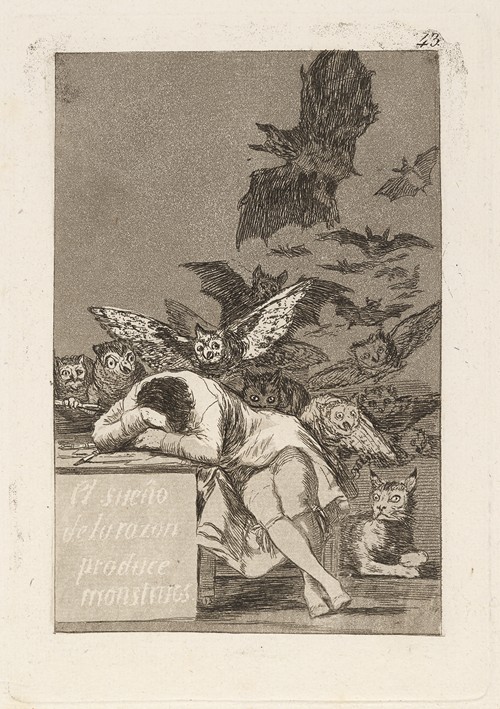
El sueño de la razon produce monstruos. (The sleep of reason produces monsters.)
Francisco de Goya
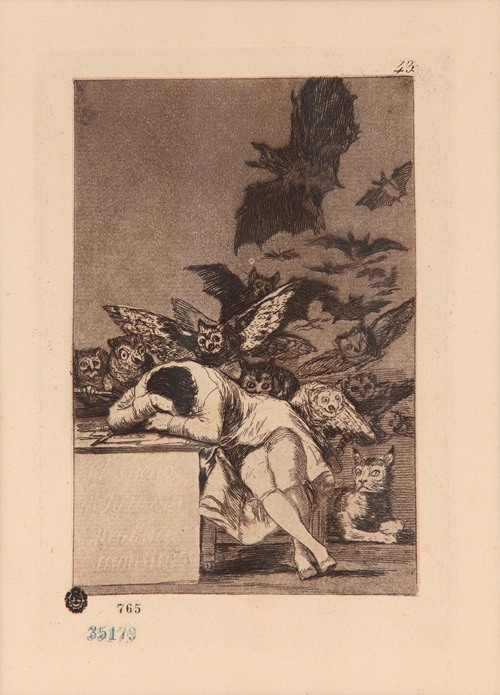
El sueño de la razon produce moustruos (Serie Caprichos)
Francisco de Goya
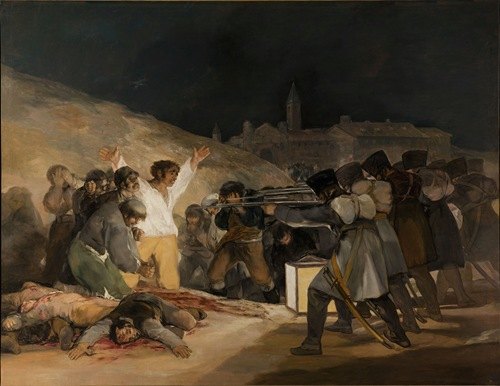
The Third of May
Francisco de Goya
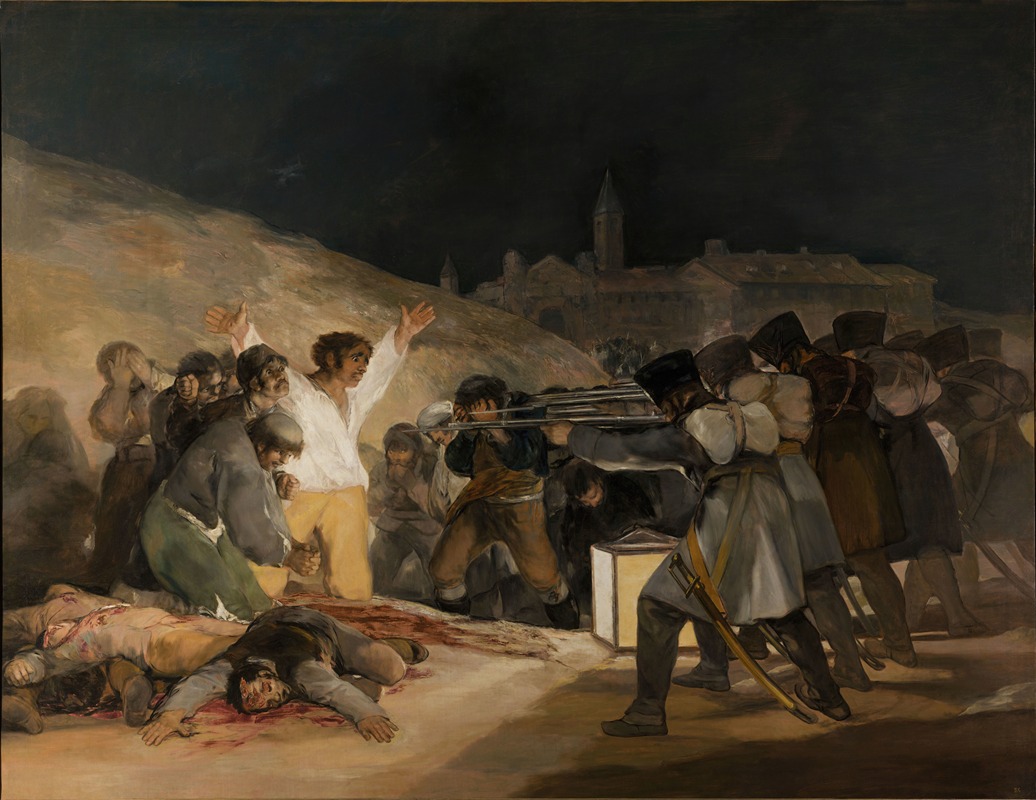
The Third of May 1808
Francisco de Goya
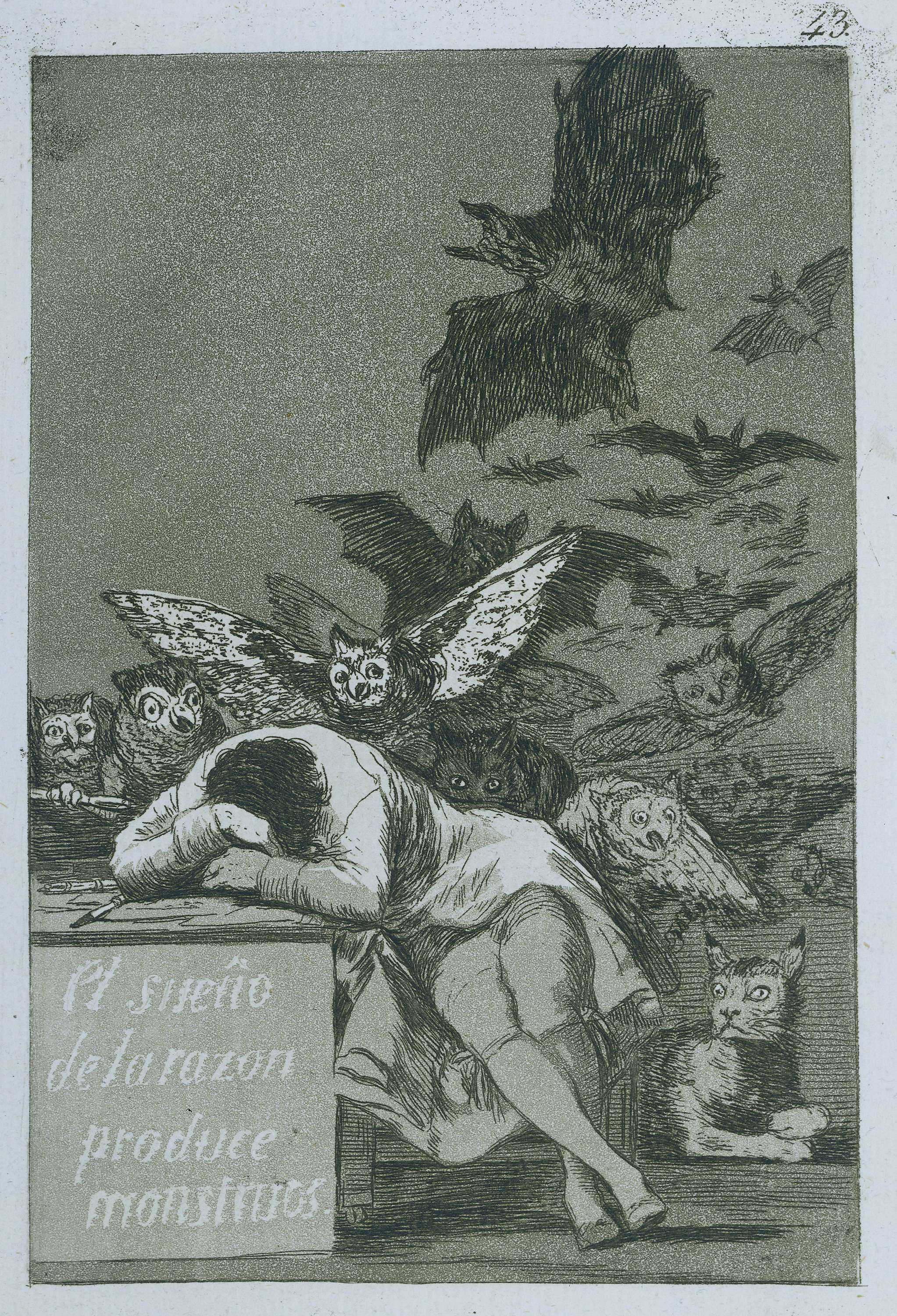
De slaap van de rede brengt monsters voort
Francisco de Goya
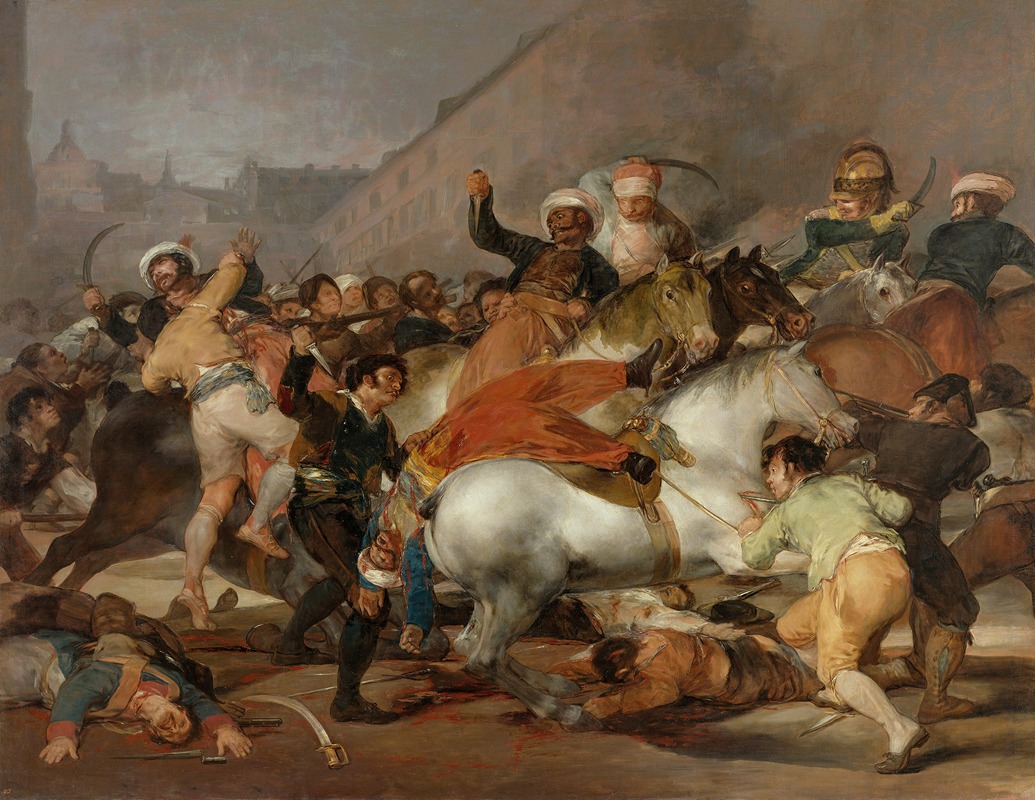
The Charge of the Mamelukes (1814)
Francisco de Goya