
Astronomie — History & Facts
What secret hides in the quiet of the canvas? In an era when the stars fueled wonder and terror alike, the stillness of Astronomie invites us to peer into the mind and soul of its creator, hinting at the madness that lurks beyond reason. Look to the center, where an enigmatic figure gazes upward, lost in contemplation. The rich, dark hues envelop the scene, lending an air of mystery, while delicate lines define the contours of the celestial globe beside him. Notice how the light dances across the figure's face, illuminating his furrowed brow, evoking emotions of both reverence and despair.
The contrasting shadows deepen the sense of isolation, as if the vastness of the cosmos weighs heavily upon his shoulders. In this painting, the tension between knowledge and ignorance is palpable. The starry sky, intricate yet chaotic, reflects the tumult of human thought, drawing a parallel between the pursuit of wisdom and the potential for madness. Small symbols within the celestial sphere suggest hidden truths, weaving together the universes of science and superstition.
Each detail stands as a reminder of the fragile boundary between enlightenment and madness, posing questions that echo through the ages. Created between 1539 and 1543, this work emerged during a period of intellectual upheaval in Europe, marked by the Renaissance’s fervent quest for knowledge. Pencz, influenced by both the scientific advancements of the time and the shadows of religious turmoil, painted Astronomie in Nuremberg, a hub of artistic innovation. The interplay of art and science in this period resonates through his work, capturing the zeitgeist of an era teetering on the cusp of enlightenment and existential dread.
More Artworks by Georg Pencz
Browse all →
Parabel van de zaaier
Georg Pencz

Parabel van de arbeiders in de wijngaard
Georg Pencz
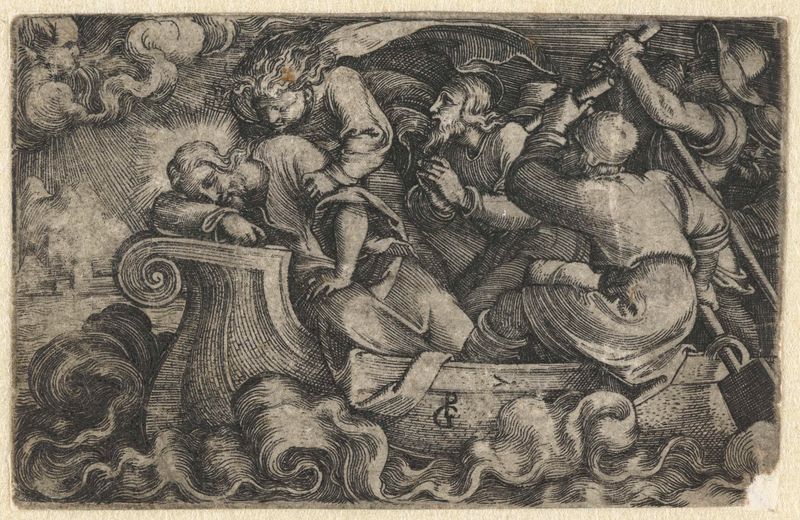
Discipelen wekken slapende Christus tijdens storm op Meer van Galilea
Georg Pencz

Afgunst (Invidia)
Georg Pencz
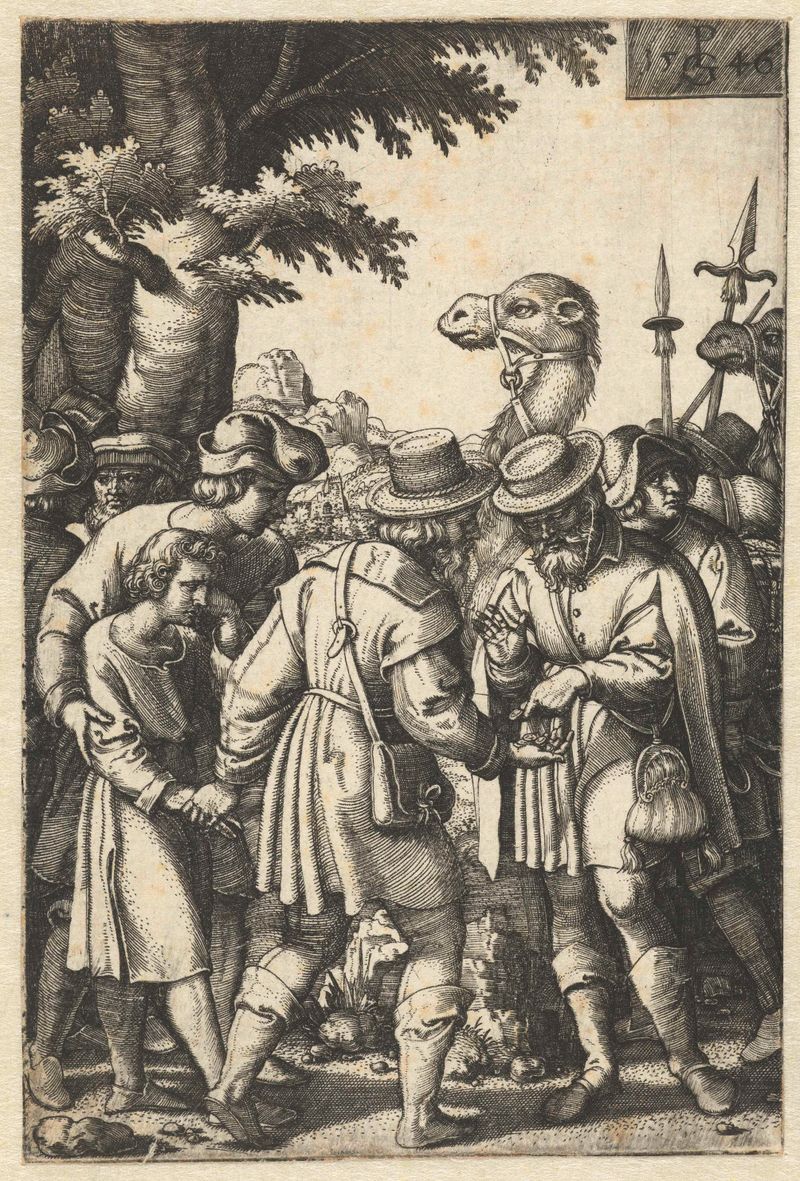
Jozef wordt verkocht aan kooplieden op weg naar Egypte
Georg Pencz

Aanbidding der koningen
Georg Pencz
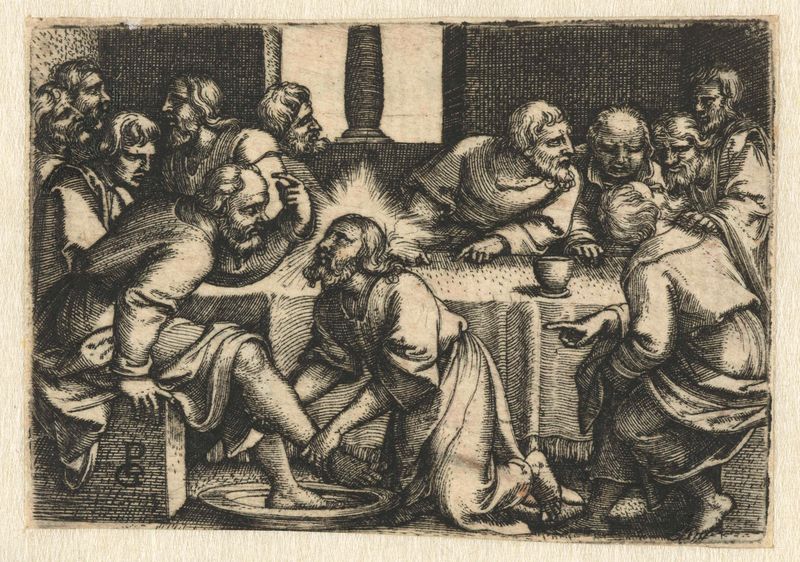
Petrus protesteert als Christus zijn voeten wast
Georg Pencz
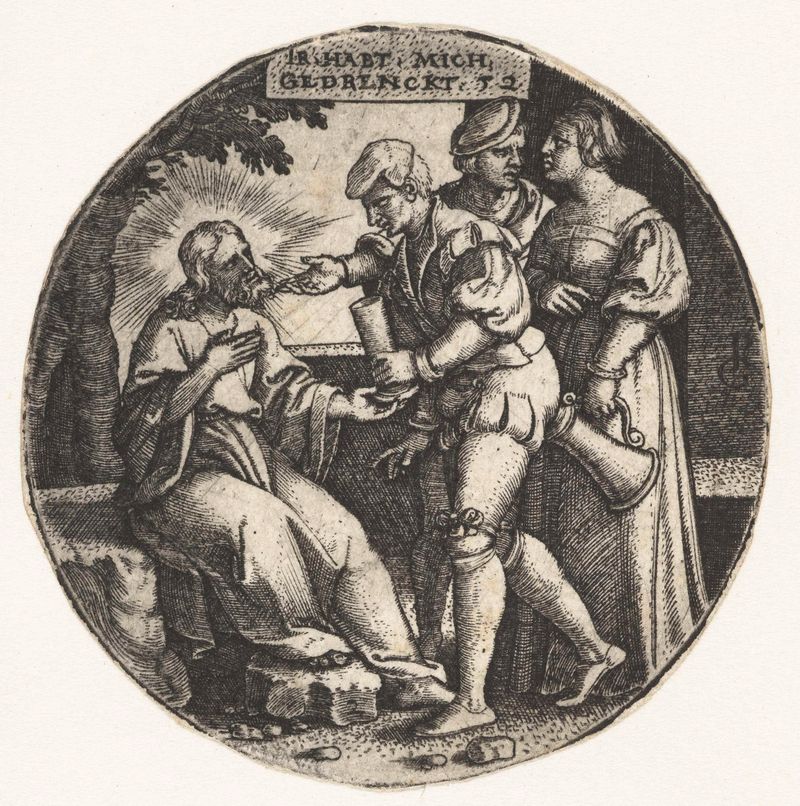
Christus heeft dorst en krijgt drinken aangeboden
Georg Pencz
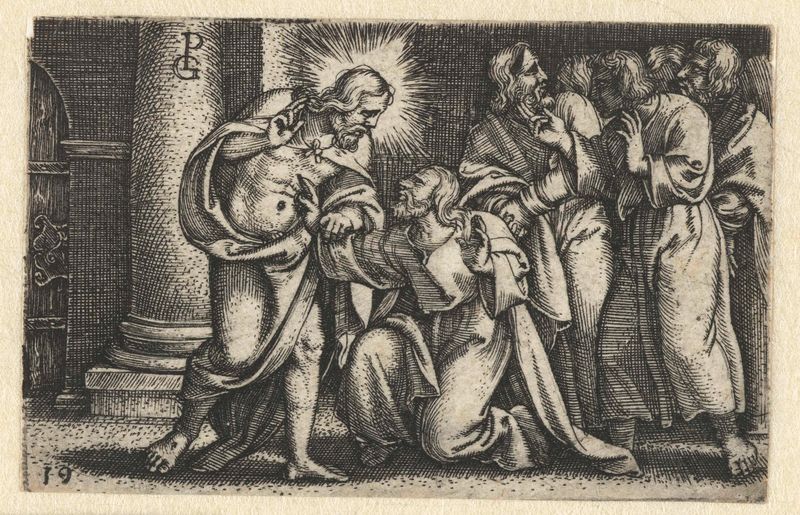
Ongelovige Thomas raakt wonden Christus aan
Georg Pencz

Offer van Abraham van Isaak
Georg Pencz





