
At the Opera — History & Facts
A man turns toward us in the flickering gaslight, his gaze catching the viewer just as the world behind him dissolves into the golden haze of the opera. The crowd is a swirl of silk, tulle, and anticipation, each figure half-caught between anonymity and recognition. The painter, Adolph von Menzel, has chosen a moment thick with social ritual: the opera as both spectacle and stage for its audience.
The brushwork is restless, almost impressionistic in the shimmer of dresses and the blur of faces, yet the composition is anchored by the steady, almost conspiratorial glance of the man in black. This is Berlin in 1862, a city on the cusp of modernity, where the opera house was not just a temple of music but a theatre of society itself. The painting’s fractured light and crowded space evoke the nervous energy of public life in the nineteenth century, when attending the opera was as much about being seen as about seeing. Menzel’s choice to place the viewer at the threshold—neither fully inside nor outside—mirrors the social boundaries of the era, where class, costume, and posture all spoke volumes.
The work’s date and its sense of immediacy place it firmly within the world of mid-century Europe, a time when artists were beginning to turn their attention from grand history to the fleeting dramas of everyday life. The longer one looks, the more the painting rewards: a flick of a fan, a glint of jewelry, the subtle choreography of glances exchanged across the tiers.
More Artworks by Adolph von Menzel
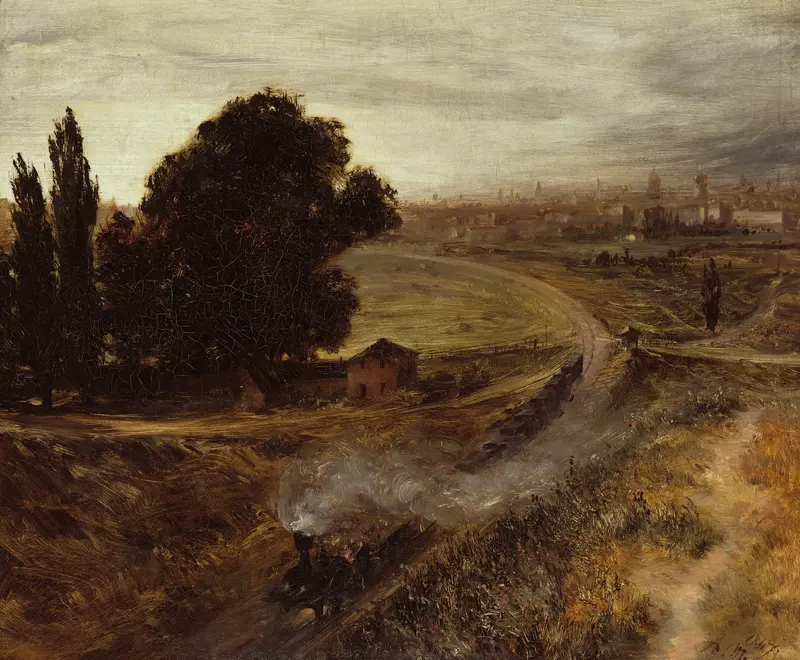
The Berlin-Potsdam Railway
Adolph von Menzel
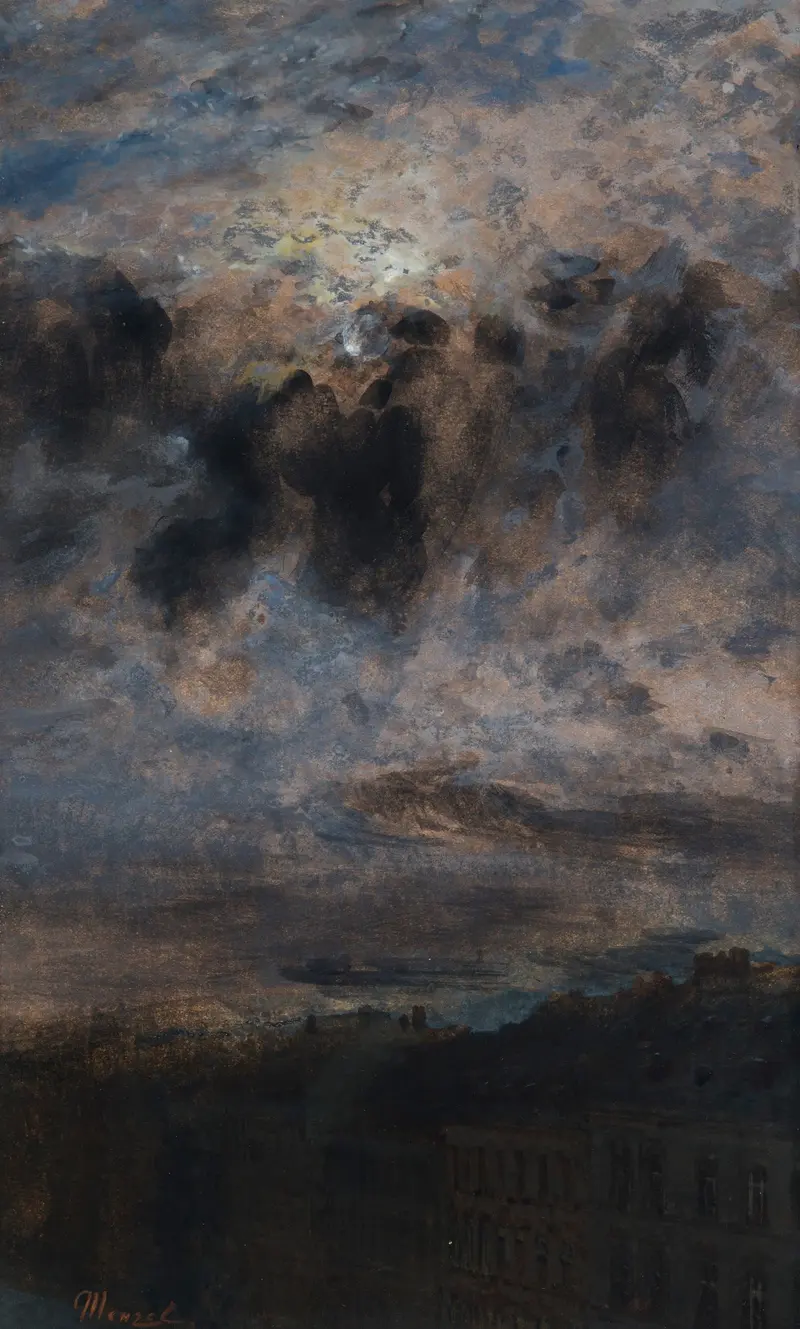
Mondschein über den Dächern von Berlin
Adolph von Menzel
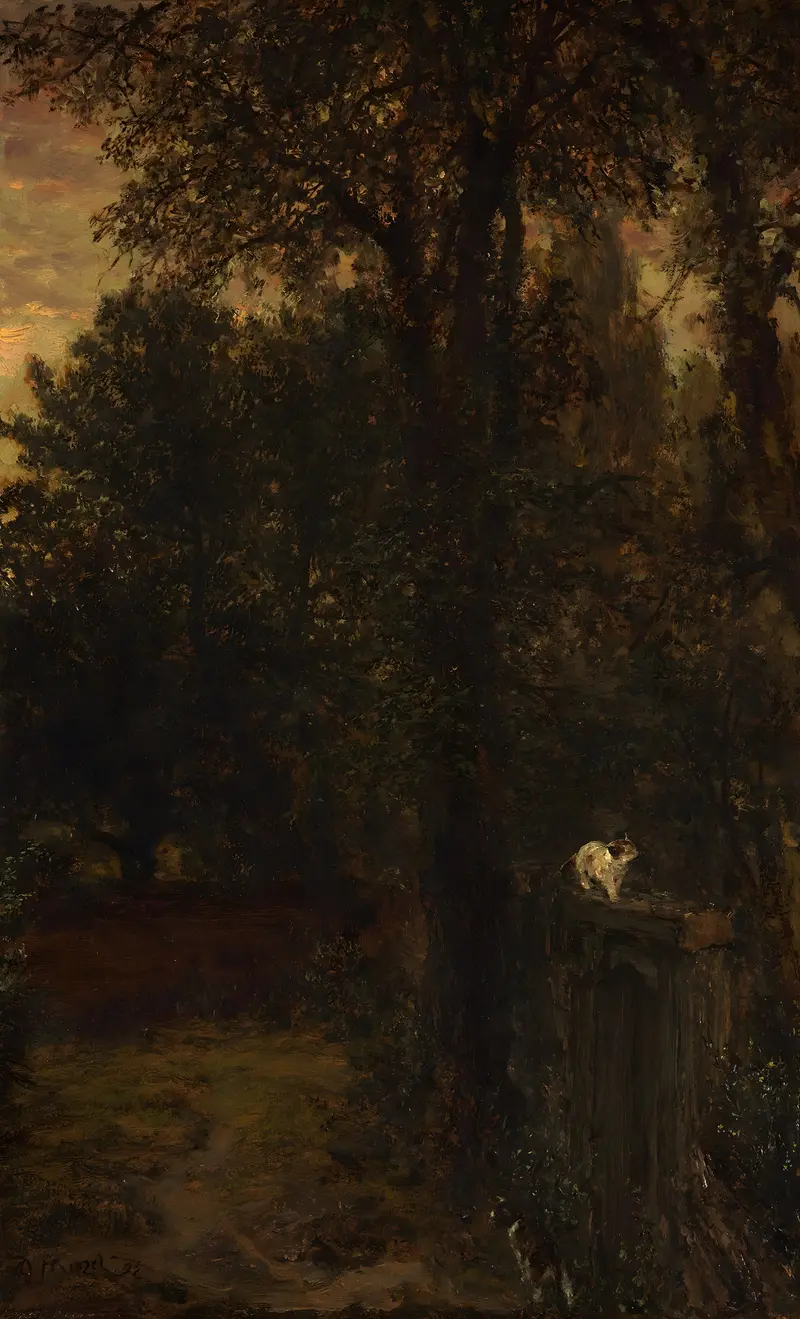
Landscape
Adolph von Menzel
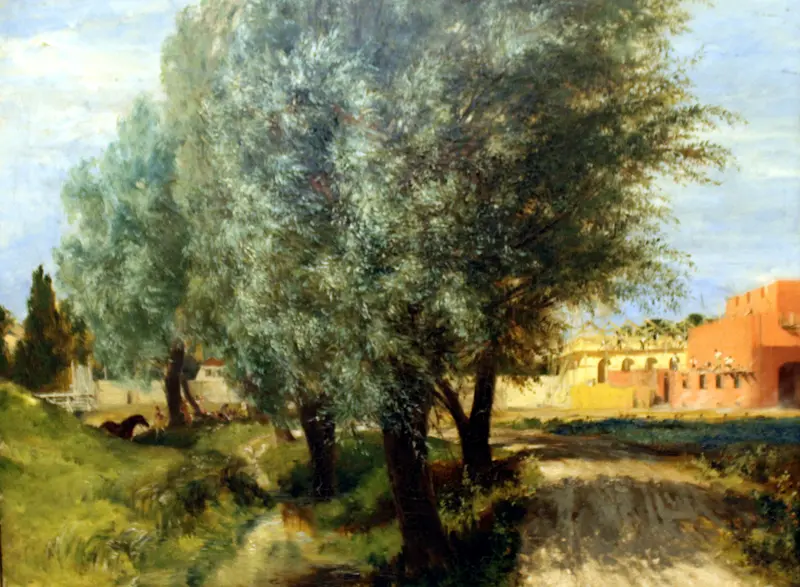
Building Site with Willows
Adolph von Menzel
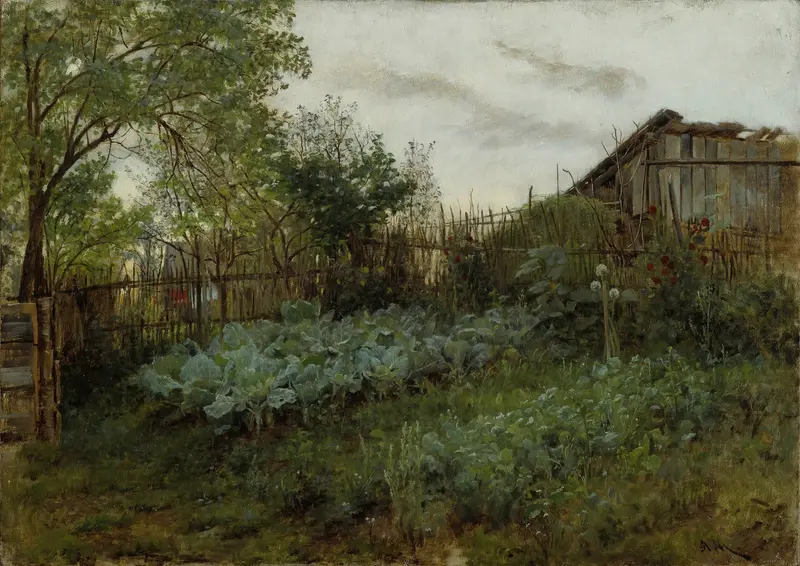
The Back Garden
Adolph von Menzel
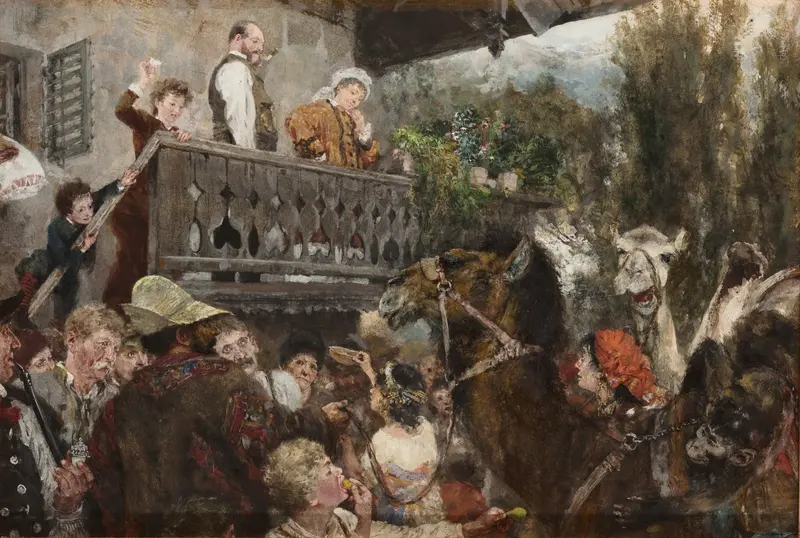
The wandering circus (Camel drivers in Partenkirchen)
Adolph von Menzel
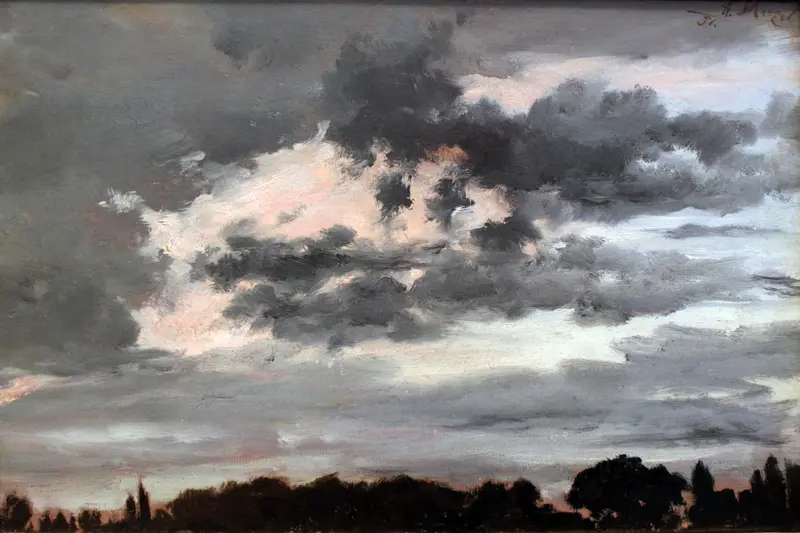
Cloud Study
Adolph von Menzel
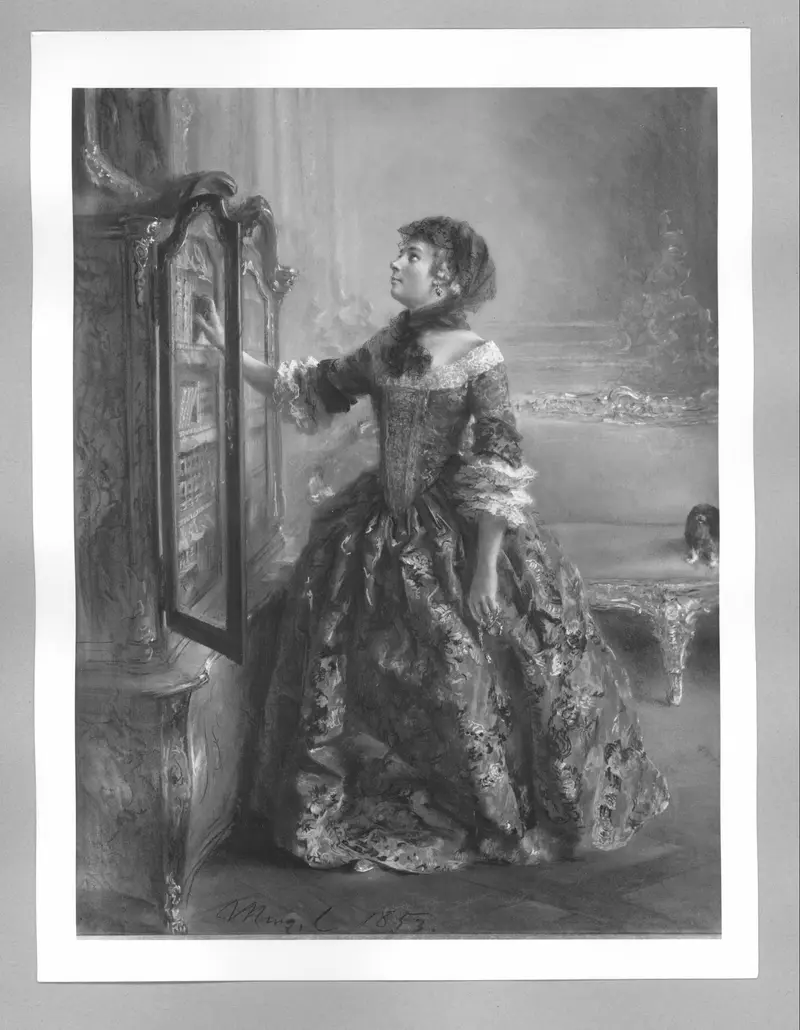
Adolf Friedrich Erdmann Menzel Dame in Rokoko Kostüm vor einem Bücherschrank (Prinzessin Amalie von Hohenzollern) 2320 Führermuseum
Adolph von Menzel
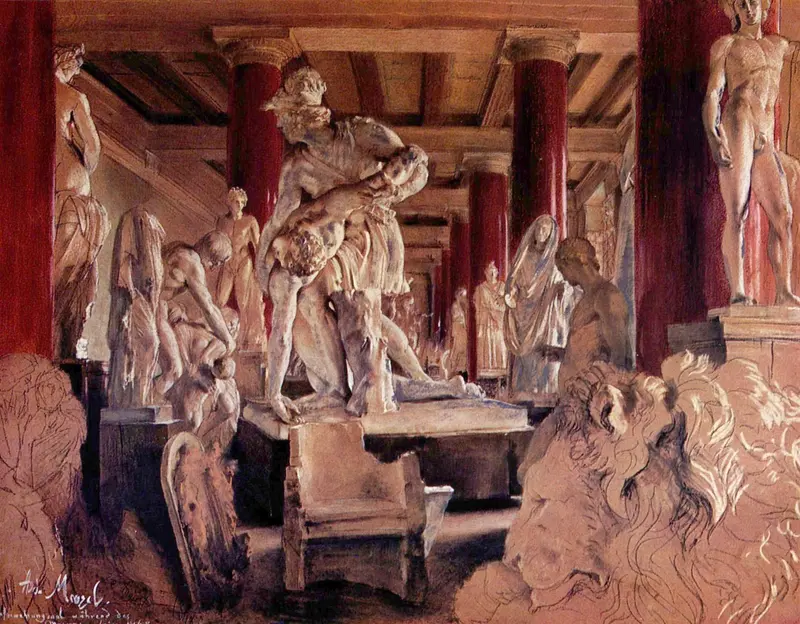
Aufbewahrungssaal während des Museumsumbaus Adolf Friedrich Erdmann von Menzel (Alte Nationalgalerie, Berlin)
Adolph von Menzel
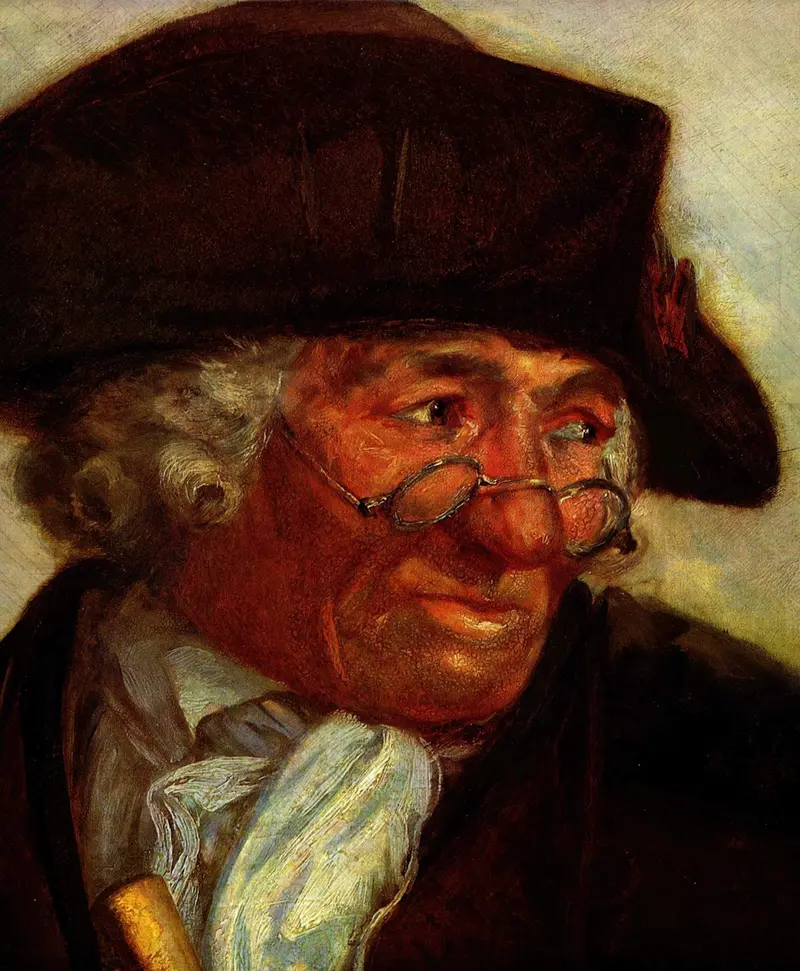
Chodowiecki on the Jannowitz Bridge
Adolph von Menzel
More Genre Scene Art

Banquet of the Officers of the St George Civic Guard
Frans Hals

Rembrandt and Saskia in the Scene of the Prodigal Son
Rembrandt van Rijn

Bal du moulin de la Galette
Pierre-Auguste Renoir

Quadrille at the Moulin Rouge
Henri de Toulouse-Lautrec

A Burial at Ornans
Gustave Courbet

When Will You Marry?
Paul Gauguin