Atterseelandschaft bei Unterbuchberg — History & Analysis
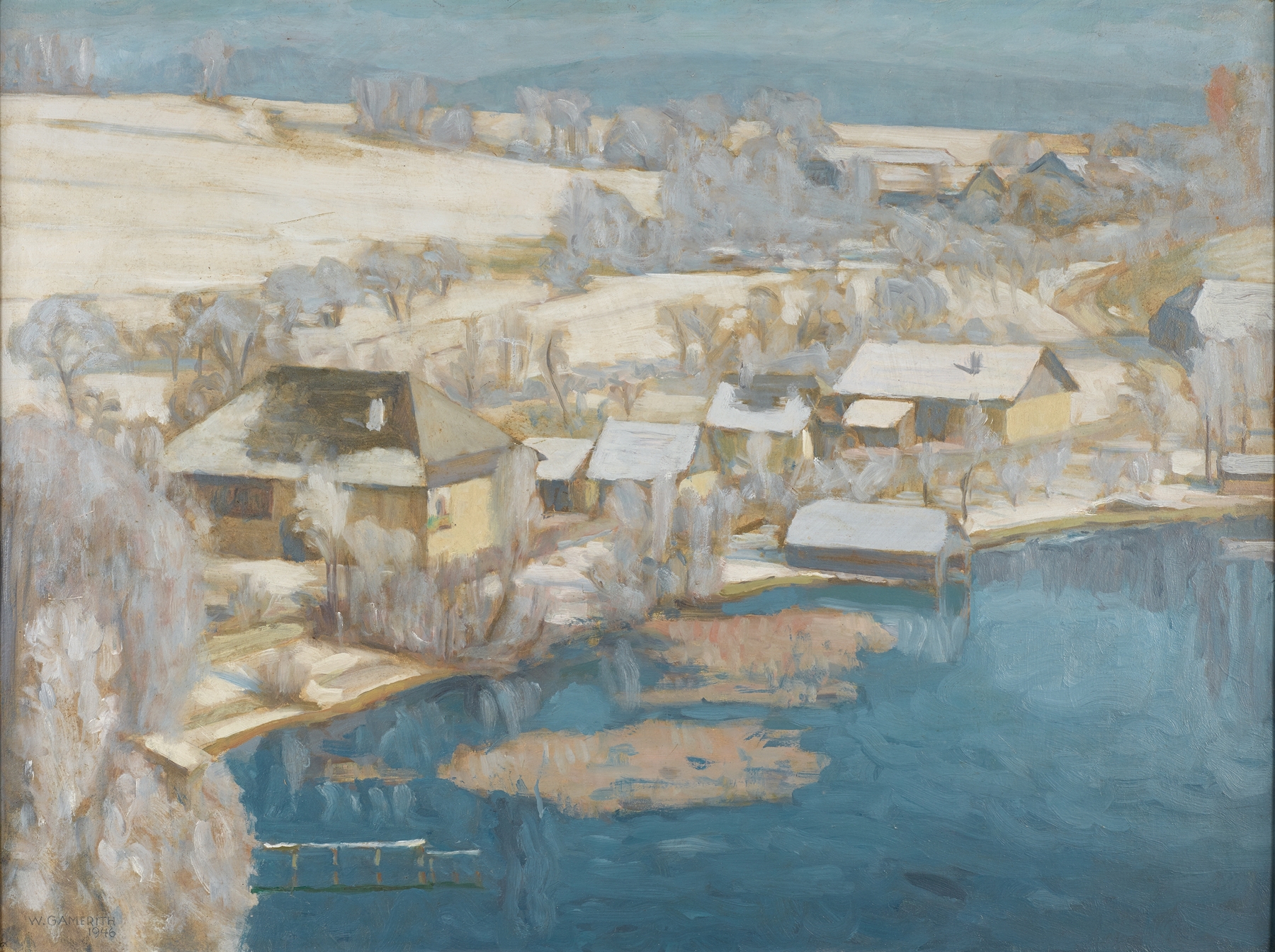
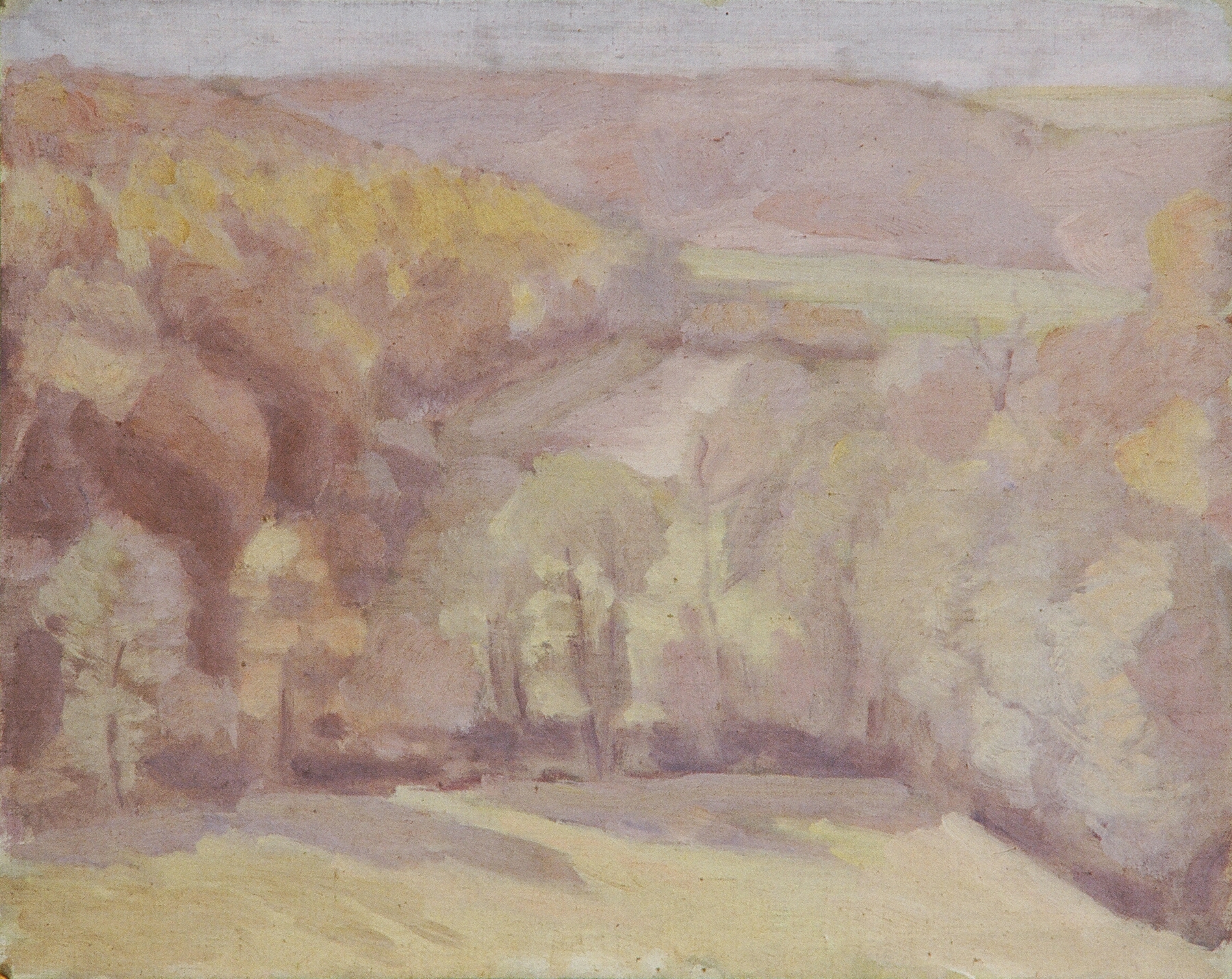
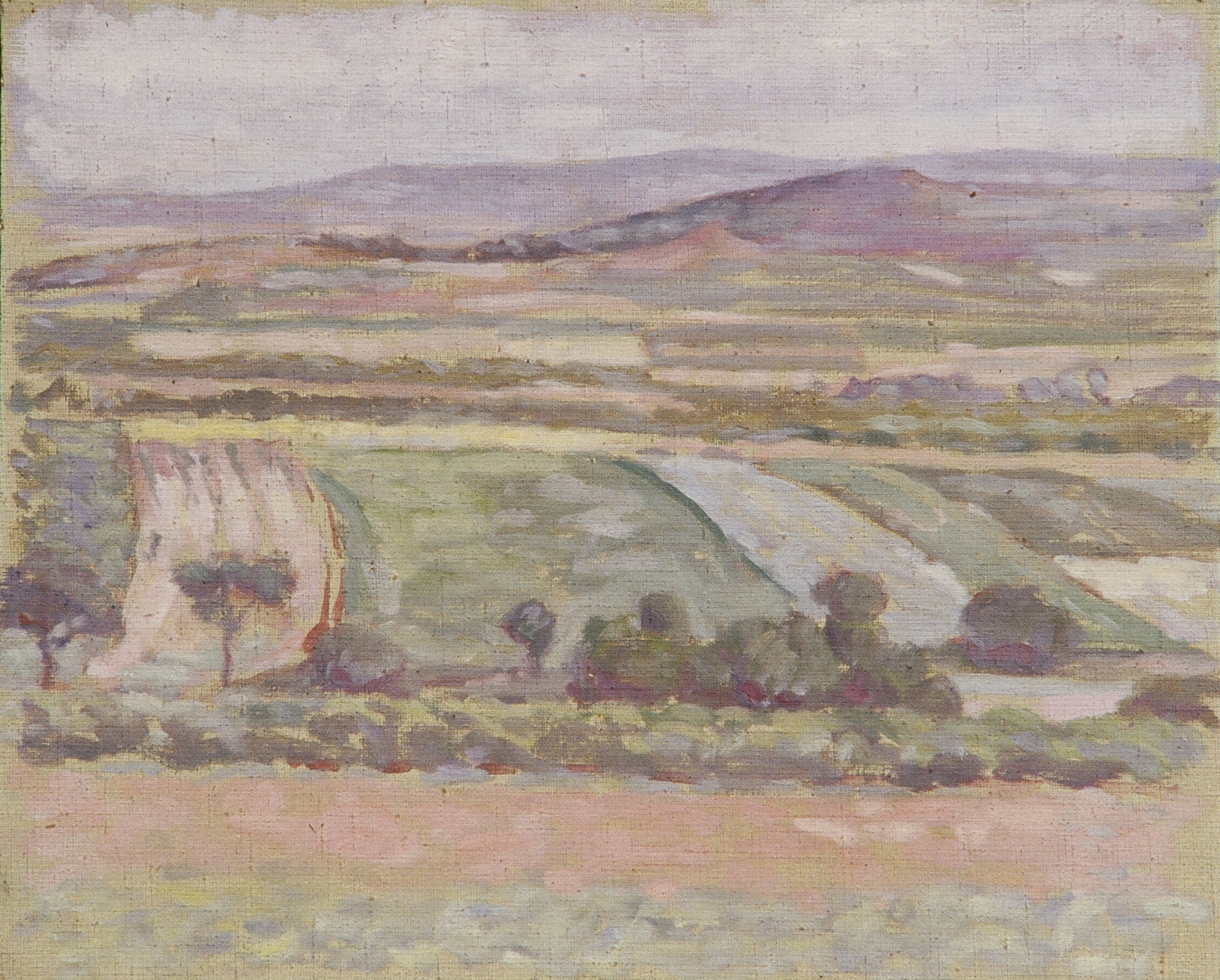
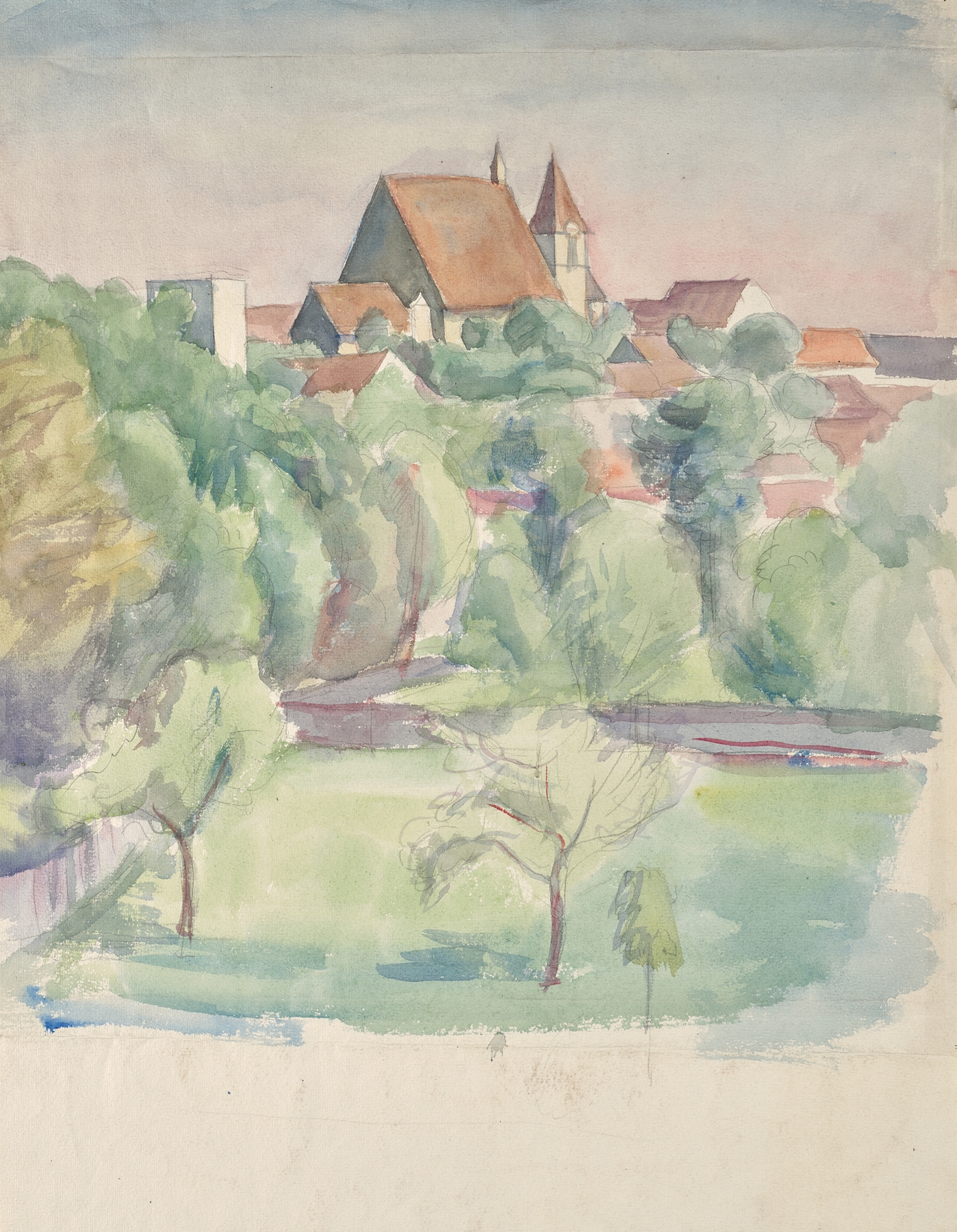
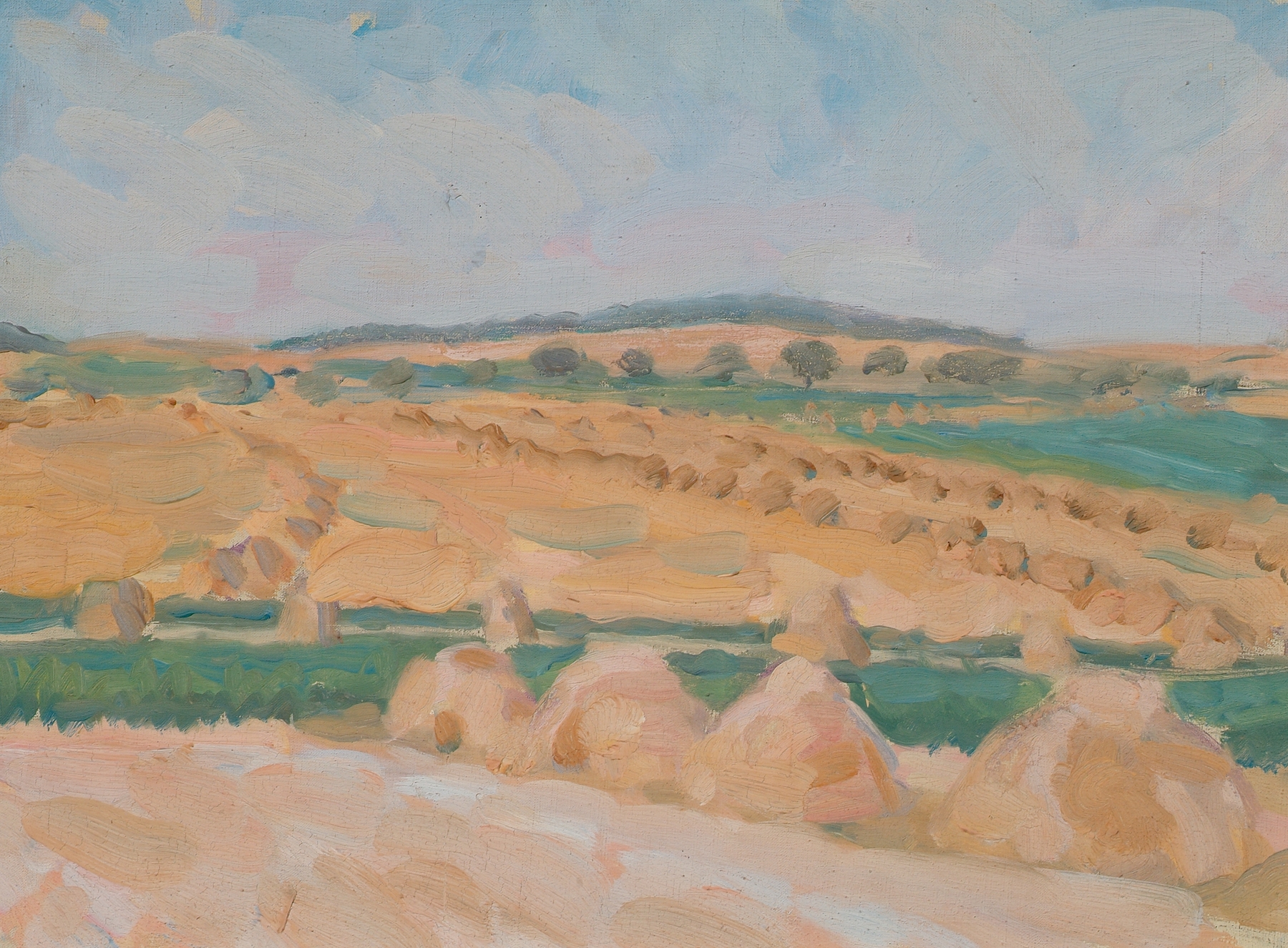
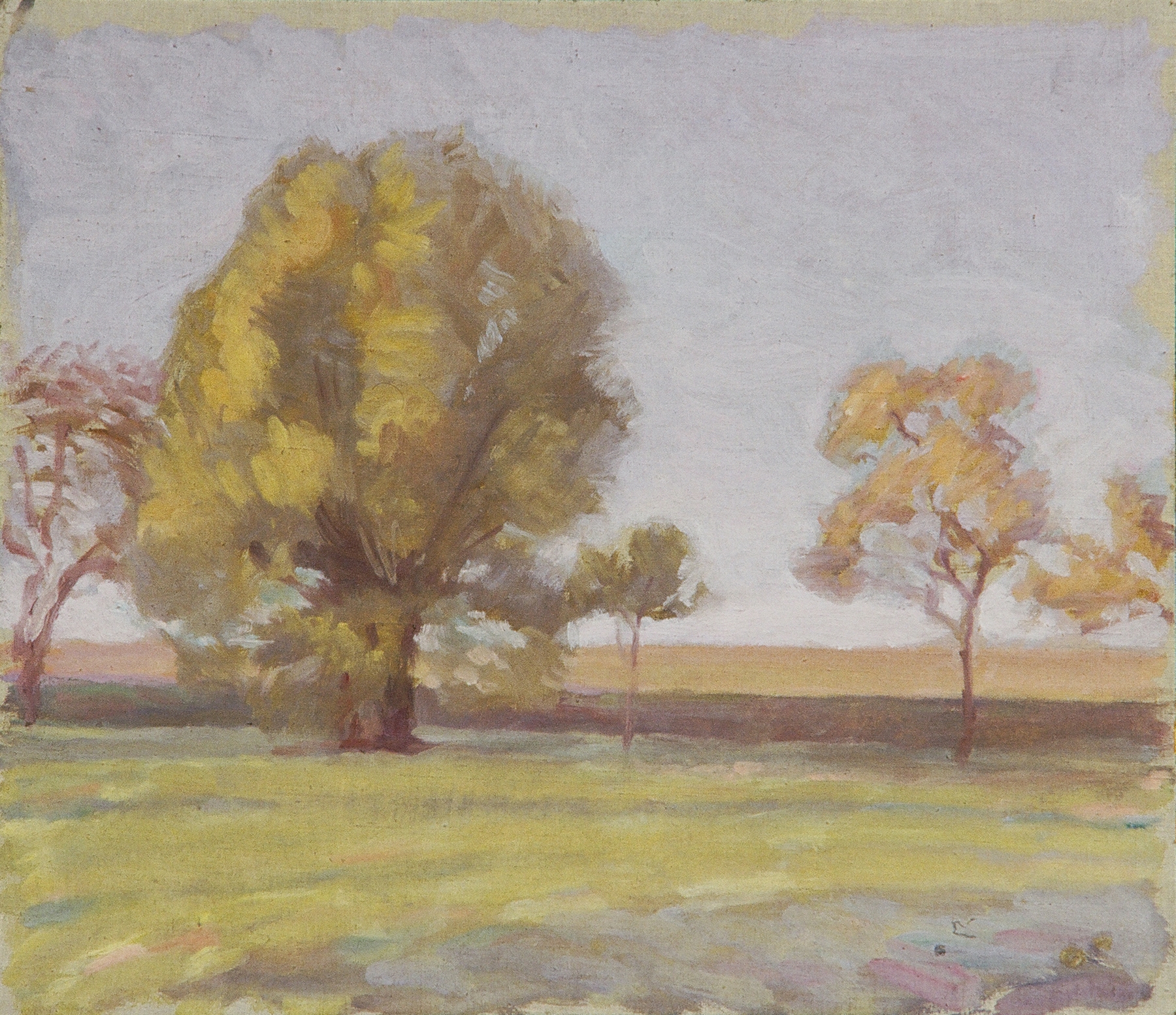
“Every silence here is a confession.” In this stillness lies a whisper of time, revealing the layers of existence that often go unnoticed. Look to the foreground, where a gentle slope leads the eye toward the tranquil waters of the lake, a mirror reflecting the muted tones of a dusky sky. The painter employs soft, blended brushstrokes to evoke a sense of calm, allowing the cool blues and greens to merge effortlessly. Notice how the distant hills rise softly against the horizon, shrouded in a haze that seems to suspend moment and memory, as if inviting you to linger in the tranquil embrace of nature.
Delve deeper into the contrasting elements at play—while the serene landscape evokes peace, the shadows lurking around the periphery hint at an underlying tension. The juxtaposition of light and dark suggests a transition, perhaps a moment caught between day and night, where past and future intertwine. Each element, from the delicate ripples on the water's surface to the sturdy, enduring trees, serves as a reminder of the passage of time and the impermanence of life.
In 1940, Walther Gamerith was navigating a tumultuous Europe, marked by the shadows of war. Painted during this period of uncertainty, Atterseelandschaft bei Unterbuchberg reflects both the artist’s inner world and the collective consciousness of a continent on the brink. It encapsulates a yearning for tranquility amidst chaos, a serene landscape serving as both refuge and reflection of the artist’s struggles and aspirations in an ever-changing reality.