
Aussichtsplatz am Starnberger See — History & Facts
Can paint confess what words never could? In Aussichtsplatz am Starnberger See, the silent expanse of water holds echoes of longing and absence, speaking volumes to those willing to listen. Look to the foreground, where a lush hillside gently meets the tranquil surface of Starnberger See. The vivid greens of the grass blend seamlessly with the deep blue of the water, creating a serene harmony. Notice how the sunlight dances upon the lake, casting shimmering reflections that invite contemplation.
The composition leads your eye toward the horizon, where a soft haze envelops distant mountains, hinting at the mysteries that lie beyond. Within this idyllic scene, there lies an undercurrent of melancholy. The lone figure seated on the bank suggests solitude, a poignant reminder of what has been lost. The juxtaposition of vibrant nature against the stillness of the human presence imbues the painting with a sense of yearning.
Each brushstroke captures not only the beauty of the landscape but also the emotional weight of absence that lingers in the air. Wilhelm Trübner created this piece in 1911, during a period when he was exploring the interplay of light and color in the natural world. Living in a time of artistic transition, he was influenced by both Impressionism and the emerging German Expressionism. The painting reflects a moment of personal introspection amid a rapidly changing art scene, encapsulating the delicate balance between beauty and loss.
More Artworks by Wilhelm Trübner
Browse all →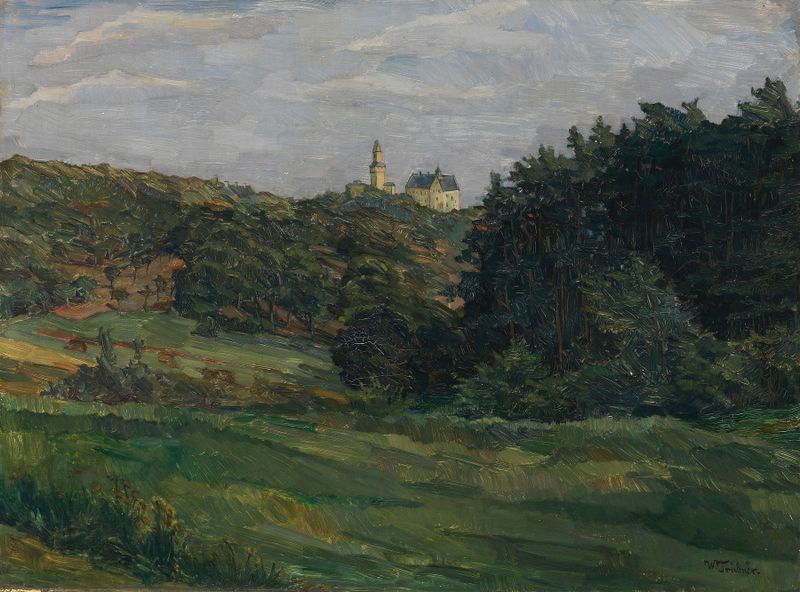
Burg Kronberg im Taunus
Wilhelm Trübner
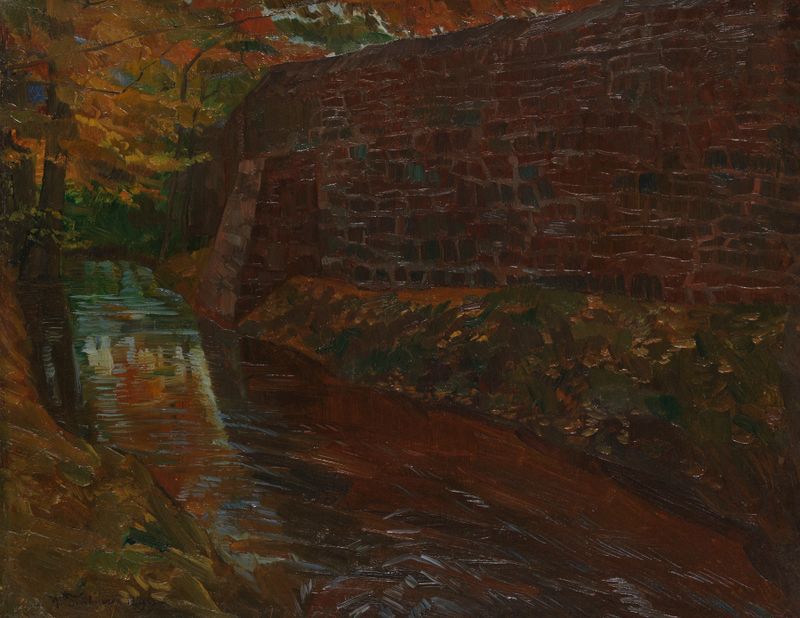
Parkmauer in Amorbach
Wilhelm Trübner

Garten einer Villa am Starnberger See
Wilhelm Trübner

A View of Frauenchiemsee
Wilhelm Trübner
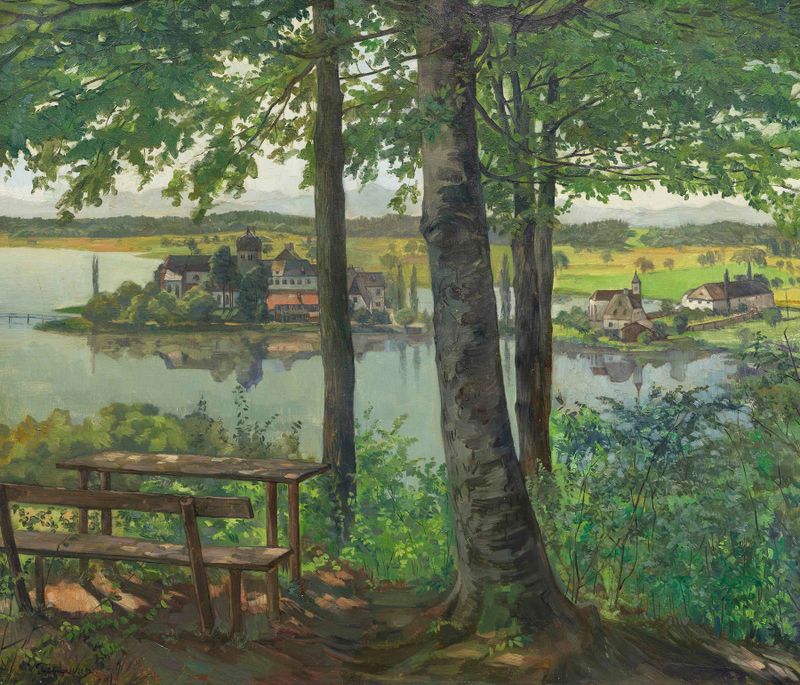
Aussicht auf Kloster Seeon
Wilhelm Trübner
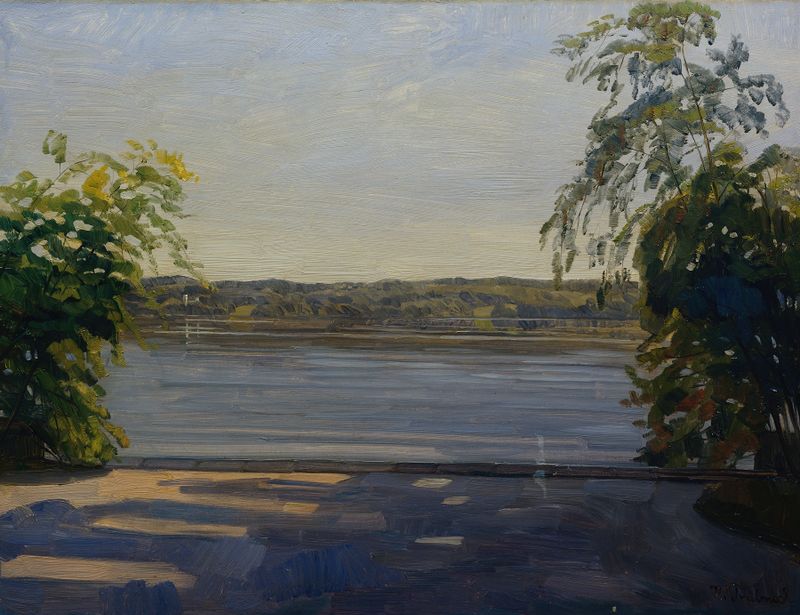
Starnberger See
Wilhelm Trübner
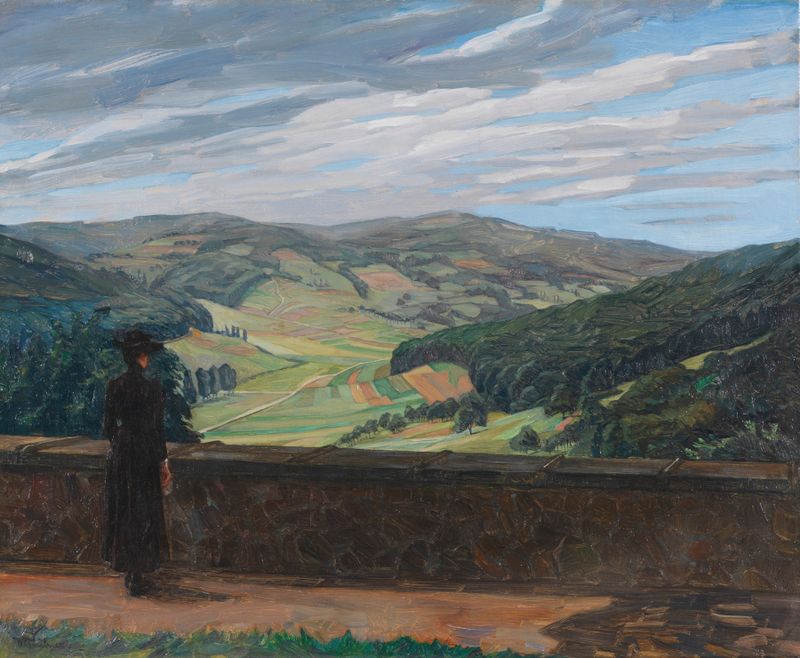
Blick in den Odenwald
Wilhelm Trübner
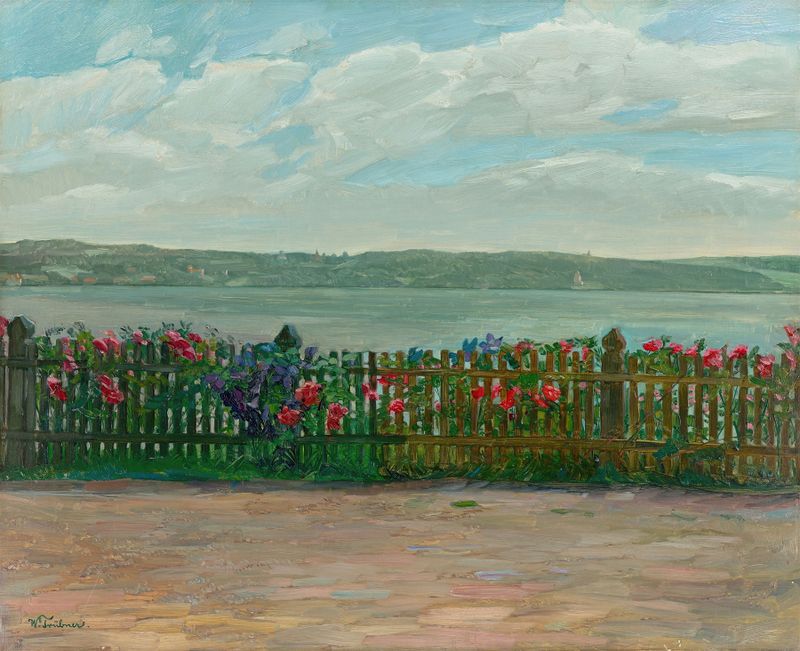
Rose fence with view of the Berg Castle at Lake Starnberg
Wilhelm Trübner
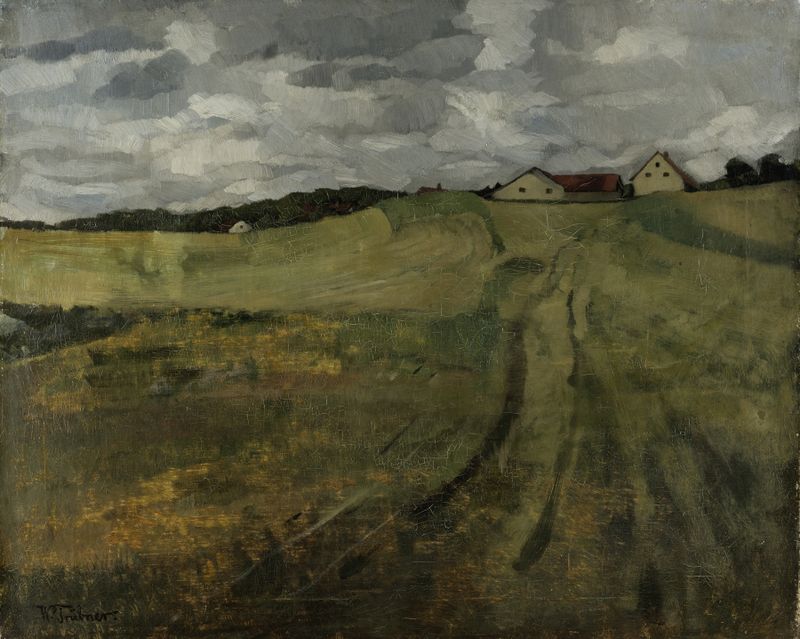
Stubble Field with Ascending Path near Wessling
Wilhelm Trübner
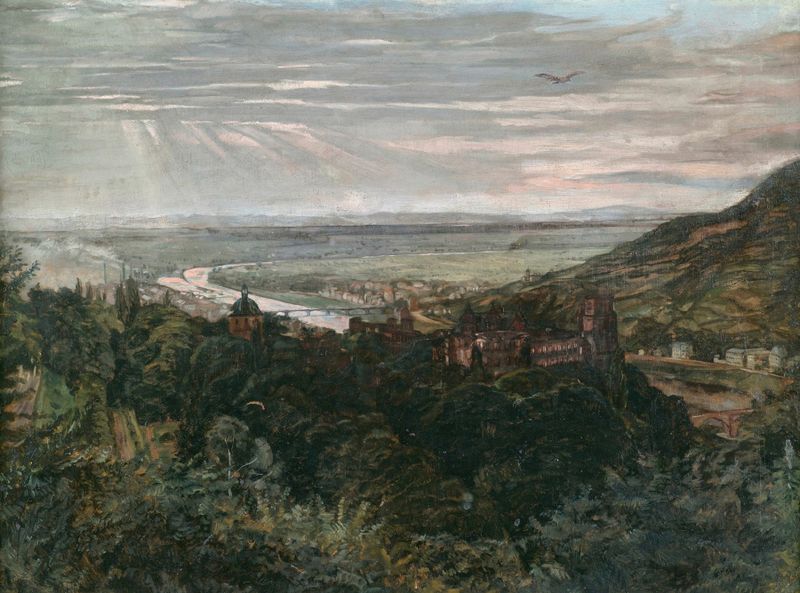
View of Heidelberg
Wilhelm Trübner





