
Autoportrét O 175 Orava Gallery — History & Facts
The first thing that draws the eye in Autoportrét O 175 Orava Gallery is the way the face emerges—almost hesitantly—from a field of darkness, as if the artist is testing the boundaries between self and shadow. The features are softly modeled, half in light, half surrendered to obscurity, inviting the viewer to linger on the ambiguity of expression. Behind the head, a band of stylized flowers, barely perceptible, hints at a decorative backdrop but refuses to compete with the solemn presence of the sitter.
The palette is hushed—deep browns and muted reds—so that the glimmer on the cheekbone and the white collar become acts of revelation. This is a portrait that withholds as much as it discloses, asking the viewer to search for the person within the gloom. Painted in 1897, this self-portrait belongs to a period when artists across Europe were turning inward, using their own likenesses to explore identity, psychology, and the shifting currents of modern life. In the late nineteenth century, self-portraiture was both a declaration and a laboratory: a space to experiment with new ways of seeing and being seen.
While little is recorded about Alexander Kubínyi or the specific story behind this work, its presence in the Orava Gallery via Web umenia places it within a tradition of Central European artists negotiating the pull of tradition and the allure of the avant-garde. The uncertainty and introspection in this image reflect a world on the cusp of change—one in which the artist’s own face becomes a site of questioning. Let your eyes adjust to the dark, and notice how much is happening just beneath the surface.
More Artworks by Alexander Kubínyi

Portrait of a boy in a stroller
Alexander Kubínyi
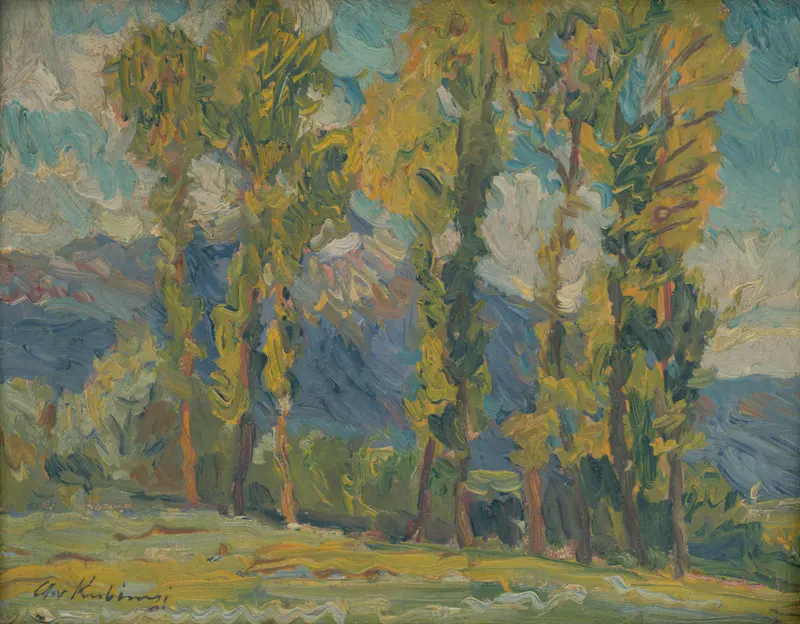
Štúdia krajiny O 3506 Slovak National Gallery
Alexander Kubínyi
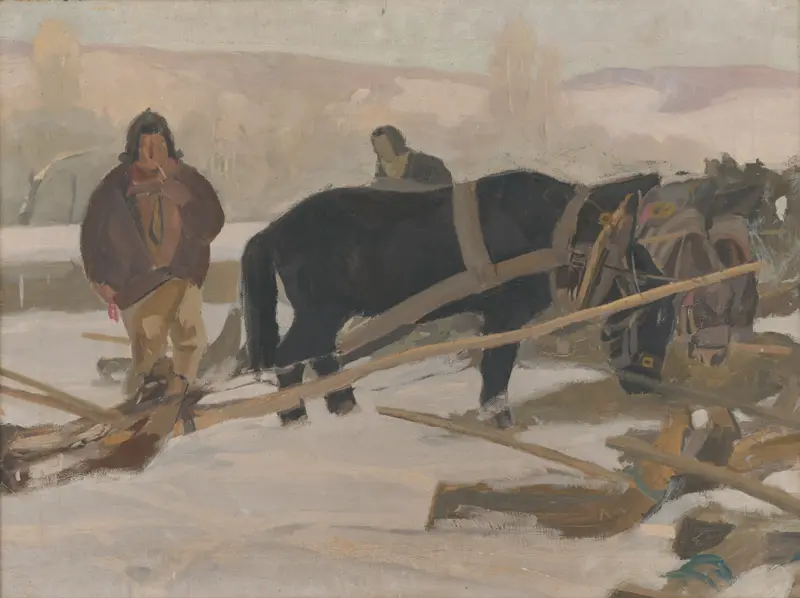
Furmani O 178 Orava Gallery
Alexander Kubínyi
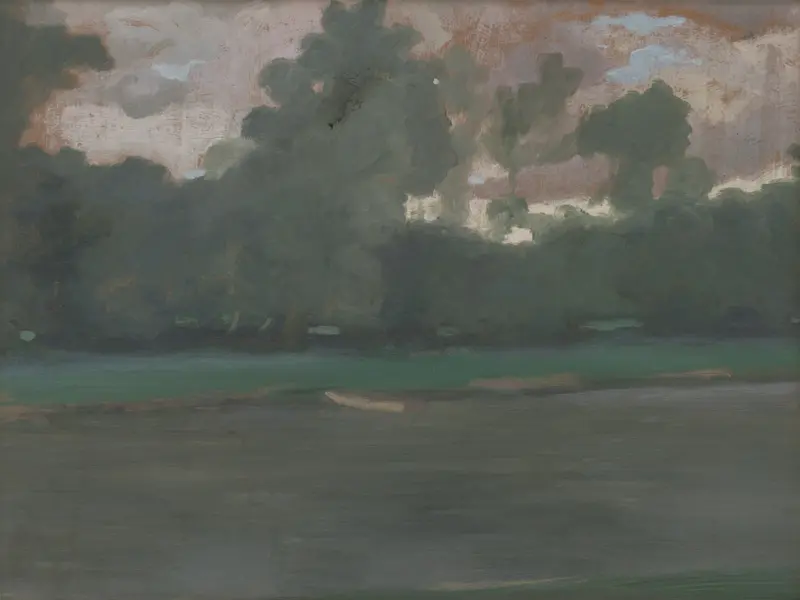
Krajina s vodou O 177 Orava Gallery
Alexander Kubínyi
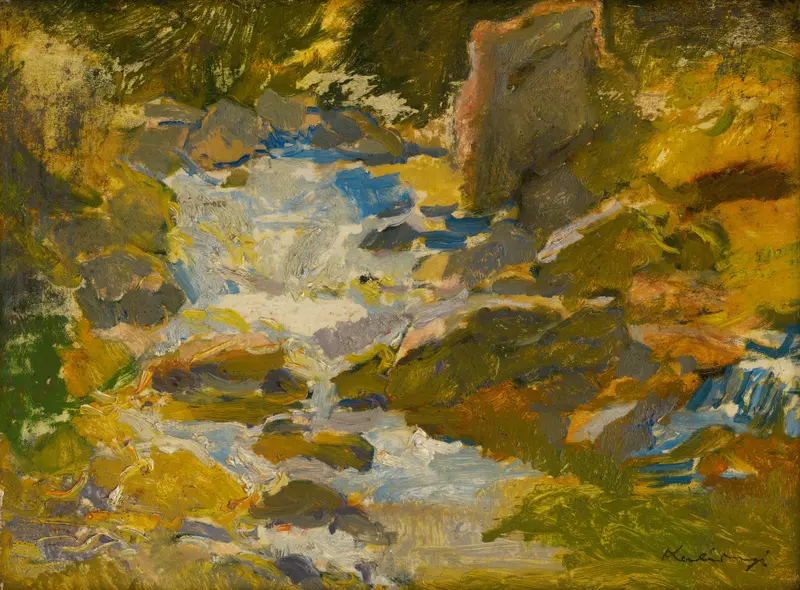
Lesný potok O 1770 Slovak National Gallery
Alexander Kubínyi
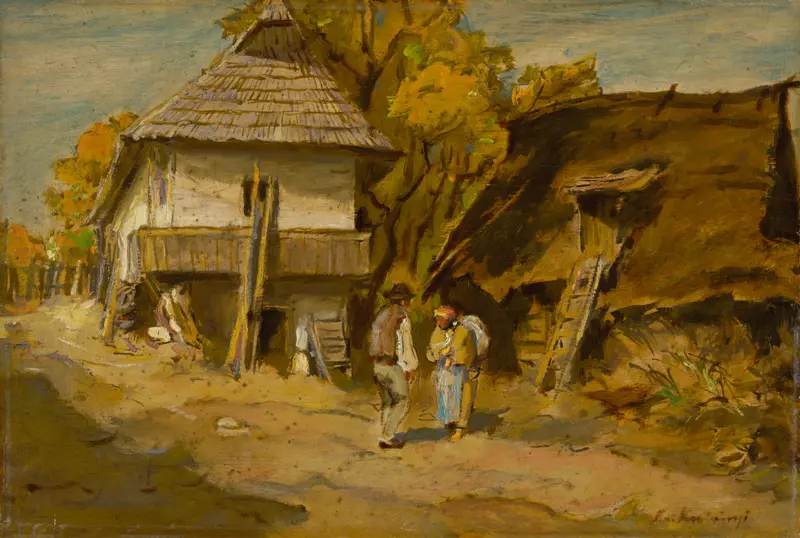
Motív z Leštín O 1248 Slovak National Gallery
Alexander Kubínyi
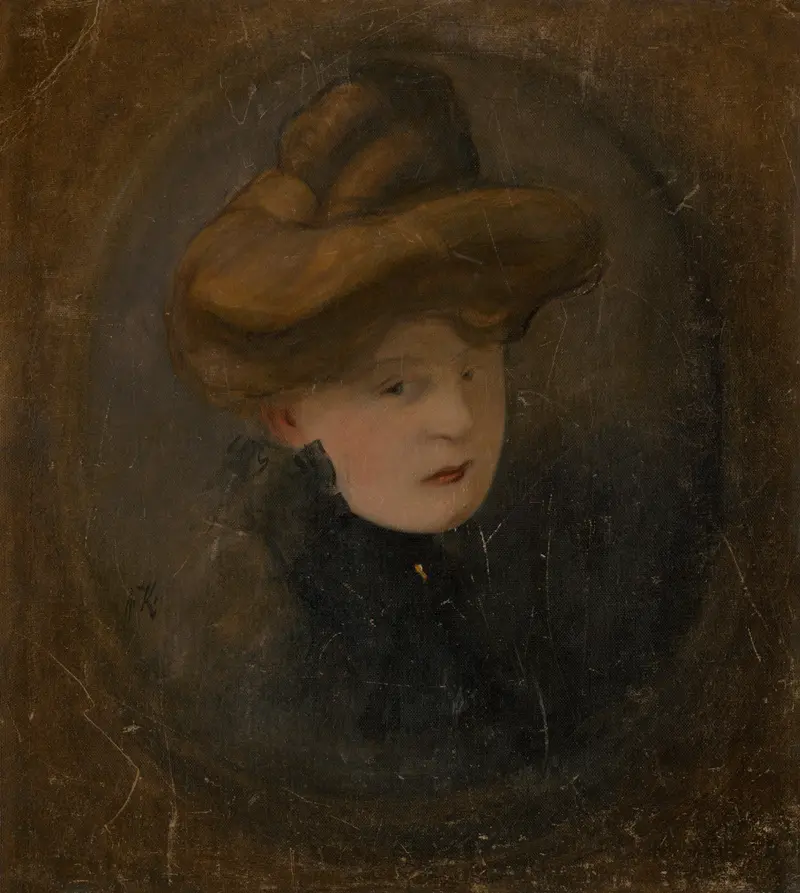
Portrét ženy O 3430 Slovak National Gallery
Alexander Kubínyi
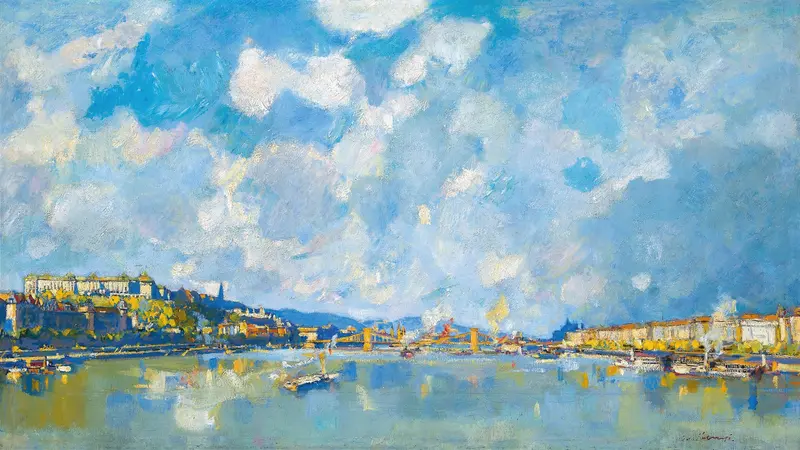
A View of Budapest with the Chain Bridge
Alexander Kubínyi
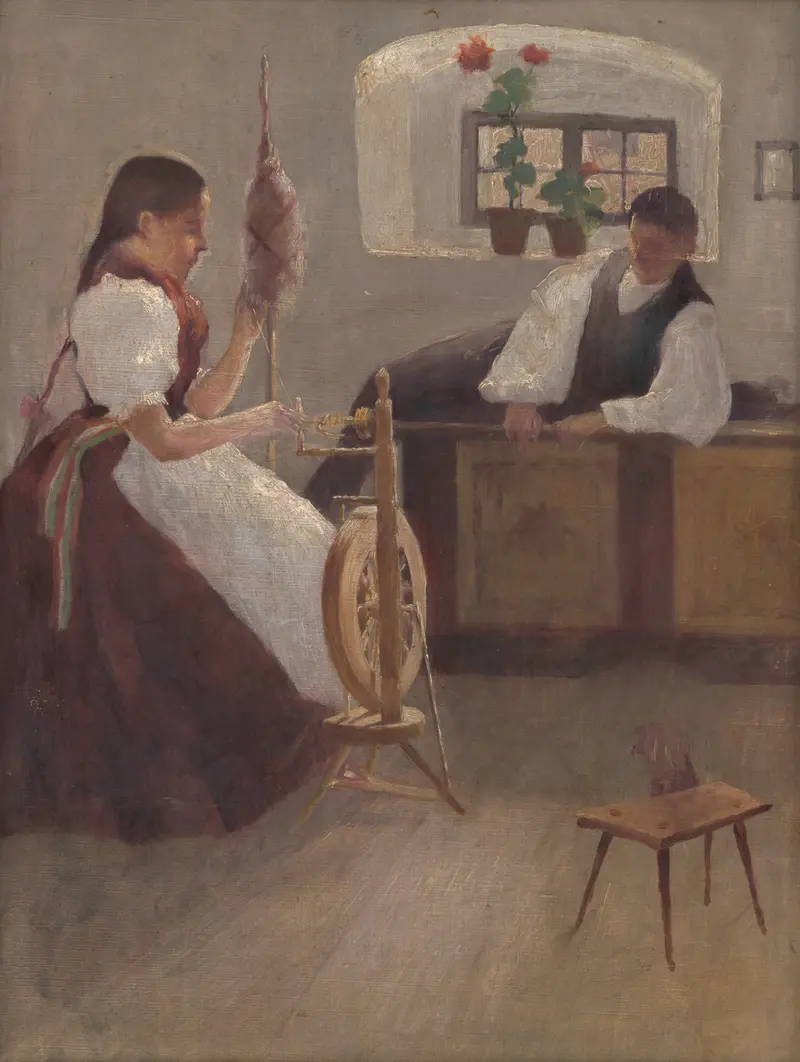
Priadka O 176 Orava Gallery
Alexander Kubínyi
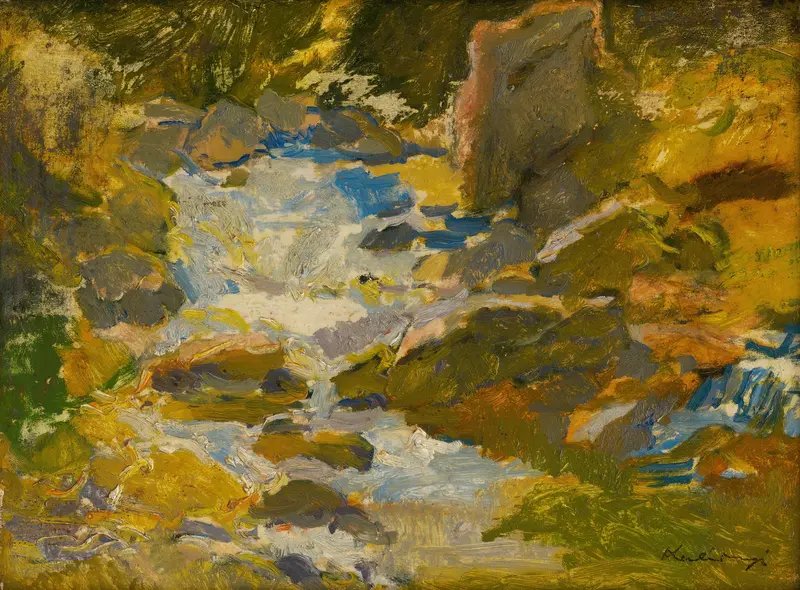
Forest Brook
Alexander Kubínyi





