
Motív z Leštín O 1248 Slovak National Gallery — History & Facts
What draws the eye first is the slant of sunlight across the rough thatch and timber, casting long shadows that seem to measure out a quiet afternoon in a rural Slovak village. The scene is anchored by two figures mid-conversation, their postures bent in the easy familiarity of neighbors, while the sturdy wooden house and its companion shed stand as silent witnesses. The painter’s brush moves quickly, almost sketch-like, suggesting the fleeting nature of this encounter—yet every detail, from the laundry draped over the balcony to the worn ladders propped against the walls, feels carefully observed.
Warm ochres and earth tones dominate, giving the entire composition a sense of late-season ripeness, as if autumn’s gold is seeping into every corner. Painted in 1890, this work belongs to a period when artists across Central Europe turned their attention to the everyday lives of rural people, capturing customs and landscapes threatened by modernization. Such scenes, often commissioned for regional exhibitions or as part of burgeoning national collections, were both a celebration and a preservation of local identity. Motív z Leštín O 1248 Slovak National Gallery by Alexander Kubínyi now resides in the Web umenia collection, a testament to the era’s fascination with the rhythms of village life.
History has kept few traces of Kubínyi’s broader career, but the painting’s quiet intimacy invites us to linger, searching for stories in the play of light and the gentle curve of the path.
More Artworks by Alexander Kubínyi

Portrait of a boy in a stroller
Alexander Kubínyi
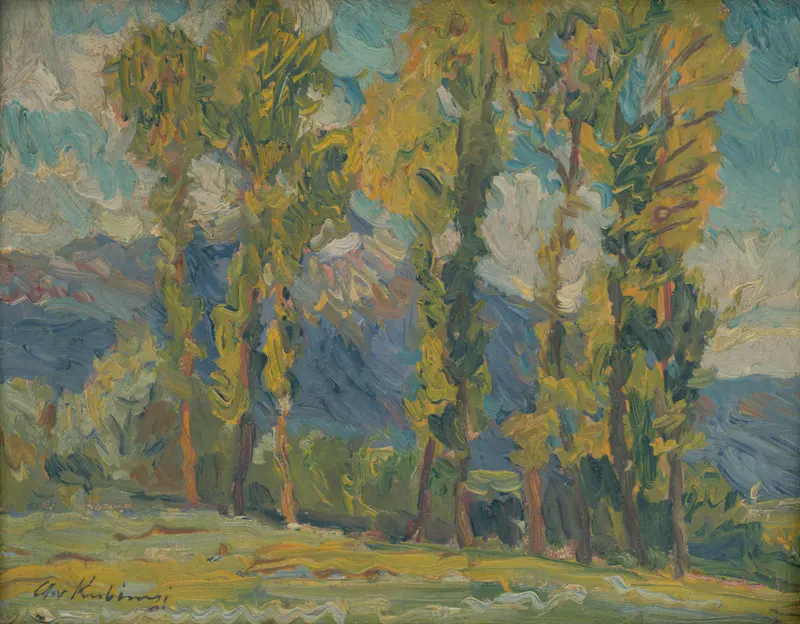
Štúdia krajiny O 3506 Slovak National Gallery
Alexander Kubínyi
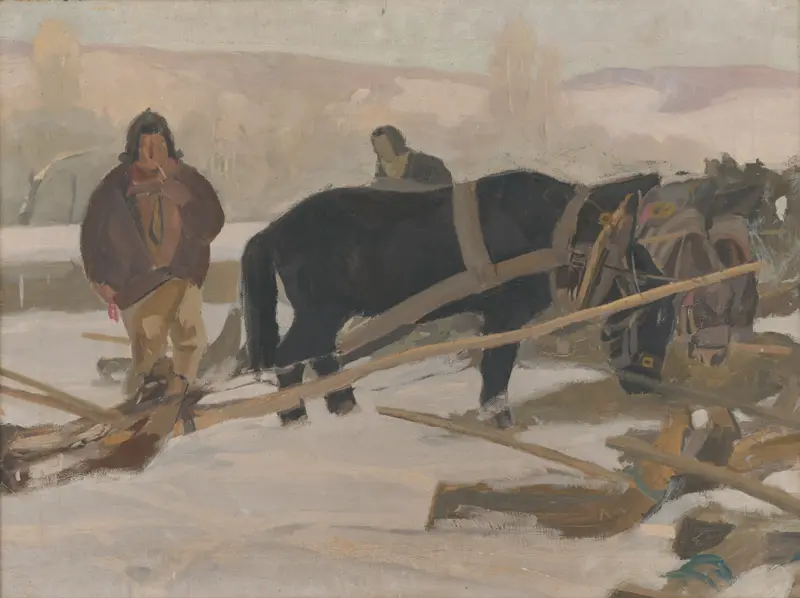
Furmani O 178 Orava Gallery
Alexander Kubínyi
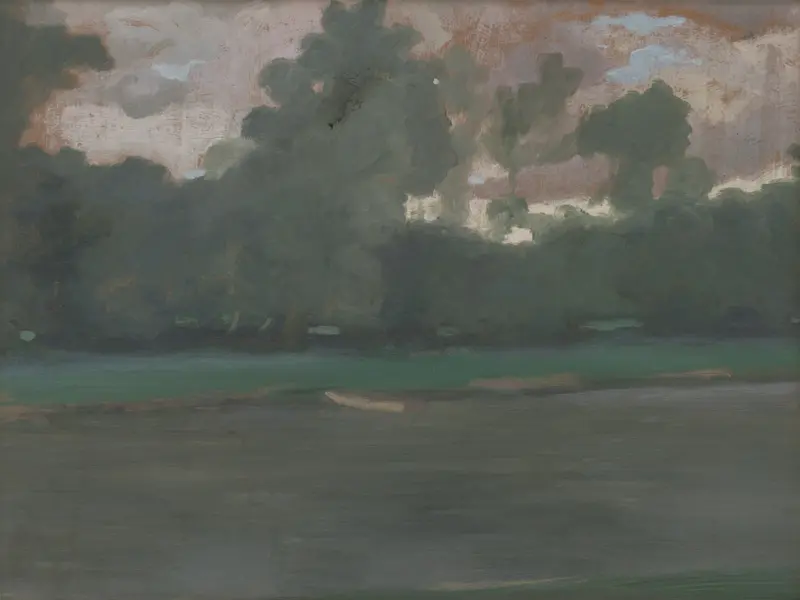
Krajina s vodou O 177 Orava Gallery
Alexander Kubínyi
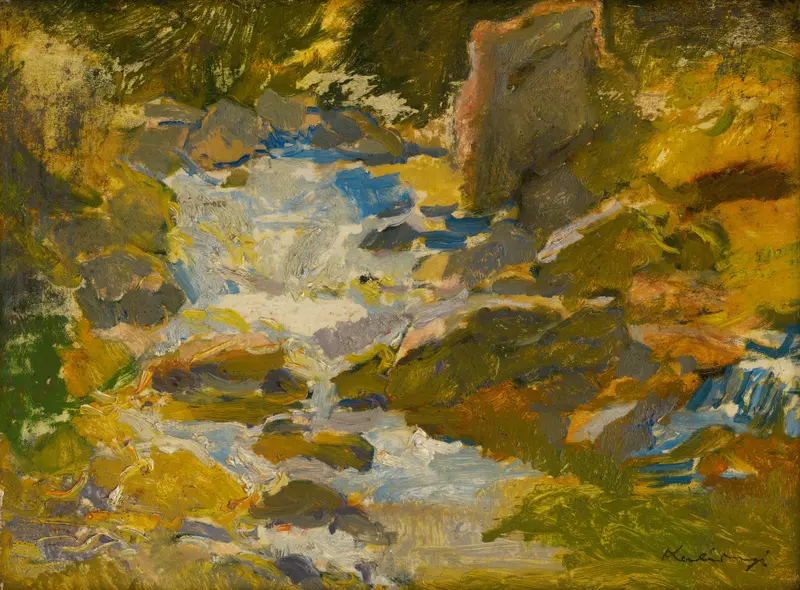
Lesný potok O 1770 Slovak National Gallery
Alexander Kubínyi
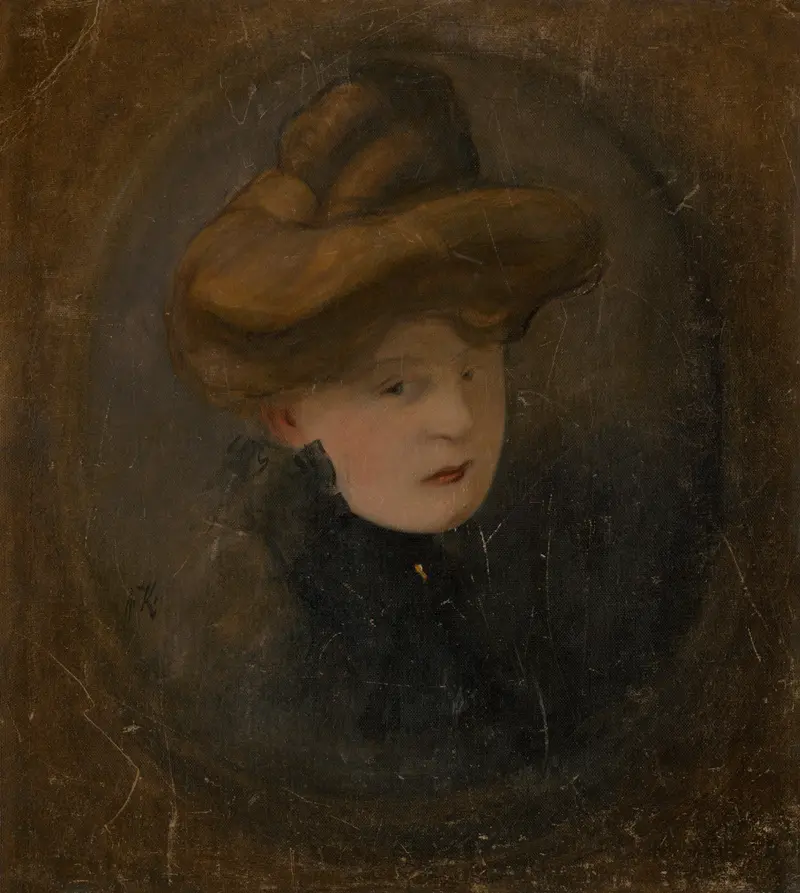
Portrét ženy O 3430 Slovak National Gallery
Alexander Kubínyi
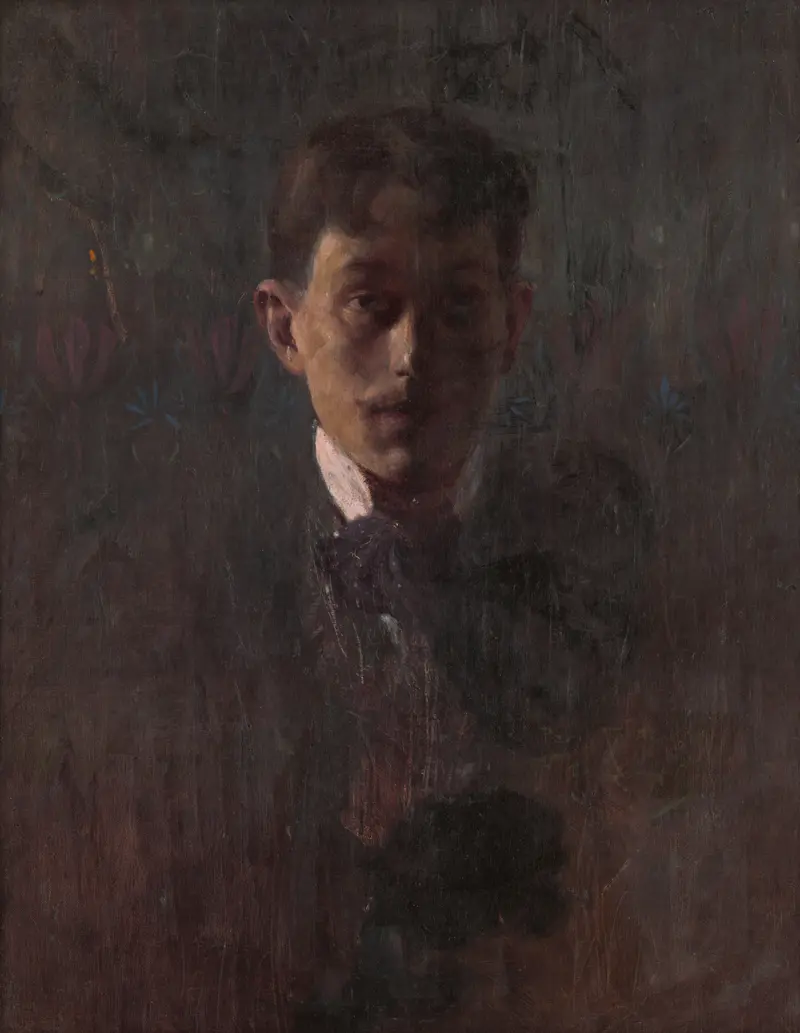
Autoportrét O 175 Orava Gallery
Alexander Kubínyi
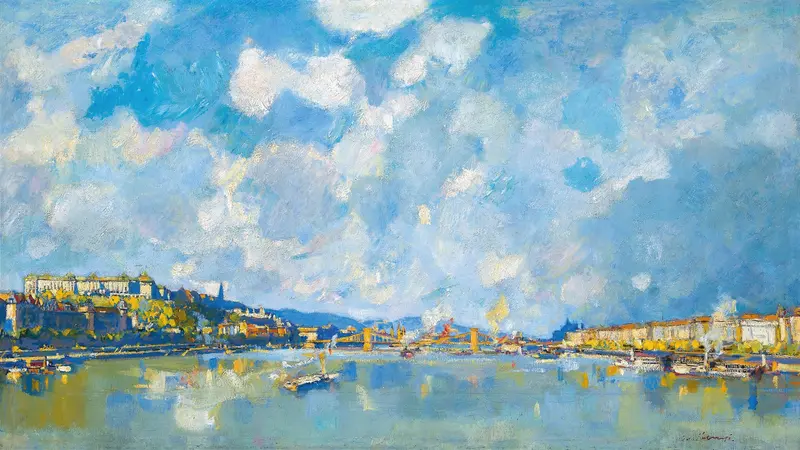
A View of Budapest with the Chain Bridge
Alexander Kubínyi
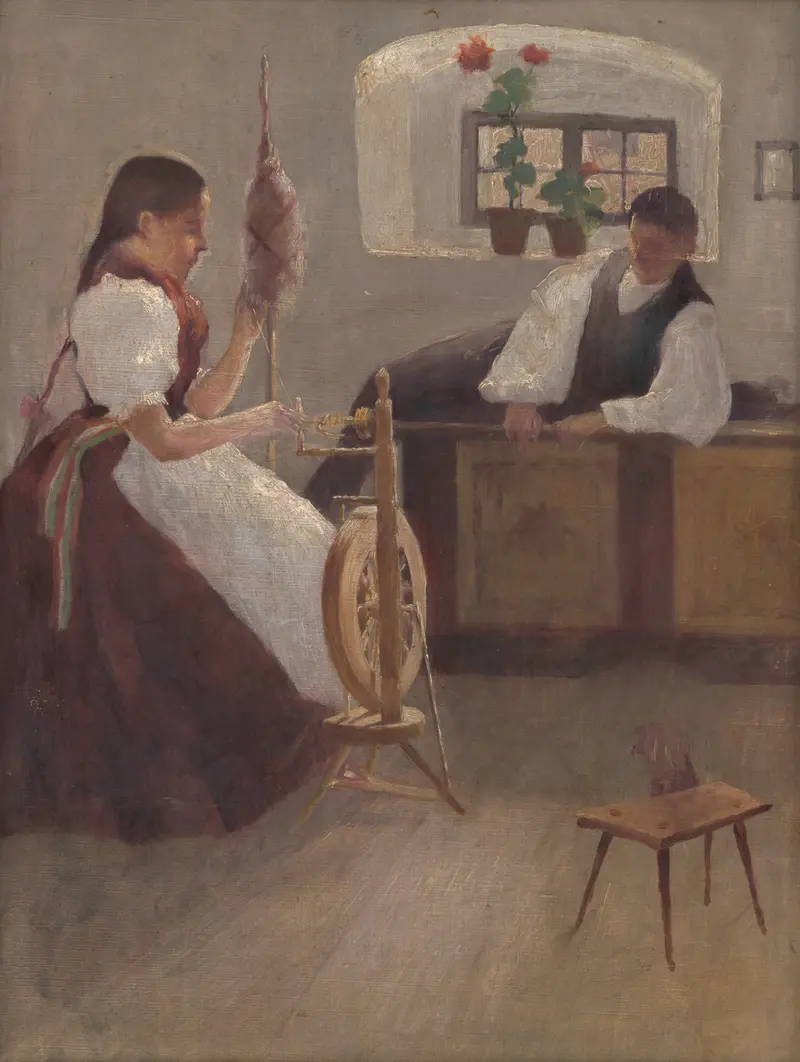
Priadka O 176 Orava Gallery
Alexander Kubínyi
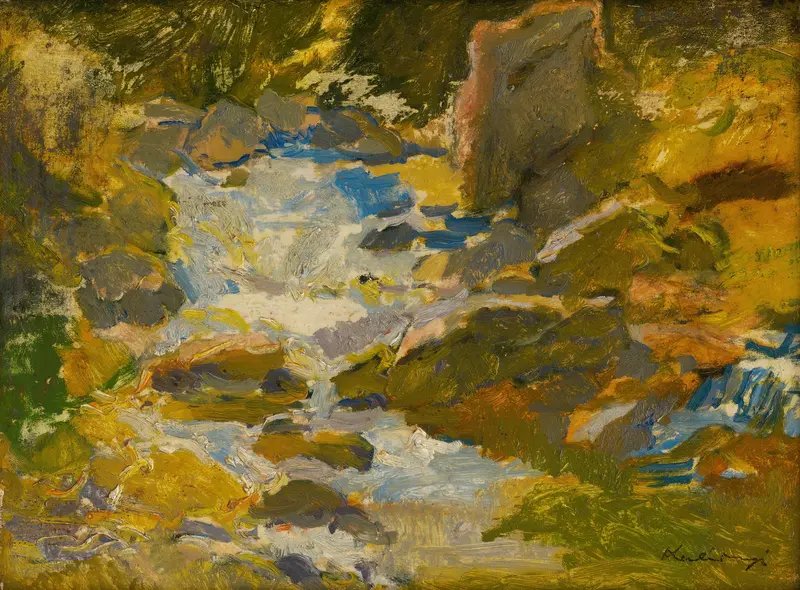
Forest Brook
Alexander Kubínyi
More Genre Scene Art

Banquet of the Officers of the St George Civic Guard
Frans Hals

Rembrandt and Saskia in the Scene of the Prodigal Son
Rembrandt van Rijn

Bal du moulin de la Galette
Pierre-Auguste Renoir

Quadrille at the Moulin Rouge
Henri de Toulouse-Lautrec

A Burial at Ornans
Gustave Courbet

When Will You Marry?
Paul Gauguin