
Priadka O 176 Orava Gallery — History & Facts
What first draws the eye in Priadka O 176 Orava Gallery is the quiet intensity of the woman at her spinning wheel, her concentration set against the gentle domesticity of the room. The light, filtered through a small window, lands on her white blouse and the spinning wheel itself, making these the heart of the scene. Her companion, half-reclined on a bench, watches her with an unreadable expression—perhaps patient, perhaps quietly amused.
The painter uses the geometry of the spinning wheel and the angled bench to guide the viewer’s gaze in a slow circle, always returning to the woman’s hands and the labor they perform. The earthy palette, punctuated by the bright red flowers on the windowsill, gives the room a sense of warmth and containment, as if the outside world pauses at the threshold. Painted in 1901, this work belongs to a moment when artists across Central Europe were turning their attention to scenes of rural life, capturing the rhythms and rituals that shaped everyday existence. Such paintings often served as both ethnographic record and gentle celebration, commissioned for regional collections or local patrons who wished to preserve a vanishing way of life.
Though little is recorded about the specific history of this piece by Alexander Kubínyi, its presence in the Orava Gallery and its inclusion on Web umenia place it firmly within this tradition. The painting invites us to linger, to notice the interplay of work and rest, and to imagine the stories that fill a quiet room on an ordinary day.
More Artworks by Alexander Kubínyi

Portrait of a boy in a stroller
Alexander Kubínyi
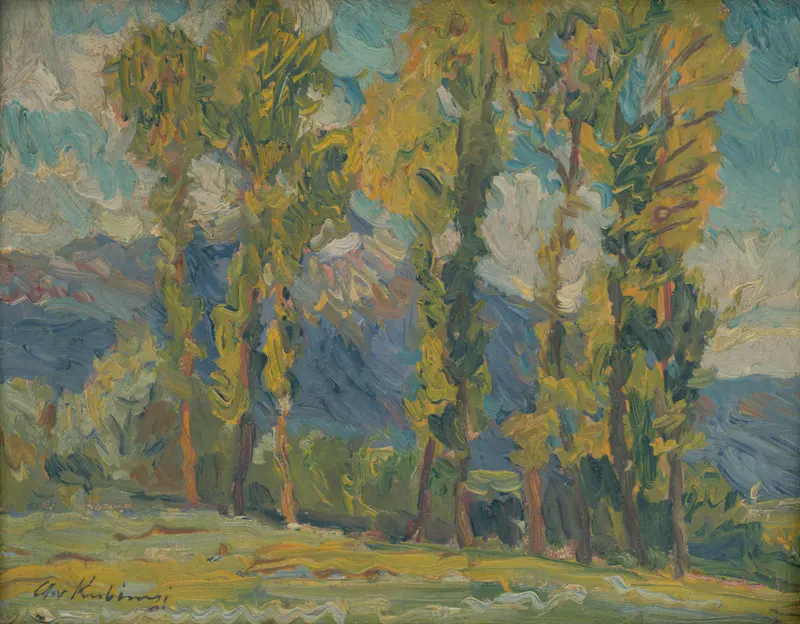
Štúdia krajiny O 3506 Slovak National Gallery
Alexander Kubínyi
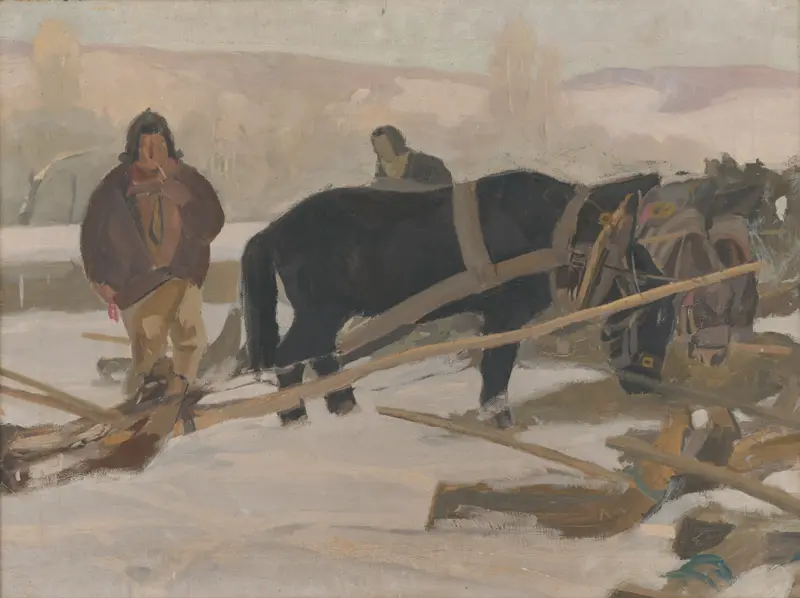
Furmani O 178 Orava Gallery
Alexander Kubínyi
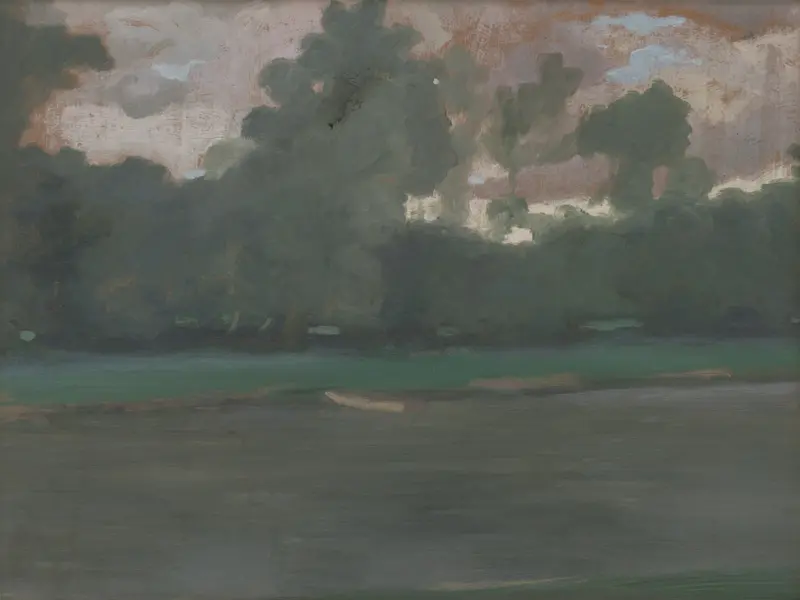
Krajina s vodou O 177 Orava Gallery
Alexander Kubínyi
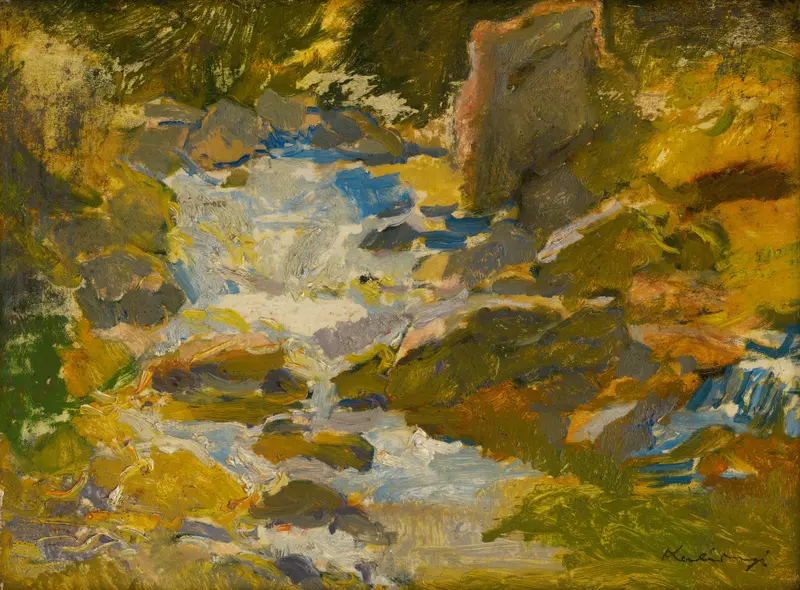
Lesný potok O 1770 Slovak National Gallery
Alexander Kubínyi
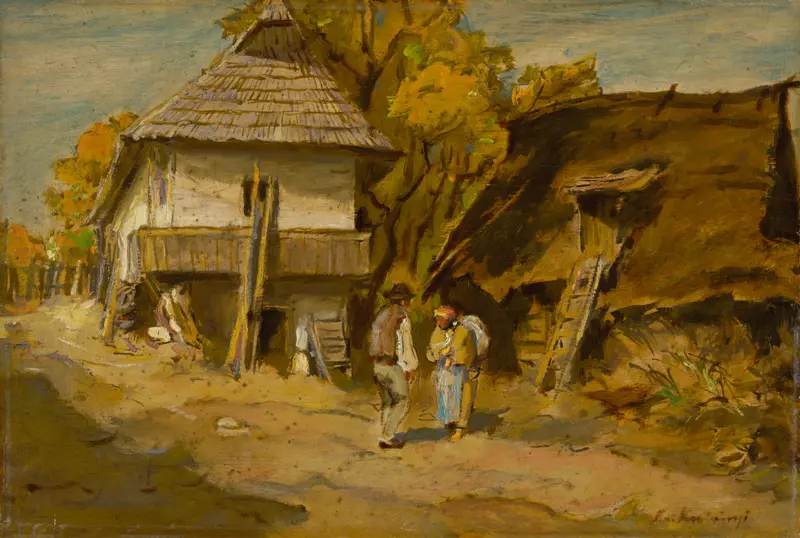
Motív z Leštín O 1248 Slovak National Gallery
Alexander Kubínyi
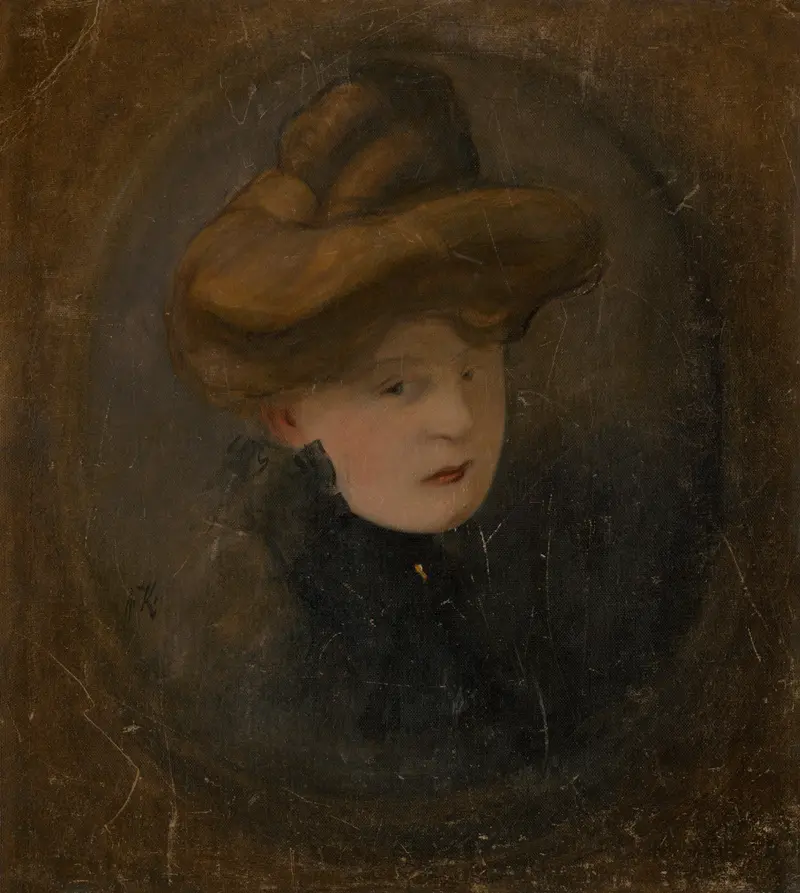
Portrét ženy O 3430 Slovak National Gallery
Alexander Kubínyi
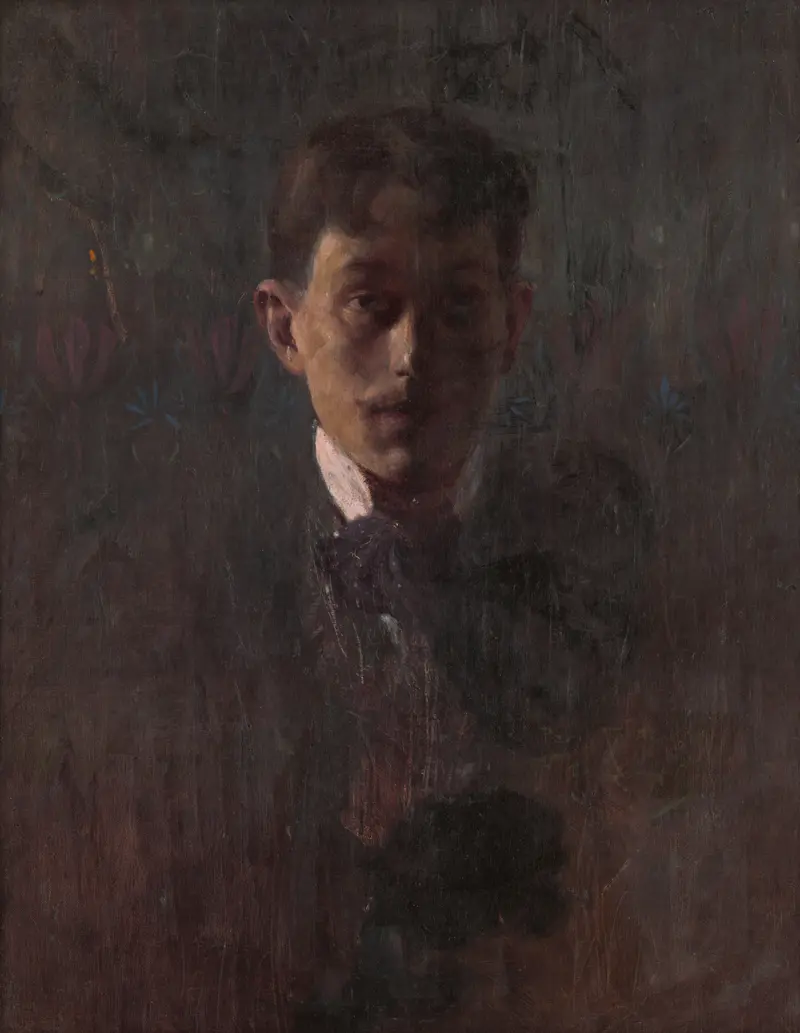
Autoportrét O 175 Orava Gallery
Alexander Kubínyi
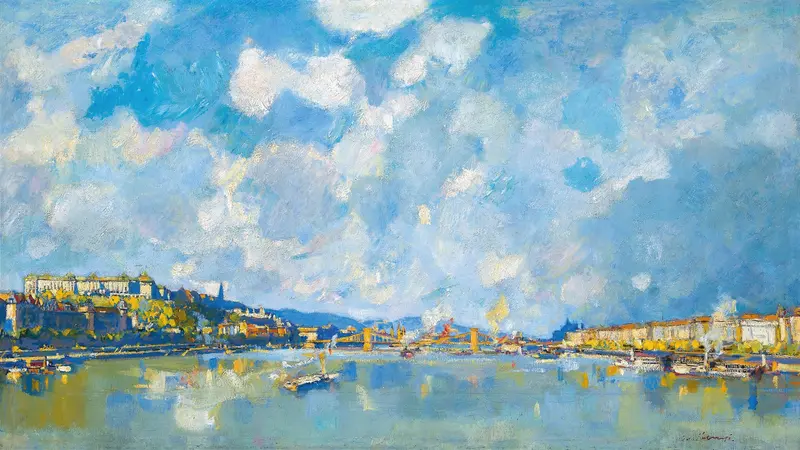
A View of Budapest with the Chain Bridge
Alexander Kubínyi
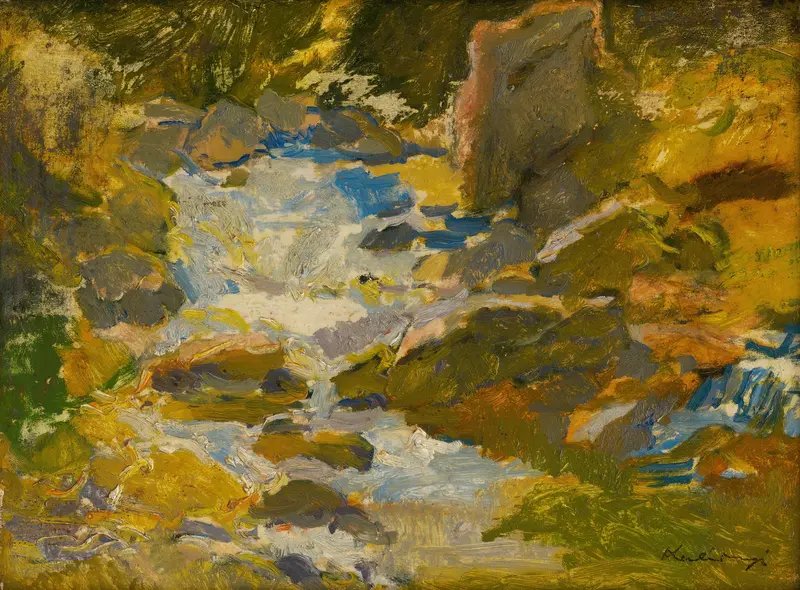
Forest Brook
Alexander Kubínyi
More Genre Scene Art

Banquet of the Officers of the St George Civic Guard
Frans Hals

Rembrandt and Saskia in the Scene of the Prodigal Son
Rembrandt van Rijn

Bal du moulin de la Galette
Pierre-Auguste Renoir

Quadrille at the Moulin Rouge
Henri de Toulouse-Lautrec

A Burial at Ornans
Gustave Courbet

When Will You Marry?
Paul Gauguin