
Autumn — History & Facts
Did the painter know this moment would outlive them? In the realm of color and light, Autumn captures a fleeting essence that transcends time, inviting us to ponder the beauty of impermanence. Look to the left at the brilliant hues of orange and gold, where leaves dance in the gentle embrace of a crisp breeze. These warm tones blend seamlessly with the cool blues of the sky, creating a striking contrast that defines the season's transition. Notice how the artist employs delicate brushstrokes, allowing the colors to pulse with vibrancy while the soft, diffused light bathes the landscape in a golden glow.
This interplay of warmth and coolness induces a sense of nostalgia, awakening memories of change and harvest. Deeper within the canvas lies the tension between life and decay. The treetops, heavy with autumn’s bounty, symbolize both abundance and the inevitable onset of winter. Interspersed among the foliage, hints of bare branches remind us of nature’s cycles, framing the beauty of the moment with an undercurrent of loss.
This duality speaks to the heart, echoing our own experiences of joy intertwined with the bittersweet passage of time. During the late 19th century in Sweden, Alfred Wahlberg painted Autumn amidst a growing recognition of the landscape genre. As an artist influenced by Romanticism, he sought to express the sublime beauty of nature, a pursuit resonating deeply during a period of expanding artistic exploration. The world was shifting, and in capturing this moment, he immortalized the essence of autumn, a fleeting experience that would resonate beyond his own lifetime.
More Artworks by Alfred Wahlberg
Browse all →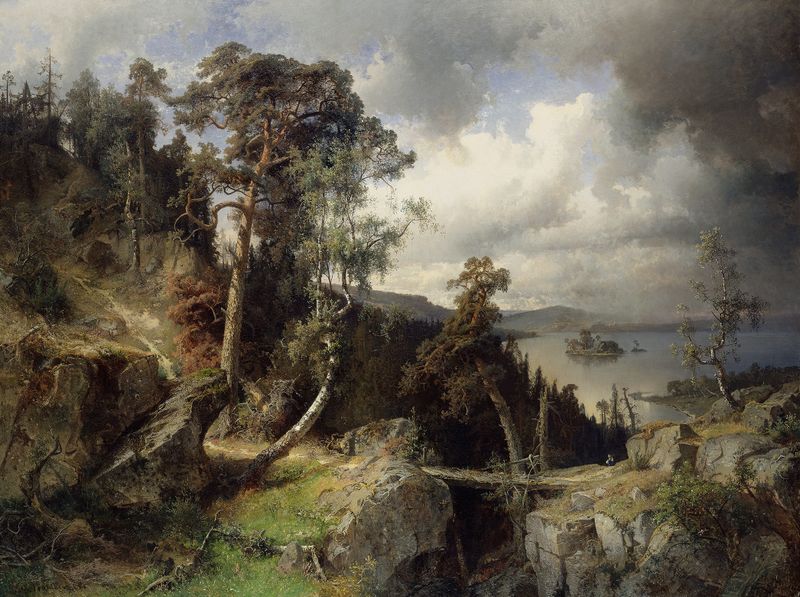
Swedish Landscape. Motif from Kolmården
Alfred Wahlberg

Landscape
Alfred Wahlberg
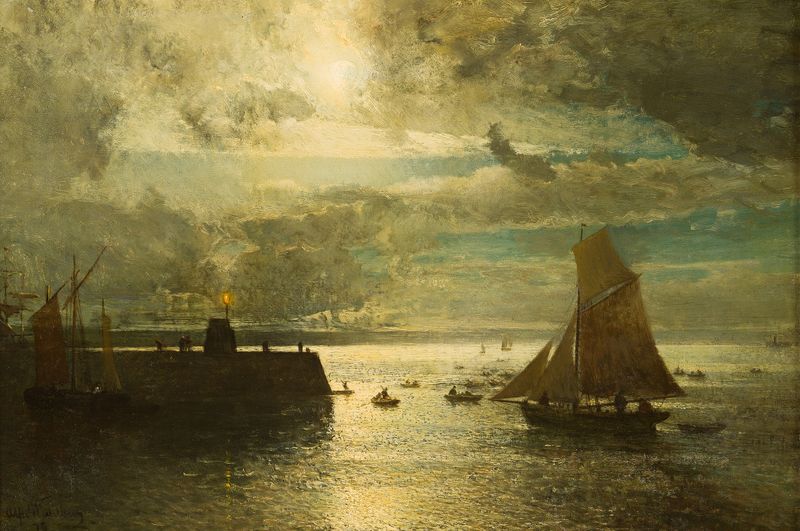
Moonlit Landscape
Alfred Wahlberg
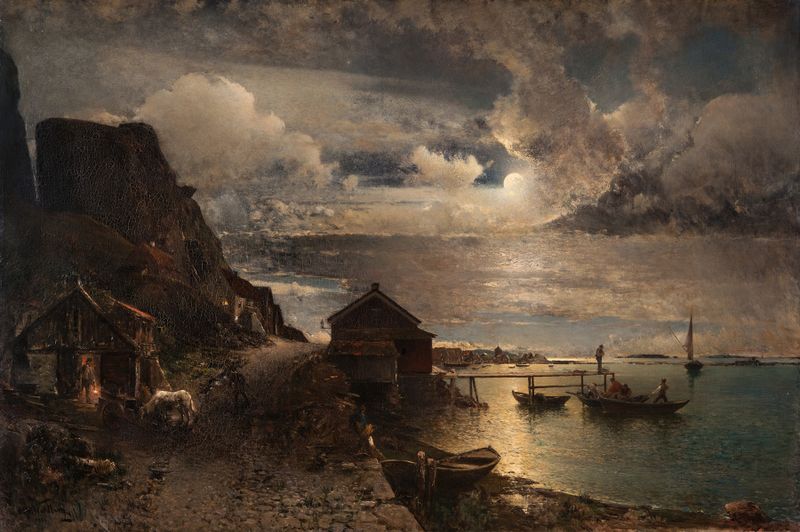
Moonlight, Fjällbacka
Alfred Wahlberg
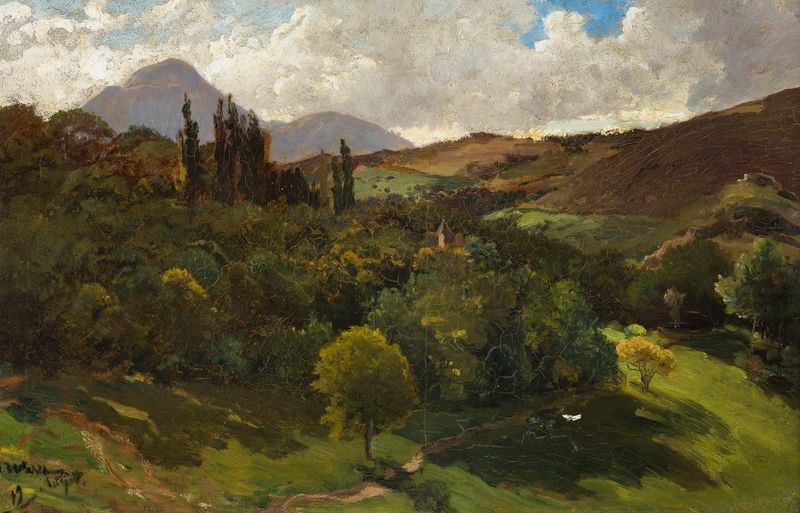
Southern Mountain Landscape
Alfred Wahlberg
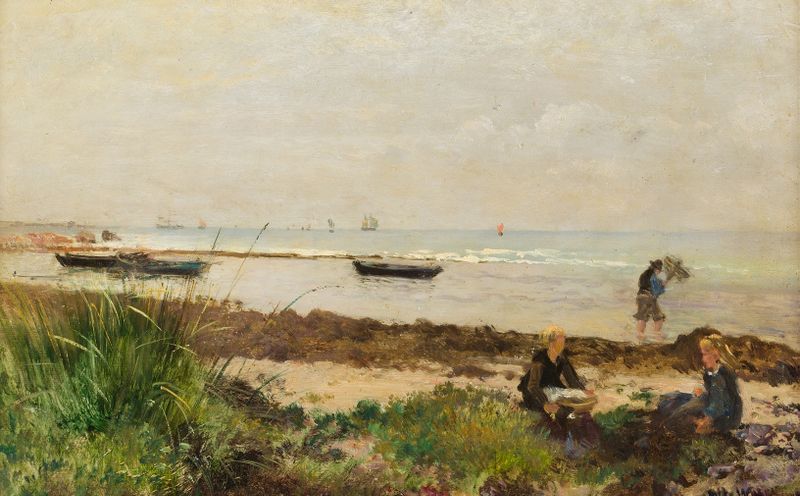
On the Beach
Alfred Wahlberg
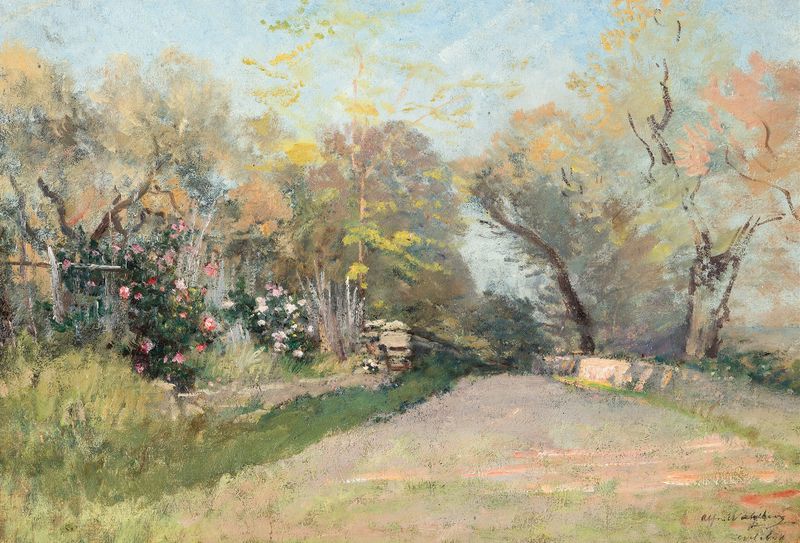
Landscape near Antibes. Study
Alfred Wahlberg
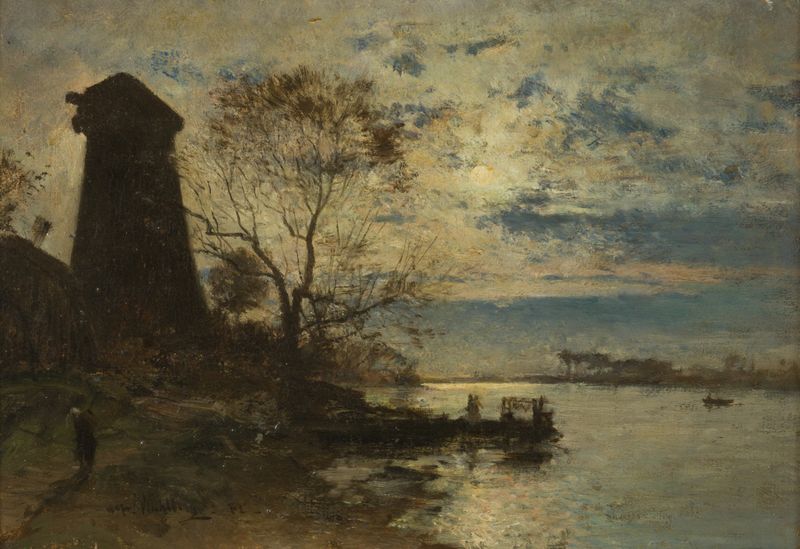
The Shore
Alfred Wahlberg
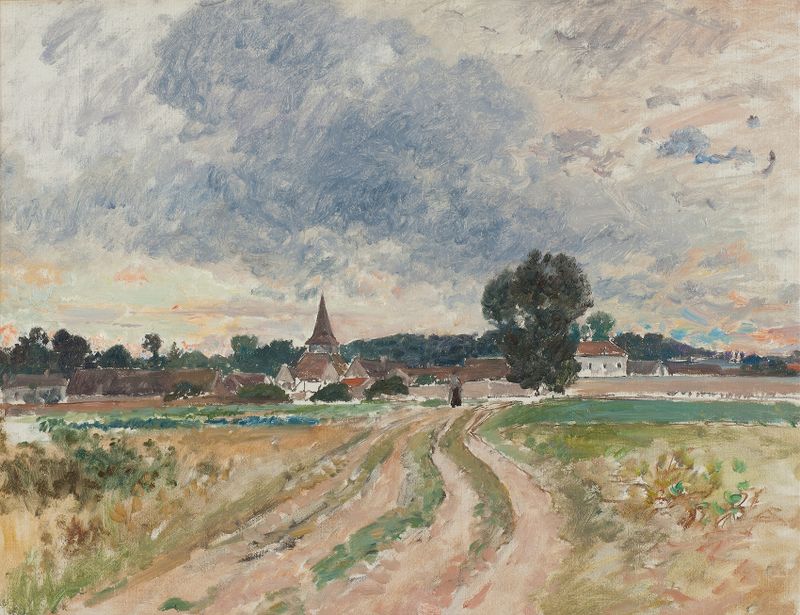
A Country Church. Study
Alfred Wahlberg





