
Moonlit Landscape — History & Facts
Did the painter know this moment would outlive them? A stillness permeates the scene as shadows dance under the moon's soft embrace, whispering secrets of a night that feels alive. Focus on the luminous sky, where soft blues and silvery whites meld together, casting a serene glow across the landscape. The gentle ripples of the water reflect this ethereal light, drawing your gaze inward to the tranquil scene. There is a subtle energy in the movement of the trees, their leaves stirring softly in the night breeze, while distant hills loom quietly, grounding this dreamlike view. Hidden within the serene beauty are contrasts that evoke a deeper resonance.
The interplay of light and shadow suggests the passage of time, as the moon illuminates not just the physical world, but also the emotional landscape of solitude. The delicate brushstrokes create a sense of movement, capturing the fleeting moments of dusk as they transition into night, inviting the viewer to ponder their own place within this vast, eternal scene. Alfred Wahlberg created Moonlit Landscape in 1878, during a period when he was deeply influenced by the natural beauty of Sweden. At this time, he was establishing himself as a leading figure in the Swedish Romantic movement, focusing on the effects of light in landscapes.
The work reflects a personal exploration of tranquility amidst a world on the brink of industrial change, capturing a moment that resonates with timelessness.
More Artworks by Alfred Wahlberg
Browse all →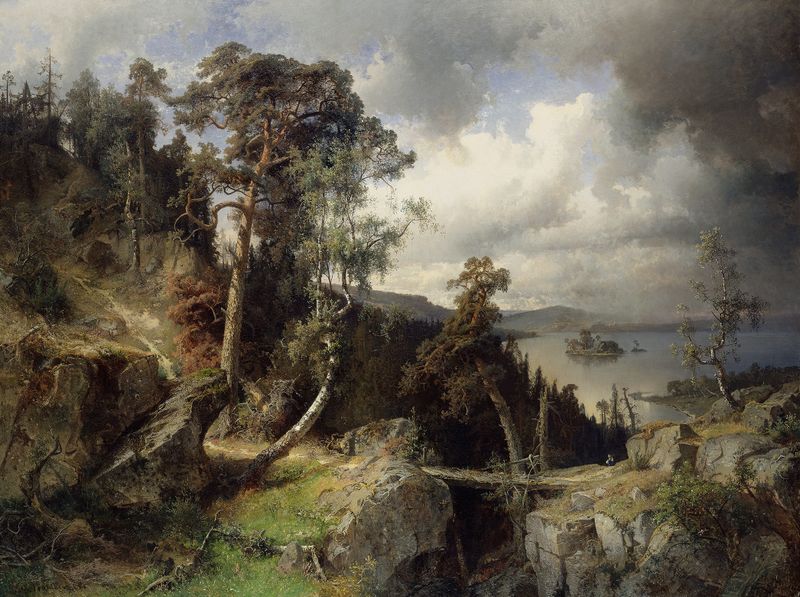
Swedish Landscape. Motif from Kolmården
Alfred Wahlberg

Landscape
Alfred Wahlberg
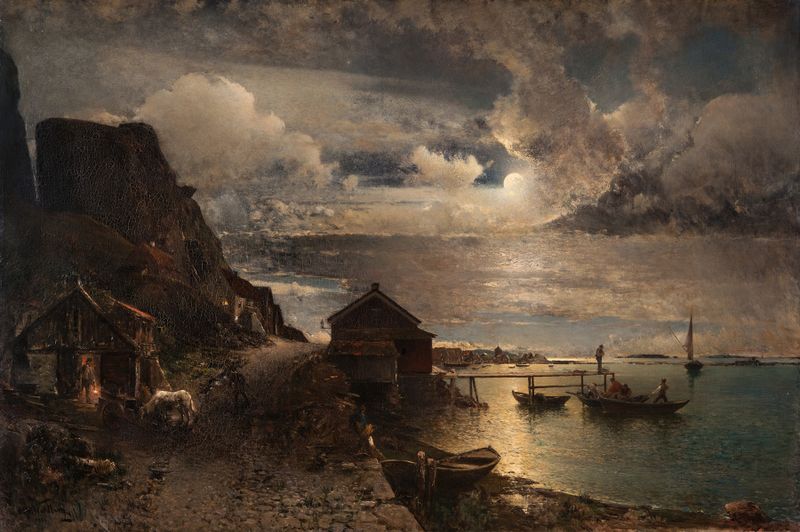
Moonlight, Fjällbacka
Alfred Wahlberg
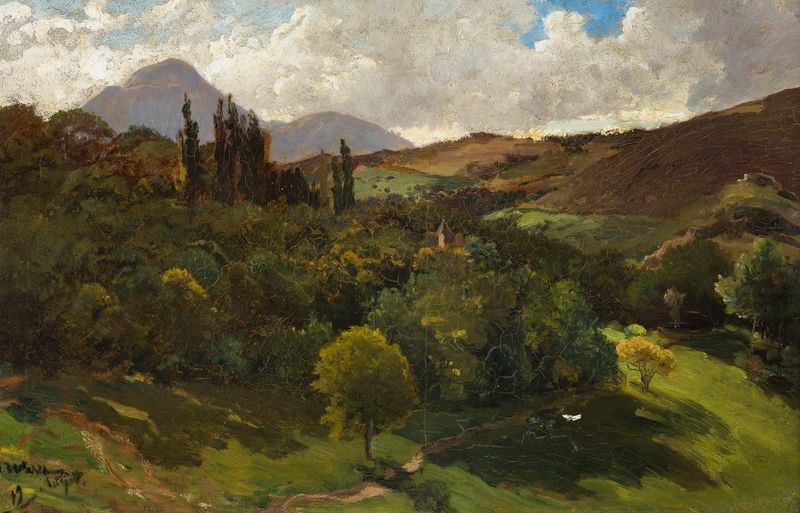
Southern Mountain Landscape
Alfred Wahlberg
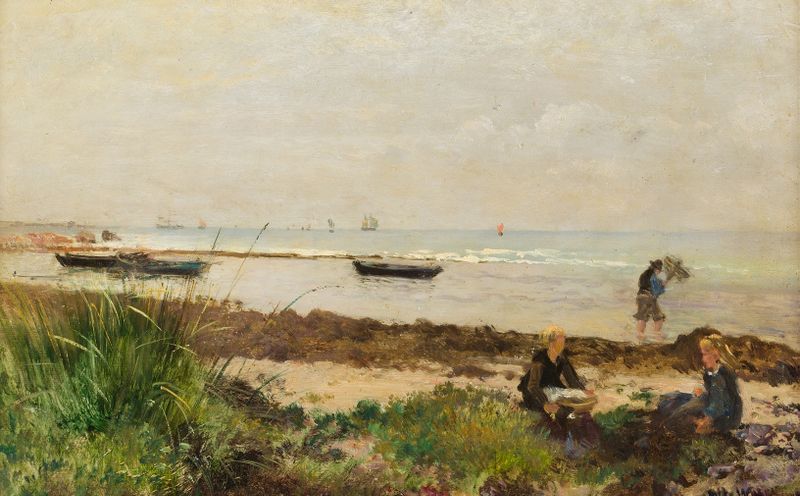
On the Beach
Alfred Wahlberg
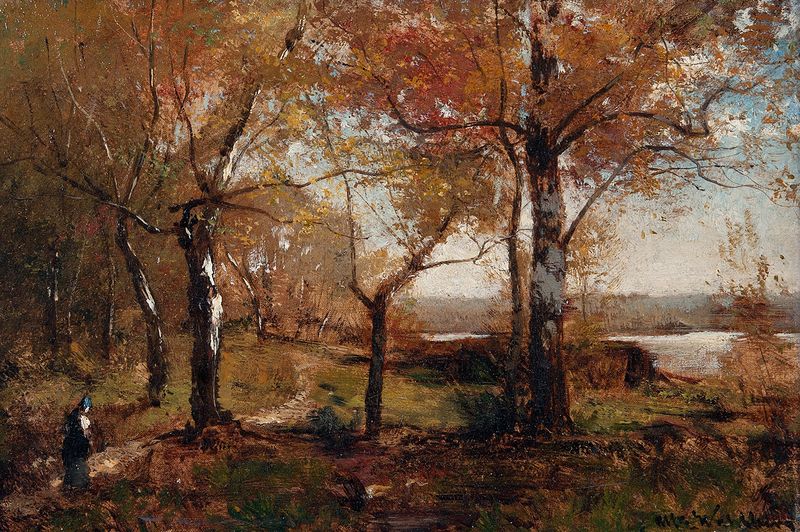
Autumn
Alfred Wahlberg
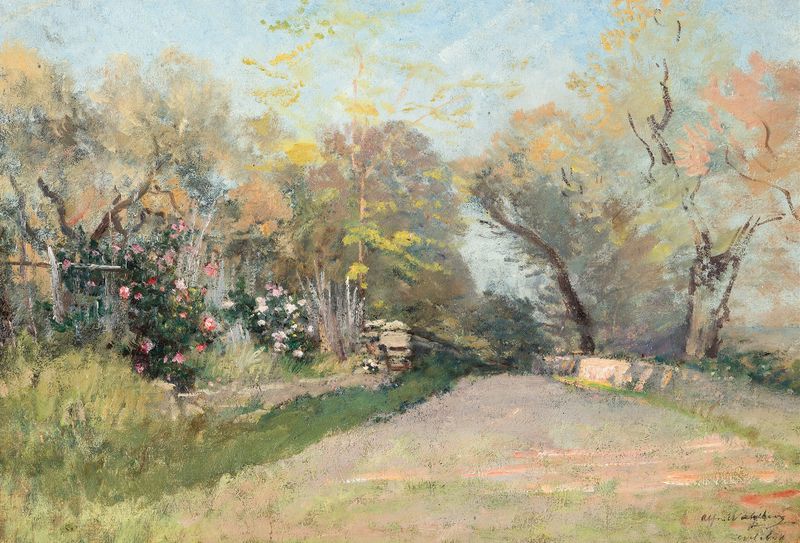
Landscape near Antibes. Study
Alfred Wahlberg
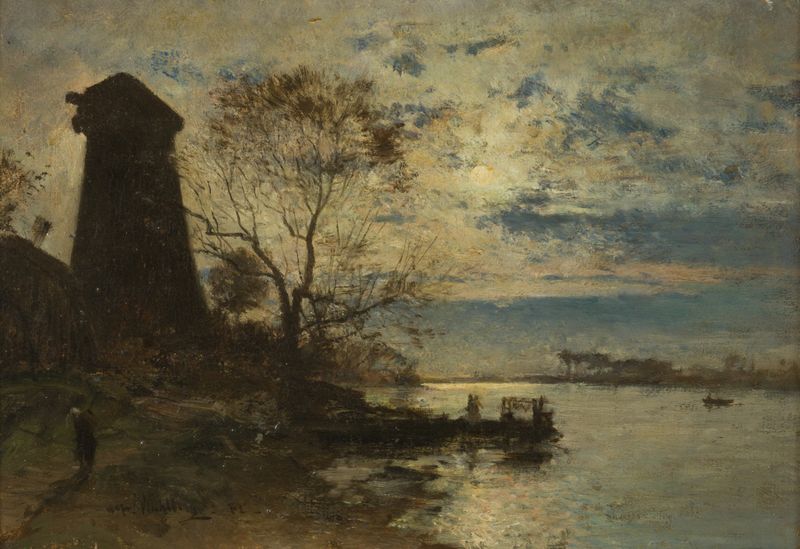
The Shore
Alfred Wahlberg
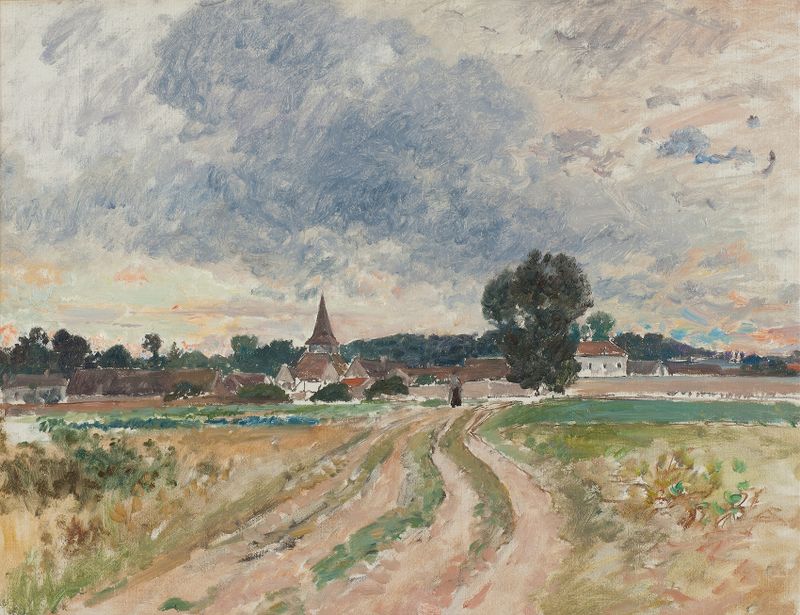
A Country Church. Study
Alfred Wahlberg





