
Moonlight, Fjällbacka — History & Facts
In the soft embrace of twilight, a world lingers on the cusp of night, where melancholy whispers softly through the hues of blue and gold. Look to the center, where a shimmering sea reflects the quiet glow of the moon, its silvery light dancing delicately across the water's surface. Notice how the artist employs a rich palette, blending deep azure with warm ochres, inviting the viewer to wander through the twilight landscape. The brushstrokes are both fluid and rhythmic, capturing the gentle lapping of waves against the rocky shore, while distant hills stand as silent sentinels, intensifying the serene yet somber atmosphere. Hidden within this tranquil scene are layers of emotional tension.
The tranquil water suggests calmness, yet the encroaching darkness hints at a sense of isolation and longing. The moon, a solitary figure in the vastness of the night sky, becomes a symbol of unattainable dreams, illuminating not just the landscape, but also the deep-seated yearnings of the human spirit. Here, the artist invites contemplation on the interplay between light and shadow, a reminder of life's fleeting beauty and inherent sorrow. In 1881, Alfred Wahlberg painted this evocative scene while residing in Sweden, a period marked by his exploration of landscapes that communicated deep emotional resonance.
Influenced by the Romantic movement, he sought to express feelings through nature, capturing the melancholic beauty of his homeland against the backdrop of a rapidly changing world. This painting stands as a testament to his mastery of color and form, encapsulating a moment that transcends time.
More Artworks by Alfred Wahlberg
Browse all →
Swedish Landscape. Motif from Kolmården
Alfred Wahlberg

Landscape
Alfred Wahlberg
Moonlit Landscape
Alfred Wahlberg
Southern Mountain Landscape
Alfred Wahlberg
On the Beach
Alfred Wahlberg
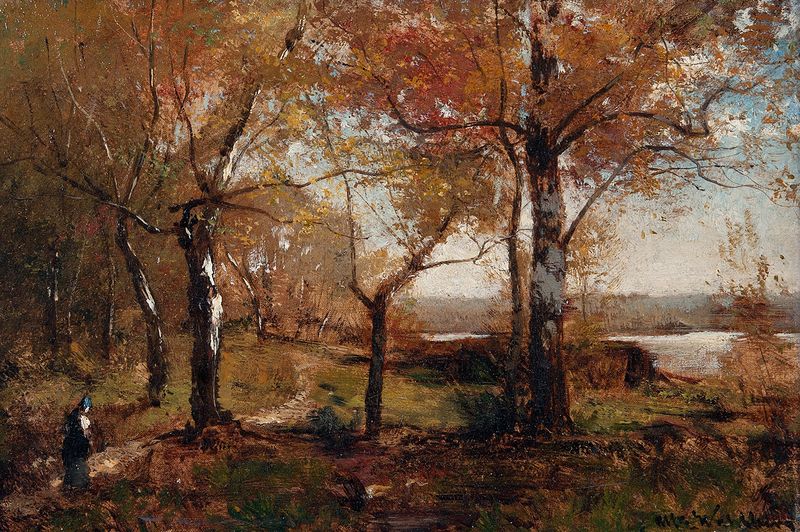
Autumn
Alfred Wahlberg
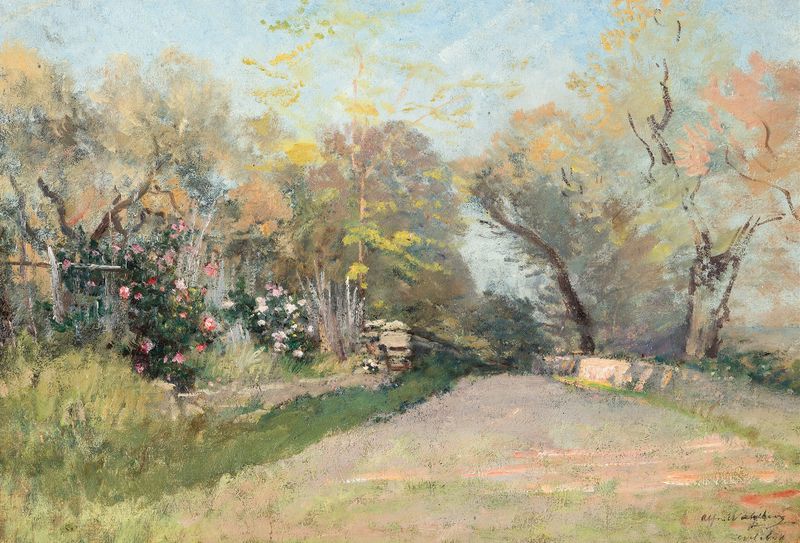
Landscape near Antibes. Study
Alfred Wahlberg
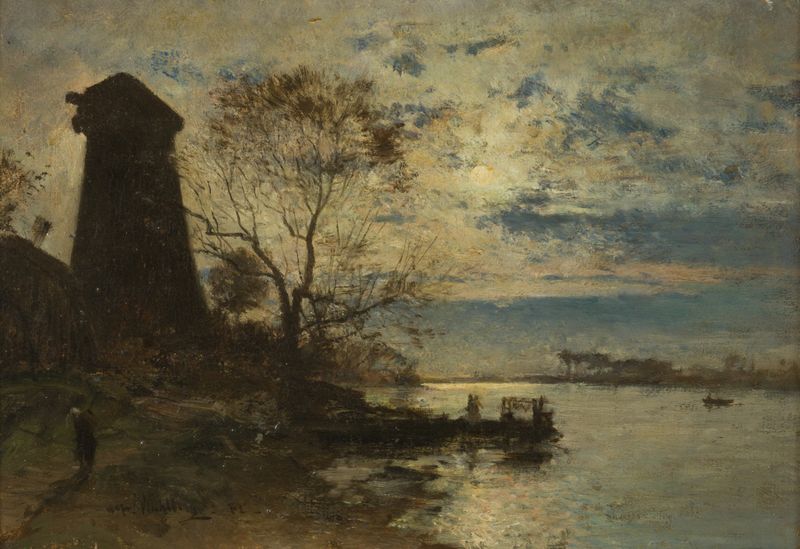
The Shore
Alfred Wahlberg
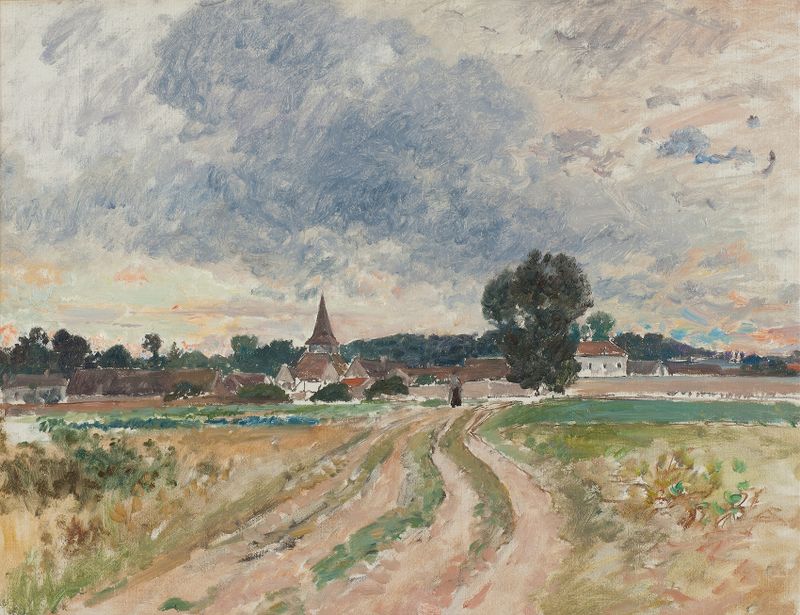
A Country Church. Study
Alfred Wahlberg





