
The Shore — History & Facts
Is this a mirror — or a memory? The tranquil waters of The Shore invite contemplation, yet beneath the calm surface lies a tension that hints at a deeper disturbance. Look to the center, where the gentle waves lap at the shore, their rhythm captured in Wahlberg’s delicate brushstrokes. The ocean reflects a palette of soft greens and blues, while the sandy beach glimmers in muted golds. Notice how the light falls upon the water, creating a shimmering illusion that enchants yet unsettles.
Each stroke suggests movement, a fleeting moment suspended in time, while the horizon blurs, merging sea and sky into an endless embrace. Beneath this serene facade, there exists a visceral undercurrent of violence. The turbulent history of maritime life hovers just below the surface, evoking the struggles against nature's might and the unwritten stories of those who tread these shores. The darkened waters, while beautiful, speak of the wrath that can manifest in storms, echoing the tension between beauty and chaos.
The deserted beach, devoid of human presence, invites our gaze but also prompts questions about isolation and the depths of emotional turmoil. In 1872, Wahlberg painted this scene during a period of artistic exploration in Sweden, a time when the country was grappling with its national identity amidst the romanticism of nature. The artist focused on capturing the essence of landscapes, reflecting both the beauty and the hidden turmoil of life by the sea. This work illustrates his skillful transition from realism to a more impressionistic approach, marking a significant moment in his artistic journey.
More Artworks by Alfred Wahlberg
Browse all →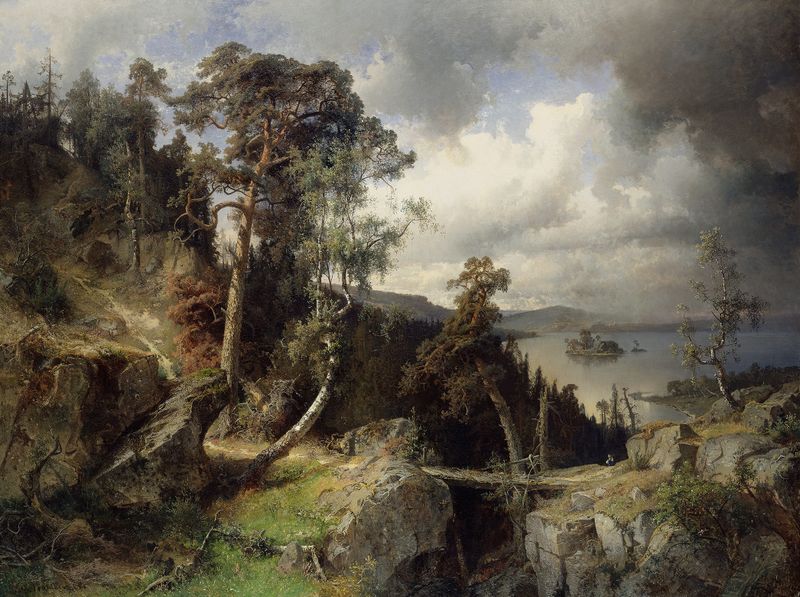
Swedish Landscape. Motif from Kolmården
Alfred Wahlberg

Landscape
Alfred Wahlberg
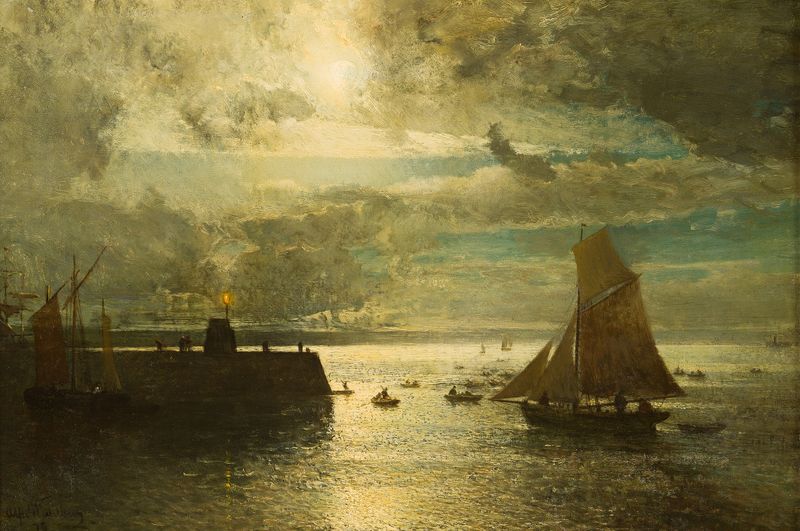
Moonlit Landscape
Alfred Wahlberg
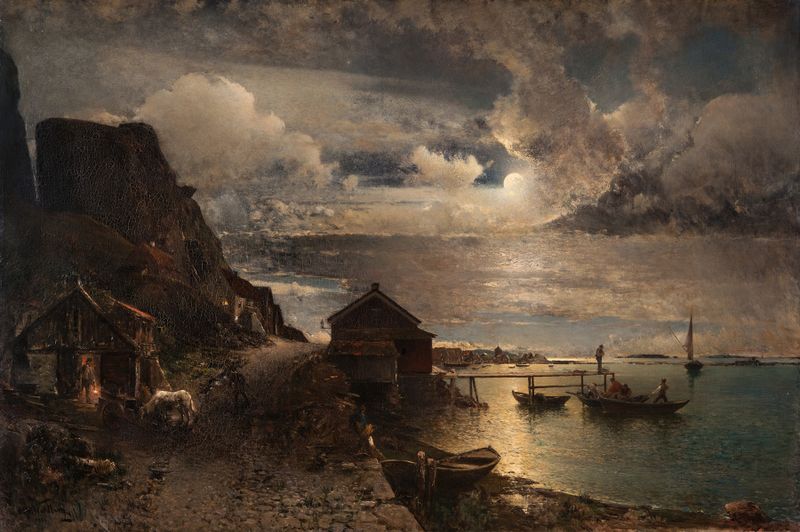
Moonlight, Fjällbacka
Alfred Wahlberg
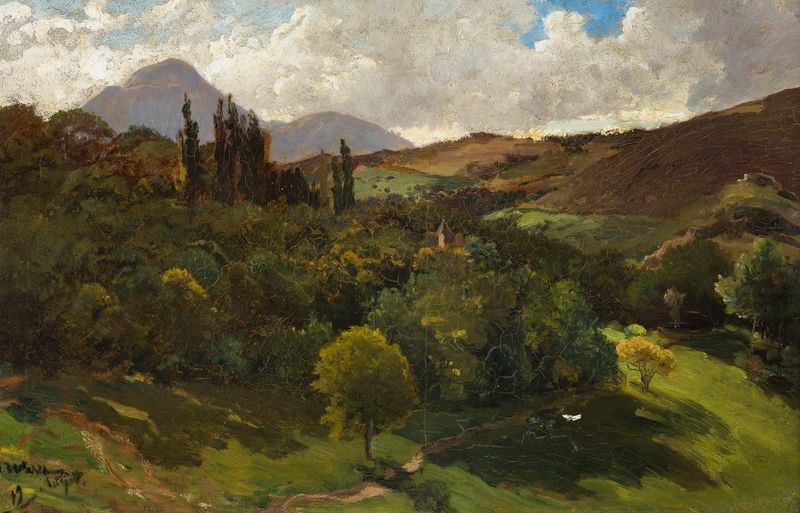
Southern Mountain Landscape
Alfred Wahlberg
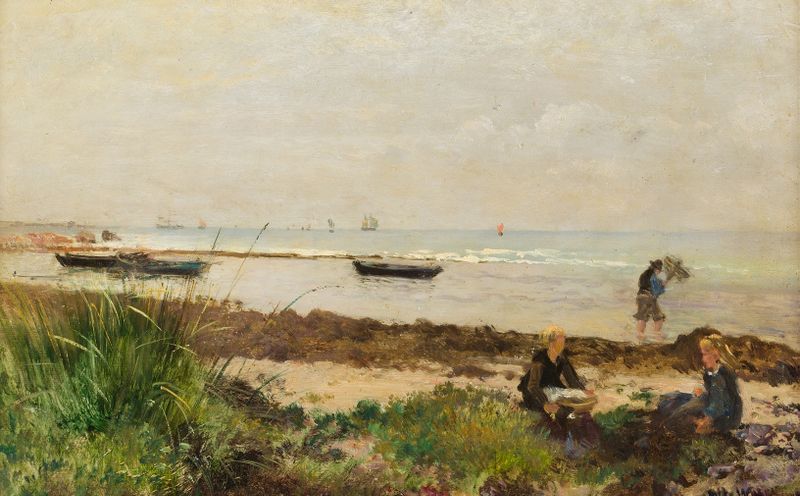
On the Beach
Alfred Wahlberg
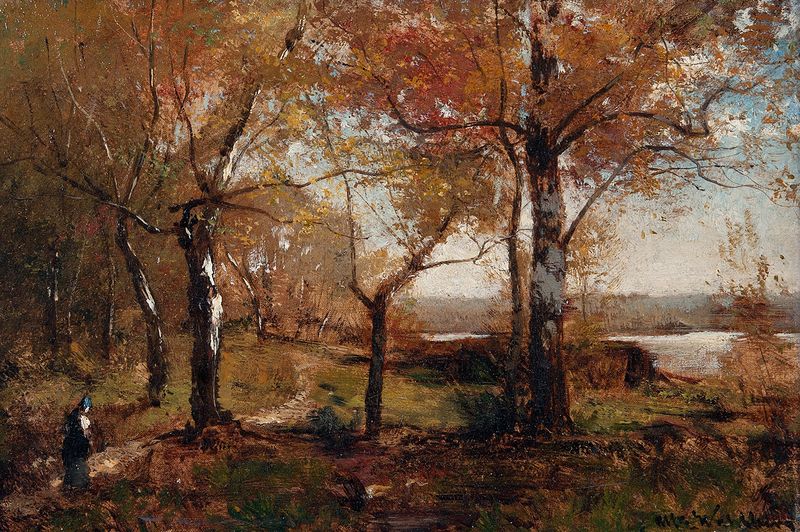
Autumn
Alfred Wahlberg
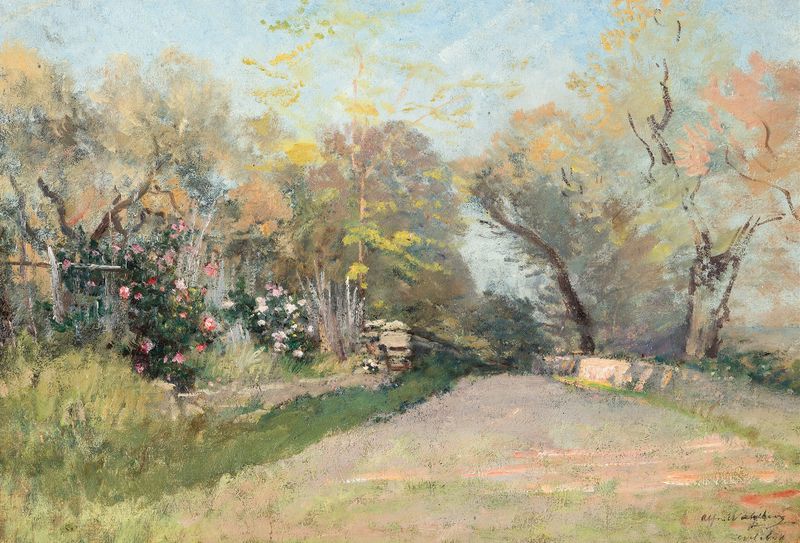
Landscape near Antibes. Study
Alfred Wahlberg
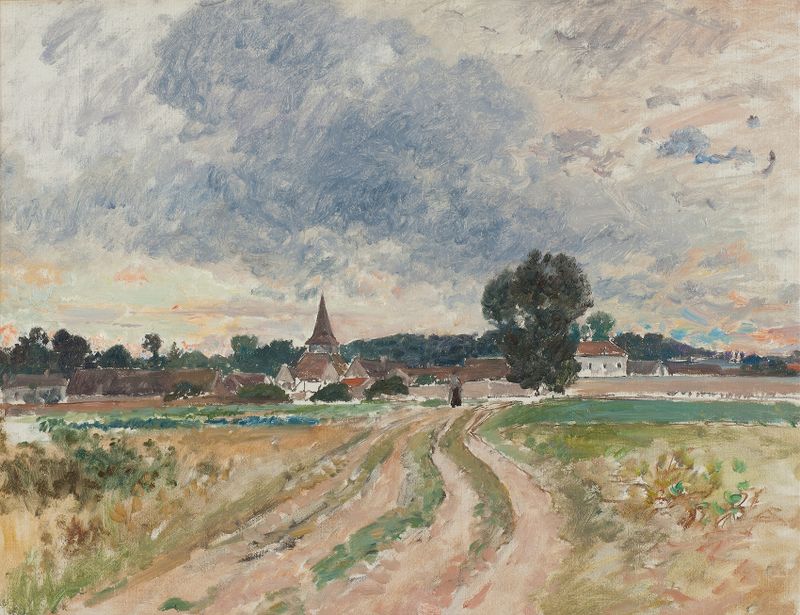
A Country Church. Study
Alfred Wahlberg





