
Autumn Landscape — History & Facts
Who listens when art speaks of silence? In Autumn Landscape, the stillness of nature resonates with echoes of memory, inviting us to pause and reflect. Look to the left at the delicate interplay of colors, where amber leaves flutter gently against a backdrop of deepening twilight. Notice how the artist masterfully blends warm ochres with soft browns, creating a visual tapestry that hints at the fleeting beauty of the season. The horizon stretches gracefully across the canvas, guiding your gaze toward a distant glow, perhaps symbolizing the ever-present passage of time. Within the richness of the foliage, small details emerge—a lone bird perched silently on a branch, a winding path that vanishes into the underbrush, and the faint shimmer of water that suggests a hidden pond.
These elements speak of solitude and introspection, evoking an emotional tension between the vibrancy of life and the inevitable stillness of decay. Each brushstroke captures not just the landscape, but a deeper narrative of remembrance and longing. Created in the late 19th century, when Gifford was immersed in the American landscape painting movement, Autumn Landscape reflects both his admiration for nature and his pursuit of artistic refinement. This period in art was marked by a growing interest in capturing the ephemeral beauty of the natural world, a sentiment that resonated deeply with the artist, reflecting both personal and collective experiences of change and nostalgia.
More Artworks by Robert Swain Gifford
Browse all →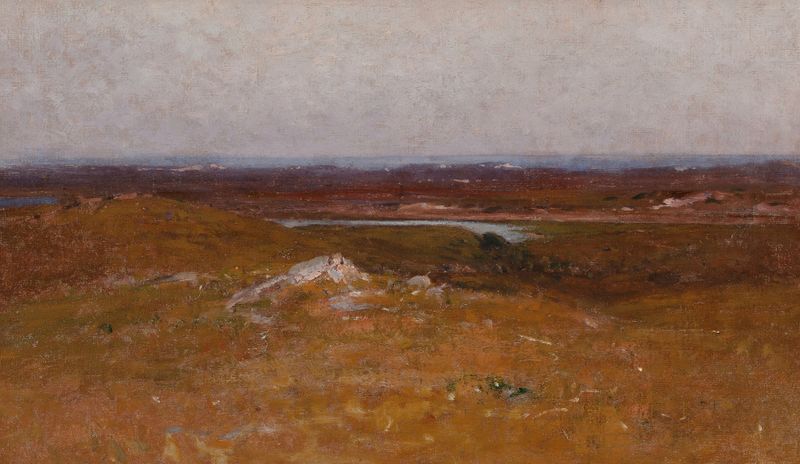
Menemsha Bight
Robert Swain Gifford
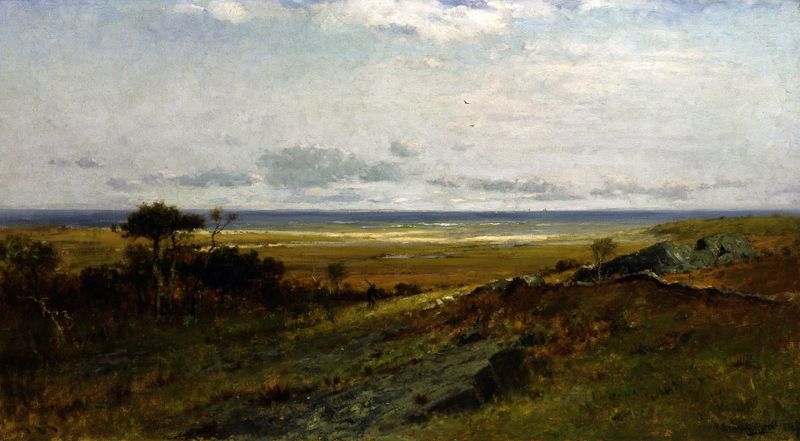
Near the Ocean
Robert Swain Gifford

Seconnet Rock, New Bedford, Massachusetts
Robert Swain Gifford

Mountain Stream
Robert Swain Gifford

Path in a Landscape
Robert Swain Gifford

Tide flats and windmills.
Robert Swain Gifford
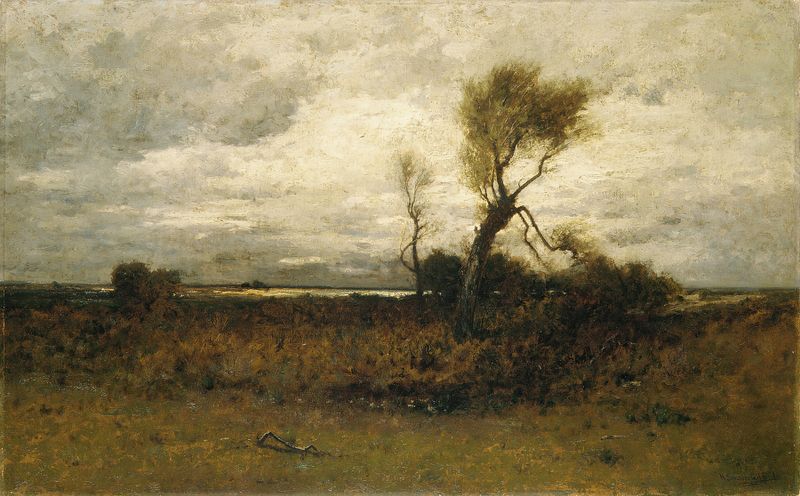
Near the Coast
Robert Swain Gifford
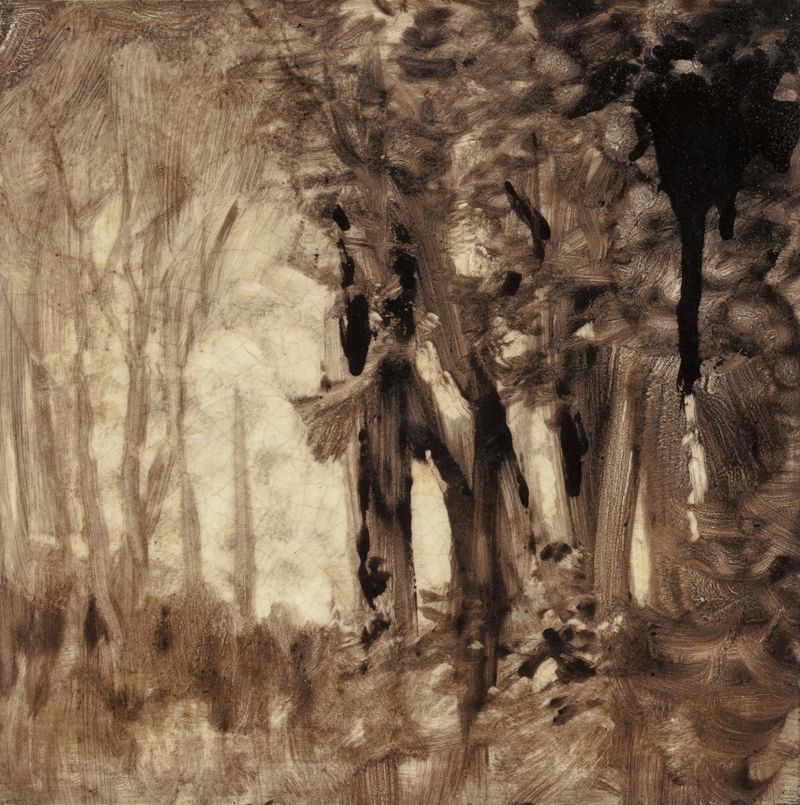
Saints Wrestling in the Trees after Dark
Robert Swain Gifford
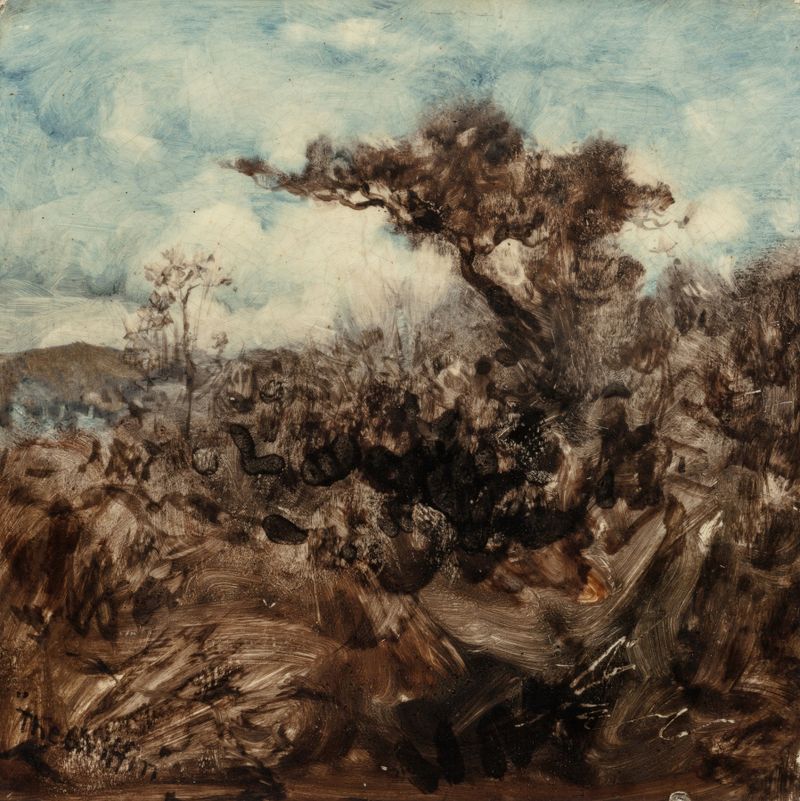
Figure in Tree
Robert Swain Gifford

Barney’s Joy Cliff
Robert Swain Gifford





