
Tide flats and windmills. — History & Facts
Can beauty exist without sorrow? In the tranquil embrace of nature, where the horizon meets the restless sea, lies a resonant question captured in stillness. Look closely at the expansive canvas, where the gentle undulations of tide flats stretch towards the horizon. The muted greens and soft blues dominate, enveloping the viewer in a serene yet fleeting moment. Notice how the wispy clouds, tinged with the faintest blush of twilight, seem to dance above the windmills.
The delicate brushstrokes create a sense of movement, while the interplay of light and shadow reveals the passage of time—an ephemeral snapshot of day yielding to night. As you explore further, consider the emotional contrasts at play. The windmills, symbols of industry, stand resolute against the vastness of nature, evoking a sense of solitude and contemplation. The lapping waves at the edge of the flats suggest the relentless march of time, hinting at the transience of beauty.
Gifford’s choice to blend calming colors with these contrasting elements invites viewers to reflect on the delicate balance between serenity and underlying sorrow. In 1883, Robert Swain Gifford painted this piece during a time when the American art scene was shifting toward an appreciation for natural landscapes. Working primarily in New York, Gifford was part of a movement that sought to capture the sublime beauty of nature, influenced by both Romantic and Impressionist ideals. His experiences traveling along the coastlines of New England and beyond infused his works with a sense of place that speaks to both the heart and the mind.
More Artworks by Robert Swain Gifford
Browse all →
Menemsha Bight
Robert Swain Gifford
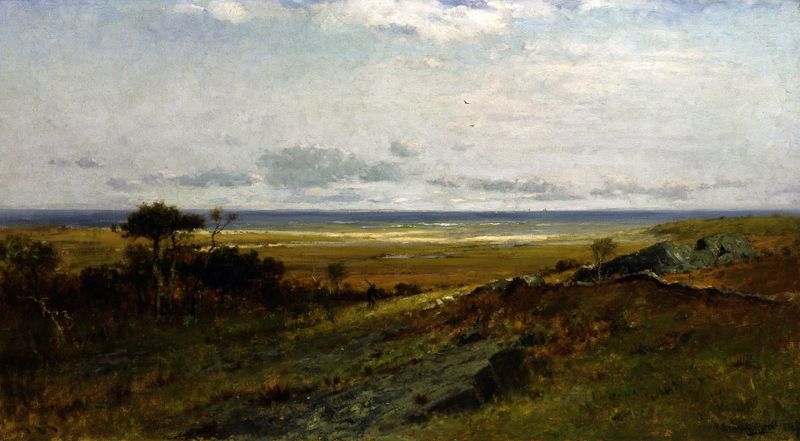
Near the Ocean
Robert Swain Gifford

Seconnet Rock, New Bedford, Massachusetts
Robert Swain Gifford

Mountain Stream
Robert Swain Gifford

Path in a Landscape
Robert Swain Gifford
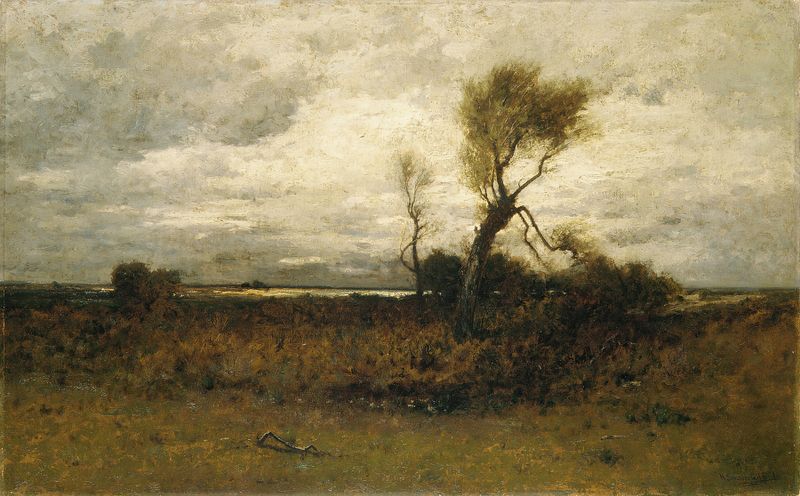
Near the Coast
Robert Swain Gifford
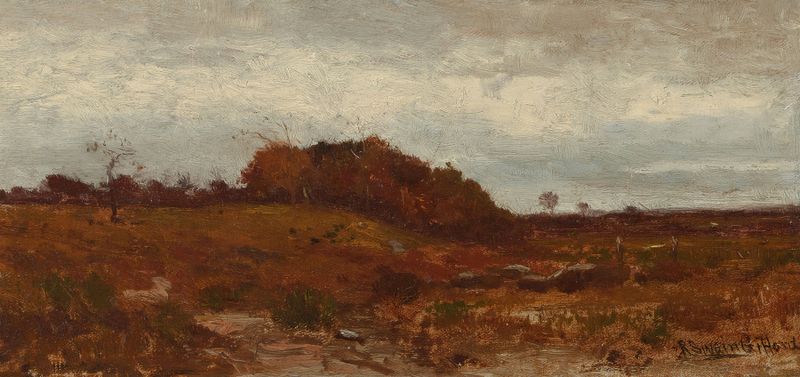
Autumn Landscape
Robert Swain Gifford
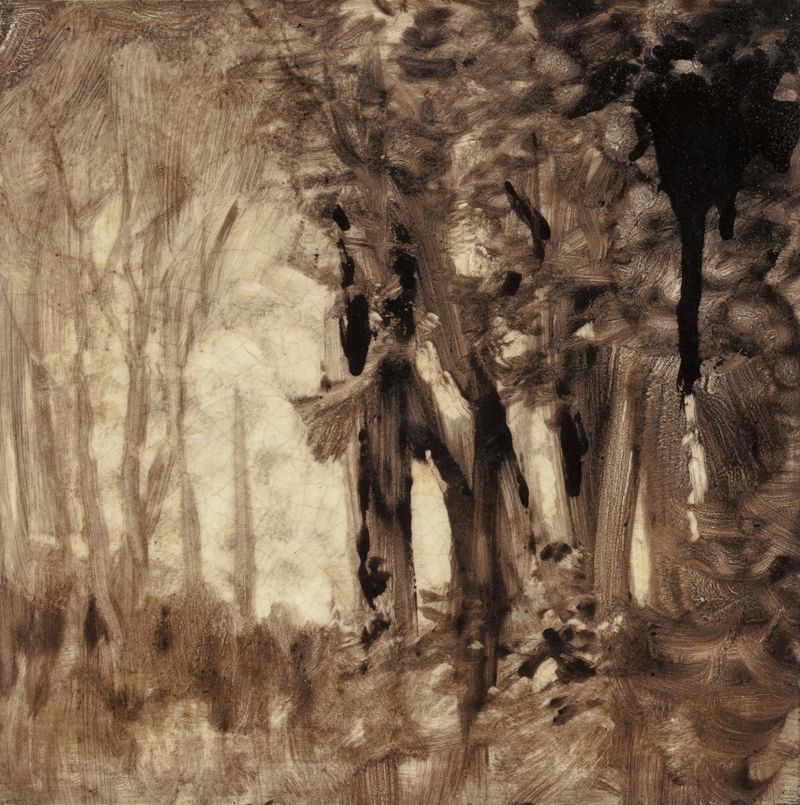
Saints Wrestling in the Trees after Dark
Robert Swain Gifford
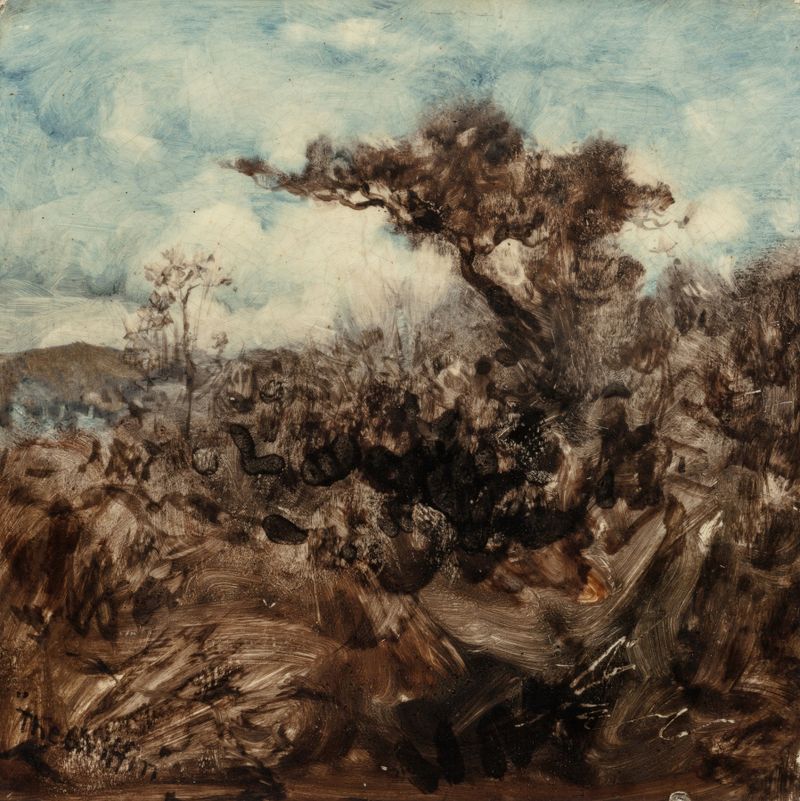
Figure in Tree
Robert Swain Gifford

Barney’s Joy Cliff
Robert Swain Gifford





