
Near the Ocean — History & Facts
Did the painter know this moment would outlive them? The gentle whispers of the ocean, the call of the gulls, and the fleeting beauty of light captured on canvas resonate with a yearning that transcends time and space. Look to the foreground, where soft waves lap at the shore, their frothy edges caressing the sandy beach. The horizon stretches wide, a blend of cerulean and pale gold, inviting the viewer’s gaze into a vast expanse. Notice how the light falls upon the water, reflecting hues of lavender and peach—capturing the essence of twilight and evoking a sense of tranquility.
Each brushstroke, delicate yet purposeful, invites contemplation, while the composition draws your eye toward the vanishing point, suggesting infinite possibilities just beyond the canvas. Yet, beneath this serene surface, emotional contrasts emerge. The horizon hints at a journey, with the water embodying both freedom and mystery, while distant figures, barely discernible, evoke a profound sense of solitude. Their presence amplifies the quiet tension of longing, as if they are both anchored to the shore and tempted by the call of the ocean.
This duality invites viewers to reflect on their own yearnings—what lies beyond the horizon, and what sacrifices must be made to pursue it? In 1879, Robert Swain Gifford painted Near the Ocean during a time of great artistic exploration in America. As the Hudson River School, of which he was a part, embraced naturalism and romanticism, Gifford sought to capture the sublime beauty of the coastal landscape. The painting reflects not only his personal evolution as an artist but also the broader cultural movement towards appreciating nature, embodying a moment that resonates with those who gaze upon it today.
More Artworks by Robert Swain Gifford
Browse all →
Menemsha Bight
Robert Swain Gifford

Seconnet Rock, New Bedford, Massachusetts
Robert Swain Gifford

Mountain Stream
Robert Swain Gifford

Path in a Landscape
Robert Swain Gifford

Tide flats and windmills.
Robert Swain Gifford
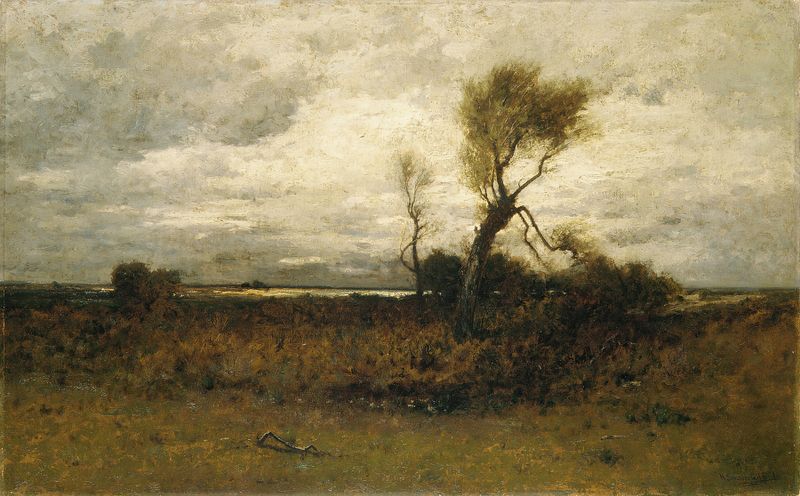
Near the Coast
Robert Swain Gifford
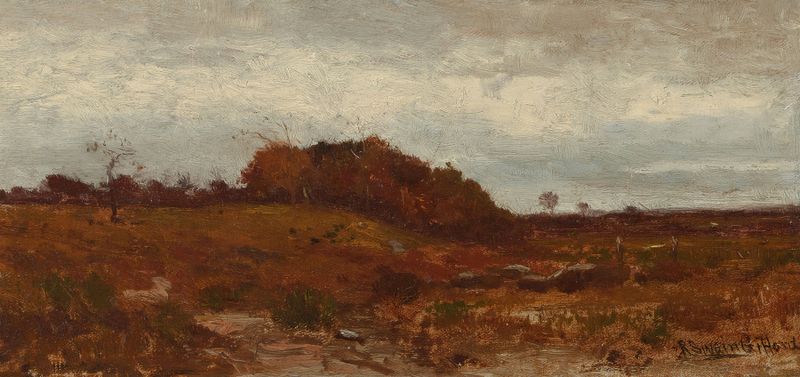
Autumn Landscape
Robert Swain Gifford
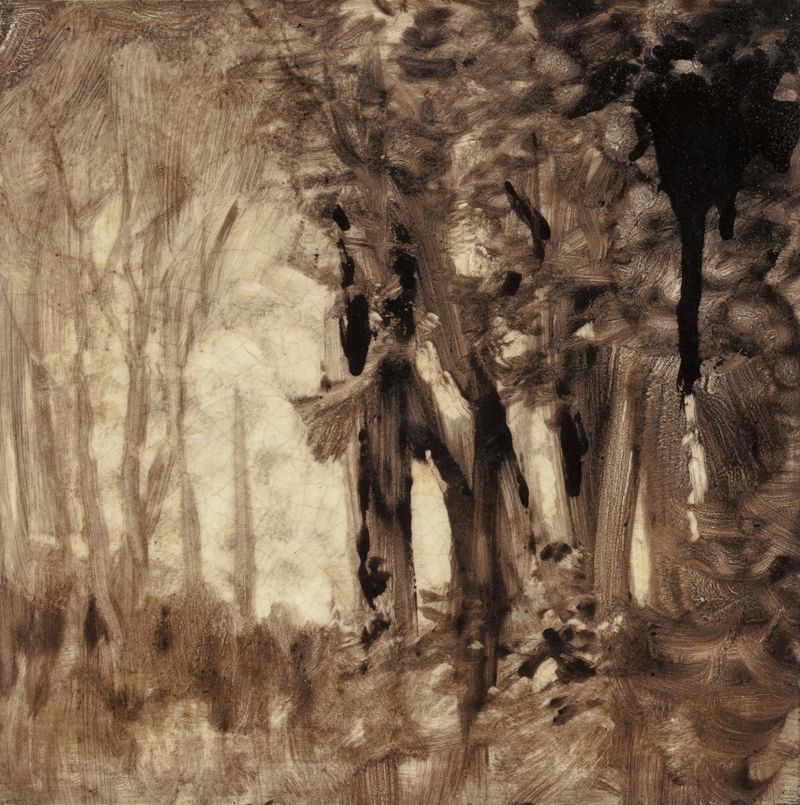
Saints Wrestling in the Trees after Dark
Robert Swain Gifford
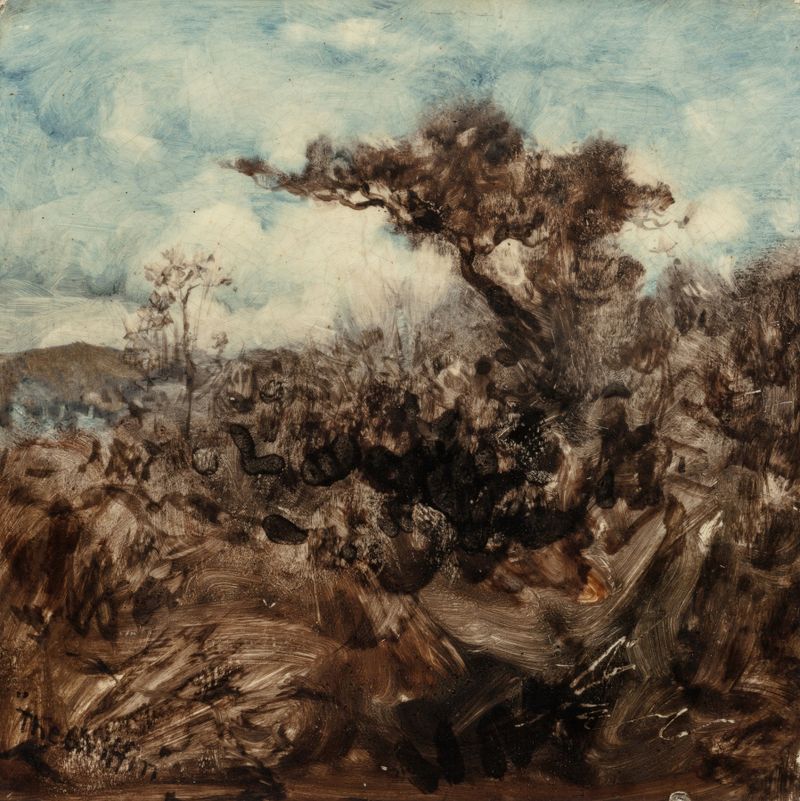
Figure in Tree
Robert Swain Gifford

Barney’s Joy Cliff
Robert Swain Gifford





