
Barney’s Joy Cliff — History & Facts
In moments of stillness, we confront the fleeting nature of existence, a truth embodied powerfully in this evocative work. Look to the foreground, where a rugged cliff rises dramatically, its textures carved by time and elements. Notice how the artist employs deep, earthy tones interspersed with flashes of brilliant light reflecting off the water below, inviting you into a dialogue with nature. The layering of paint creates a palpable depth, drawing your gaze toward the horizon where land and sky merge, suggesting both promise and uncertainty. In the interplay between light and shadow, one can sense the profound tension between life and decay.
The stark cliffside stands as a symbol of resilience amidst the inevitable passage of time, while the calm waters below hint at the tranquility that follows turmoil. Gifford captures this liminal space where joy exists alongside an undercurrent of mortality—an invitation to reflect on our own existence in relation to nature’s cycle. The artist painted this piece amidst a transformative era for American art, likely during the late 19th century while working in the Hudson River School tradition. This period was marked by a growing appreciation for the American landscape as both a subject of beauty and contemplation.
Gifford's exploration of natural elements during this time reflects not only personal introspection but also a broader dialogue within the art community about humanity's place in the world.
More Artworks by Robert Swain Gifford
Browse all →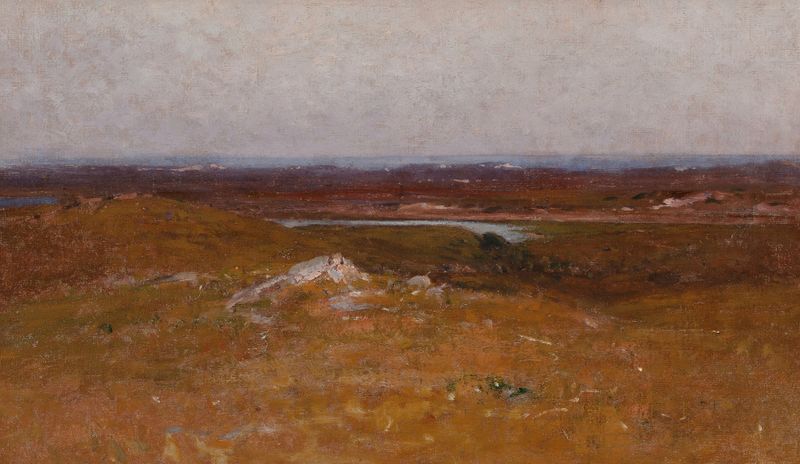
Menemsha Bight
Robert Swain Gifford
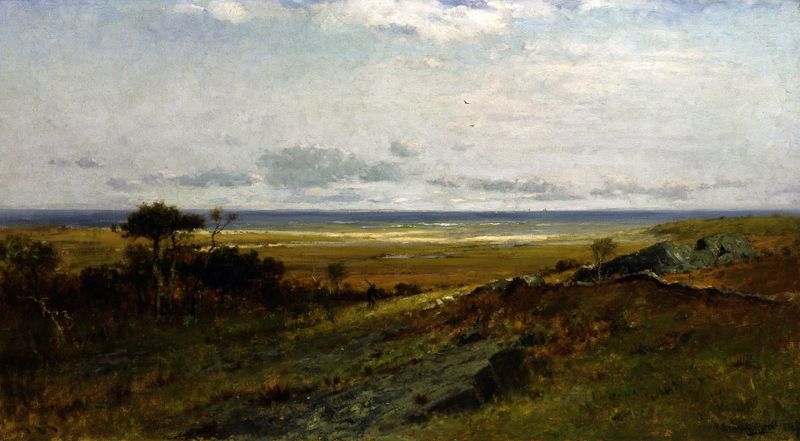
Near the Ocean
Robert Swain Gifford

Seconnet Rock, New Bedford, Massachusetts
Robert Swain Gifford

Mountain Stream
Robert Swain Gifford

Path in a Landscape
Robert Swain Gifford

Tide flats and windmills.
Robert Swain Gifford
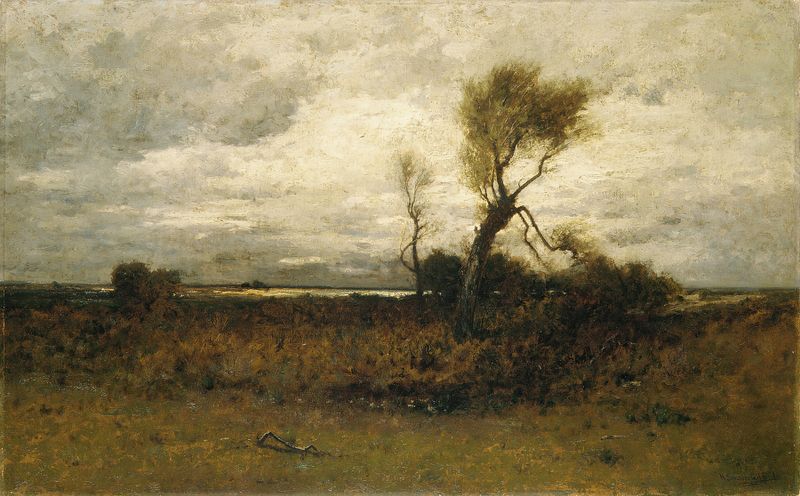
Near the Coast
Robert Swain Gifford
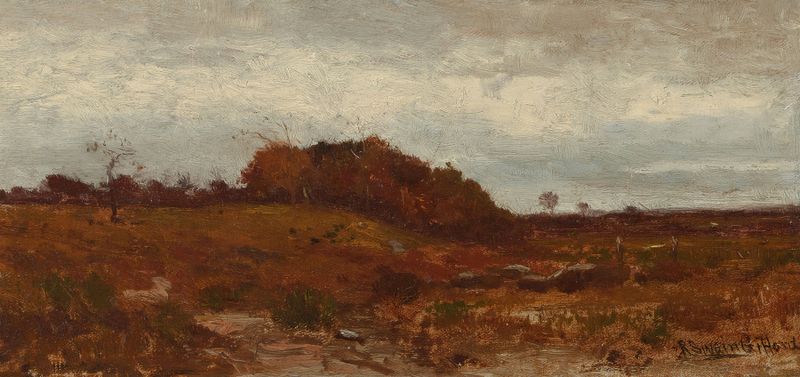
Autumn Landscape
Robert Swain Gifford
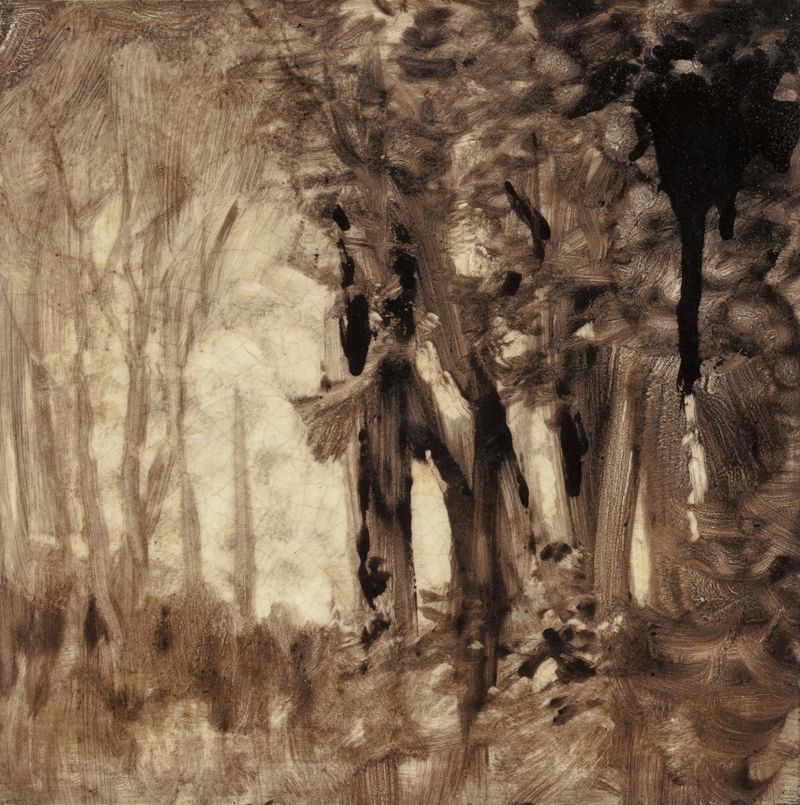
Saints Wrestling in the Trees after Dark
Robert Swain Gifford
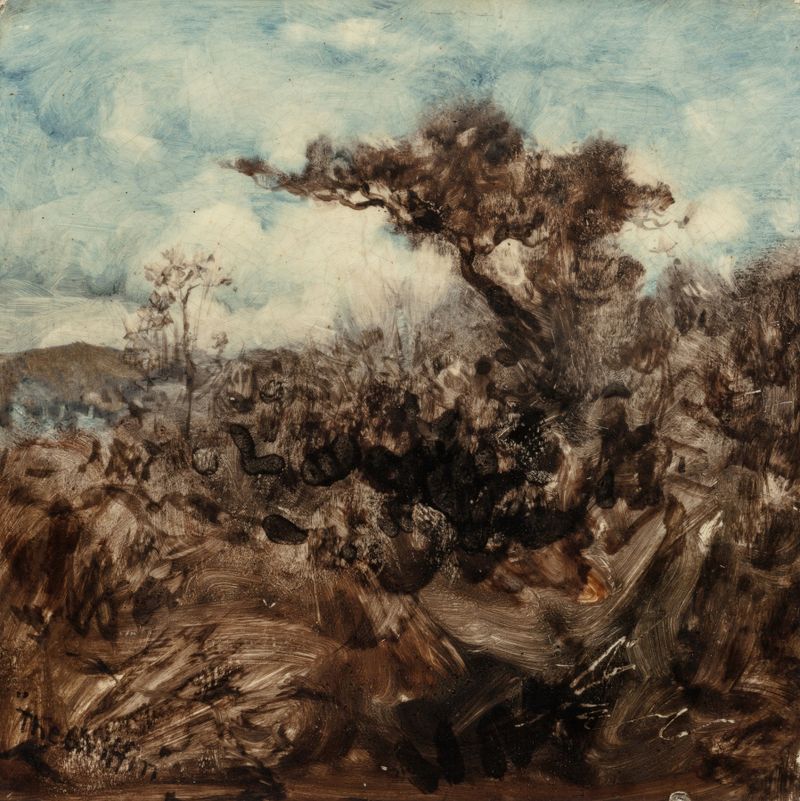
Figure in Tree
Robert Swain Gifford





