
Avenue de Villiers (Paris) — History & Facts
In Avenue de Villiers, the canvas becomes a portal, an illusionary space where fleeting moments coalesce into timeless beauty. Look to the left at the gentle curve of the street, leading your eye back into the cityscape. The vibrant strokes of green and beige breathe life into the trees and buildings, while the soft blue sky above contrasts with the warm earth tones below. Notice how Joyau's brushwork captures the bustling energy of Paris, each figure in motion, yet timeless, as if paused at the intersection of past and present.
The sunlight dapples through the foliage, creating a play of light and shadow that invites you to step into this lively street. Delve deeper, and you'll uncover the emotional tension tinged with nostalgia. The pedestrians, seemingly lost in their thoughts, hint at stories untold—lives intersecting momentarily, only to drift apart again. The slight haze enveloping the scene suggests a dreamlike quality, making one wonder what memories lie beneath the surface of this vibrant Parisian life.
The colors, though lively, carry a muted sense of longing, reflecting the bittersweet nature of urban existence. Amédée Joyau painted Avenue de Villiers in 1900, during a time when Paris was a hub of artistic innovation and change. Emerging from the influence of Impressionism, Joyau’s work captured the essence of daily life, yet he infused it with his own unique style. This period marked the beginning of a new century, filled with hope and uncertainty, echoing the tensions that his art captures so profoundly.
More Artworks by Amédée Joyau
Browse all →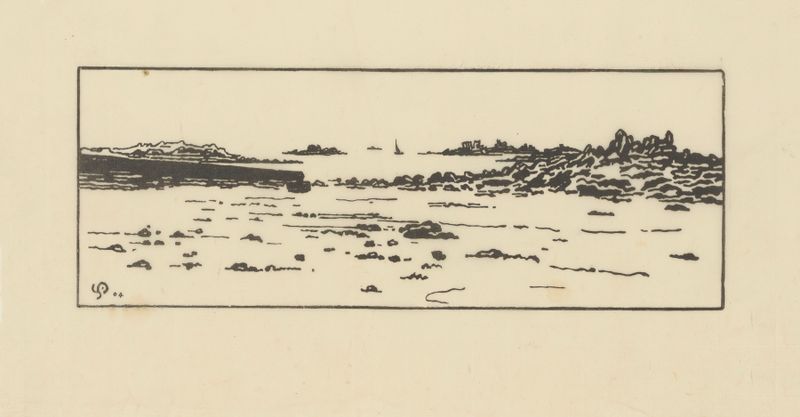
Côte de Roscoff, Marée basse
Amédée Joyau
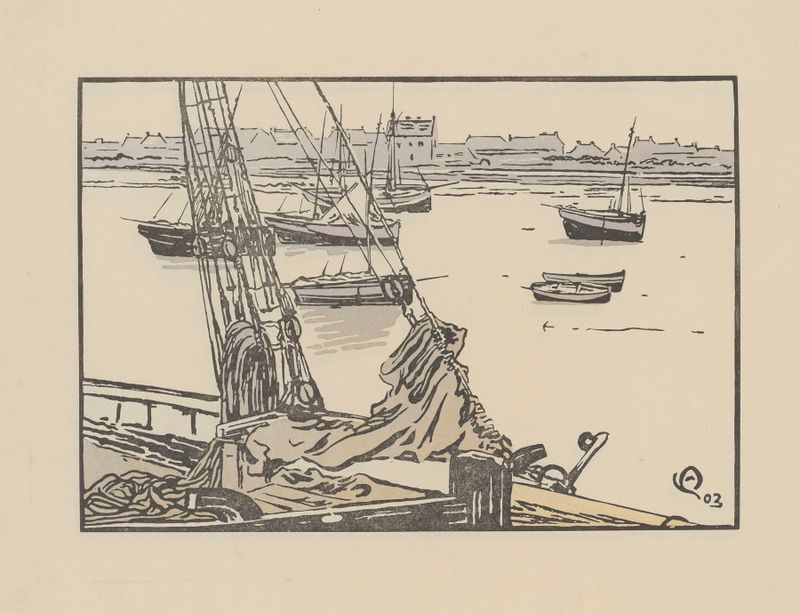
Roscoff, Matinée claire
Amédée Joyau
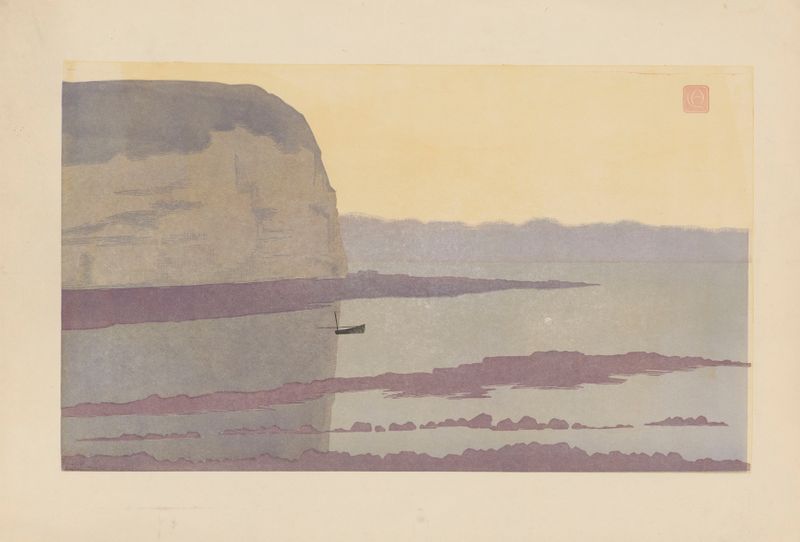
La Falaise, crépuscule (Yport)
Amédée Joyau
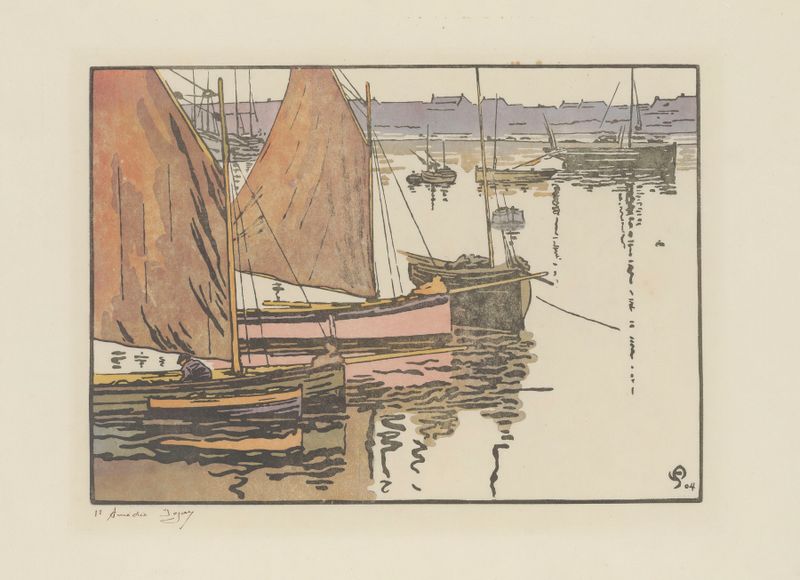
Roscoff, Les voiles rouges
Amédée Joyau
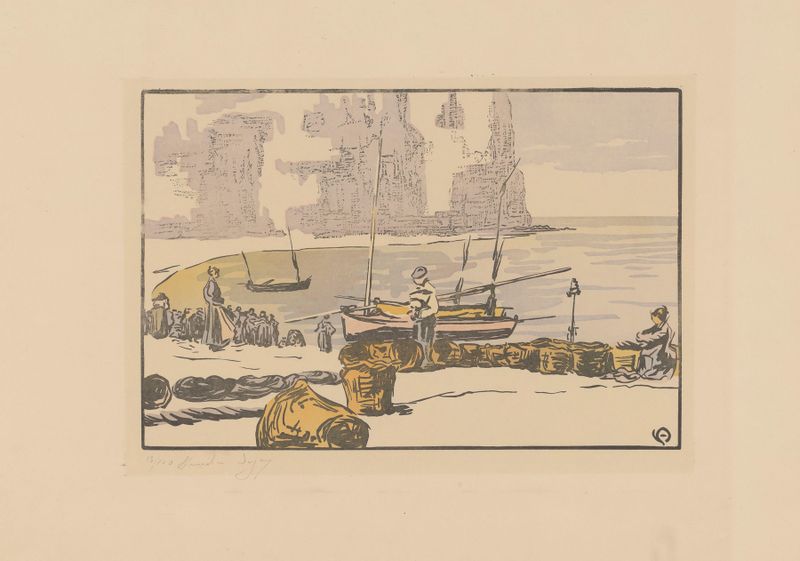
La Petite plage (Yport)
Amédée Joyau
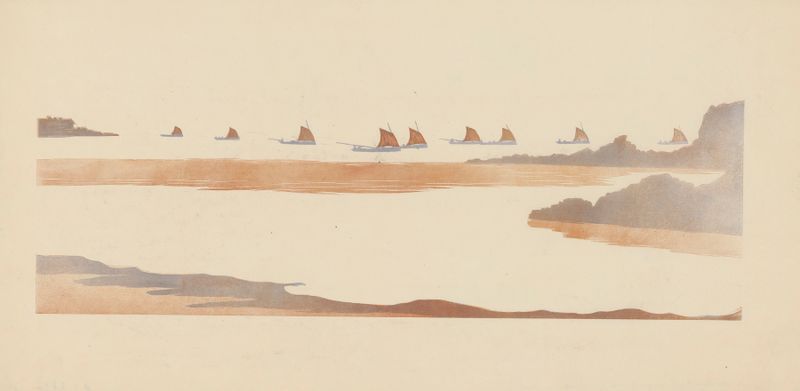
Rentrée des Sardiniers (Douarnenez, Finistère)
Amédée Joyau
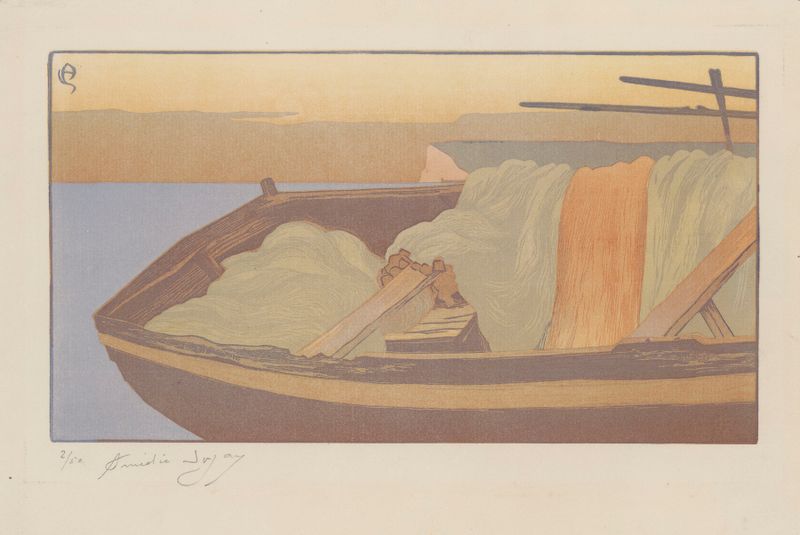
Les Filets (Yport)
Amédée Joyau
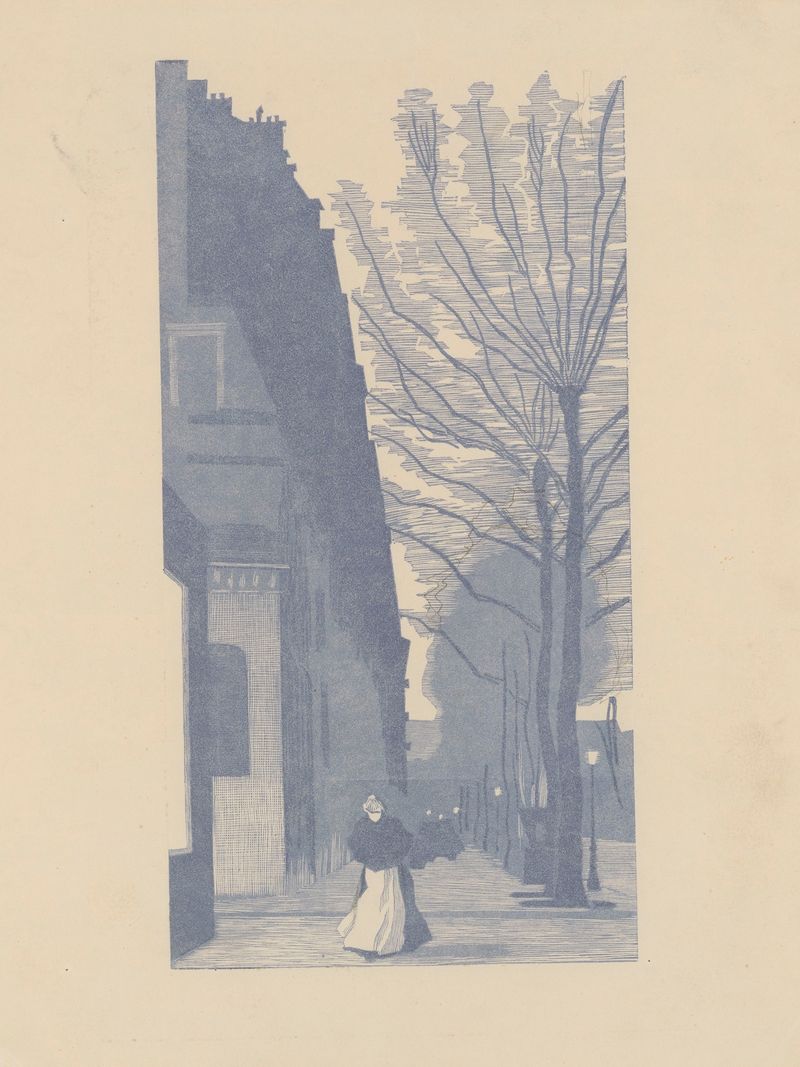
Avenue de Villiers (Paris)
Amédée Joyau
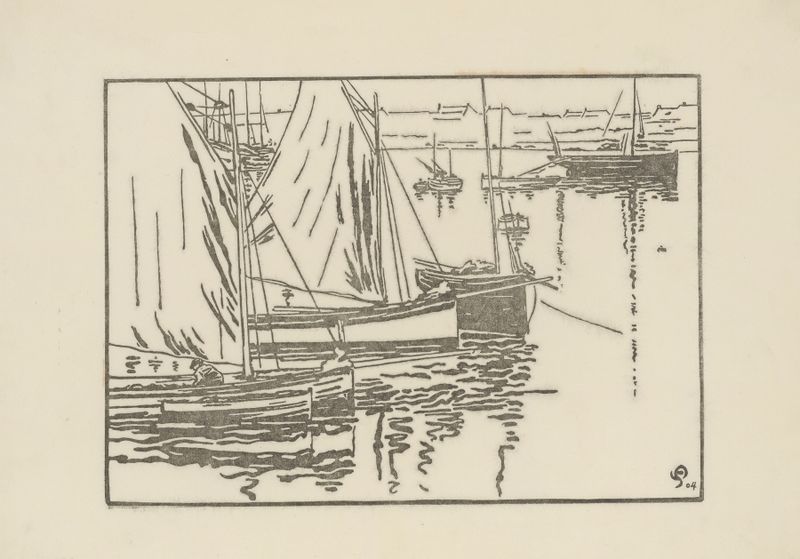
Roscoff, Les voiles rouges
Amédée Joyau
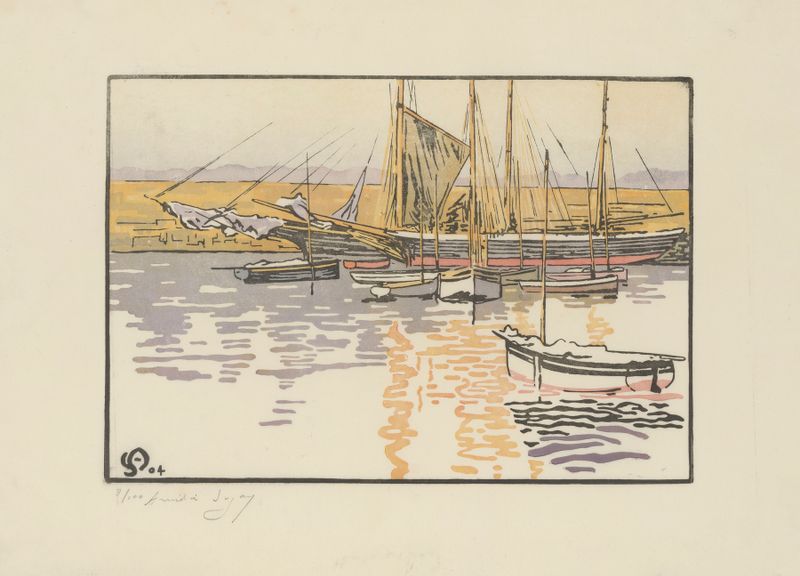
Roscoff, Les Goélettes
Amédée Joyau





