
Avenue — History & Facts
When Paul Cézanne painted Avenue in 1881, he was already deep into his lifelong quest to capture nature’s structure through color and brushwork. What makes this work especially intriguing is that it belongs to a pivotal period when Cézanne was experimenting with the motif of tree-lined roads, a subject he would revisit throughout his career. Scholars note that this painting stands at the threshold between his early Impressionist influence and the more analytical approach that would later inspire the Cubists.
The uncertainty surrounding the painting’s medium—whether oil or watercolor—adds to its mystique, as Cézanne was known to blur the boundaries between the two. A sun-dappled avenue, receding into the distance, draws the viewer’s gaze through rows of tall, arching trees. The light flickers across the path, broken by the rhythmic trunks, creating a sense of both order and movement. Unlike the bustling boulevards of Monet’s Paris, Cézanne’s avenue is quiet, almost meditative, with only hints of human presence suggested by faint figures or shadows.
The composition’s geometry—the parallel lines of the road and trees—reflects Cézanne’s fascination with underlying structure in nature, a theme he would later push further in works like The Avenue at Jas de Bouffan. Here, the brushstrokes are visible and deliberate, each patch of color building up the volume and depth of the scene. The precise journey of Avenue as a physical object is less documented than some of Cézanne’s other works, but it is generally believed to have remained in private hands for much of its history. Its style and subject place it firmly within the artist’s early 1880s period, when he was working in Provence and developing the techniques that would define Post-Impressionism.
Today, Avenue is recognized as a key example of Cézanne’s transition from Impressionist color to the more solid, architectonic forms of his mature style. Its presence in museum collections continues to inspire artists and viewers, standing as a testament to Cézanne’s enduring influence on the course of modern art.
More Artworks by Paul Cézanne

The Boy in the Red Vest
Paul Cézanne
Portrait of Ambroise Vollard
Paul Cézanne
The Card Players
Paul Cézanne
Mont Sainte-Victoire and the Viaduct of the Arc River Valley
Paul Cézanne
The Large Bathers
Paul Cézanne
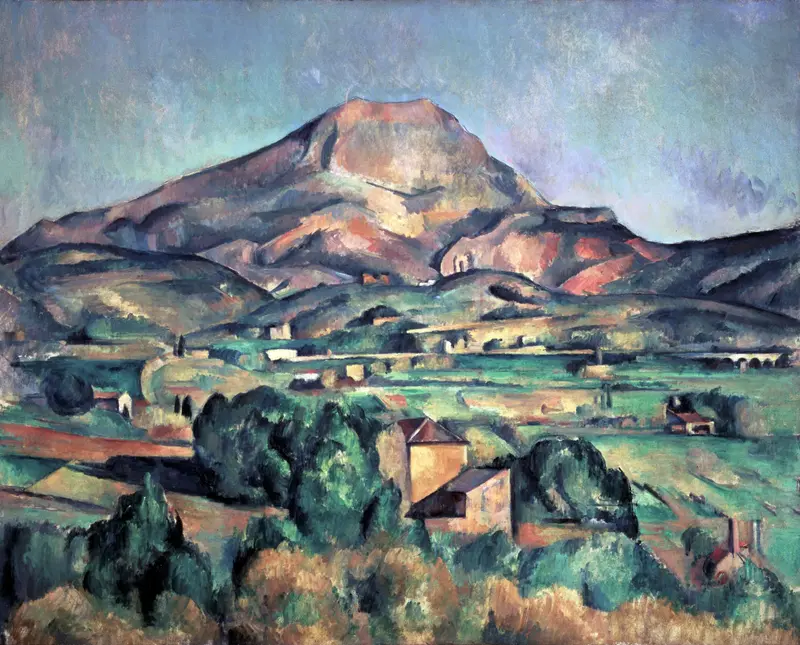
Mont Sainte-Victoire Seen from Bellevue
Paul Cézanne
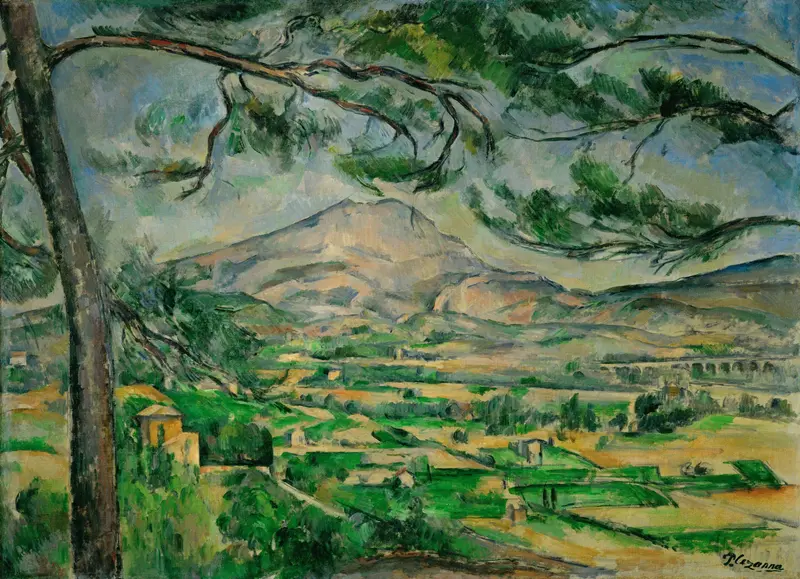
Mont Sainte-Victoire with Large Pine
Paul Cézanne
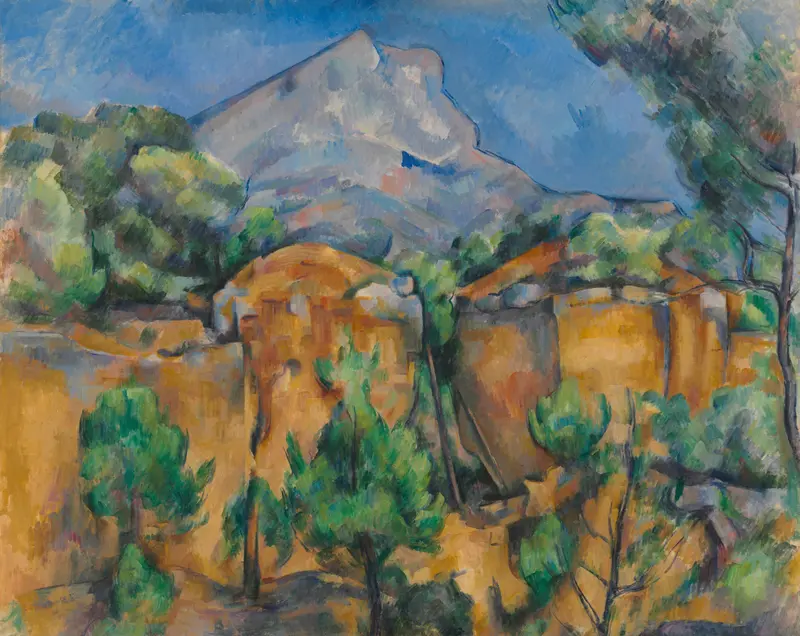
Mont Sainte-Victoire Seen from the Bibemus Quarry
Paul Cézanne
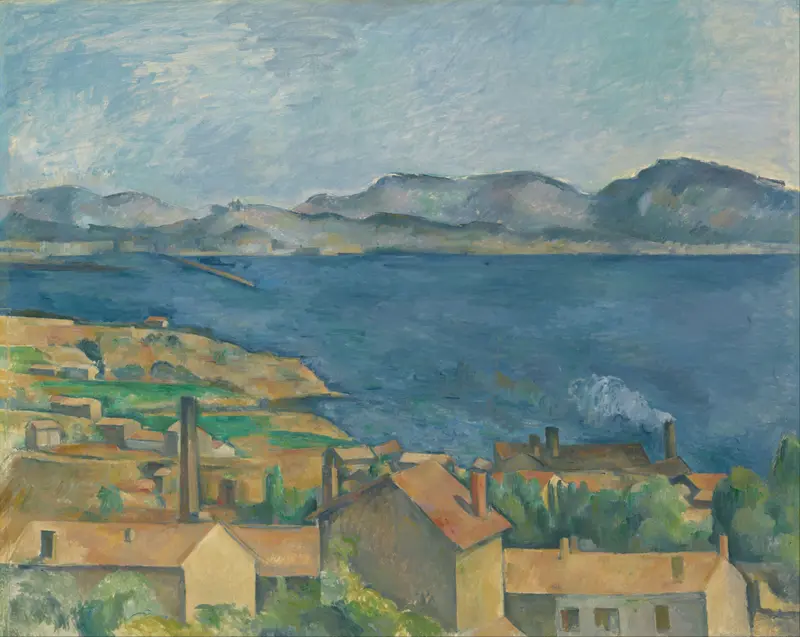
The Bay of Marseille, Seen from L'Estaque
Paul Cézanne

Apples
Paul Cézanne
More Landscape Art

The Starry Night
Vincent van Gogh

View of Delft
Johannes Vermeer

Water Lilies
Claude Monet

The Grand Canal, Venice, looking north-west from the Ca' Corner to the Ca' Contarini degli Scrigni, with the campanile of Santa Maria della Carità
Canaletto

Windsor Castle
Canaletto

The Grand Canal looking North-East from the Palazzo Dolfin-Manin to the Rialto Bridge
Canaletto