
Avila — History & Facts
What first catches the eye in Avila is the sweep of golden fields leading the viewer’s gaze toward the ancient, stone-clad city rising in the distance—a city ringed by formidable walls, their crenellations catching the light. The artist, Aureliano de Beruete, sets up a quiet drama between the wild, rocky foreground and the ordered geometry of the town, with a winding path guiding two small figures toward the heart of the scene. The brushwork is brisk, almost impatient in the grasses and stones, but softens as it approaches the city, suggesting a reverence for the place itself.
The high horizon grants the sky a gentle dominance, but it is the sunlit ramparts and towers that anchor the composition, as if the city were both destination and memory. Painted in 1909, this landscape belongs to a moment when Spanish artists were turning their attention to the enduring presence of their own land, capturing not just views but the character of places. Works like this were often commissioned or collected by those who wished to celebrate regional identity, or by institutions eager to record Spain’s architectural heritage in an era of rapid change. Aureliano de Beruete was known for his devotion to Castilian scenery, and his landscapes—now preserved in collections such as the Museo Carmen Thyssen Málaga—speak to a time when the genre was a declaration of both national pride and personal pilgrimage.
The viewer is left to wander the ochre road, feeling the heat and history that still cling to the stones of Avila.
More Artworks by Aureliano de Beruete

View of Toledo
Aureliano de Beruete
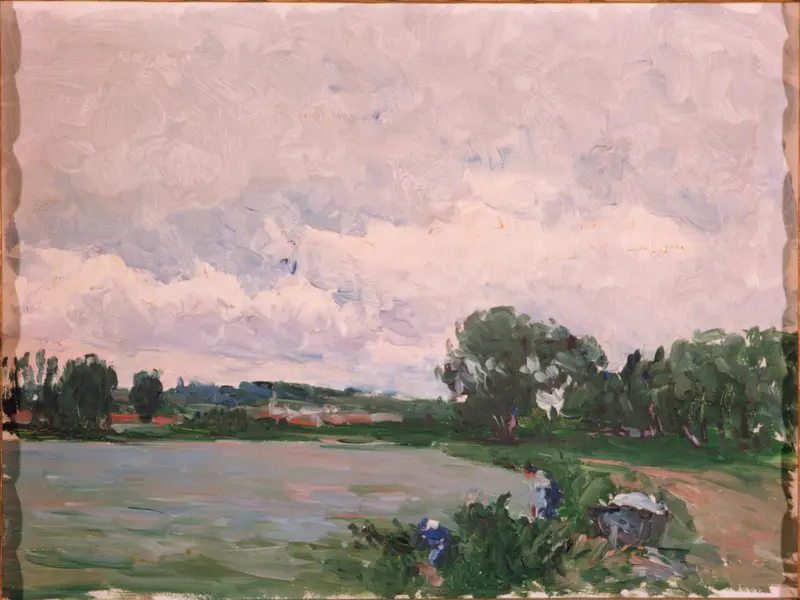
Paisaje de Vichy (Río Alier)
Aureliano de Beruete
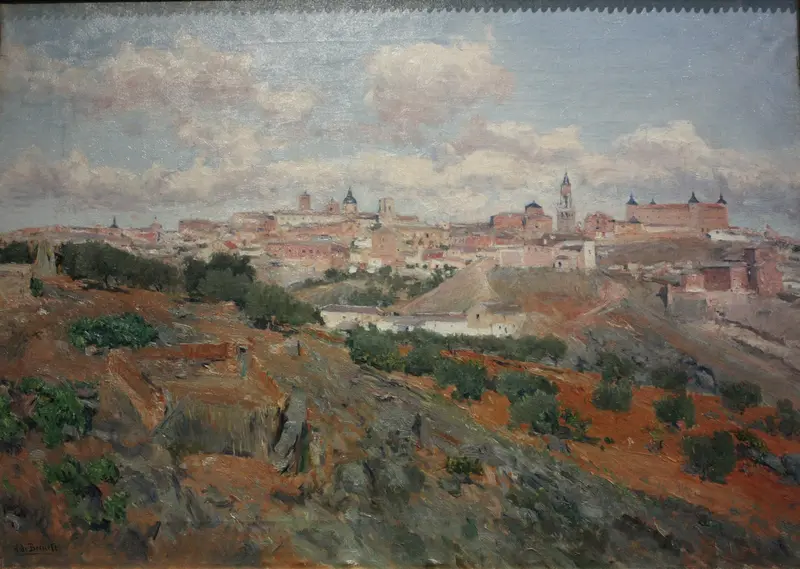
Vue de Tolède
Aureliano de Beruete
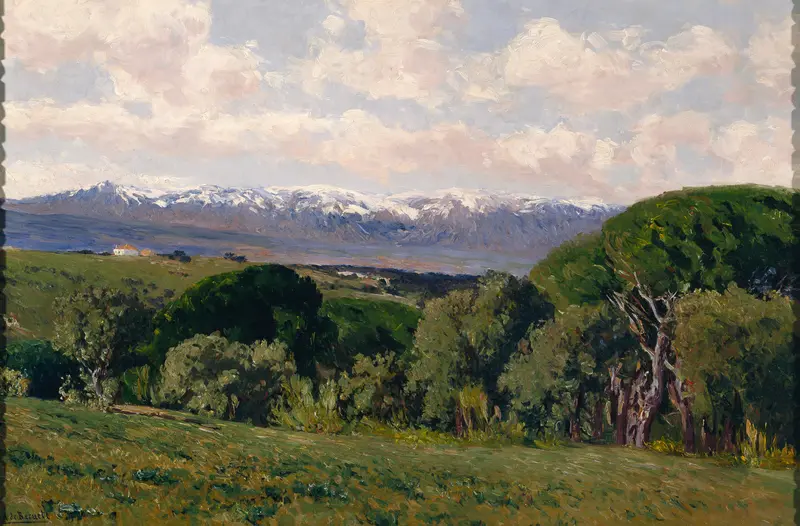
The Guadarrama from the Plantío de los Infantes
Aureliano de Beruete
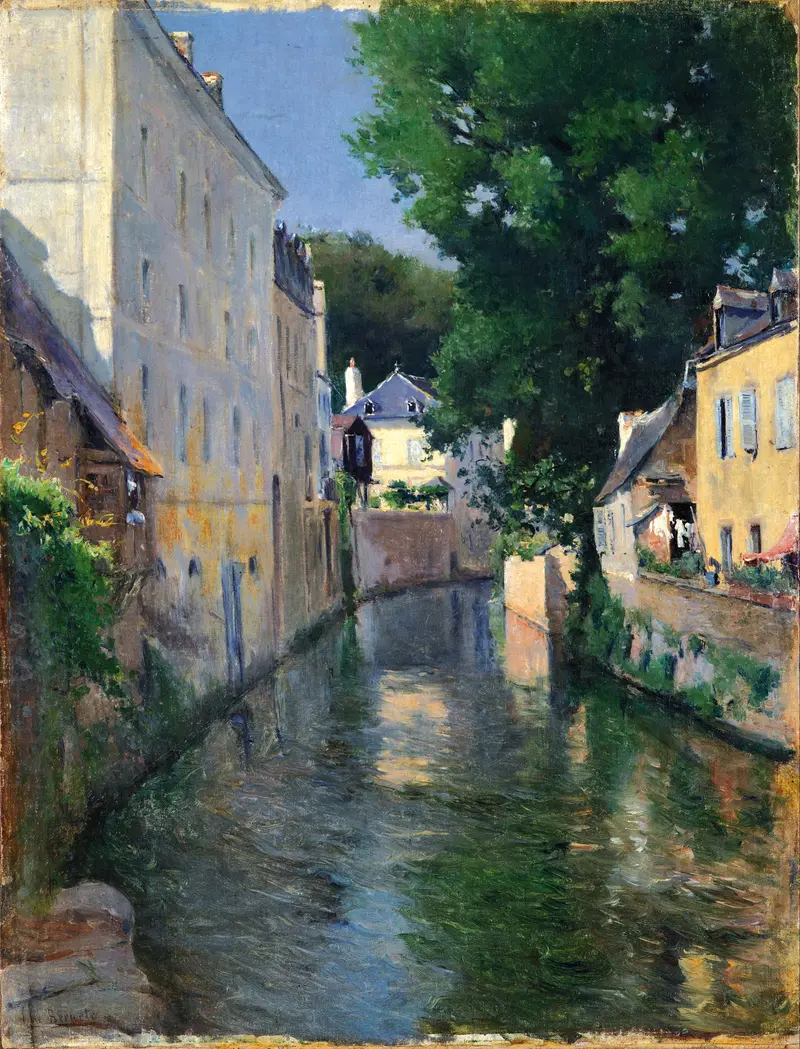
The River Isole at Quimperlé
Aureliano de Beruete
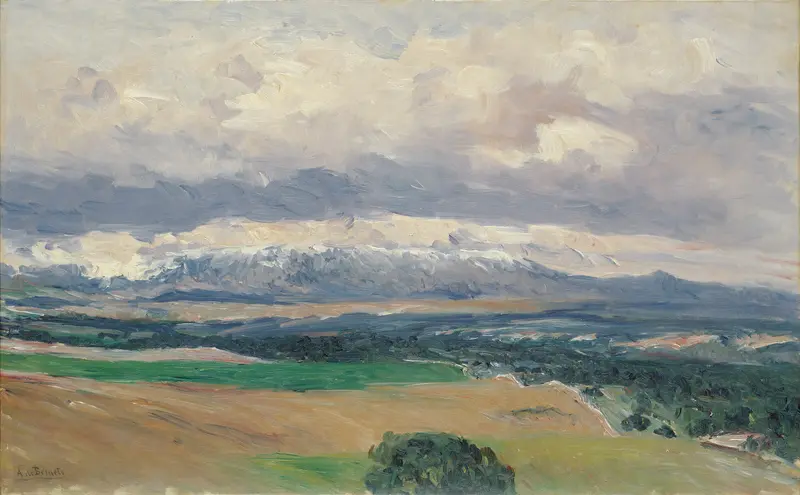
View of the Sierra de Guadarrama from El Plantío
Aureliano de Beruete
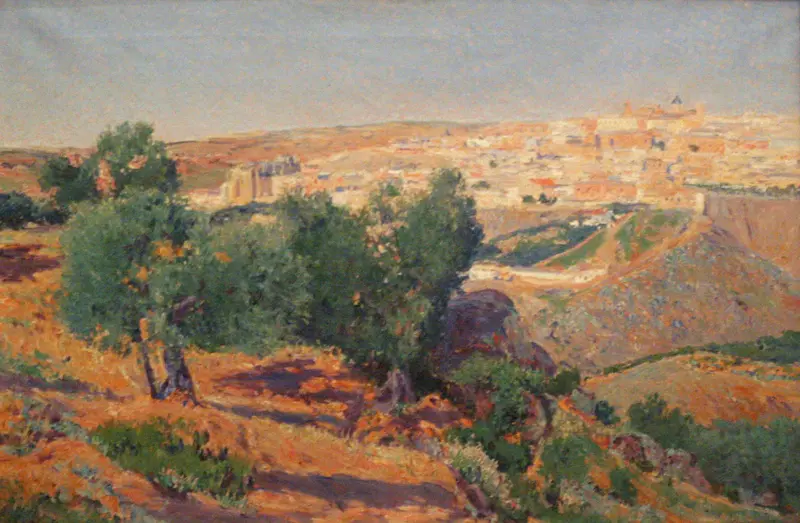
View of Toledo from La Vega Baja
Aureliano de Beruete
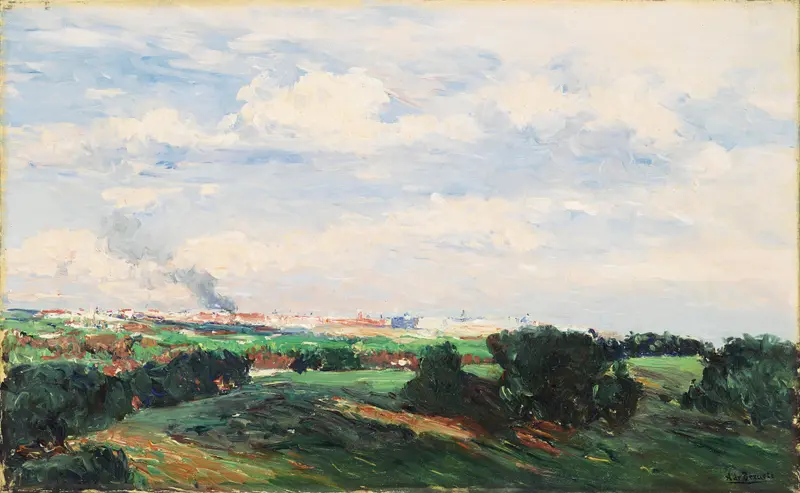
View of Madrid from the Plantío de los Infantes or Madrid Seen from El Pardo
Aureliano de Beruete
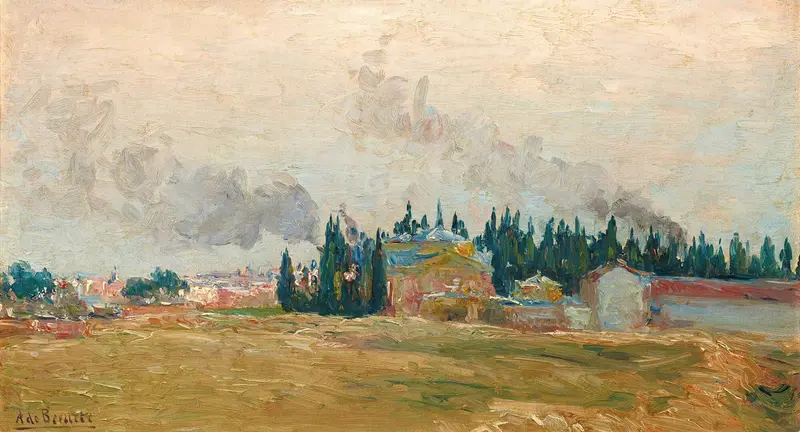
Alrededores de Madrid
Aureliano de Beruete
Spring Blossom
Aureliano de Beruete
More Landscape Art

The Starry Night
Vincent van Gogh

View of Delft
Johannes Vermeer

Water Lilies
Claude Monet

The Grand Canal, Venice, looking north-west from the Ca' Corner to the Ca' Contarini degli Scrigni, with the campanile of Santa Maria della Carità
Canaletto

Windsor Castle
Canaletto

The Grand Canal looking North-East from the Palazzo Dolfin-Manin to the Rialto Bridge
Canaletto