
The River Isole at Quimperlé — History & Facts
The first thing that catches the eye in The River Isole at Quimperlé is the way sunlight seems to slip down the pale facades, pooling in the water below and bouncing back as shimmering patches of gold and blue. The river draws you in, its surface alive with reflections that blur the boundary between architecture and nature. On one side, tall houses rise sheer from the water, their windows catching the light; on the other, a riot of greenery and the angled roofs of smaller dwellings hint at the life of a riverside town.
The brushwork is lively, especially in the water and foliage, where dabs and streaks of paint suggest ripples and rustling leaves rather than pinning them down. The scene feels caught in a moment of stillness, yet everywhere the eye turns, something is in motion: light, water, the hint of a breeze. Painted in 1901, this work belongs to a period when European artists were increasingly drawn to the changing effects of light and the everyday poetry of local landscapes. Aureliano de Beruete was part of this movement, often painting outdoors to capture fleeting atmospheres.
Such scenes were rarely grand commissions; instead, they were personal studies, sometimes painted for fellow artists or collectors who valued the immediacy of a fresh view. The town of Quimperlé, with its winding river and sunlit facades, would have offered just the kind of subject that appealed to painters seeking to record the world as it appeared in a given hour. Today, as this painting rests in a digital collection, it invites viewers to linger at the river’s edge and watch the play of light as if for the first time.
More Artworks by Aureliano de Beruete

View of Toledo
Aureliano de Beruete
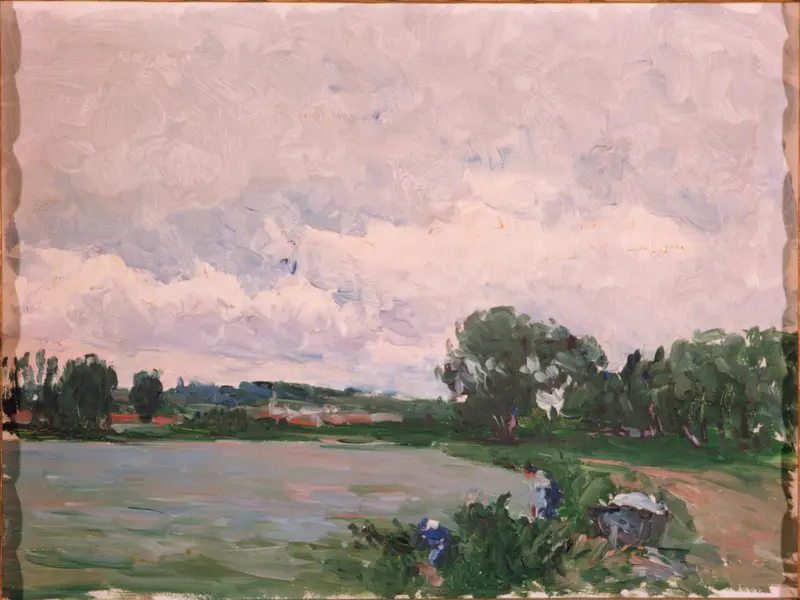
Paisaje de Vichy (Río Alier)
Aureliano de Beruete
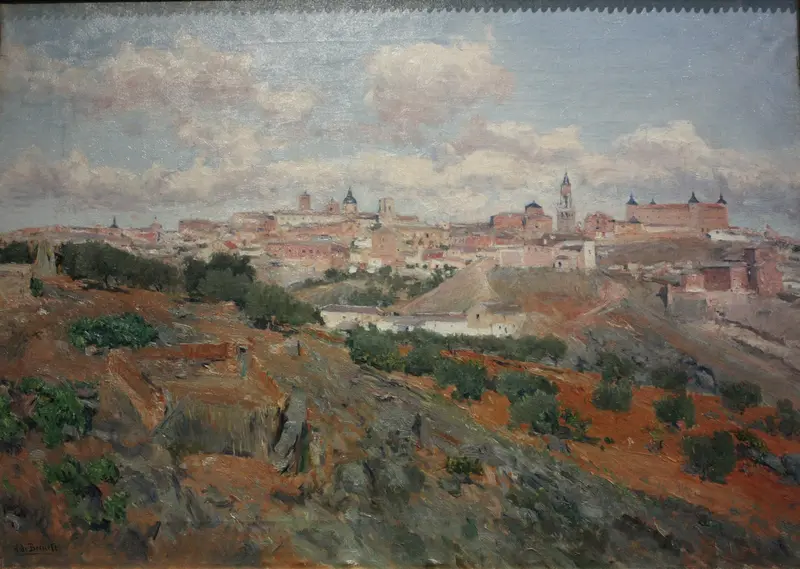
Vue de Tolède
Aureliano de Beruete
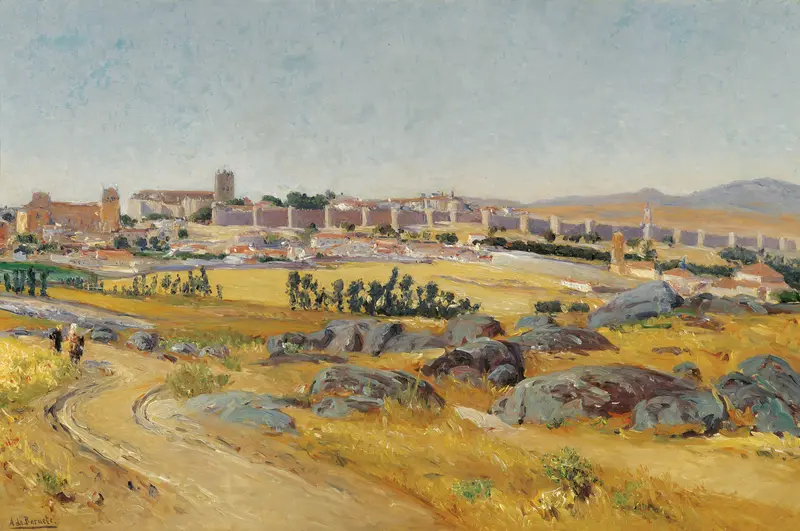
Avila
Aureliano de Beruete
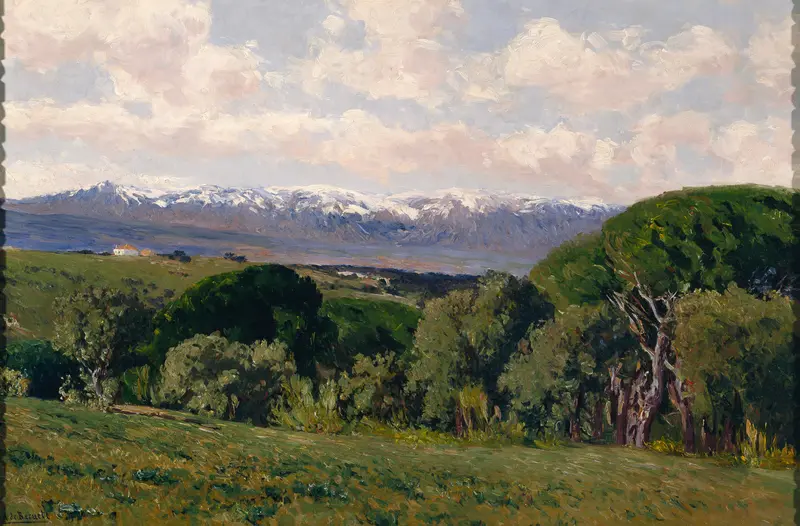
The Guadarrama from the Plantío de los Infantes
Aureliano de Beruete
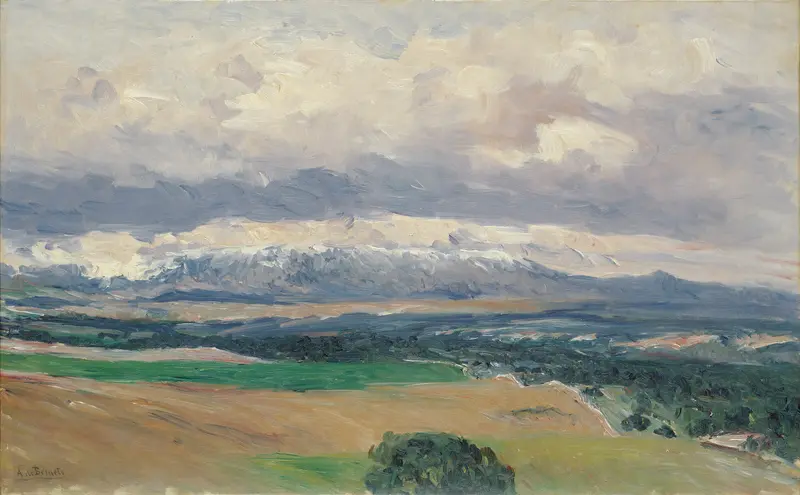
View of the Sierra de Guadarrama from El Plantío
Aureliano de Beruete
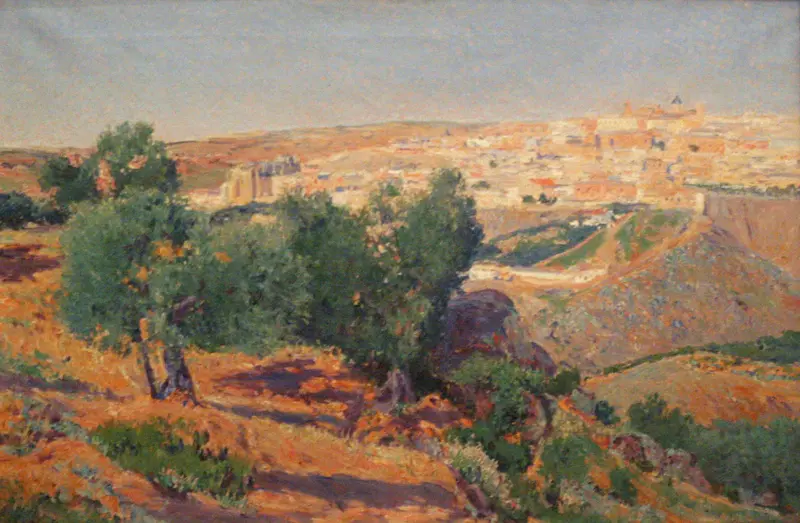
View of Toledo from La Vega Baja
Aureliano de Beruete
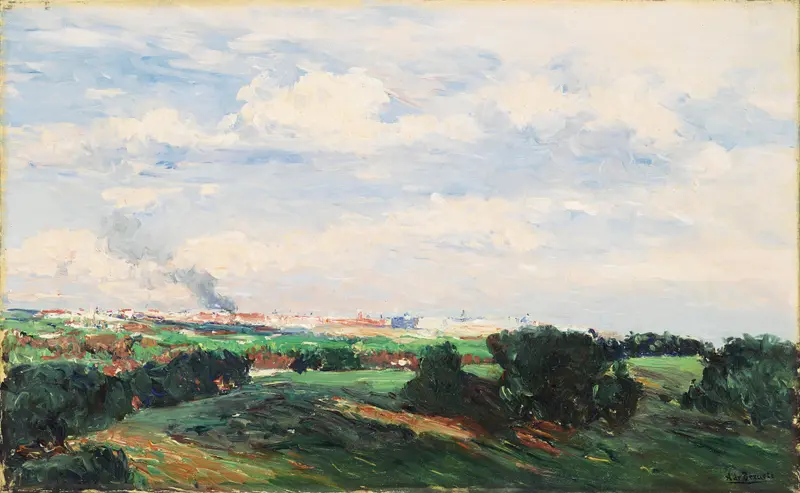
View of Madrid from the Plantío de los Infantes or Madrid Seen from El Pardo
Aureliano de Beruete
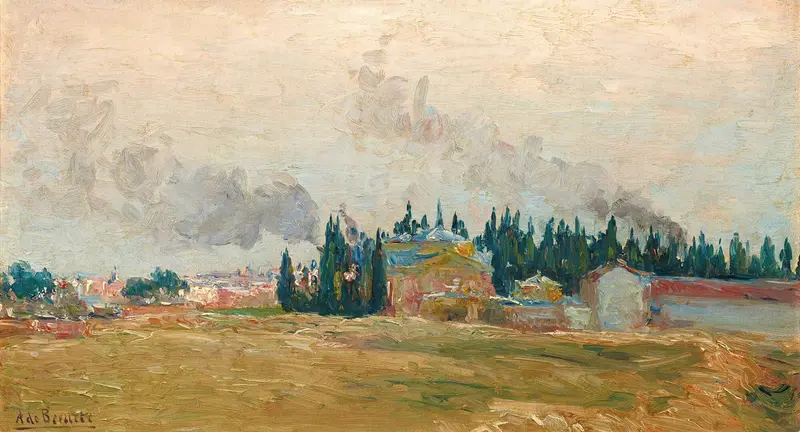
Alrededores de Madrid
Aureliano de Beruete
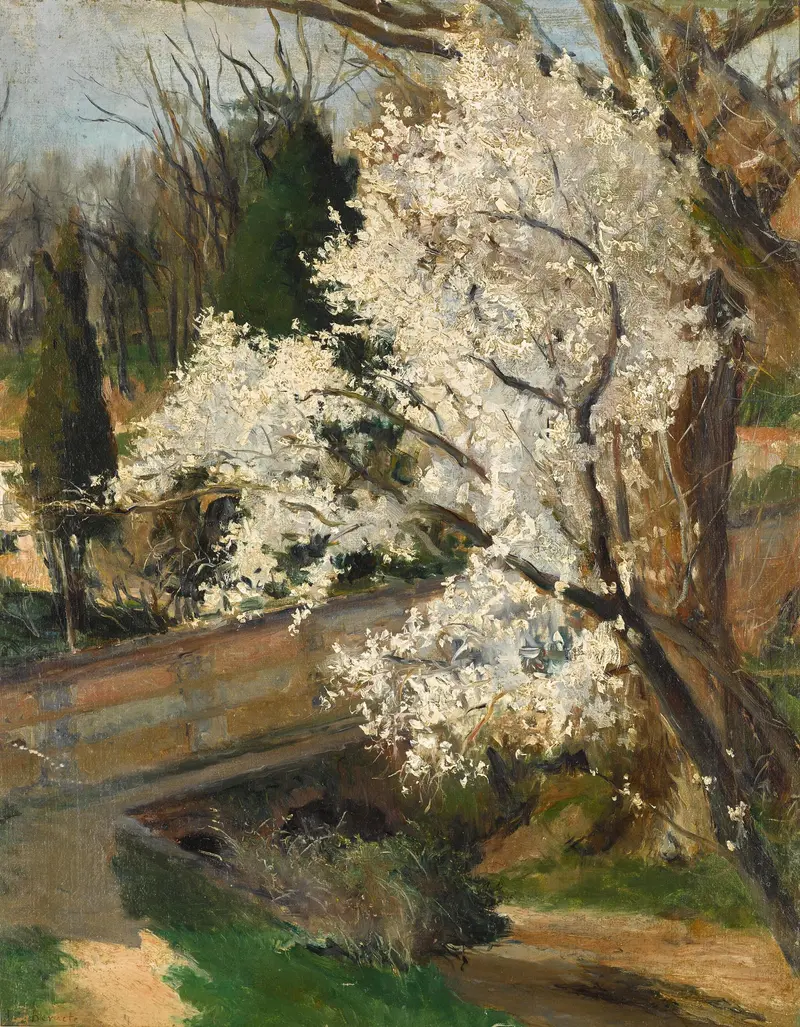
Spring Blossom
Aureliano de Beruete
More Landscape Art

The Starry Night
Vincent van Gogh

View of Delft
Johannes Vermeer

Water Lilies
Claude Monet

The Grand Canal, Venice, looking north-west from the Ca' Corner to the Ca' Contarini degli Scrigni, with the campanile of Santa Maria della Carità
Canaletto

Windsor Castle
Canaletto

The Grand Canal looking North-East from the Palazzo Dolfin-Manin to the Rialto Bridge
Canaletto