
Vue de Tolède — History & Facts
What first catches the eye in Vue de Tolède is the way the city seems to float above its own rugged terrain, the ancient skyline rising like a mirage from the ochre and olive slopes. The artist leads us from the rough, almost tactile earth in the foreground—where brushstrokes suggest the stubborn vegetation and stone—toward the luminous cluster of towers and domes. The sky, restless with passing clouds, bathes Toledo in a shifting, gentle light that softens the hard geometry of its buildings.
Every element in the scene seems chosen to heighten the sense of distance and memory, as if the city is both present and already receding into history. Painted before 1904, this view belongs to a moment when Spanish landscape painting was coming into its own, shaped by both national pride and the influence of Impressionism. Artists like Aureliano de Beruete, working in the years of Spain’s regeneration, turned to their own land for inspiration, capturing not just the physical features but the spirit of place. Such works were often created for collectors or public institutions eager to celebrate regional identity, and they reflect the era’s fascination with light, atmosphere, and the enduring forms of the Spanish landscape.
Though history has kept few traces of this specific painting’s journey, its presence in a modern collection invites us to look again at Toledo—not as a postcard, but as a living place, forever caught between earth and sky.
More Artworks by Aureliano de Beruete

View of Toledo
Aureliano de Beruete
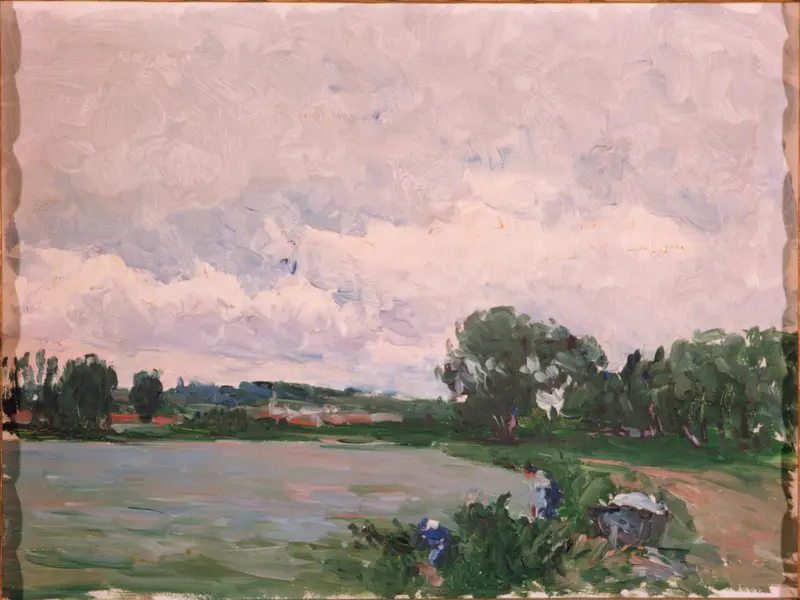
Paisaje de Vichy (Río Alier)
Aureliano de Beruete
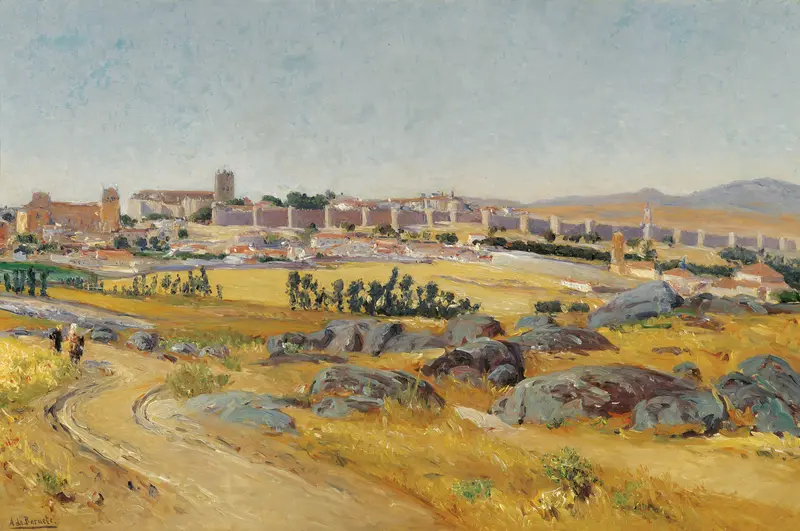
Avila
Aureliano de Beruete
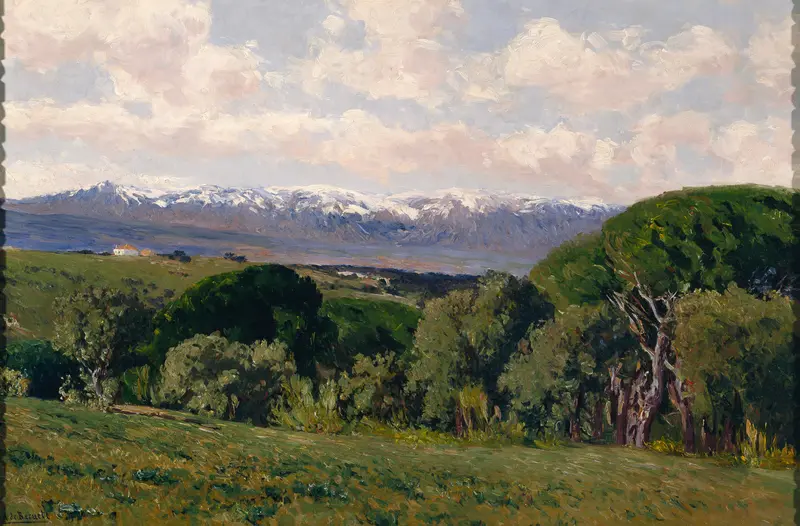
The Guadarrama from the Plantío de los Infantes
Aureliano de Beruete
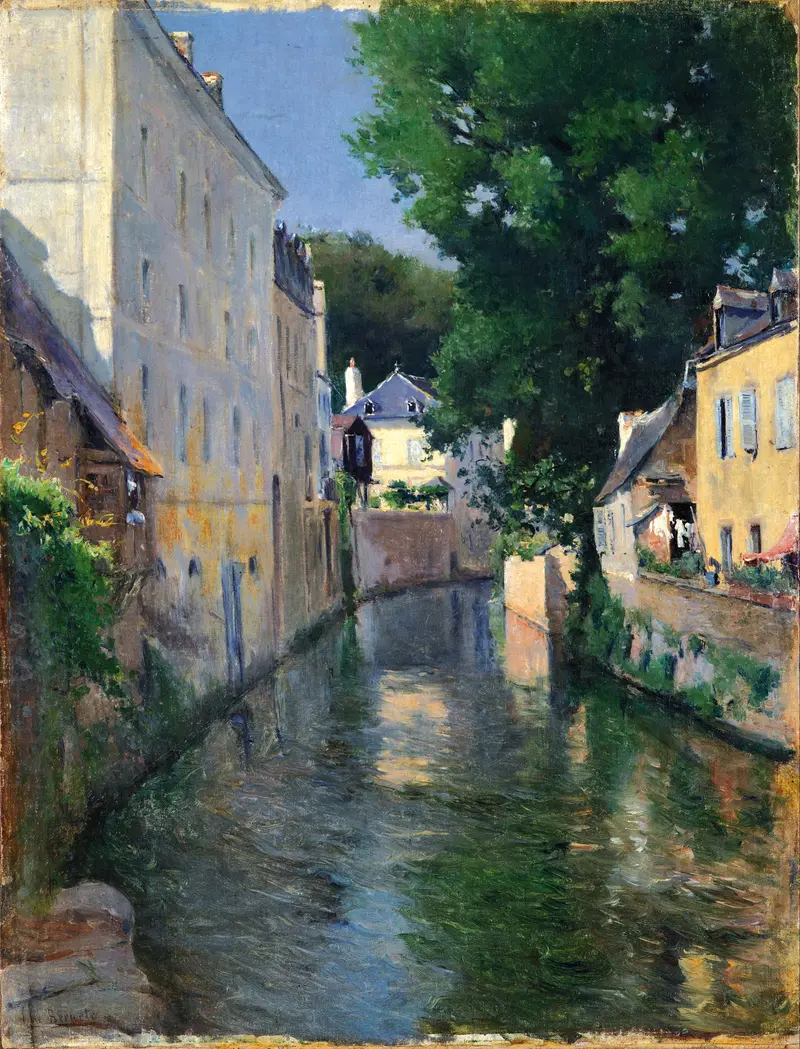
The River Isole at Quimperlé
Aureliano de Beruete
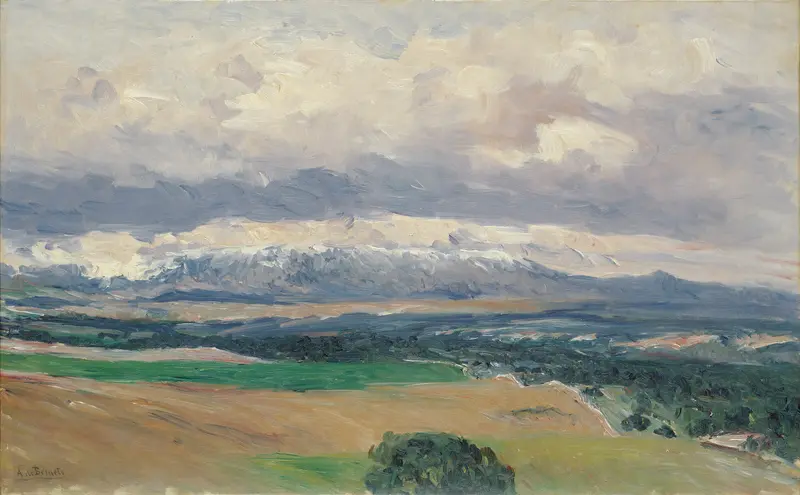
View of the Sierra de Guadarrama from El Plantío
Aureliano de Beruete
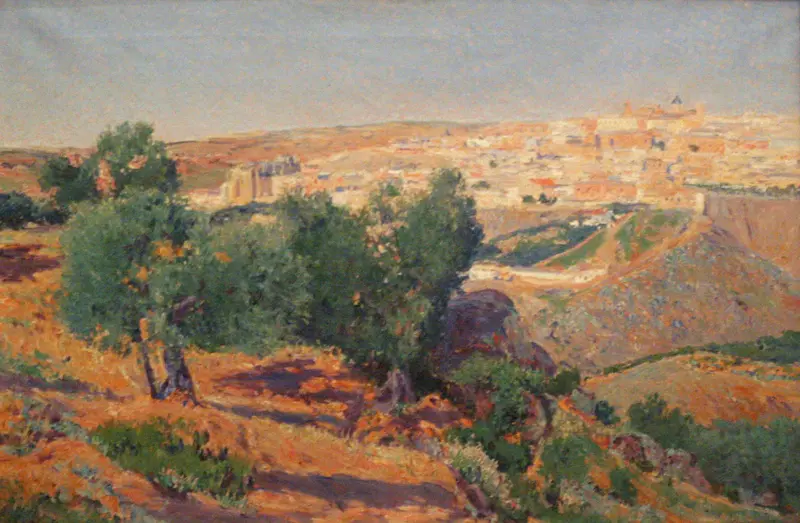
View of Toledo from La Vega Baja
Aureliano de Beruete
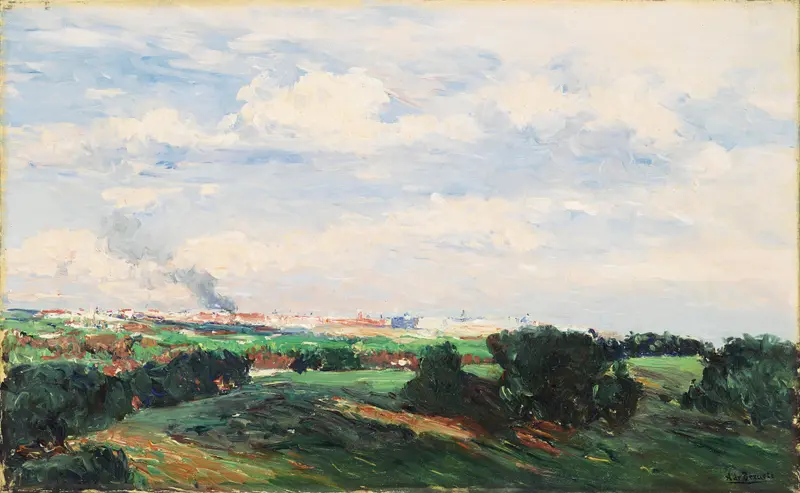
View of Madrid from the Plantío de los Infantes or Madrid Seen from El Pardo
Aureliano de Beruete
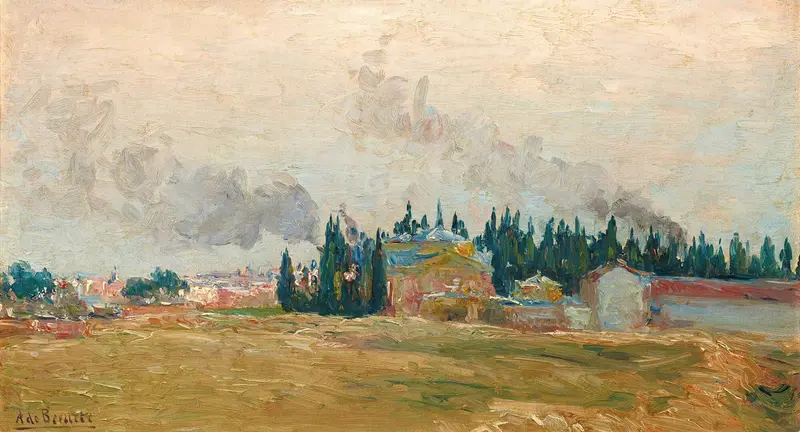
Alrededores de Madrid
Aureliano de Beruete
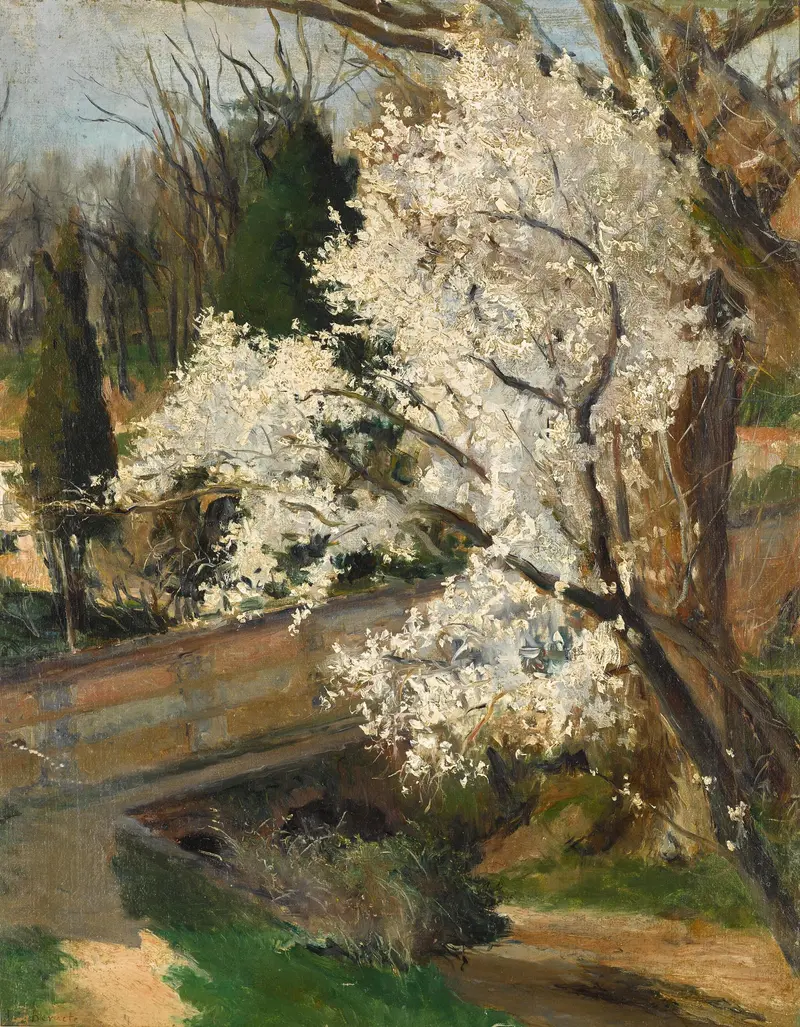
Spring Blossom
Aureliano de Beruete
More Landscape Art

The Starry Night
Vincent van Gogh

View of Delft
Johannes Vermeer

Water Lilies
Claude Monet

The Grand Canal, Venice, looking north-west from the Ca' Corner to the Ca' Contarini degli Scrigni, with the campanile of Santa Maria della Carità
Canaletto

Windsor Castle
Canaletto

The Grand Canal looking North-East from the Palazzo Dolfin-Manin to the Rialto Bridge
Canaletto