
View of Toledo from La Vega Baja — History & Facts
The first thing that catches the eye in View of Toledo from La Vega Baja by Aureliano de Beruete is the way the city seems to hover above the landscape, its sunlit walls dissolving into the pale sky. The painter leads us from the cool shade beneath olive trees in the foreground, across the ochre earth, and up toward the clustered forms of Toledo itself. The loose, flickering brushwork in the trees and soil suggests both the heat of the Spanish afternoon and the restless energy of the painter’s gaze.
The high vantage point, with its plunging valley and distant city, invites the viewer to step into the painter’s shoes—at once grounded in the present moment and drawn toward the storied past of the city on the hill. Painted in 1909, this work belongs to a moment when Spanish artists were reimagining their national landscapes, often looking to the countryside and historic cities for inspiration. Scenes like this, especially those featuring Toledo, were popular among collectors and critics alike, eager for images that balanced modern technique with a sense of rooted tradition. Aureliano de Beruete was known for his devotion to the Spanish landscape, and his views of Toledo echo the broader European fascination with place and memory at the turn of the twentieth century.
History has kept few traces of this particular canvas’s early life, but its brushwork and palette still urge us to linger, tracing the path from shadow to sunlight, from earth to city.
More Artworks by Aureliano de Beruete

View of Toledo
Aureliano de Beruete
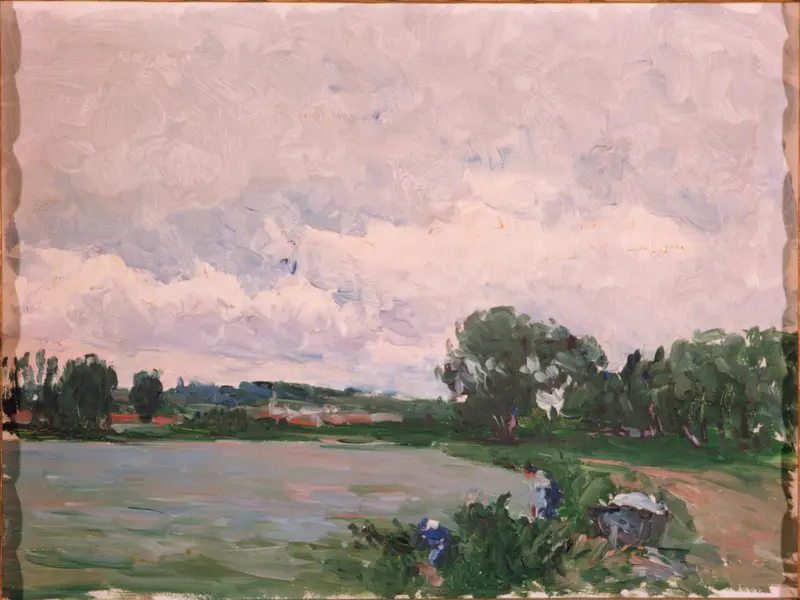
Paisaje de Vichy (Río Alier)
Aureliano de Beruete
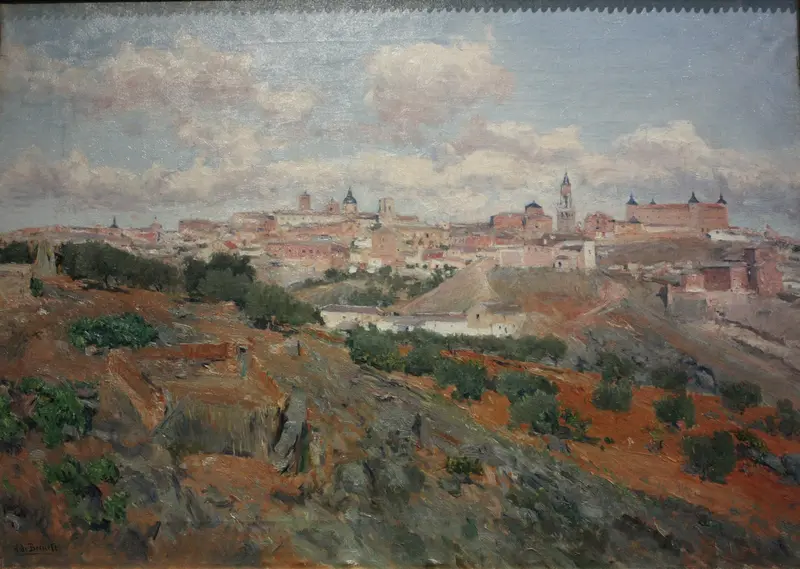
Vue de Tolède
Aureliano de Beruete
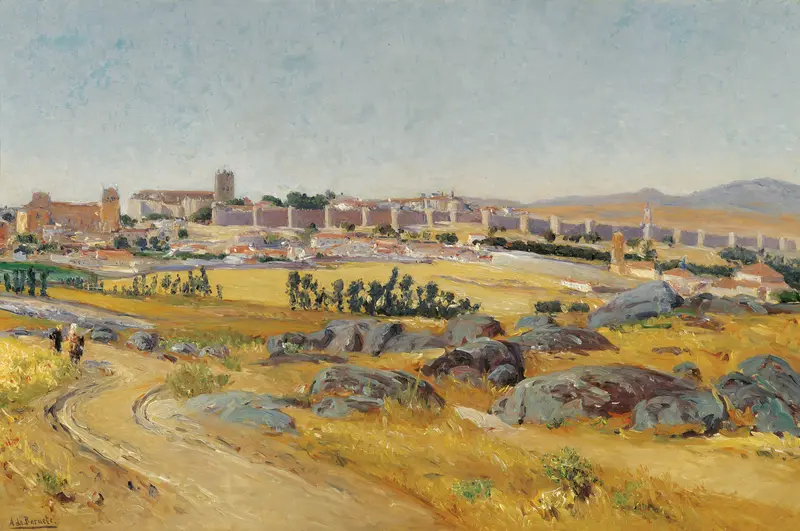
Avila
Aureliano de Beruete
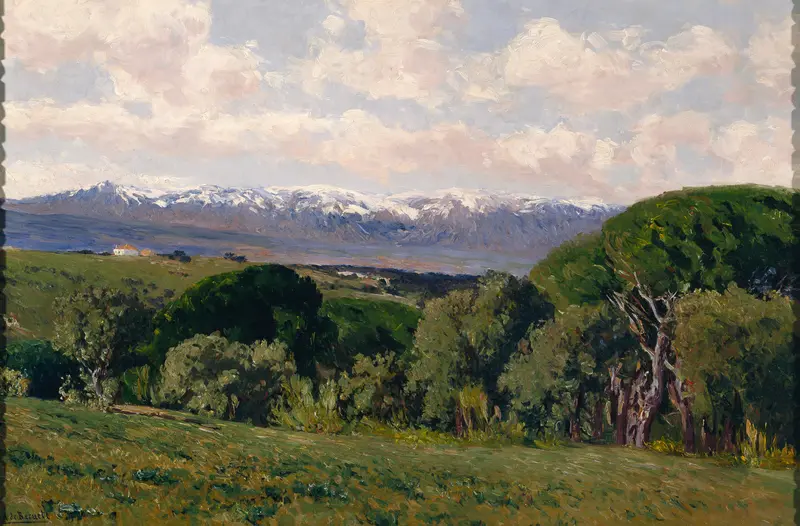
The Guadarrama from the Plantío de los Infantes
Aureliano de Beruete
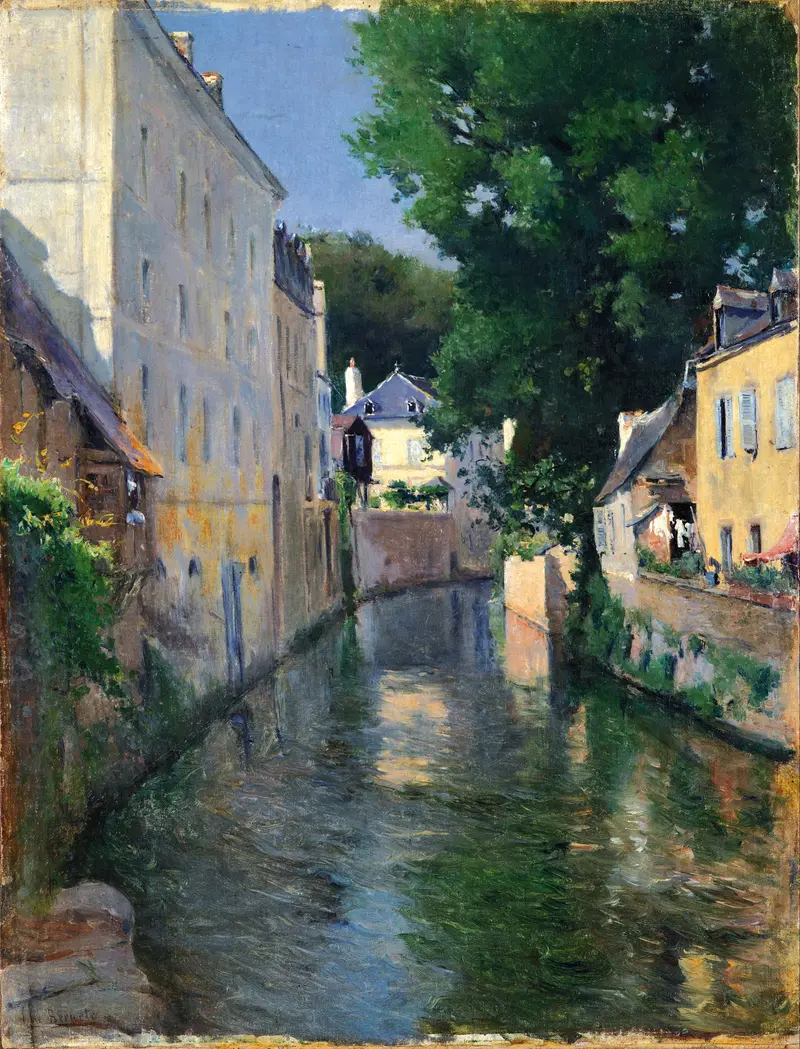
The River Isole at Quimperlé
Aureliano de Beruete
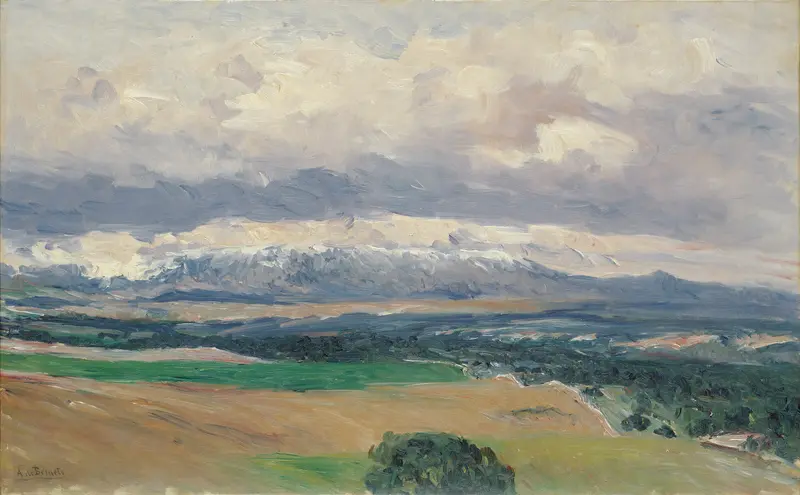
View of the Sierra de Guadarrama from El Plantío
Aureliano de Beruete
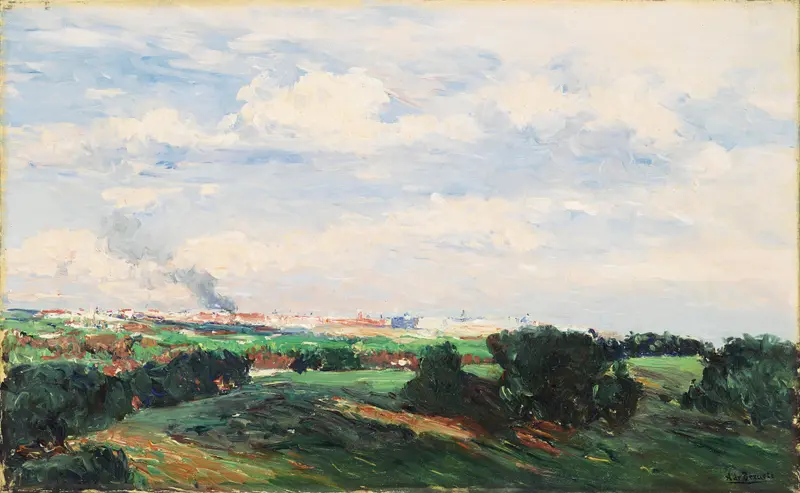
View of Madrid from the Plantío de los Infantes or Madrid Seen from El Pardo
Aureliano de Beruete
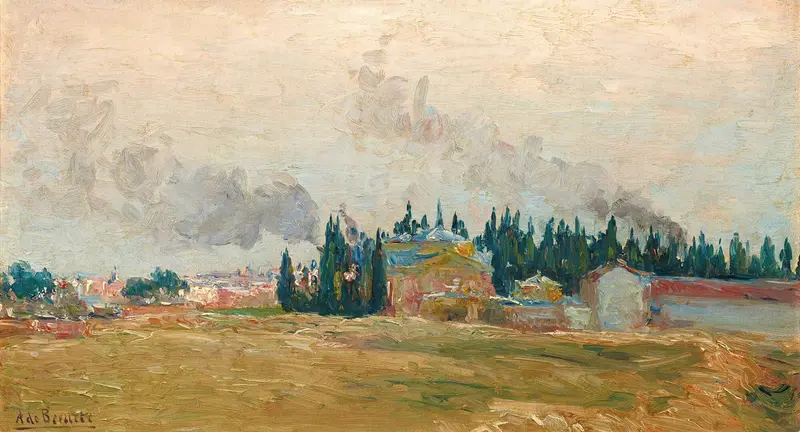
Alrededores de Madrid
Aureliano de Beruete
Spring Blossom
Aureliano de Beruete
More Landscape Art

The Starry Night
Vincent van Gogh

View of Delft
Johannes Vermeer

Water Lilies
Claude Monet

The Grand Canal, Venice, looking north-west from the Ca' Corner to the Ca' Contarini degli Scrigni, with the campanile of Santa Maria della Carità
Canaletto

Windsor Castle
Canaletto

The Grand Canal looking North-East from the Palazzo Dolfin-Manin to the Rialto Bridge
Canaletto