
Baalbek, Lebanon — History & Facts
In the ancient ruins of Baalbek, the echoes of faith and history intertwine, revealing the fragile yet enduring nature of humanity's aspirations. Look to the center of the canvas where monumental columns rise like sentinels against a soft, azure sky. The meticulous brushwork captures the texture of weathered stone, inviting you to trace the intricate carvings that speak of devotion and sacrifice. Notice how the sunlight bathes the ruins in a warm glow, accentuating the contrast between the brilliance of the architecture and the shadows that linger, hinting at the passage of time. Within the composition lies a tension between permanence and decay.
The artist emphasizes the majesty of the columns that once held the weight of worship, now mere remnants of a lost era. Each crack and crevice tells a story of time's relentless march, suggesting that even the most beautiful constructs are subject to the ravages of history. The vibrant colors juxtaposed with the aging stone evoke a bittersweet reflection on faith—once a powerful force, now a haunting memory. Lear painted this piece between 1858 and 1862 during his travels through the Middle East.
This period, rich in artistic exploration, saw him capturing the beauty of landscapes and architecture, influenced by Romanticism's fascination with the sublime. As he immersed himself in the cultural tapestry of Lebanon, the artist sought to convey not just the external beauty of these ruins, but the deeper resonance of faith that inspired their creation.
More Artworks by Edward Lear
Browse all →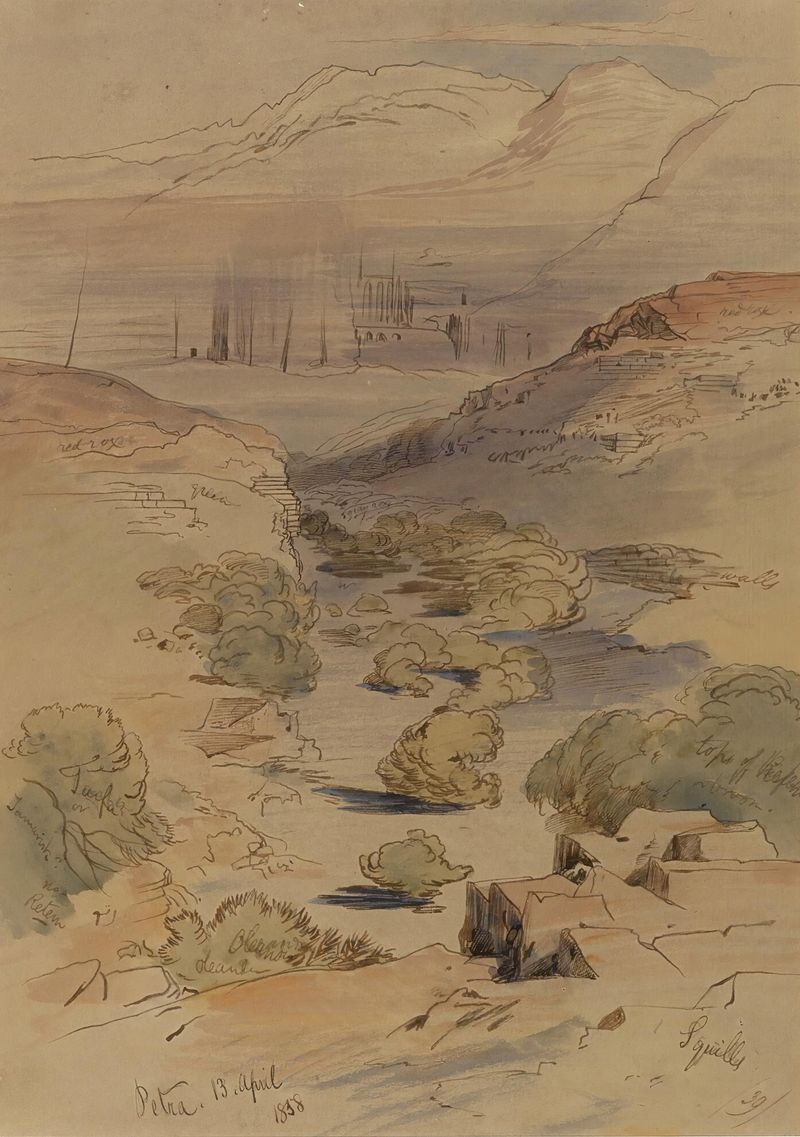
Petra
Edward Lear
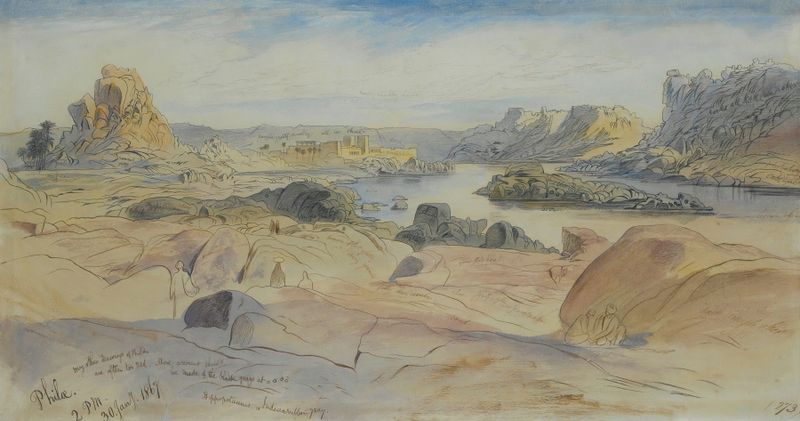
Philae, Egypt
Edward Lear
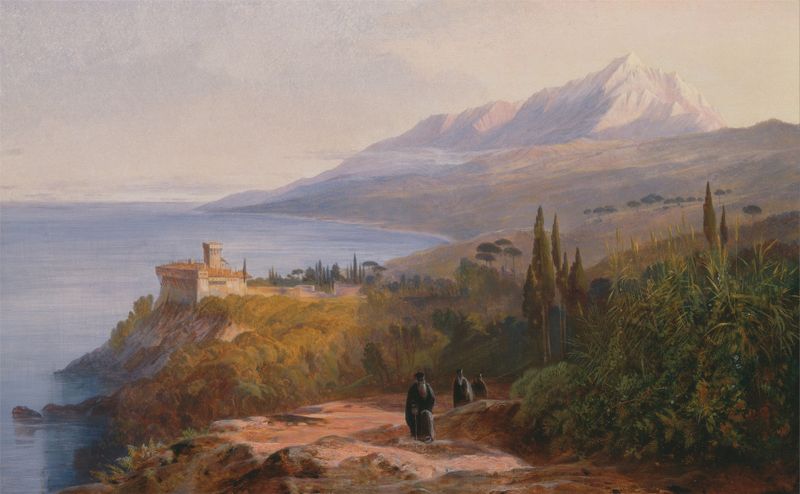
Mount Athos and the Monastery of Stavronikétes
Edward Lear
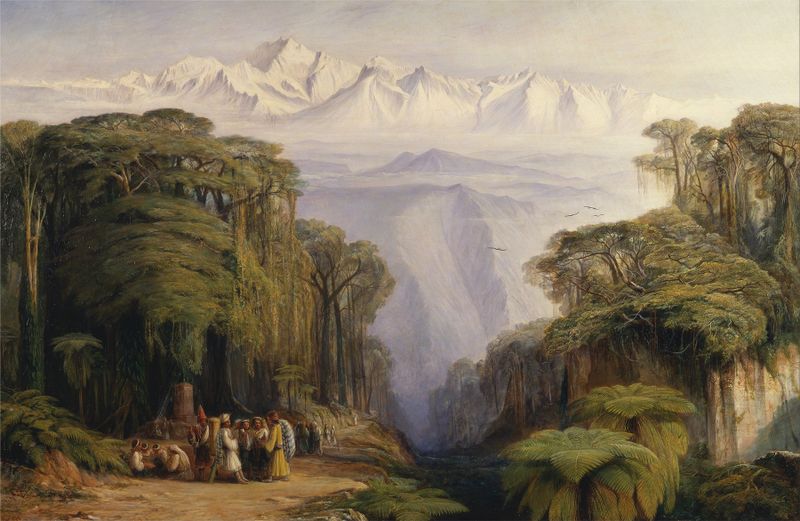
Kangchenjunga from Darjeeling
Edward Lear
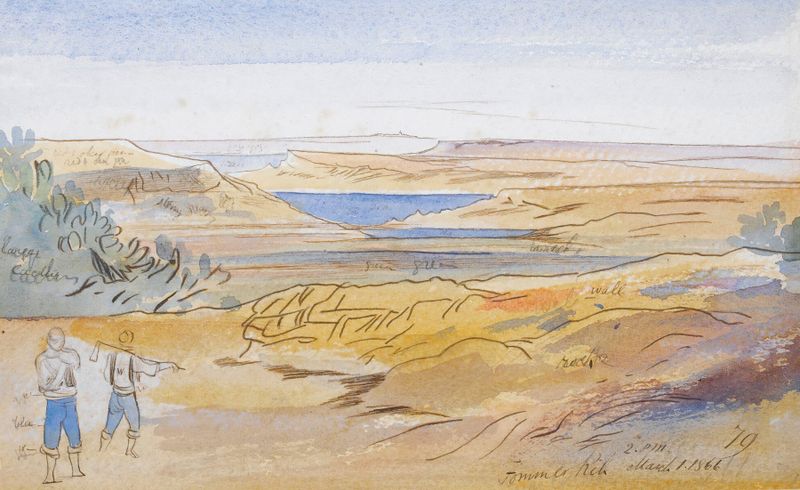
Fomm Ir-Rih, Malta
Edward Lear
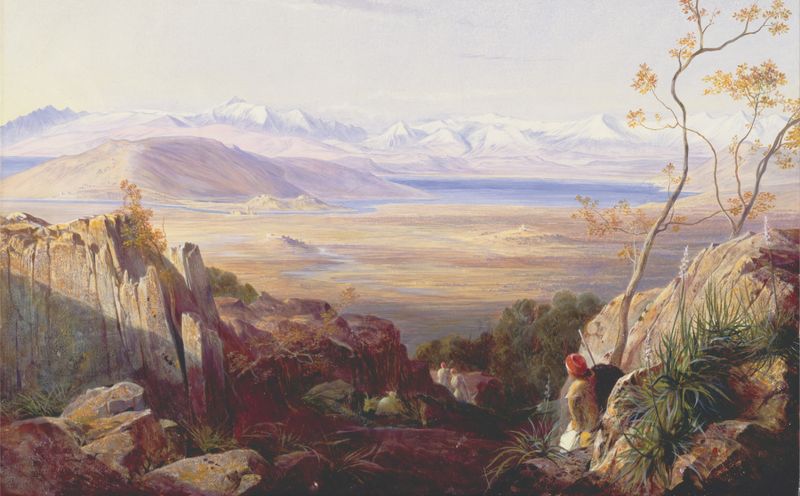
Butrinto, Albania
Edward Lear
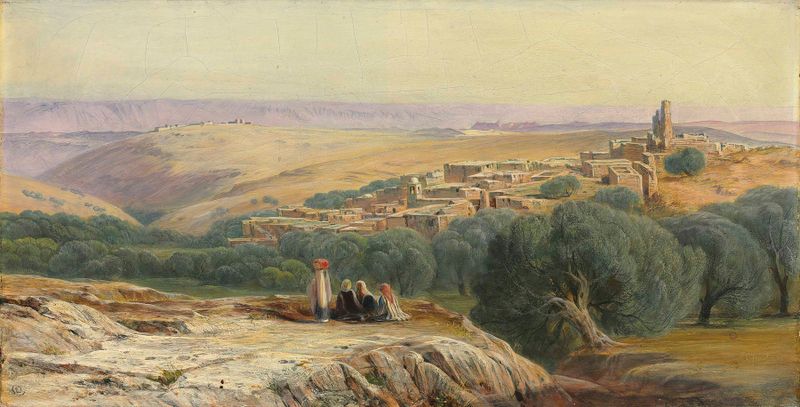
The Plains of Bethany
Edward Lear

Karnak, 9-30 pm, 22 January 1867
Edward Lear
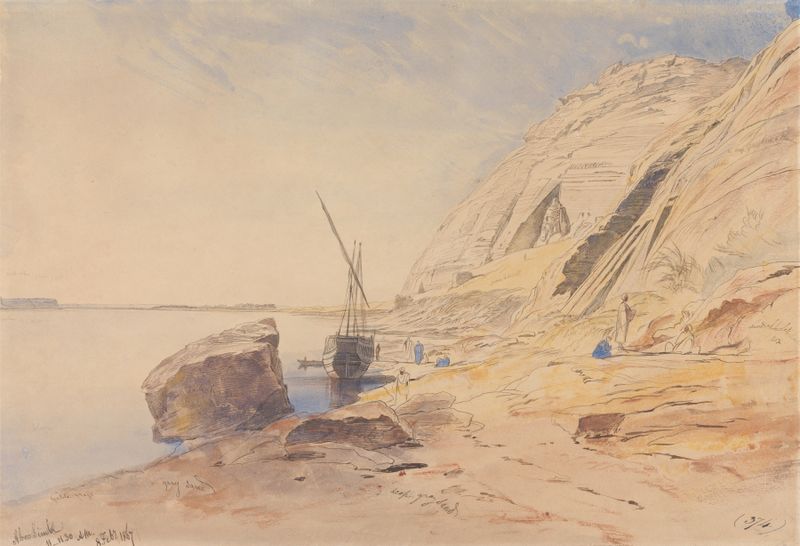
Abu Simbel, 11-11;30 am, 8 February 1867 (374)
Edward Lear

A View Of Mount Athos And The Pantokrator Monastery, Greece
Edward Lear





