
Baby at Play — History & Facts
In Baby at Play, we see a young child engaged in a moment of playfulness. The colors are soft and warm, with a palette that includes gentle yellows and browns. The child is depicted in a relaxed pose, surrounded by toys that suggest a lively environment.
The setting appears to be an intimate indoor space, enhancing the sense of comfort and joy. The painting is executed in oil on canvas, a medium that allows for rich textures and depth. Eakins' attention to detail is evident in the child's facial expression and the intricate rendering of the toys. The composition is balanced, drawing the viewer's eye to the central figure of the child.
The brushwork is smooth, contributing to the overall realism of the scene. Thomas Eakins was known for his focus on realism and the human figure. This work, created in the 1890s, reflects his interest in capturing everyday moments of life. An interesting fact about this painting is that it showcases Eakins' ability to portray the innocence and joy of childhood, a theme that resonates with many viewers.
Eakins often painted subjects from his own life, making his works deeply personal.
More Artworks by Thomas Eakins

Portrait Of Dr. Samuel D. Gross (The Gross Clinic)
Thomas Eakins
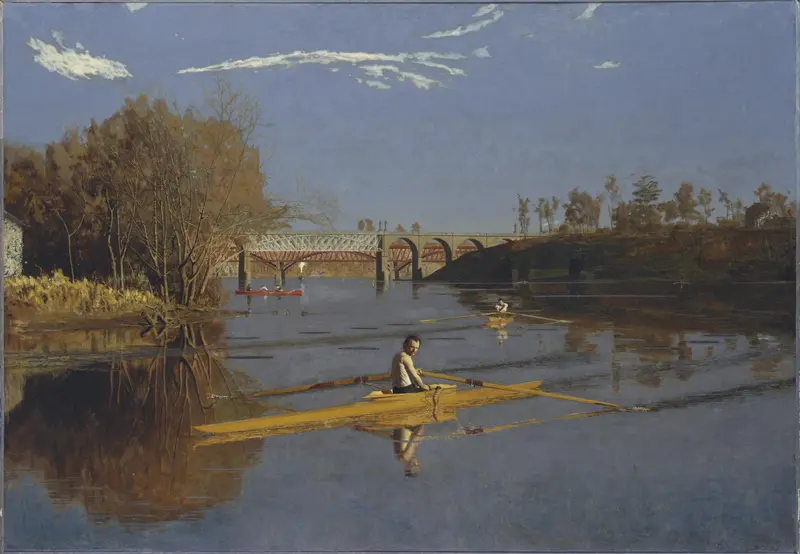
The Champion Single Sculls (Max Schmitt in a Single Scull)
Thomas Eakins
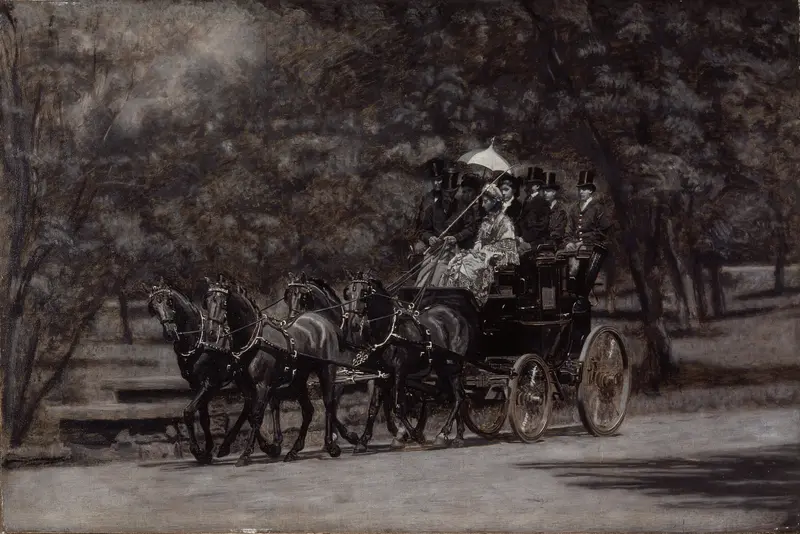
The Fairman Rogers Four-In-Hand (A May Morning in the Park)
Thomas Eakins
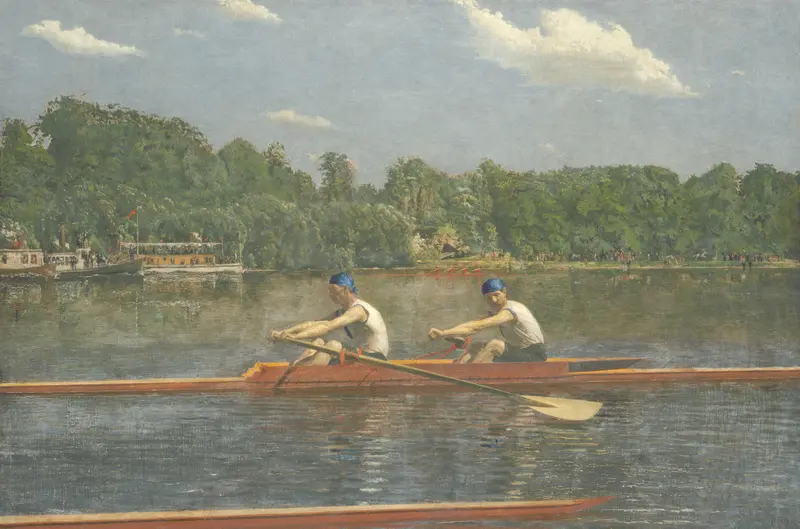
The Biglin Brothers Racing
Thomas Eakins

The Oarsmen (The Schreiber Brothers)
Thomas Eakins
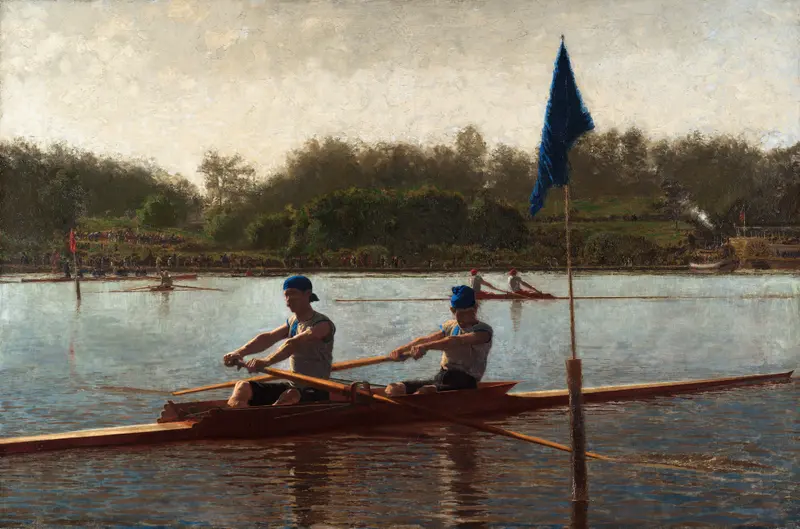
The Biglin Brothers Turning the Stake
Thomas Eakins
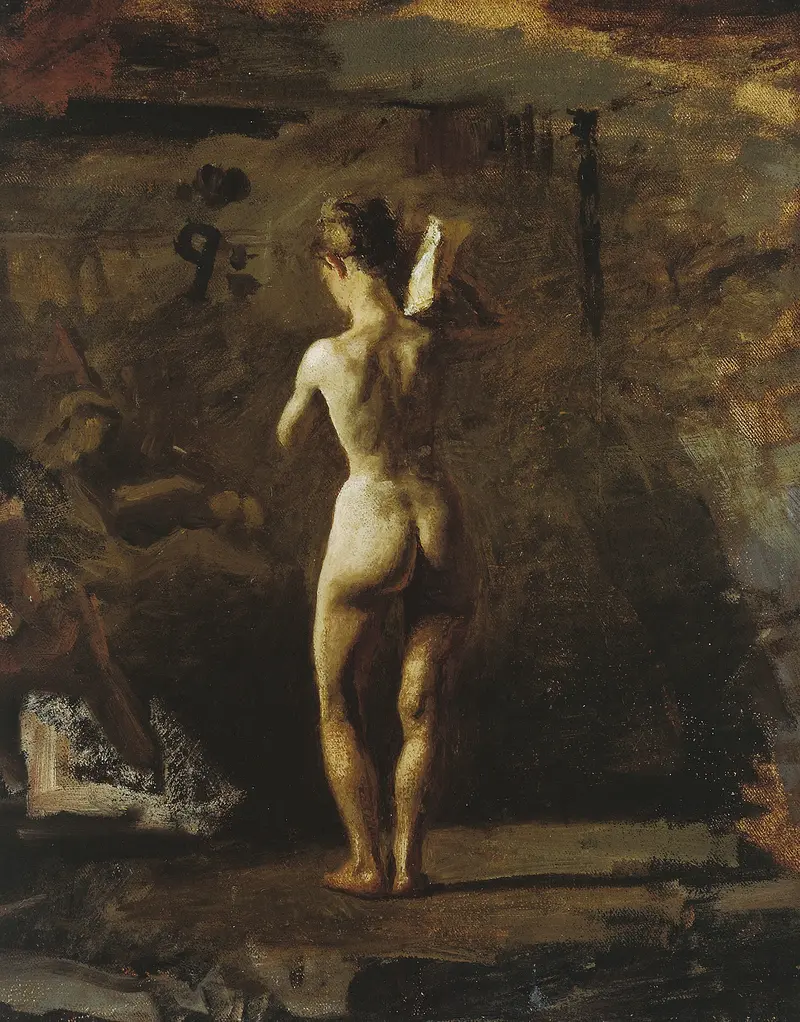
Study for "William Rush Carving His Allegorical Figure of the Schuylkill River"
Thomas Eakins
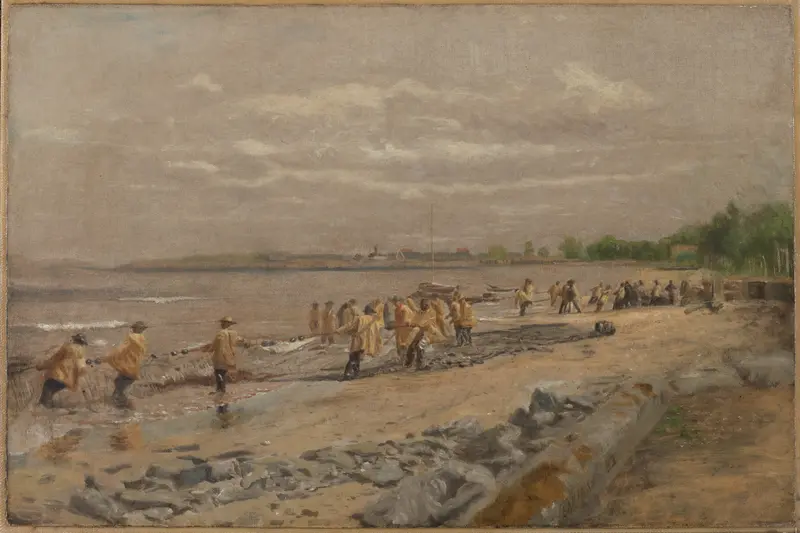
Hauling the Seine
Thomas Eakins
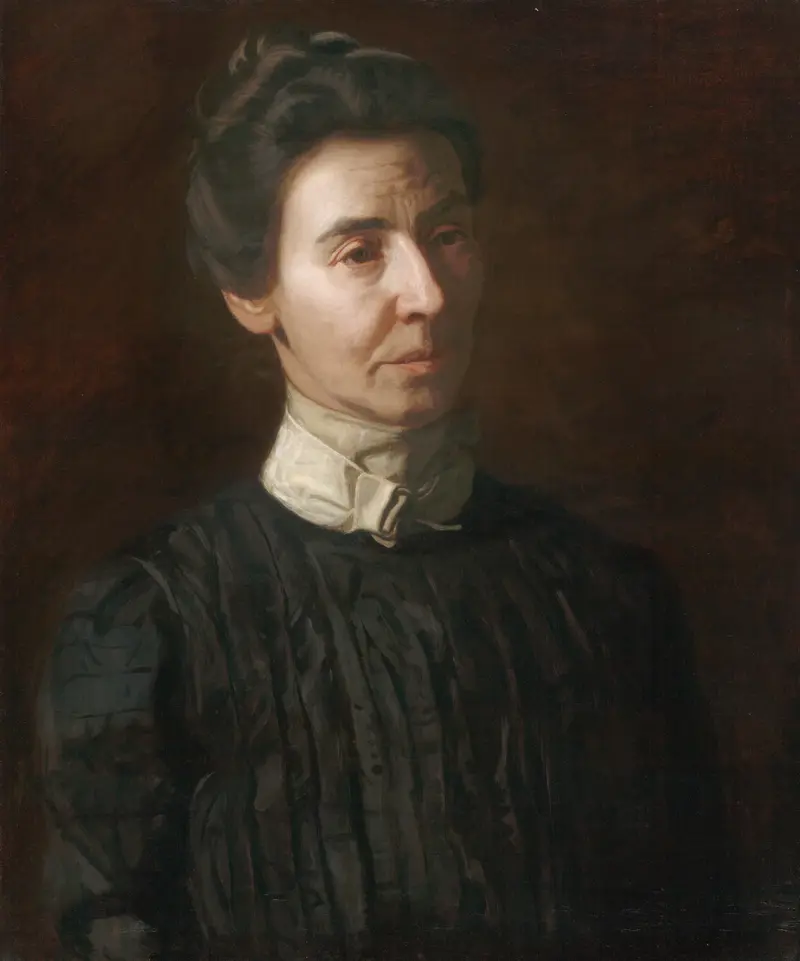
Portrait of Mary Adeline Williams
Thomas Eakins
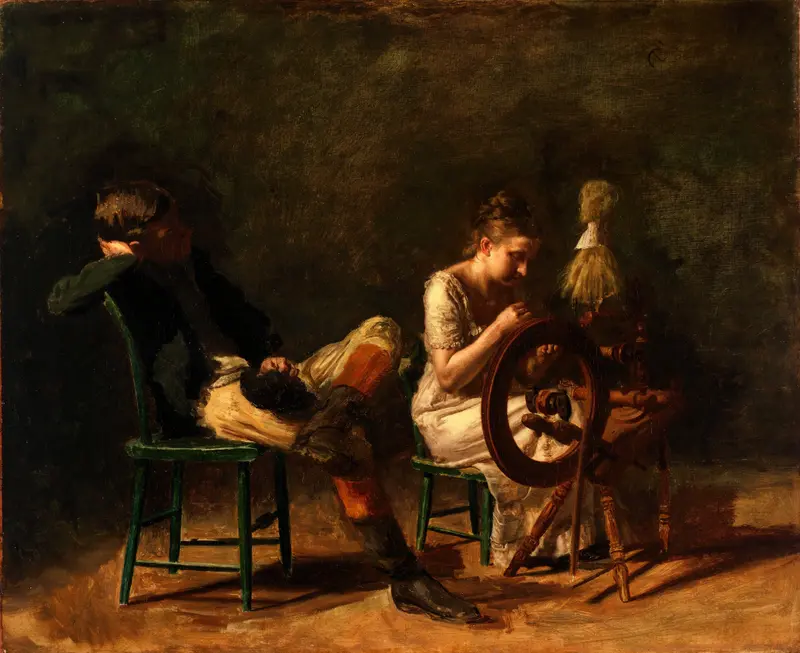
The Courtship
Thomas Eakins
More Genre Scene Art

Banquet of the Officers of the St George Civic Guard
Frans Hals

Rembrandt and Saskia in the Scene of the Prodigal Son
Rembrandt van Rijn

Bal du moulin de la Galette
Pierre-Auguste Renoir

Quadrille at the Moulin Rouge
Henri de Toulouse-Lautrec

A Burial at Ornans
Gustave Courbet

When Will You Marry?
Paul Gauguin