Back Street — History & Facts
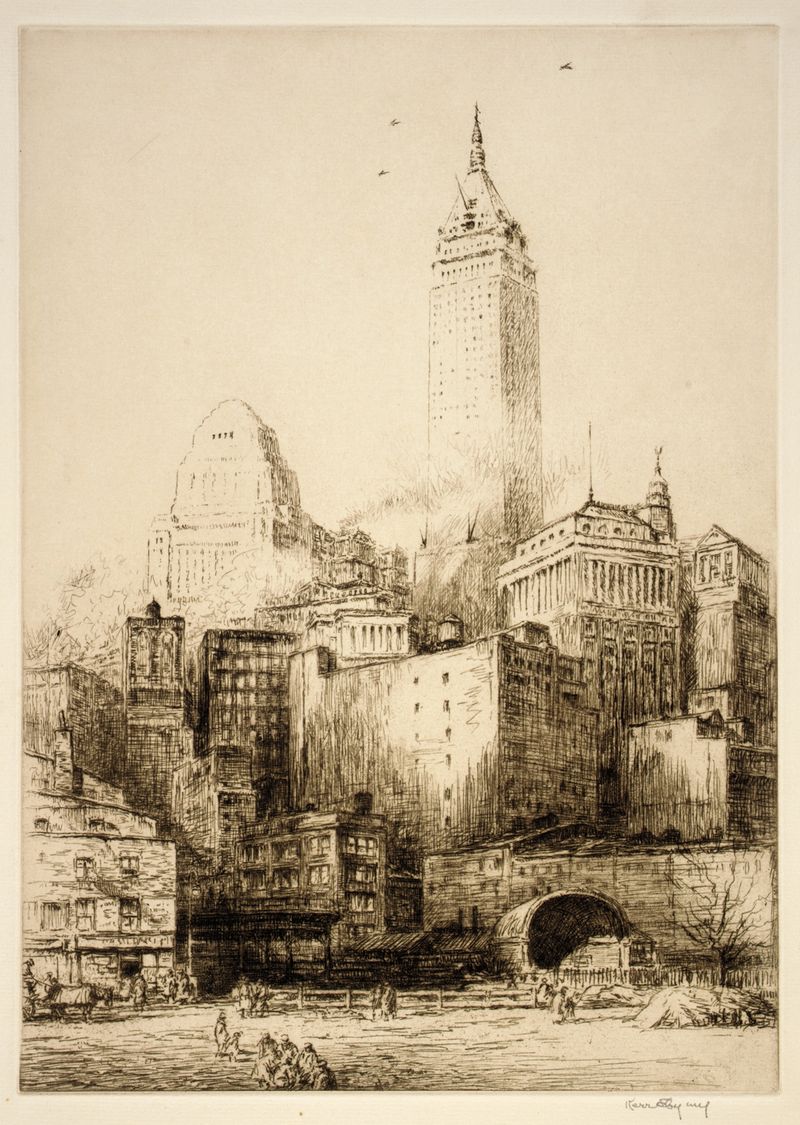
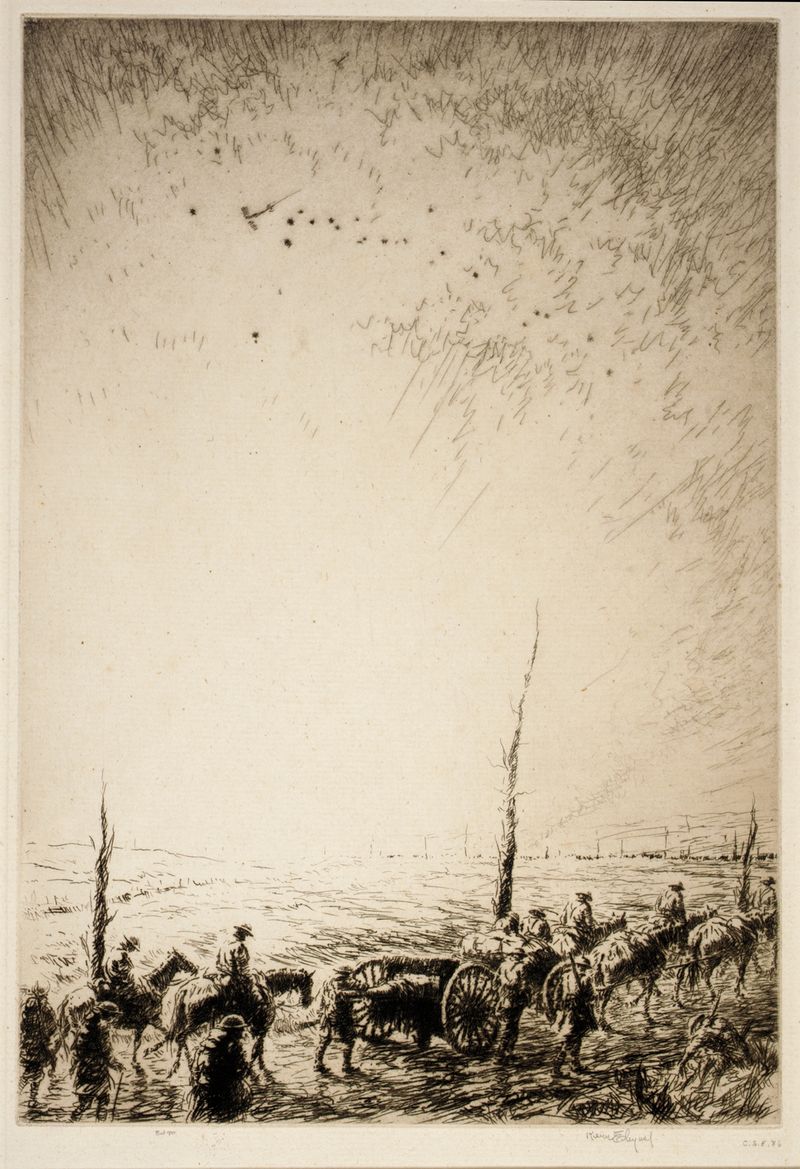
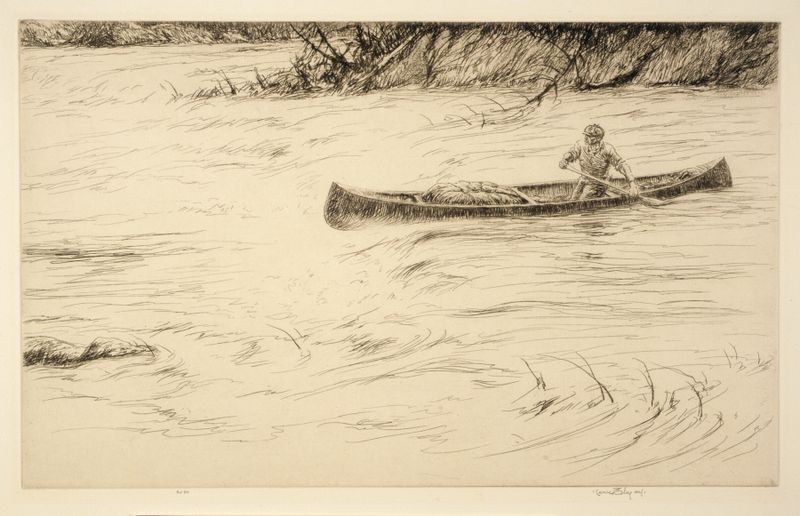
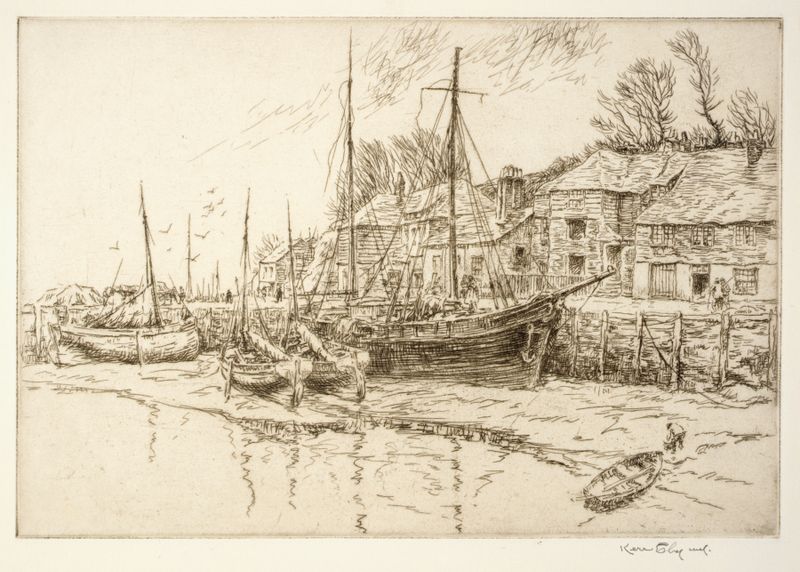
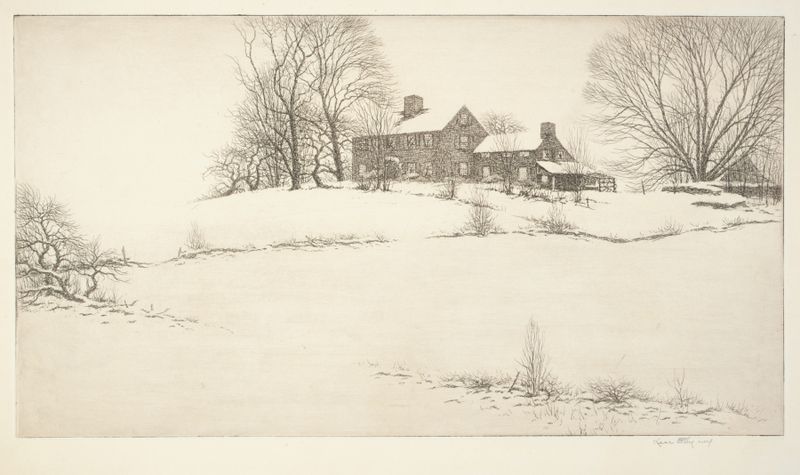
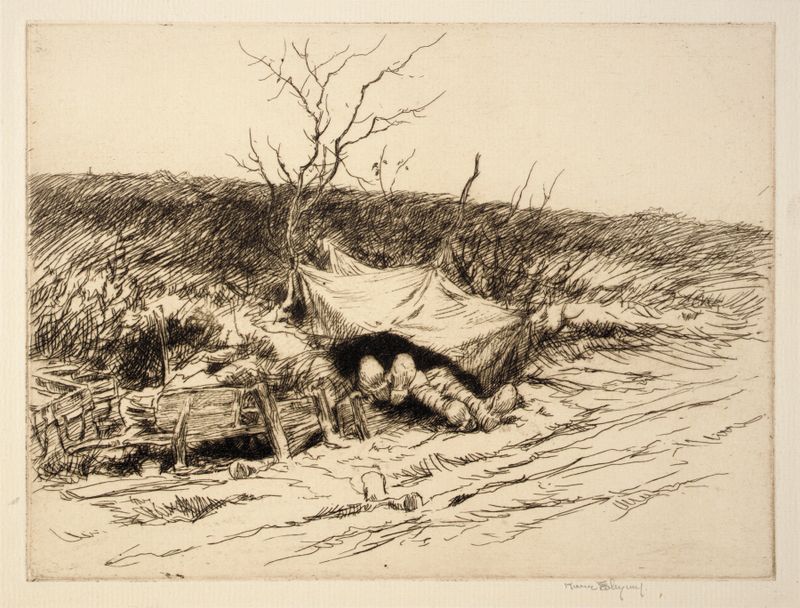
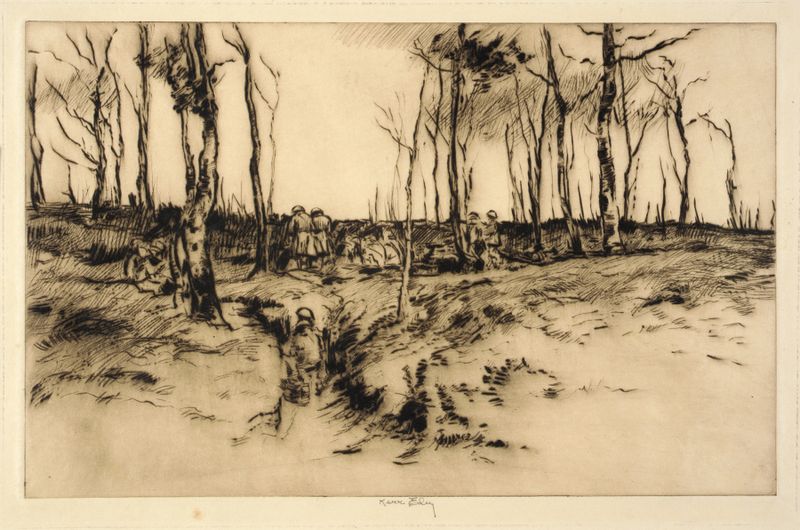
In Kerr Eby’s Back Street, fragility emerges as an enduring theme, echoing the ephemeral moments of life that slip away unnoticed. The artwork invites us to reflect on the delicate balance between permanence and transience, prompting a deep emotional exploration of the human experience. Focus first on the muted color palette that envelops the scene, drawing your attention to the soft grays and browns that dominate the composition. Notice how the light gently diffuses across the weathered buildings, casting long shadows that stretch into the alleyway.
The intricate textures of the walls are rendered with precision, each crack and crevice revealing stories of time’s passage and the lives lived within these confines. As you delve deeper, consider the contrast between the stillness of the urban backdrop and the invisible lives bustling beyond the canvas. The narrow alley suggests a sense of isolation, evoking a bittersweet nostalgia for what was and what could have been. This juxtaposition speaks to the fragility of life, the fleeting nature of memory, and the hidden realities of existence often overlooked. During the years 1924 to 1925, Eby created this piece while grappling with the aftermath of World War I, a period marked by significant social change and personal reflection.
Living in New York, he was influenced by the movement of social realism, capturing the often-ignored aspects of urban life. This work reflects both Eby’s artistic evolution and the broader historical context, as he sought to convey the delicate threads connecting humanity’s struggles and dreams.