
Oarsmen at Chatou — History & Facts
Can beauty exist without sorrow? In Oarsmen at Chatou, movement dances across the canvas, capturing the bittersweet harmony of leisure and labor. Begin by focusing on the vibrant interplay of colors that bring the water to life, shimmering in shades of blue and green. The figures of the oarsmen, poised mid-action, draw your eye to their muscular forms as they propel the boat forward. Notice how the gentle strokes of the brush create a sense of fluidity, capturing not just the movement of the oars but the very essence of a sunny day spent on the water.
The light, dappling across the surface, reflects the joy of the moment while hinting at the undercurrents of effort and toil. Yet, embedded within this lively scene are subtle emotional tensions. The oarsmen's faces, though smiling, reveal a weariness beneath their joy, suggesting that beauty and striving are intertwined. The verdant backdrop looms behind them, a reminder of nature's indifference to human endeavors.
This contrast between the buoyancy of the day and the labor of the workers serves as a poignant commentary on the ephemeral nature of happiness, illuminated by the tension of motion against stillness. In 1879, Renoir, a leading figure of Impressionism, was finding his voice while grappling with the rise of modernity and rapid societal changes in France. This period marked a shift towards capturing everyday moments filled with light and color, as the artist embraced the fleeting beauty of life. Oarsmen at Chatou encapsulates this evolution, reflecting both the joy of leisure and the underlying struggles that accompany it.
More Artworks by Pierre-Auguste Renoir
Browse all →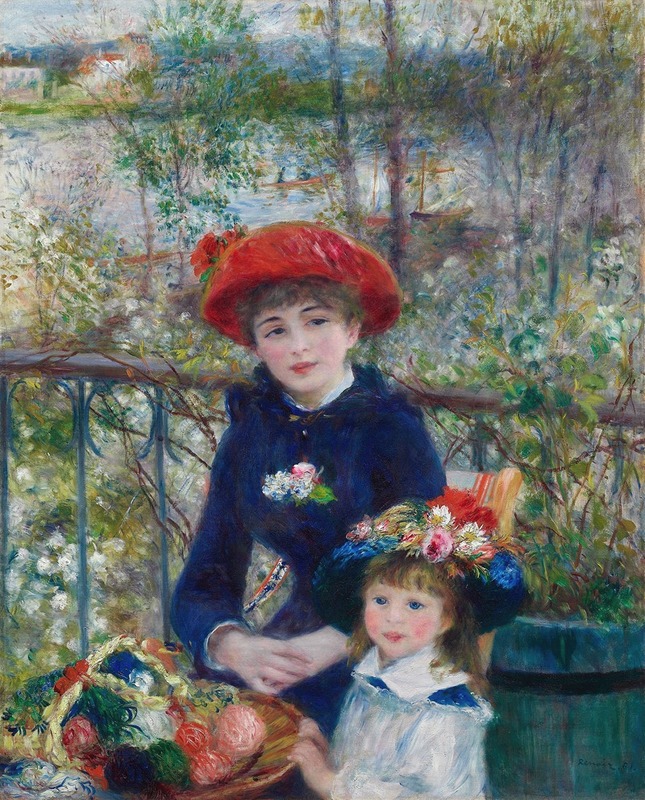
Two Sisters (On the Terrace)
Pierre-Auguste Renoir
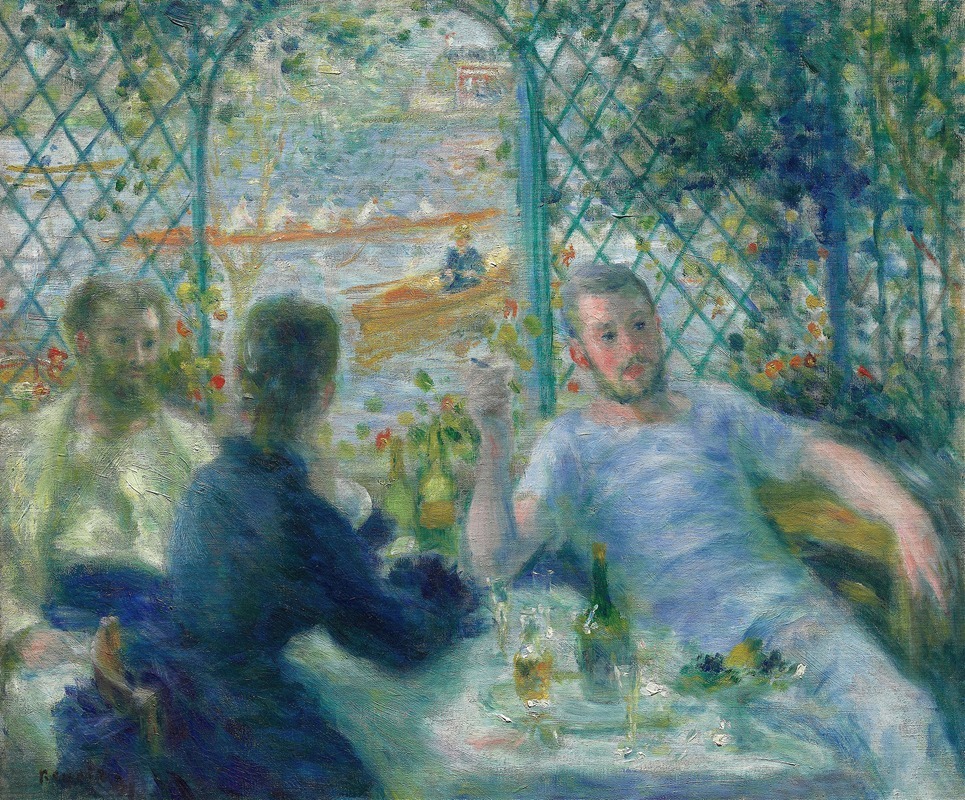
Lunch at the Restaurant Fournaise (The Rowers' Lunch)
Pierre-Auguste Renoir
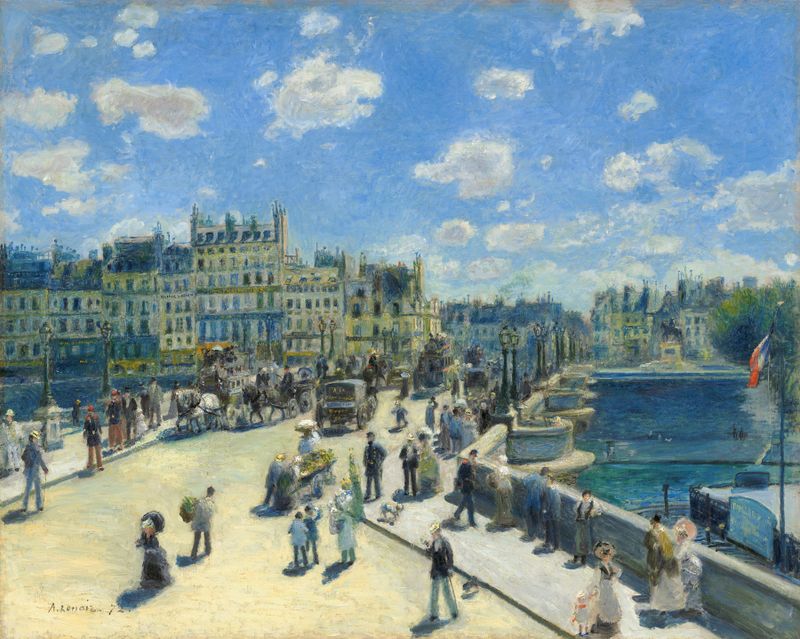
Pont Neuf, Paris
Pierre-Auguste Renoir
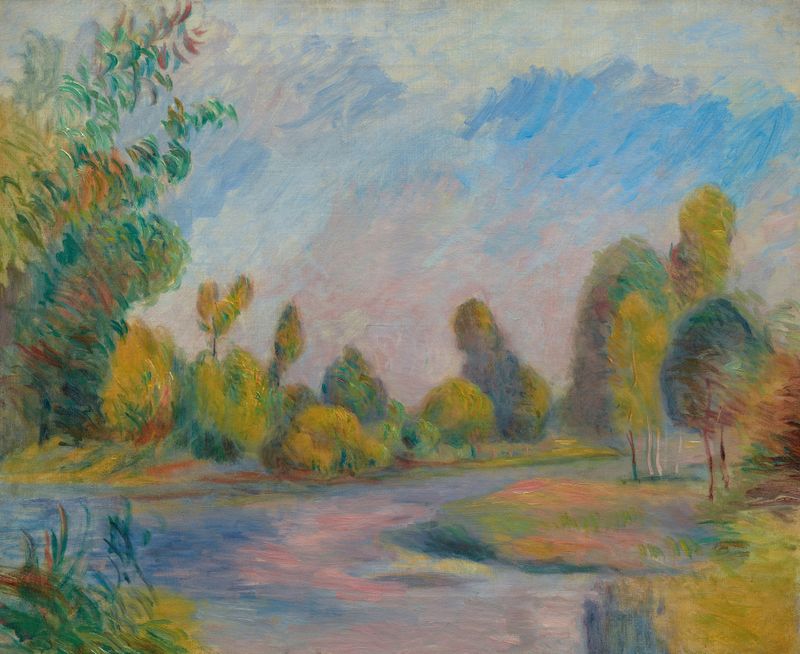
Au bord de la rivière
Pierre-Auguste Renoir

Near the Lake
Pierre-Auguste Renoir
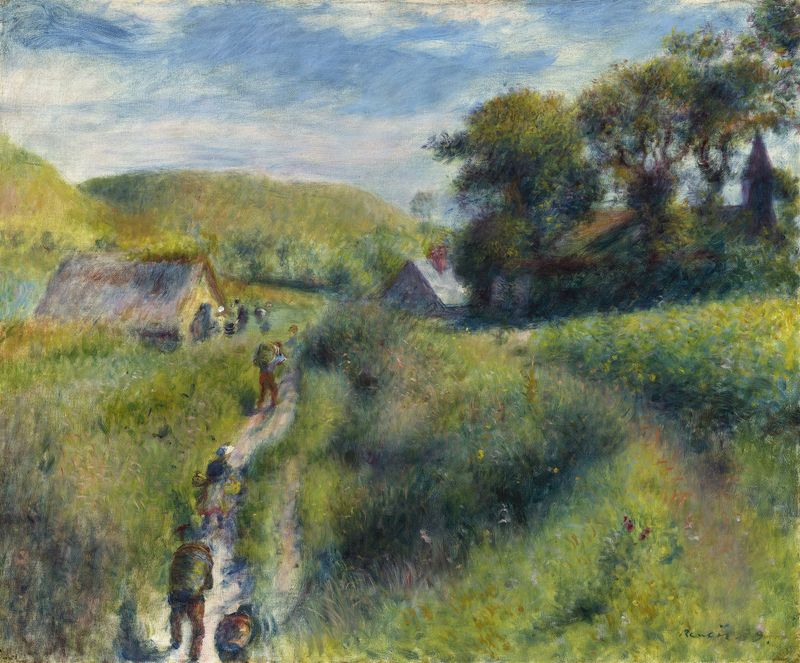
The Mussel Harvest
Pierre-Auguste Renoir

The Seine at Chatou
Pierre-Auguste Renoir
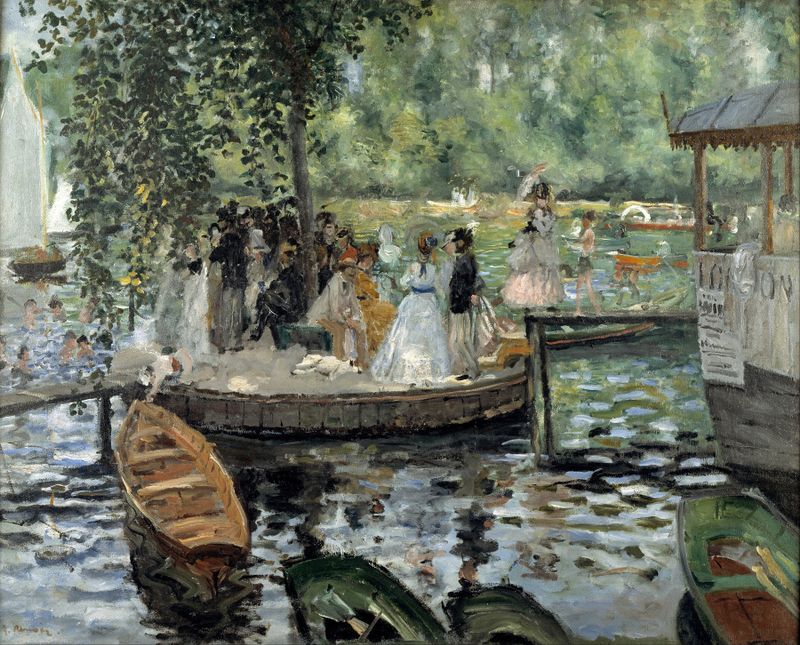
La Grenouillère
Pierre-Auguste Renoir
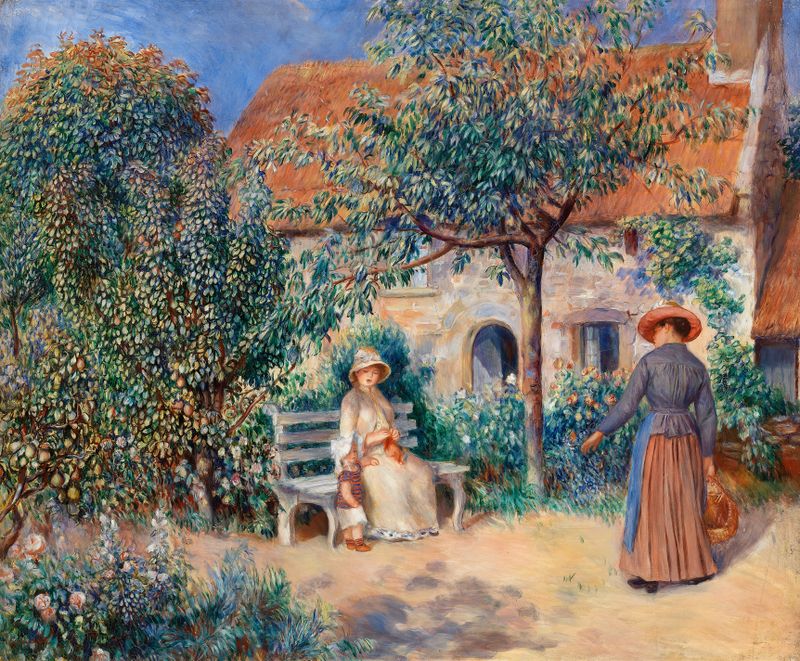
In Brittany (En Bretagne)
Pierre-Auguste Renoir
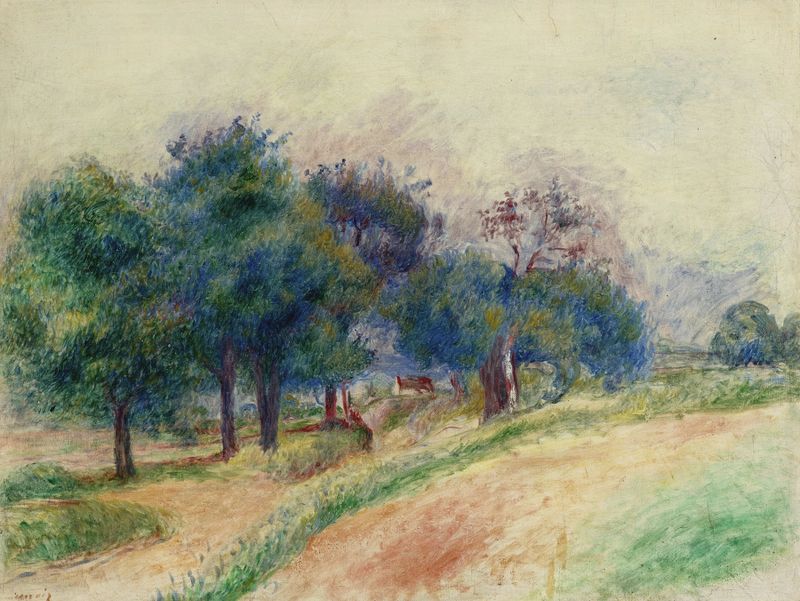
Paysage d’Essoyes
Pierre-Auguste Renoir





