
Bamboo River (Takekawa), Illustration to Chapter 44 of the Tale of Genji (Genji monogatari) — History & Facts
Can beauty exist without sorrow? In the delicate strokes of the Muromachi period, a profound emptiness echoes through the intricate imagery, hinting at the bittersweet essence of existence. Look to the left at the swaying bamboo, each slender stalk rendered with meticulous detail, capturing an ethereal elegance. Notice how the artist employs a subtle palette of greens and silvery grays, evoking a tranquil atmosphere that contrasts sharply with the tumultuous emotions at play. The flowing river, winding through the center, mirrors the passage of time, while the soft hues create a dreamlike quality, inviting the viewer to linger in contemplation. Upon closer examination, the emptiness between the bamboo speaks volumes, suggesting a sense of longing and solitude.
The gentle ripples of the water reflect not just the landscape but also the hidden sorrow of the characters within the Tale of Genji, weaving a narrative that transcends the visual. This juxtaposition of beauty and melancholy is a hallmark of the artist’s style, revealing the tension between the ephemeral and the eternal. Tosa Mitsunobu created this illustration around 1509-1510 during a transformative period in Japanese art, where traditional aesthetics began to intertwine with emerging influences from the West. He worked in Kyoto, a city thriving with cultural exchange, where the Tale of Genji was celebrated not only as a literary masterpiece but also as a muse for visual artists.
Mitsunobu’s attention to detail and ability to convey layered emotions reflect a deep engagement with both historical context and personal expression.
More Artworks by Tosa Mitsunobu
Browse all →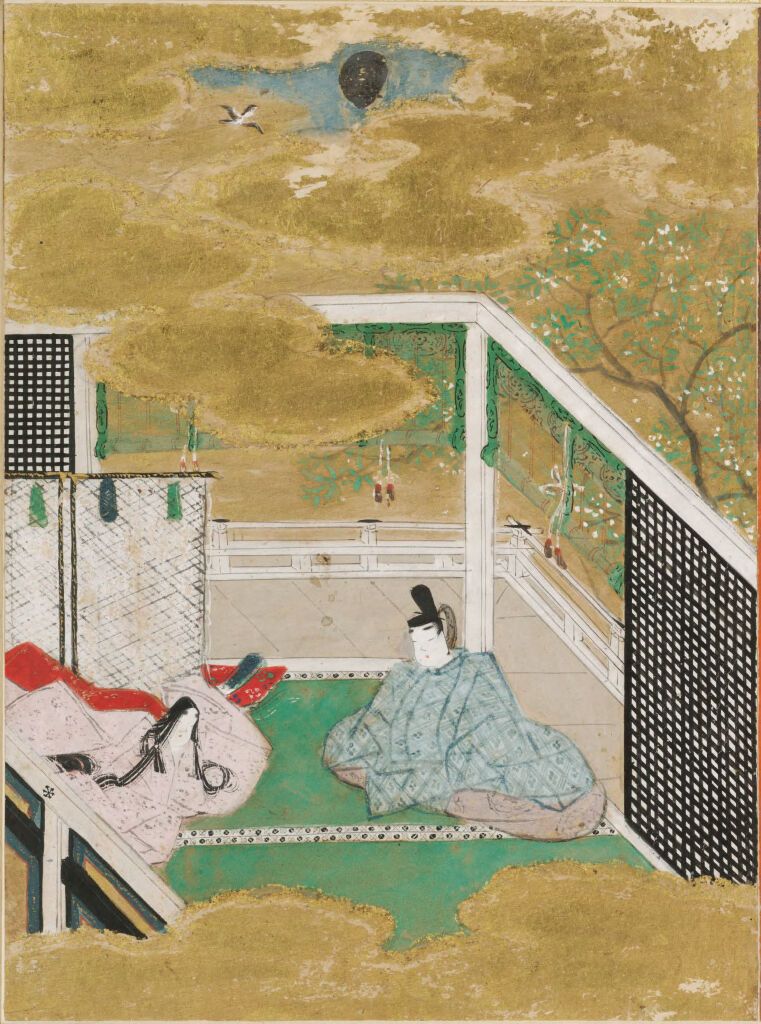
Falling Flowers (Hanachirusato), Illustration to Chapter 11 of the Tale of Genji (Genji monogatari)
Tosa Mitsunobu
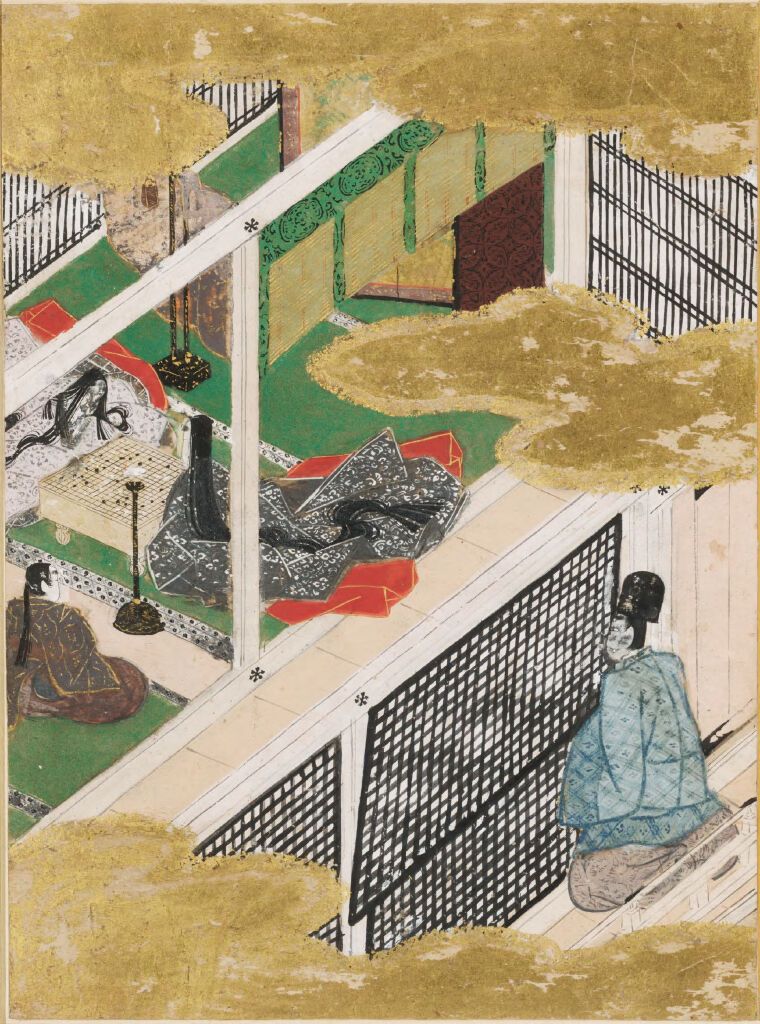
The Cicada Shell (Utsusemi), Illustration to Chapter 3 of the Tale of Genji (Genji monogatari)
Tosa Mitsunobu
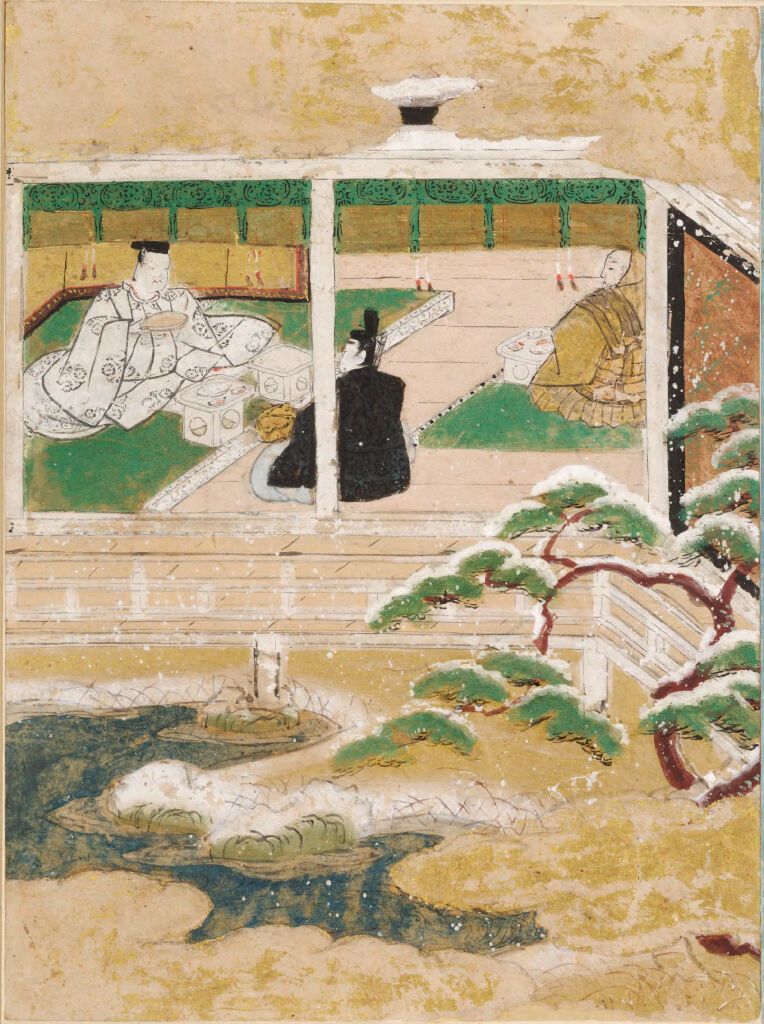
The Seer (Maboroshi), Illustration to Chapter 41 of the Tale of Genji (Genji monogatari)
Tosa Mitsunobu
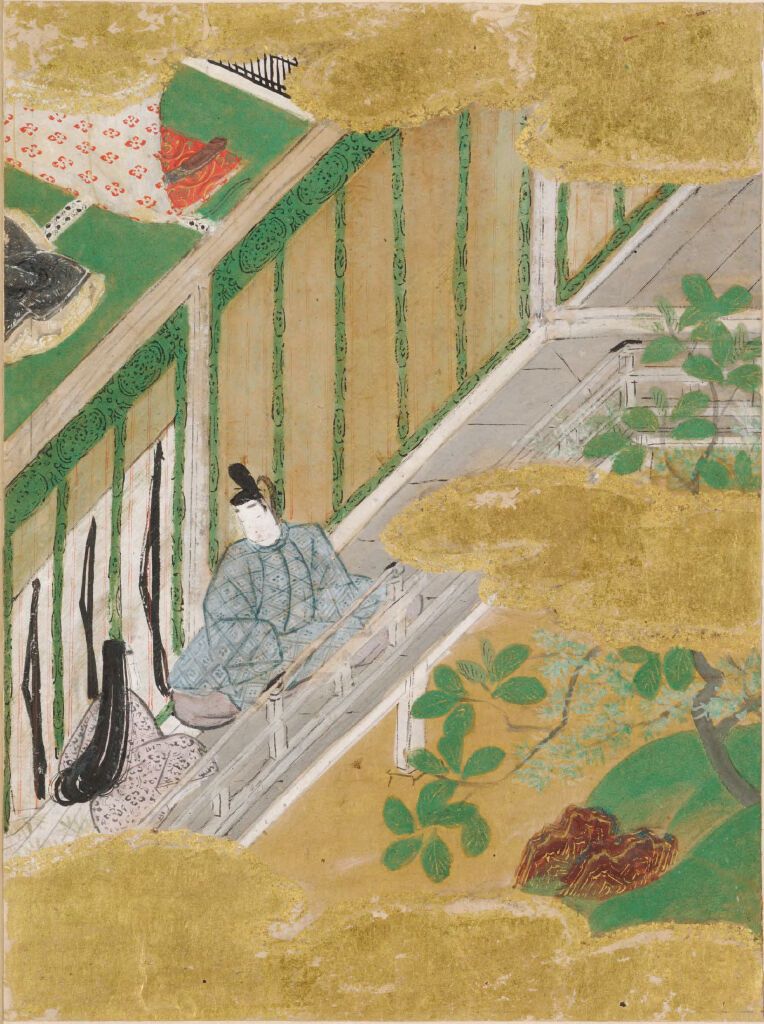
The Oak Tree (Kashiwagi), Illustration to Chapter 36 of the Tale of Genji (Genji monogatari)
Tosa Mitsunobu
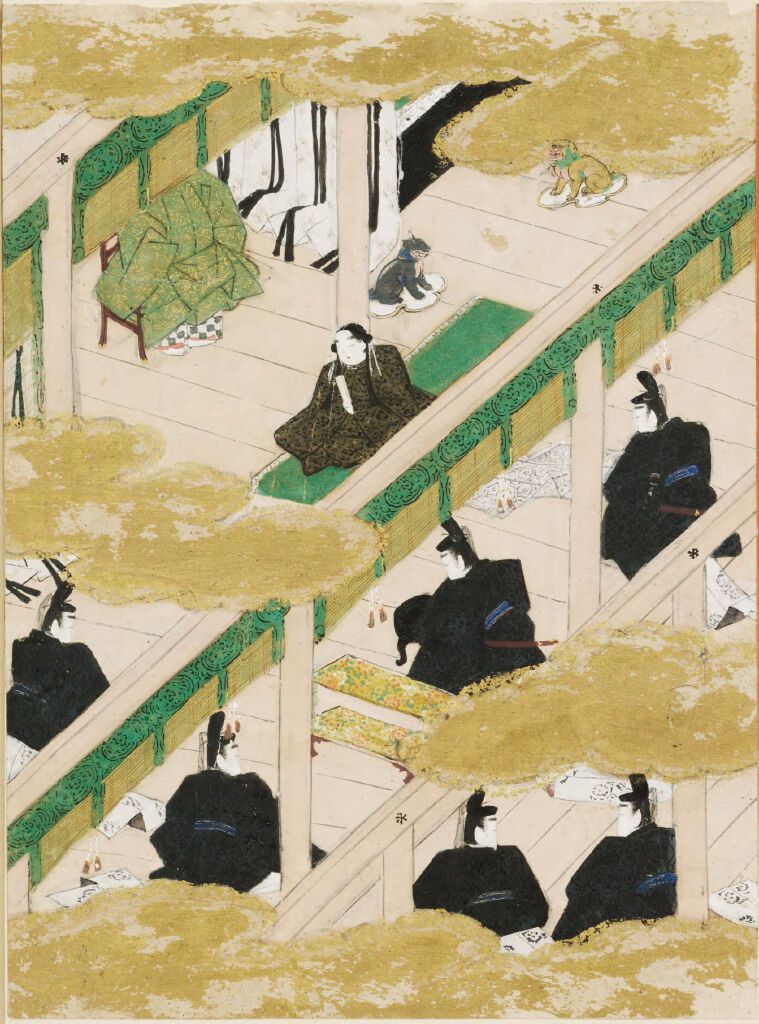
The Paulownia Pavilion (Kiritsubo), Illustration to Chapter 1 of the Tale of Genji (Genji monogatari)
Tosa Mitsunobu
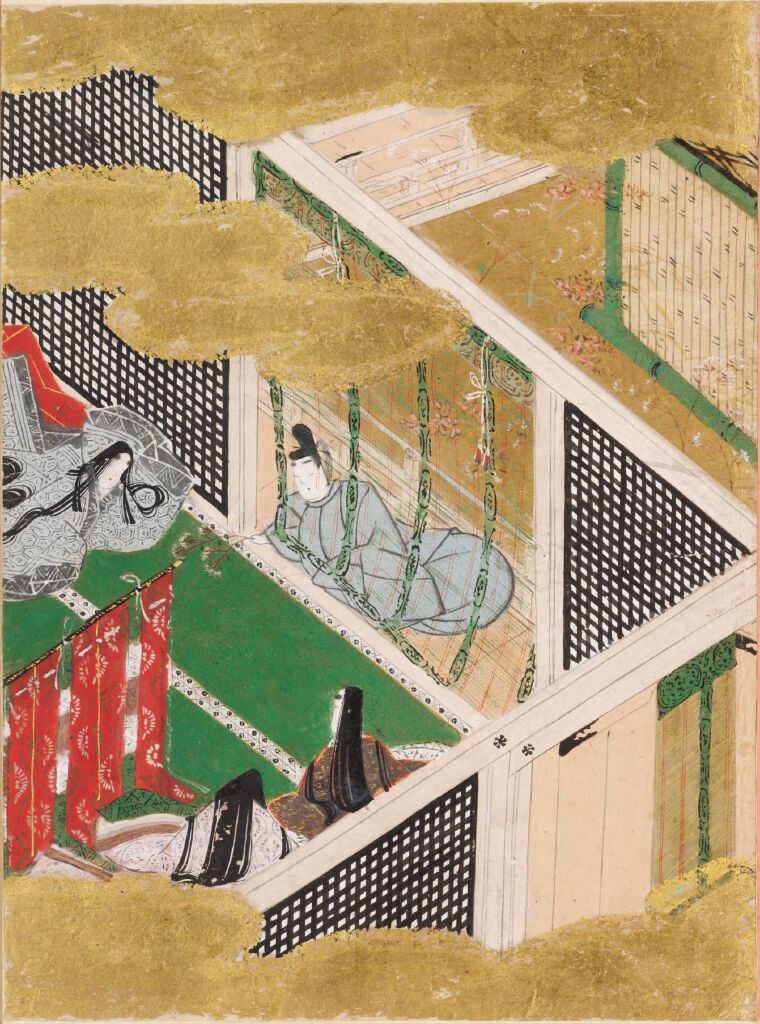
Thoroughwort Flowers (Fujibakama), Illustration to Chapter 30 of the Tale of Genji (Genji monogatari)
Tosa Mitsunobu

Under the Cherry Blossoms (Hana no En), Illustration to Chapter 8 of the Tale of Genji (Genji monogatari)
Tosa Mitsunobu

The Pilgrimage to Sumiyoshi (Miotsukushi), Illustration to Chapter 14 of the Tale of Genji (Genji monogatari)
Tosa Mitsunobu
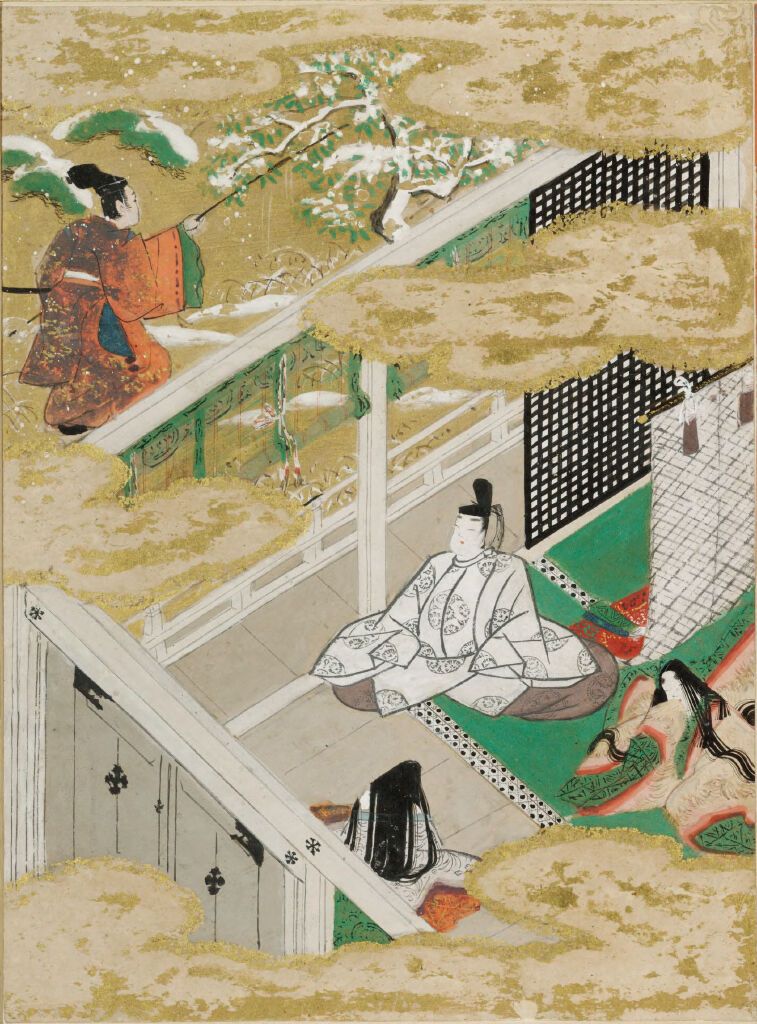
The Safflower (Suetsumuhana), Illustration to Chapter 6 of the Tale of Genji (Genji monogatari)
Tosa Mitsunobu
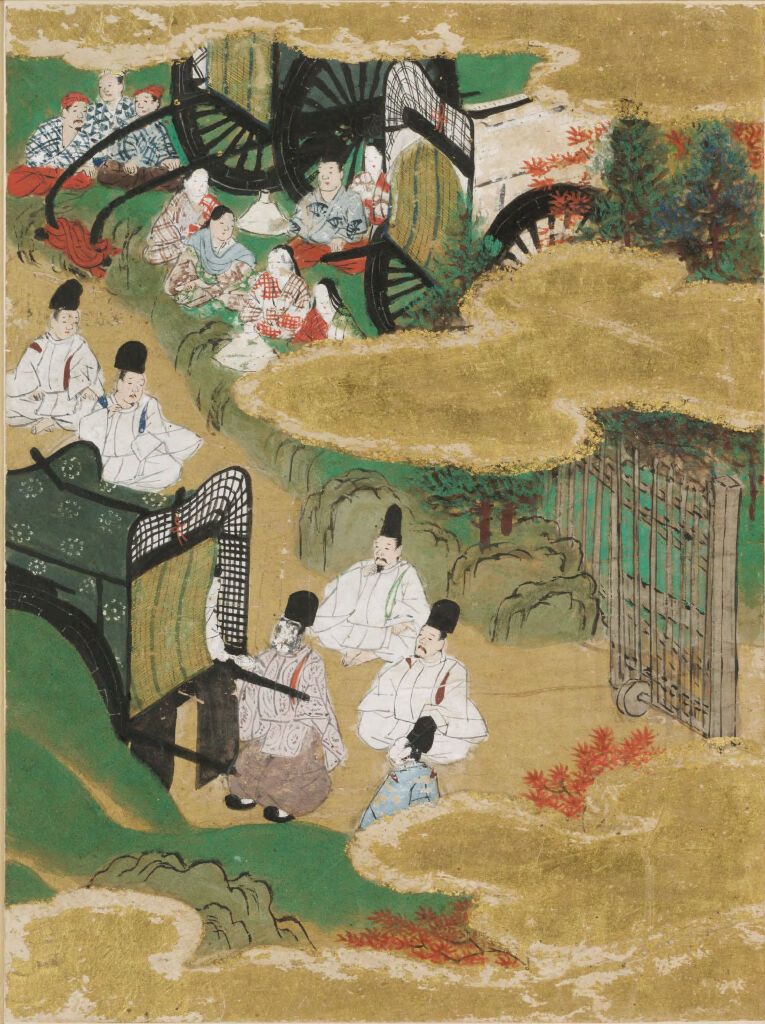
At the Pass (Sekiya), Illustration to Chapter 16 of the Tale of Genji (Genji monogatari)
Tosa Mitsunobu
More Illustration Art
Browse all →Falling Flowers (Hanachirusato), Illustration to Chapter 11 of the Tale of Genji (Genji monogatari)
Tosa Mitsunobu
The Cicada Shell (Utsusemi), Illustration to Chapter 3 of the Tale of Genji (Genji monogatari)
Tosa Mitsunobu
The Seer (Maboroshi), Illustration to Chapter 41 of the Tale of Genji (Genji monogatari)
Tosa Mitsunobu
The Oak Tree (Kashiwagi), Illustration to Chapter 36 of the Tale of Genji (Genji monogatari)
Tosa Mitsunobu
The Paulownia Pavilion (Kiritsubo), Illustration to Chapter 1 of the Tale of Genji (Genji monogatari)
Tosa Mitsunobu
Thoroughwort Flowers (Fujibakama), Illustration to Chapter 30 of the Tale of Genji (Genji monogatari)
Tosa Mitsunobu