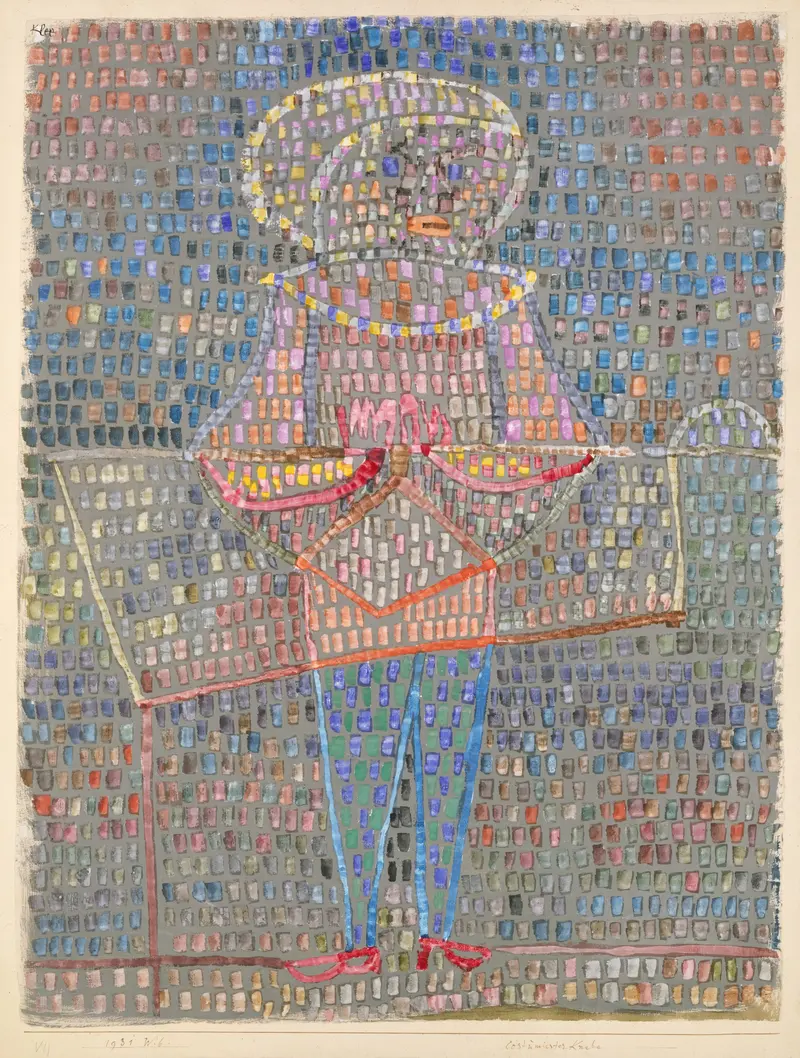
Barbarian Sacrifice — History & Facts
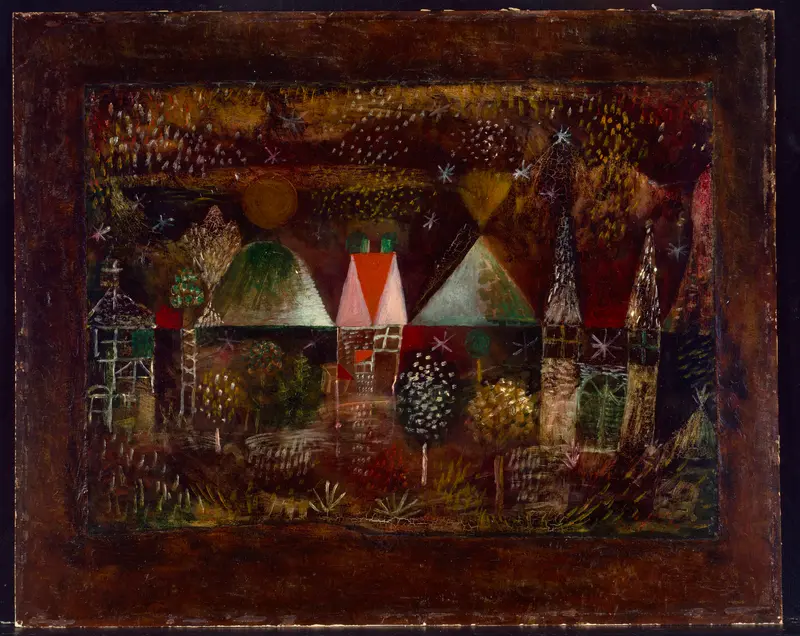
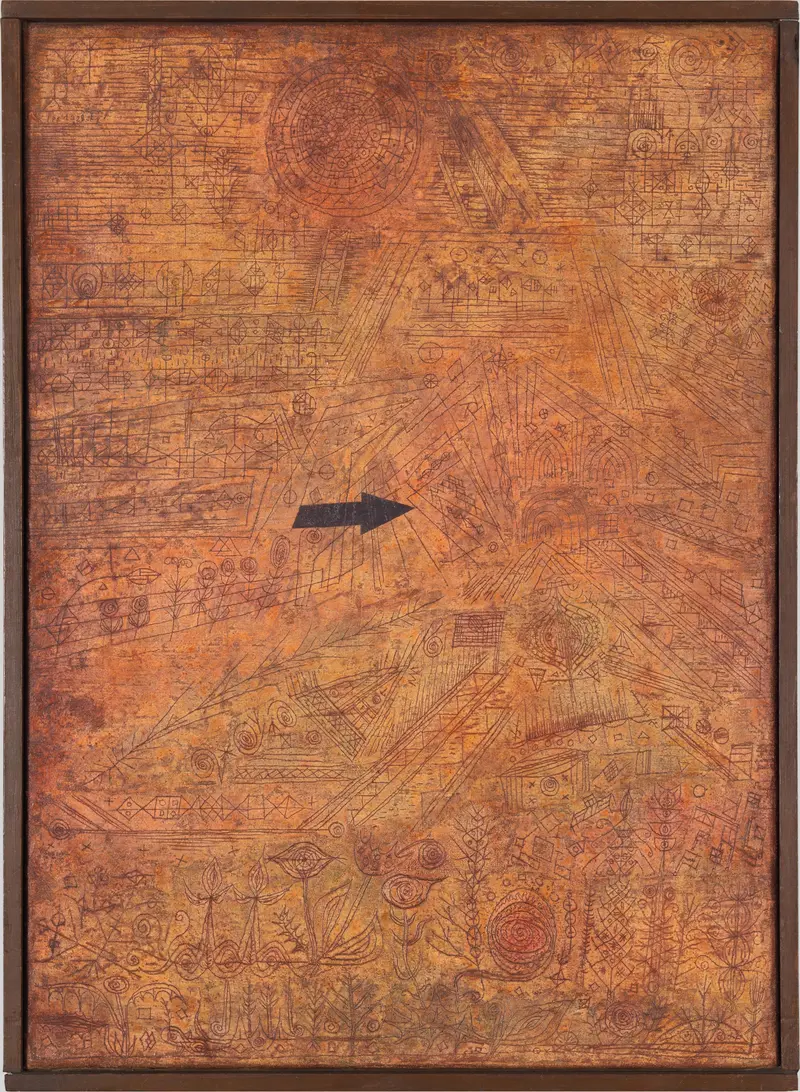
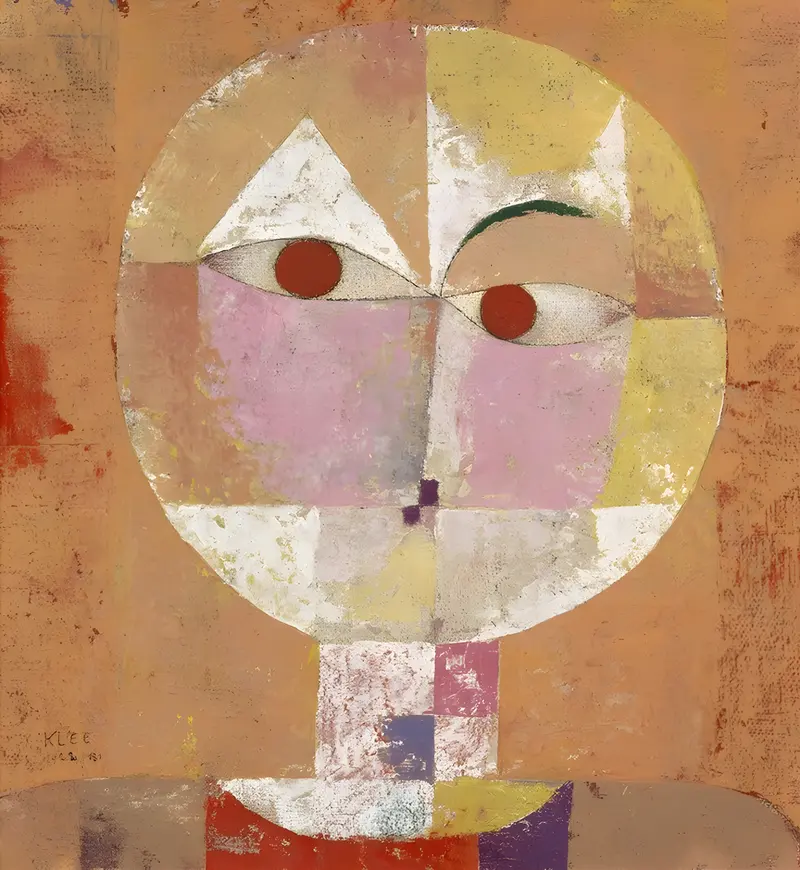
In Barbarian Sacrifice, Paul Klee uses a vibrant palette dominated by reds, yellows, and blues. The composition features abstract figures that suggest a ritualistic scene. These figures are intertwined with geometric shapes, creating a sense of movement and energy.
The background is a mix of colors that adds to the overall dynamic feel of the painting. The painting is executed in oil on canvas, showcasing Klee's unique style that blends abstraction with expressionism. Viewers can observe the intricate layering of colors and forms, which is characteristic of Klee's technique. The dimensions are approximately 80 x 100 cm, making it a sizable work that draws attention.
The use of color and form invites viewers to explore the deeper meanings behind the imagery. Paul Klee was a key figure in the development of modern art, known for his playful use of color and form. Barbarian Sacrifice reflects his interest in cultural themes and the exploration of human rituals. An interesting fact about this work is that it was created during a time when Klee was influenced by his travels and experiences in North Africa.
This influence is evident in the vibrant colors and abstract forms that characterize the piece.