
Barbican in Kraków — History & Facts
What if silence could speak through light? In Barbican in Kraków, an architectural masterpiece emerges from the shadows, inviting contemplation on the passage of time and our own mortality. Look to the center of the canvas where the formidable Barbican stands, its imposing stone walls bathed in a soft yet poignant glow. Notice the interplay of light and shadow; streaks of sunlight break through the clouds, illuminating the fortress while the encroaching shadows hint at the inevitable decay of all things. The palette is rich yet subdued — earthy tones of ochre and gray meld into one another, creating a reverent atmosphere that envelops the viewer. Among the subtle details, observe the delicate brushwork that captures not just the structure but also the atmosphere of a fleeting moment.
The wispy clouds above evoke a sense of transience, mirroring the fragility of existence itself. The stark contrast between the solid, unyielding stone and the ethereal quality of the sky suggests a dialogue between permanence and impermanence, prompting reflections on what endures and what fades away. In 1903, Jan Stanisławski painted this work during a time of burgeoning national consciousness in Poland. As an influential figure in the Young Poland movement, he sought to convey the spirit of his homeland through evocative landscapes and architectural subjects.
The Barbican, with its historical weight, became not only a subject of interest but also a canvas for exploring deeper themes of identity and continuity amid the challenges of modernity.
More Artworks by Jan Stanisławski
Browse all →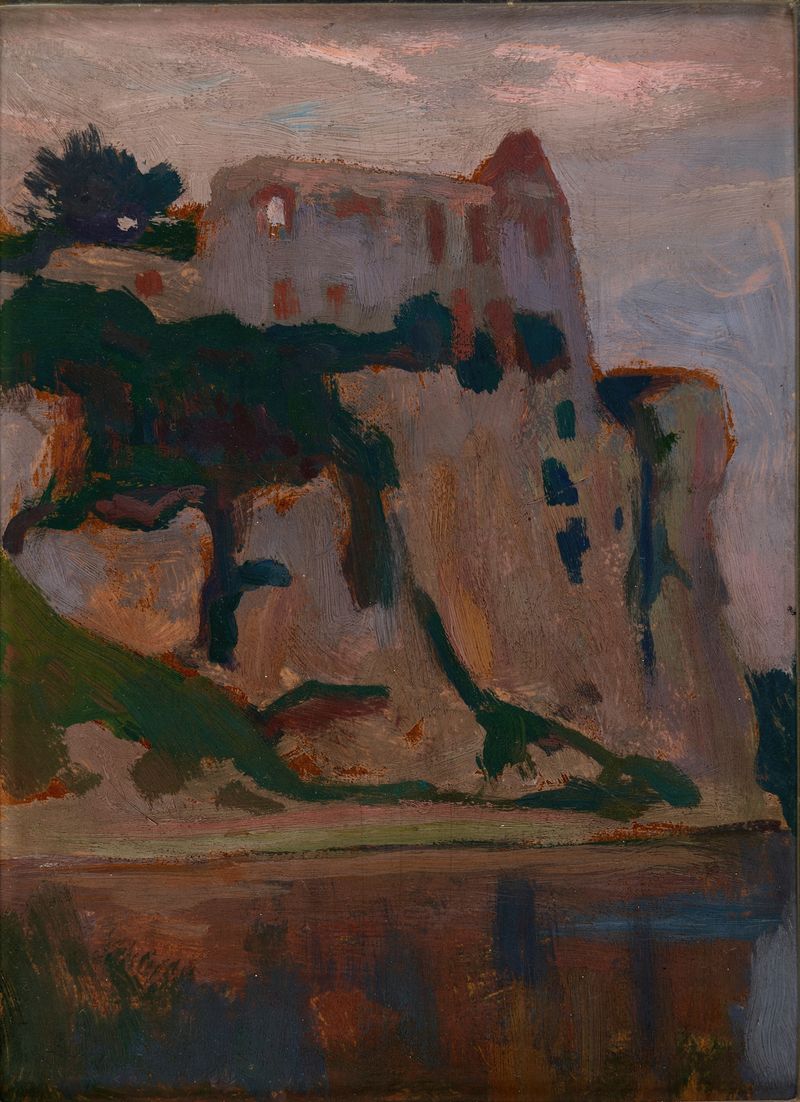
Tyniec at Dawn
Jan Stanisławski
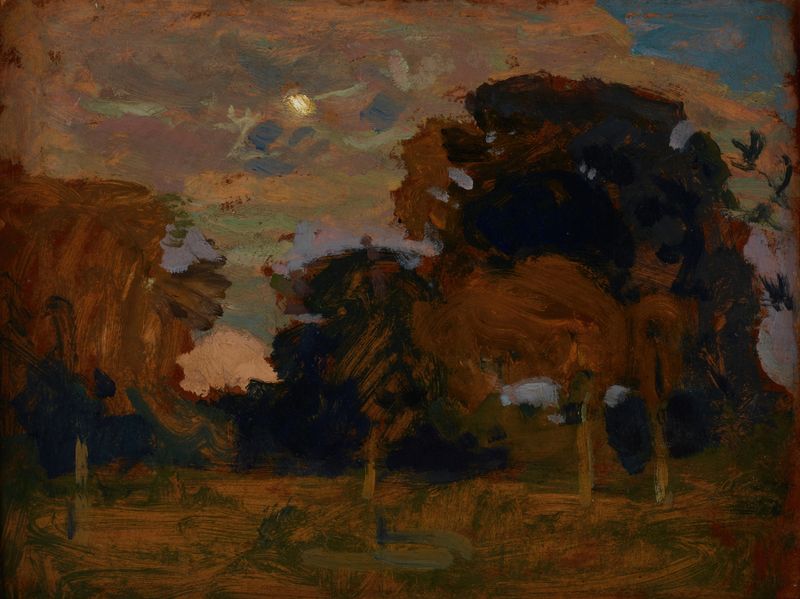
Moon in the Clouds
Jan Stanisławski
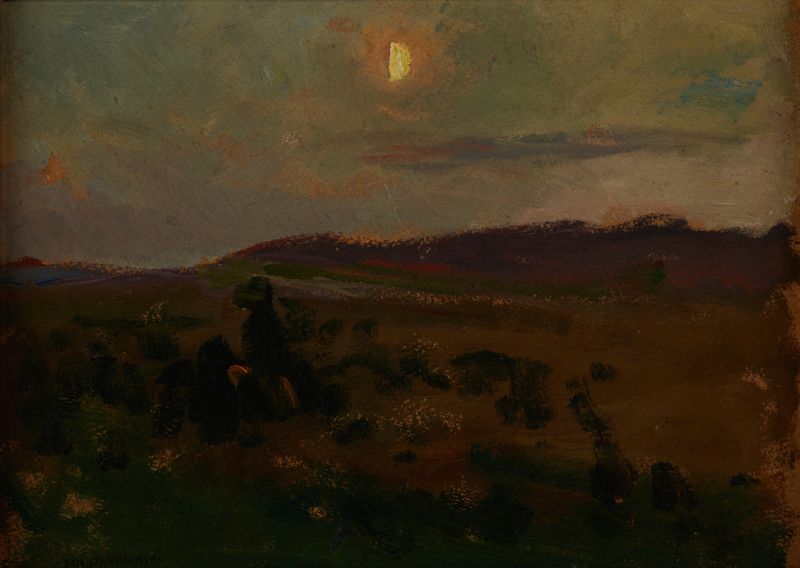
Moonrise
Jan Stanisławski
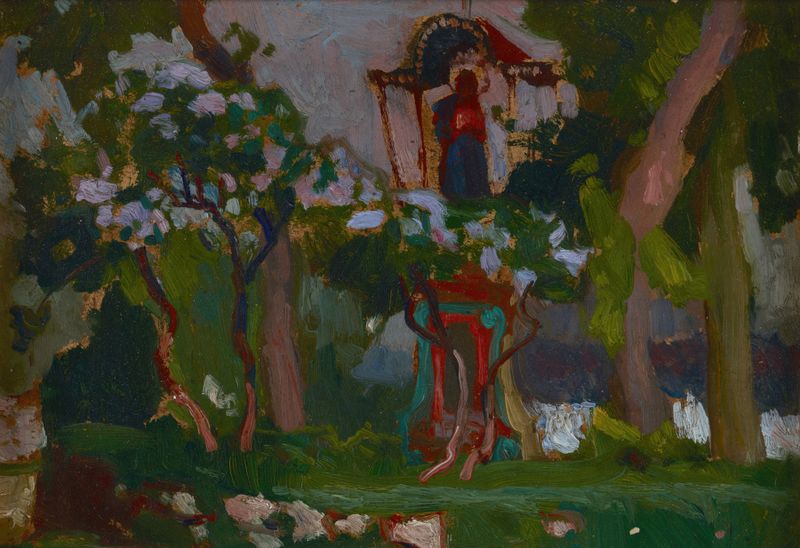
May
Jan Stanisławski
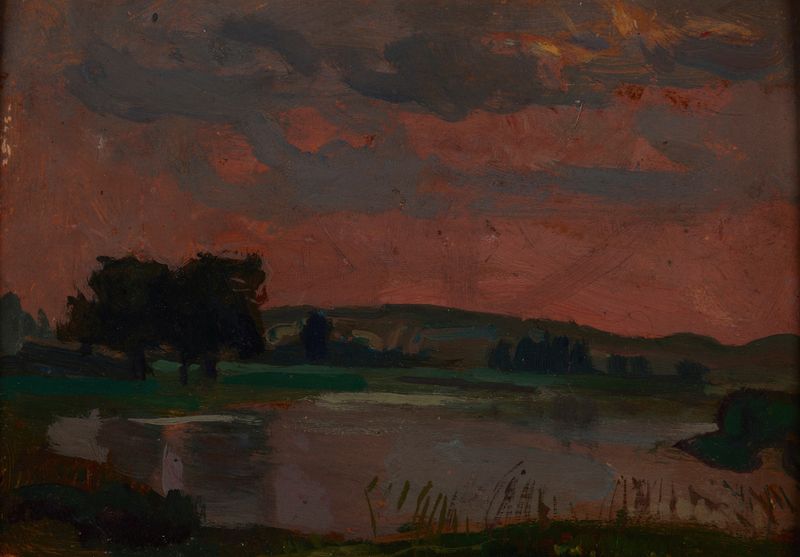
The Vistula in the Twilight
Jan Stanisławski
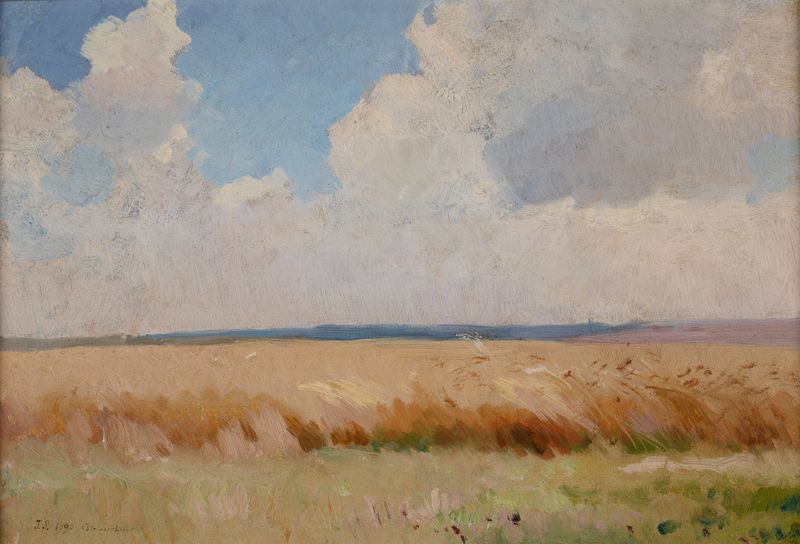
Field at Białocerkiew (Bila Tserkva)
Jan Stanisławski
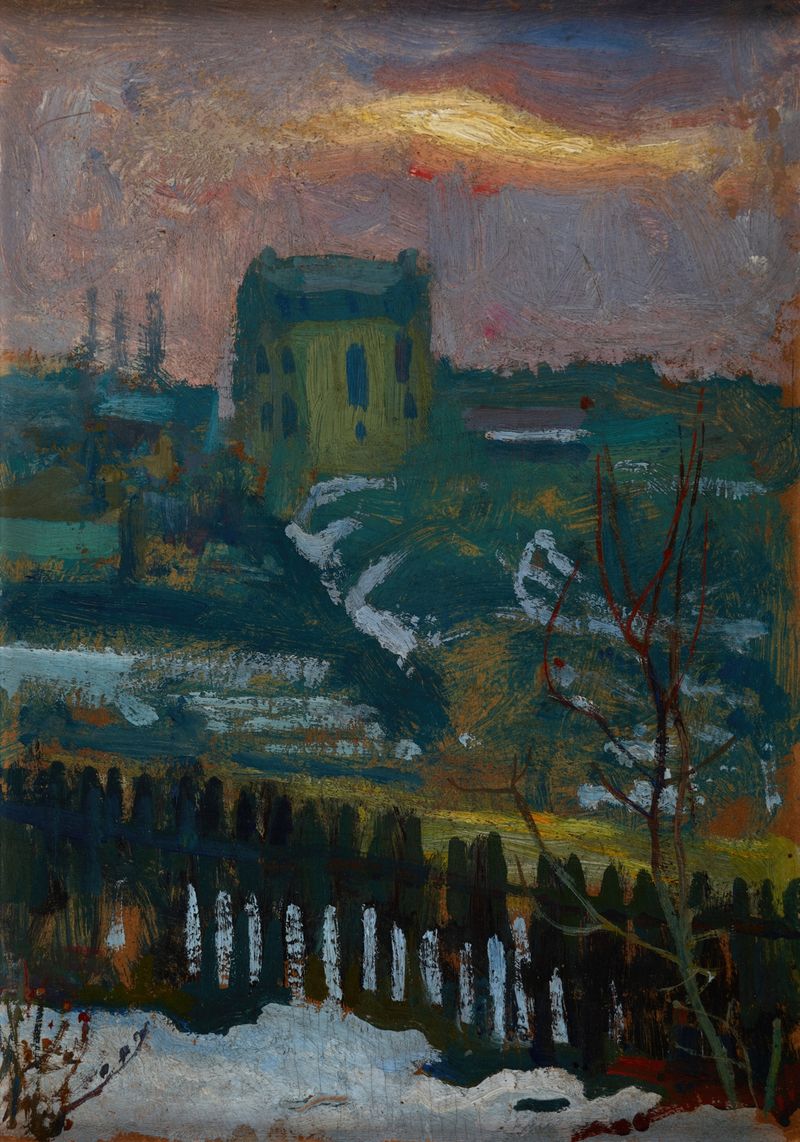
House in Winter
Jan Stanisławski
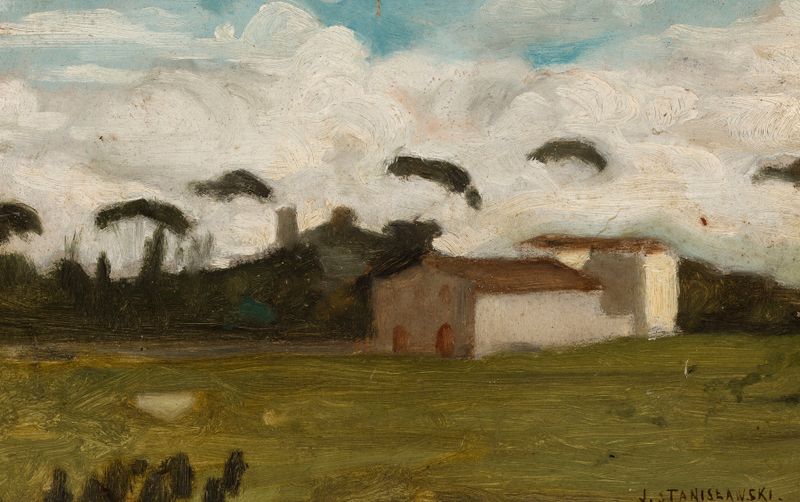
Landscape
Jan Stanisławski
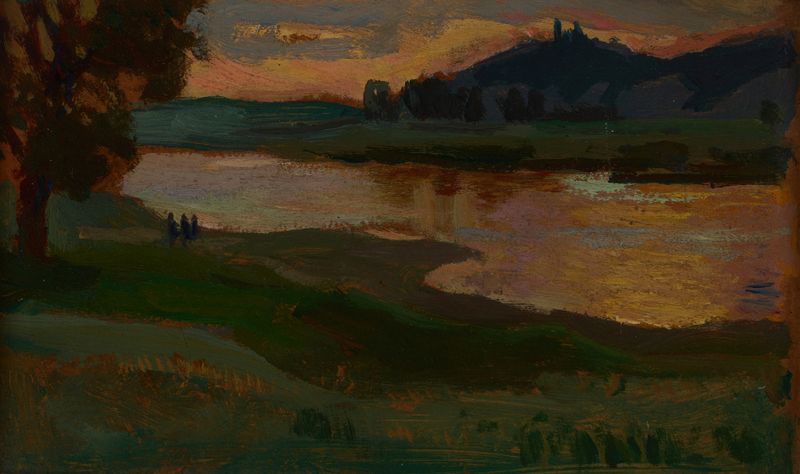
Bielany at Dusk
Jan Stanisławski
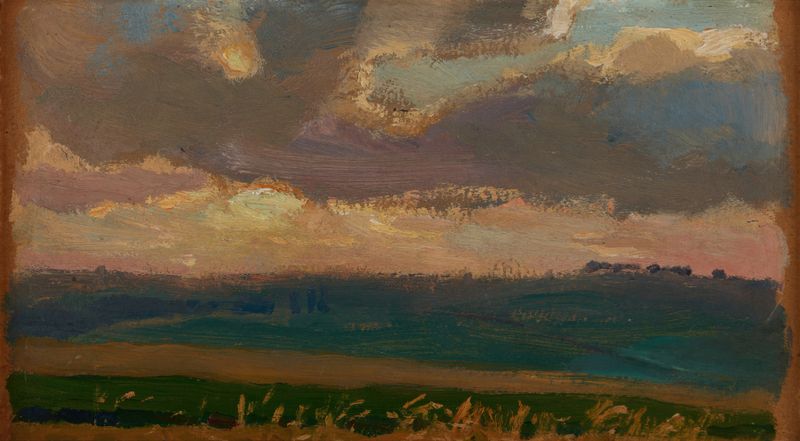
Fields at Proszowice
Jan Stanisławski
More Architecture Art
Browse all →
The statue of Liberty
Frédéric Auguste Bartholdi

View of Houses in Delft, Known as ‘The Little Street’
Johannes Vermeer

View of Houses in Delft, Known as ‘The Little Street’
Johannes Vermeer

The Cathedral in Rouen. The portal, Grey Weather
Claude Monet

The yellow house
Vincent van Gogh

The Church in Auvers-sur-Oise, View from the Chevet
Vincent van Gogh