Barn — History & Facts
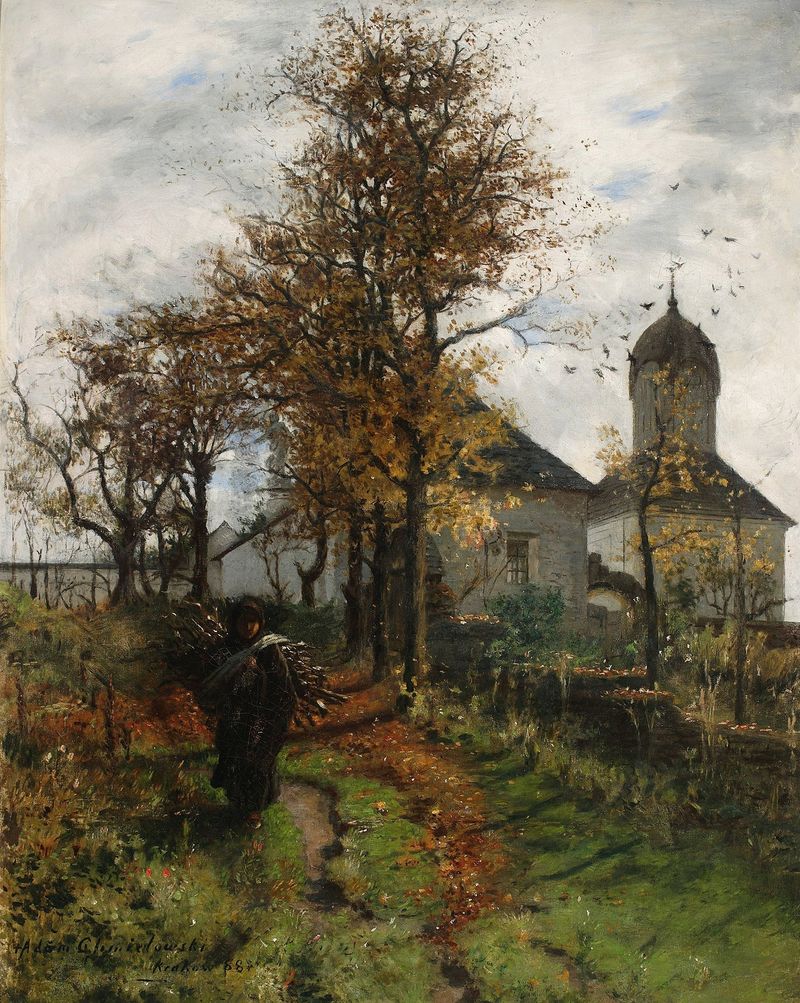
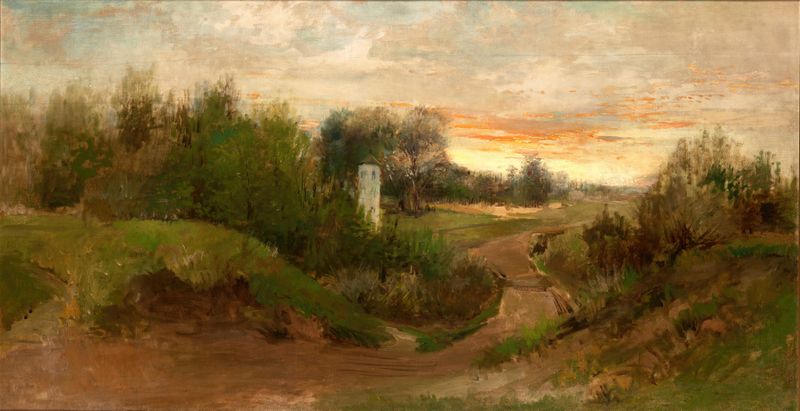
What secret hides in the quiet of the canvas? Beneath the stillness of the barn lies a world of destiny waiting to unfold. Look to the center of the painting where a weathered barn stands resilient against the backdrop of a dusky sky. The earthy tones of ochre and brown envelop the structure, conjuring a sense of warmth and familiarity. Notice how the light spills gently across the wooden beams, casting soft shadows that accentuate the barn's timeworn texture.
This interplay of light and shadow invites the viewer to linger, drawing the eye into the heart of rural life. Delve deeper into the emotional contrasts present here. The barn, a symbol of labor and sustenance, carries an air of nostalgia, yet there’s an unspoken tension in its solitude. The absence of human figures speaks volumes, hinting at a past filled with toil and hope, while suggesting an uncertain future.
It evokes the duality of existence: the joy of creation balanced against the inevitability of change and decay, a silent testament to the passage of time. In 1882, Adam Chmielowski painted this piece during a period when he was deeply influenced by his experiences in Poland. Having transitioned from a life of privilege to one dedicated to art and helping the poor, he sought to reflect the struggles and beauty of everyday life. This work emerged amidst a burgeoning movement in Poland, where artists were beginning to explore national identity and the human condition, making it a pivotal moment in his artistic journey.