Deserted Presbytery — History & Facts
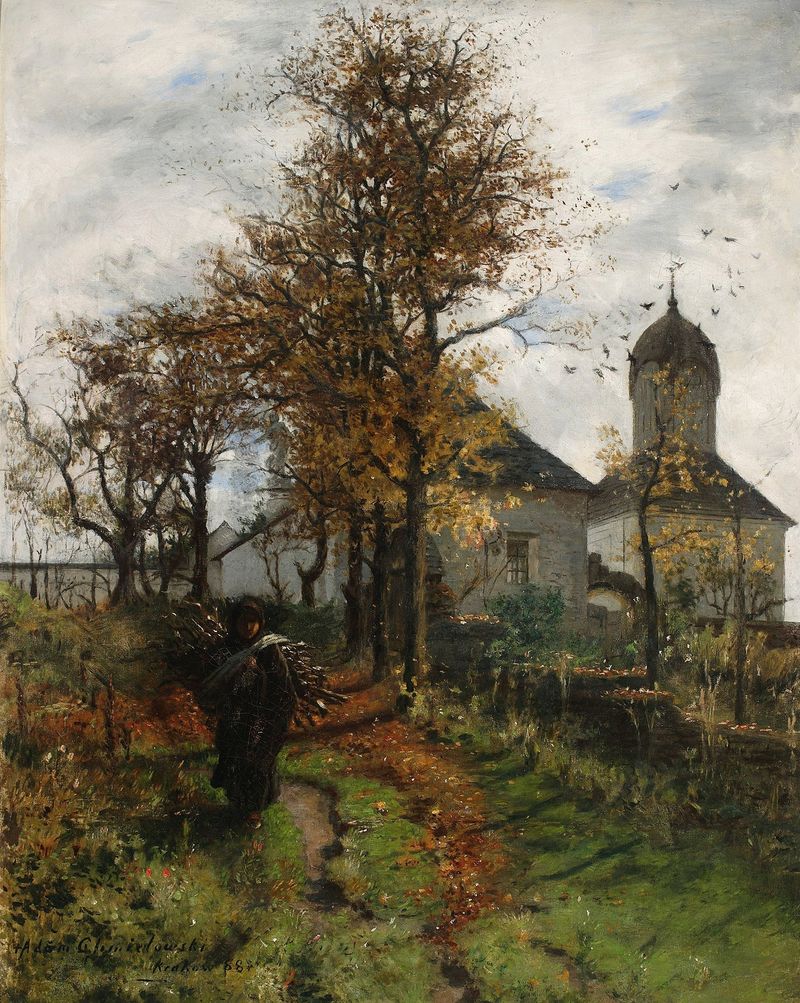
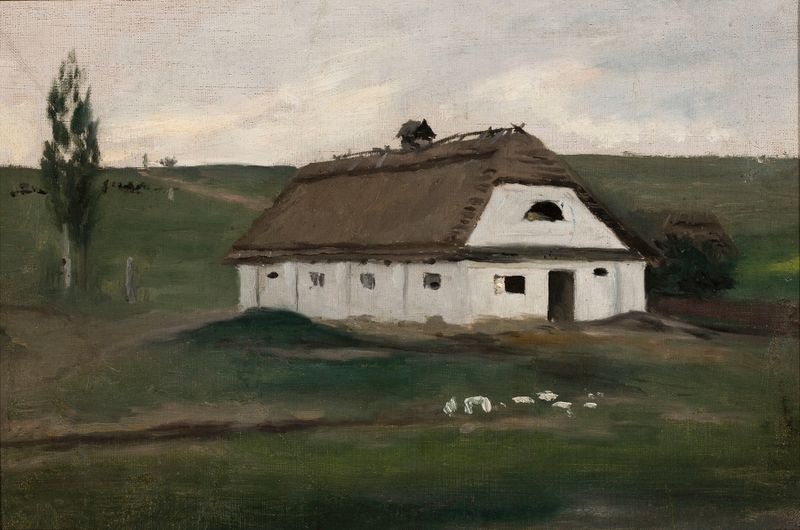
Is this a mirror — or a memory? Deserted Presbytery invites us to peer into a space where the past lingers like a haunting echo, layering time with the weight of history and solitude. Look closely at the fading walls, their peeling paint whispering stories of lives once lived. Focus on the soft interplay of light filtering through the dusty windows, casting shadows that dance on the cracked floorboards. Notice how the muted palette—of browns and grays—carries both a sense of melancholy and an almost ghostly beauty, emphasizing the absence of human presence while still suggesting that something sacred remains. The painting contrasts stillness with the promise of transcendence.
The emptiness of the room speaks to loss and abandonment, yet the gentle illumination invites contemplation and reflection. Small details, such as the worn-out furniture or the remnants of religious artifacts, deepen the emotional resonance, hinting at a history filled with devotion and the passage of time. It is a space of memory, evoking the spirit of those who once sought solace within its walls. In 1888, Adam Chmielowski was at a pivotal point in his life, having transitioned from a promising career in the arts to dedicating himself to religious life and service.
Painted during this transformative period in Poland, Deserted Presbytery embodies the artist's exploration of spirituality, reflecting the turmoil of his homeland while simultaneously representing a personal quest for meaning amidst the chaos of the contemporary world.