Abandoned parsonage — History & Facts
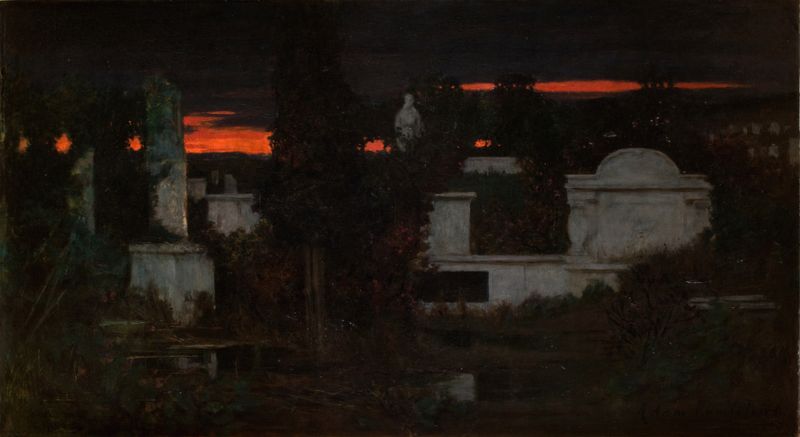
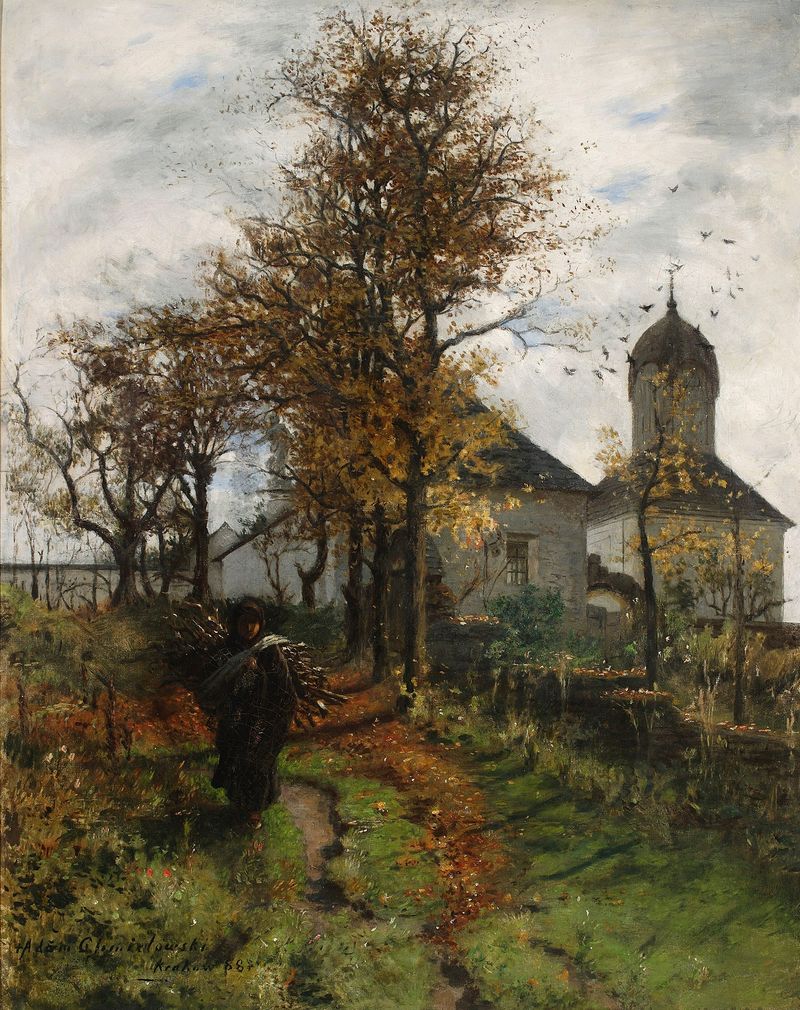
Where does light end, and longing begin? In the haunting stillness of an abandoned parsonage, a sense of fragility permeates the air, captured forever in the delicate brushstrokes of a bygone moment. Look to the left at the sun-drenched window, its panes somehow both fragile and resilient, beckoning the viewer into the emptiness within. Notice how the warm golden light spills across the dusty floorboards, illuminating forgotten corners and casting shadows that seem to whisper secrets of lives once lived there. The muted palette, with its soft browns and melancholic grays, furthers this sense of desolation, while hints of verdant green from the overgrown garden remind us of life persisting amidst decay. The delicate interplay between light and shadow reveals the emotional landscape of abandonment and nostalgia.
Each brushstroke carries an echo of the past, where warmth once thrived but now hints at loss. The interplay of interior and exterior blurs the line between safety and isolation, compelling the viewer to reflect on their own experiences of vulnerability and longing as they gaze at the empty chairs and unmade beds. In 1888, Adam Chmielowski painted this work during a period of deep personal introspection while living in Poland. Struggling with his identity as an artist and grappling with the spiritual and societal upheavals of his time, he sought to convey a sense of longing and loss through his art.
This painting emerged amid the burgeoning Symbolist movement, where deeper emotional currents began to shape the narrative of art, influencing Chmielowski’s exploration of themes that continue to resonate today.