Gray Hour — History & Facts
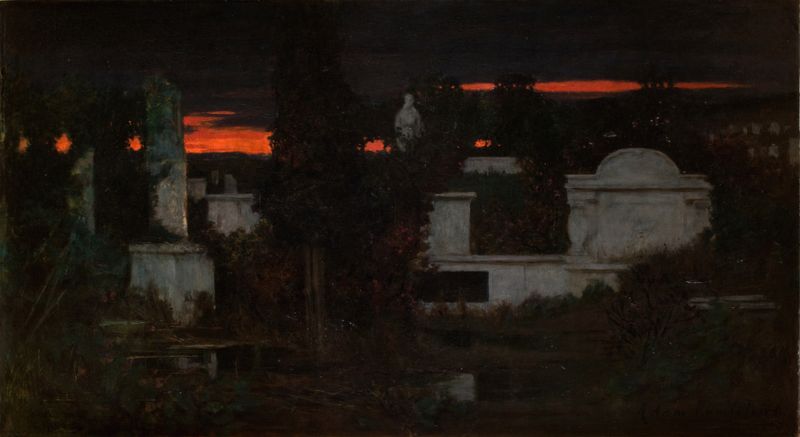
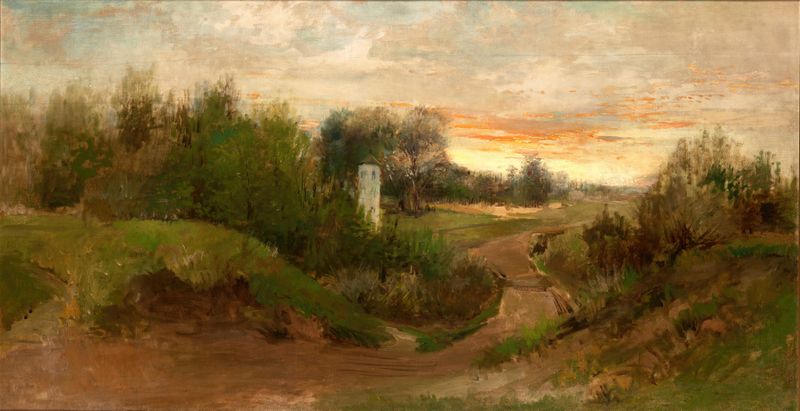
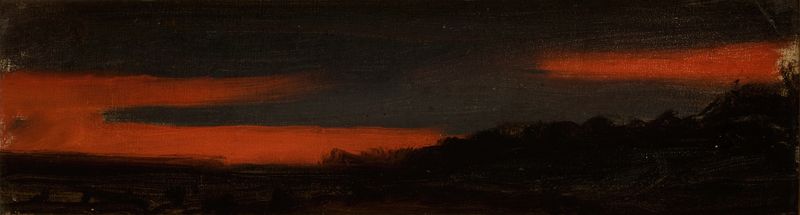
In Gray Hour, a transformation unfolds, encapsulating the delicate interplay between faith and despair. The act of seeking transcendence breathes life into the canvas, urging the viewer to explore the depths of human experience. Look to the center, where a solitary figure stands amidst the swirling hues of gray. Soft, muted tones evoke a sense of melancholy, yet the figure, draped in a flowing robe, emanates serenity.
Notice how light breaks through the surrounding shadows, illuminating the face with an ethereal glow. This contrast of light and dark serves not only as a visual guide but also as a metaphor for the struggle between doubt and belief, inviting the viewer to contemplate their own spiritual journey. Beneath the surface, the brushwork reveals hidden layers of meaning, echoing the internal conflicts we all face. Each stroke conveys emotion, hinting at a narrative of surrender and hope.
The juxtaposition of the figure’s stillness against the turbulent background suggests a profound resilience, a testament to the human spirit’s quest for solace amid chaos. This visual dialogue between despair and faith resonates deeply, inviting introspection and reflection. In 1880, Adam Chmielowski painted Gray Hour while grappling with personal turmoil and artistic evolution. Having recently embraced a life devoted to faith and service, he was also navigating the complexities of a shifting art world, where traditional forms were increasingly challenged by new ideas.
It was a period marked by both personal and societal upheaval, further enriching the emotional depth of his work.