Zawale — History & Facts
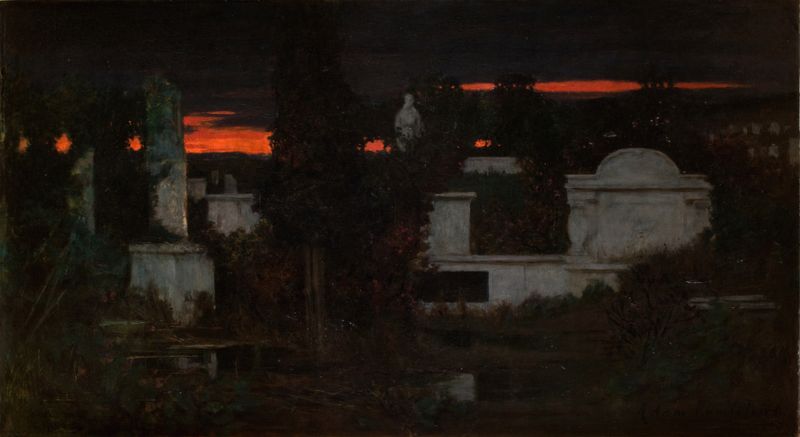
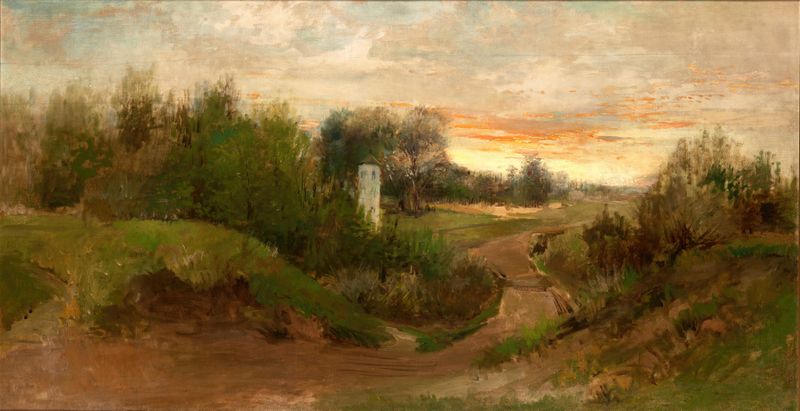
In Zawale, the contrast between the exquisite and the haunting resonates deeply, leaving echoes of complexity on the canvas. This work invites us to ponder the legacies we build and the burdens we carry in silence. Look closely at the sweeping strokes that create the serene landscape, capturing a moment where nature seems to embrace the viewer. Focus on the gentle undulation of the hills, painted in soft greens and muted browns, while a golden light pierces through the clouds, illuminating patches of the scene.
Notice how the delicate interplay of light and shadow evokes a sense of both tranquility and foreboding, suggesting the duality of existence. The emotional tensions in this piece lie in its serene yet desolate beauty. The vibrant sky hints at a fleeting moment of joy, contrasting with the somber tones of the earth below. The quietude of the landscape speaks to isolation, urging the viewer to reflect on the intangible weight of legacy—how memories can be as golden as they are burdensome.
Each brushstroke seems to whisper stories of those who tread upon this land, their joys and sorrows woven into the fabric of nature itself. In 1883, Adam Chmielowski, also known as Brother Albert, was navigating both personal and artistic turmoil. Living in Poland, he faced the challenges of his own faith and purpose, while the art world was shifting toward new movements. His transition from painter to a life devoted to helping the poor marks a pivotal moment in his journey, ultimately shaping the essence of his legacy captured within this profound artwork.