
Barnard’s Inn — History & Facts
This sentiment lingers in the air as you contemplate the quiet elegance captured in a single frame. The yearning for something lost, yet profoundly cherished, echoes through the intricate details of the work. Look to the left at the delicate interplay of light and shadow bathing the façade of Barnard's Inn. Notice how the warm golden tones wrap around the building, illuminating the weathered bricks with a gentle glow that speaks of history and resilience.
The finely-painted windows reflect the sky, hinting at both serenity and solitude, while the rich textures draw you deeper into the scene, inviting contemplation of time’s passage. Yet, amidst this architectural beauty lies an unsettling contrast. The starkness of the stone juxtaposes the vibrant flora that encircles the inn, suggesting a tension between permanence and the ephemeral nature of life. Each detail—from the curling vines that cling desperately to the structure, to the distant shadows that creep across the cobblestones—reveals an underlying narrative of longing and nostalgia, as if the inn itself yearns for stories untold. In 1800, Samuel Ireland created Barnard’s Inn during a time of artistic transition in England.
The Romantic movement was beginning to flourish, emphasizing emotion and the sublime in nature, while Ireland was seeking to establish his own identity within this changing landscape. Influenced by the picturesque, he painted this scene not only as a representation of the past but as a meditation on the enduring beauty that both honors and conceals the pain of lost moments.
More Artworks by Samuel Ireland
Browse all →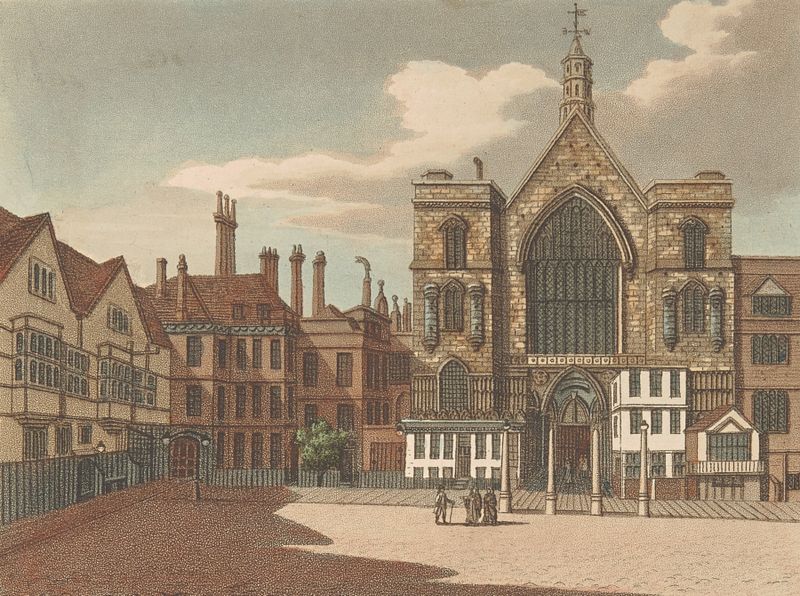
Westminster Hall
Samuel Ireland

Southwest View of Middle Temple
Samuel Ireland
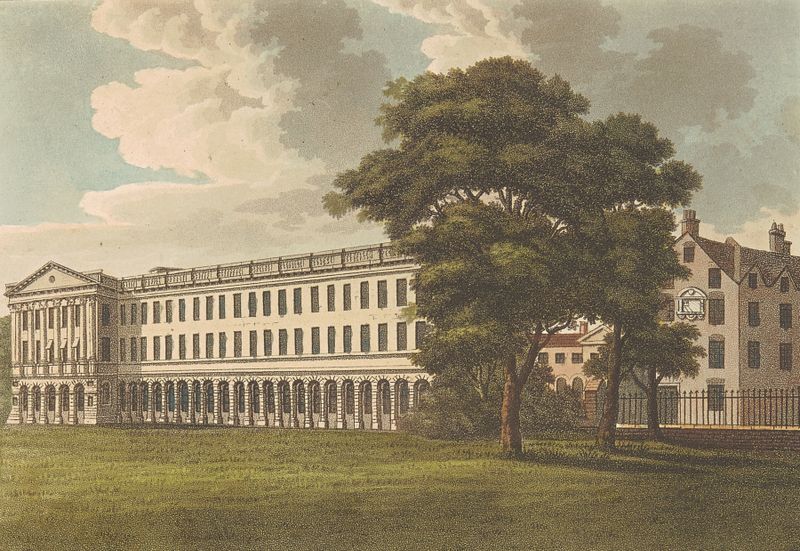
Stone Buildings, Lincoln’s Inn
Samuel Ireland
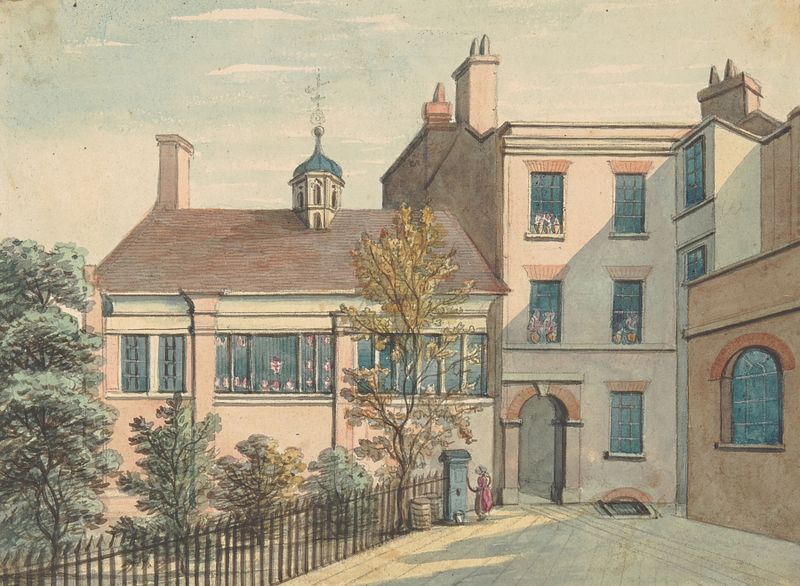
Barnard’s Inn
Samuel Ireland

Lincoln’s Inn Hall and Chapel
Samuel Ireland

Lion’s Inn
Samuel Ireland
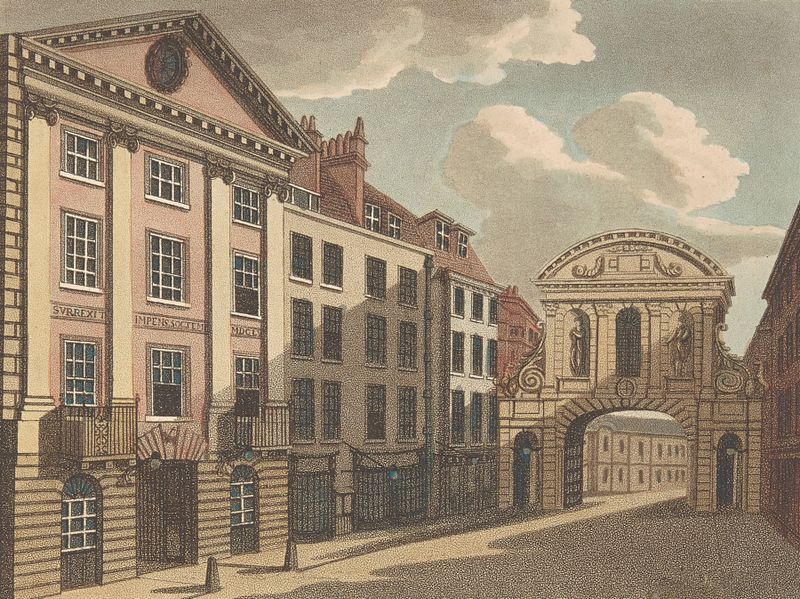
Middle Temple Gate
Samuel Ireland

Westminster Hall
Samuel Ireland
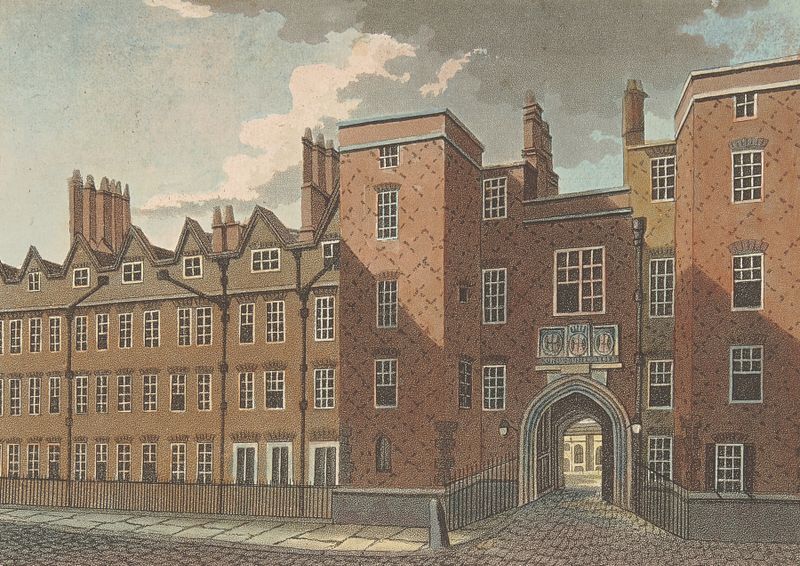
Lincoln’s Inn Gate
Samuel Ireland
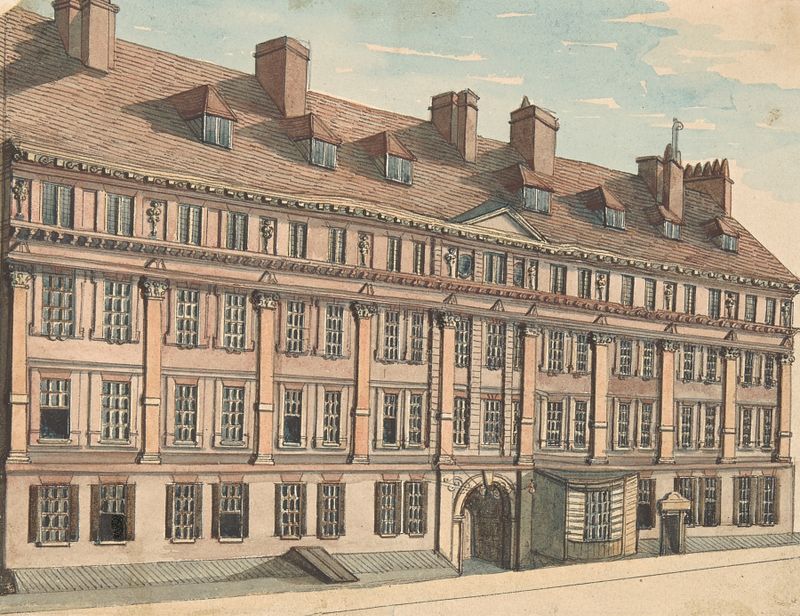
Furnival’s Inn
Samuel Ireland
More Architecture Art
Browse all →
The statue of Liberty
Frédéric Auguste Bartholdi

View of Houses in Delft, Known as ‘The Little Street’
Johannes Vermeer

View of Houses in Delft, Known as ‘The Little Street’
Johannes Vermeer

The Cathedral in Rouen. The portal, Grey Weather
Claude Monet

The yellow house
Vincent van Gogh

The Church in Auvers-sur-Oise, View from the Chevet
Vincent van Gogh