
Furnival’s Inn — History & Facts
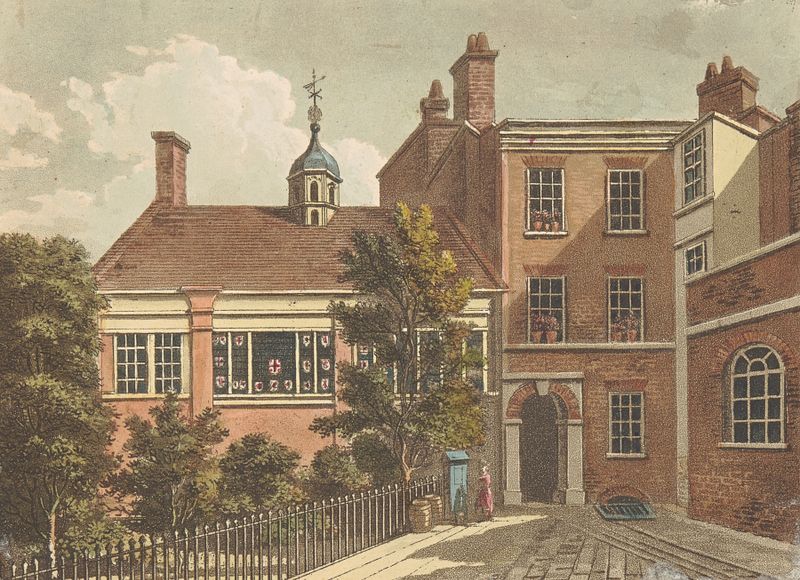
In the twilight of an era, how do we capture the echoes of what once was? Look to the left at the quiet facade of Furnival’s Inn, where shadows gather beneath a fading sun. The building stands stoic, yet its worn stones seem to whisper tales of lives intertwined within its walls. Notice how the delicate brushwork creates a soft texture, evoking an intimate sense of melancholy that unfolds in the twilight hues of muted blues and grays.
The contrasting light plays against the structure, illuminating its faded glory and inviting the viewer to ponder the stories that linger in each corner. Delve deeper into the canvas, where the juxtaposition of light and shadow hints at loss and nostalgia. The open windows, though inviting, leave the viewer with an unsettling emptiness, suggesting the absence of those who once filled the space with laughter and life. The faded colors resonate with the passage of time, while the clouds in the background loom heavily, reinforcing the weight of memories that haunt the inn.
Each brushstroke feels deliberate, as if revealing the fragile beauty that exists even amid decay. Samuel Ireland painted this work between 1794 and 1800, during a time of personal and societal upheaval. Living in England, he was part of a burgeoning art scene that embraced Romanticism, yet he found himself grappling with personal loss and the shifting tides of a world moving towards modernity. As he immortalized this once-vibrant inn, the artist captured more than a mere building; he encapsulated the essence of nostalgia and the inevitability of change in a rapidly evolving society.
More Artworks by Samuel Ireland
Browse all →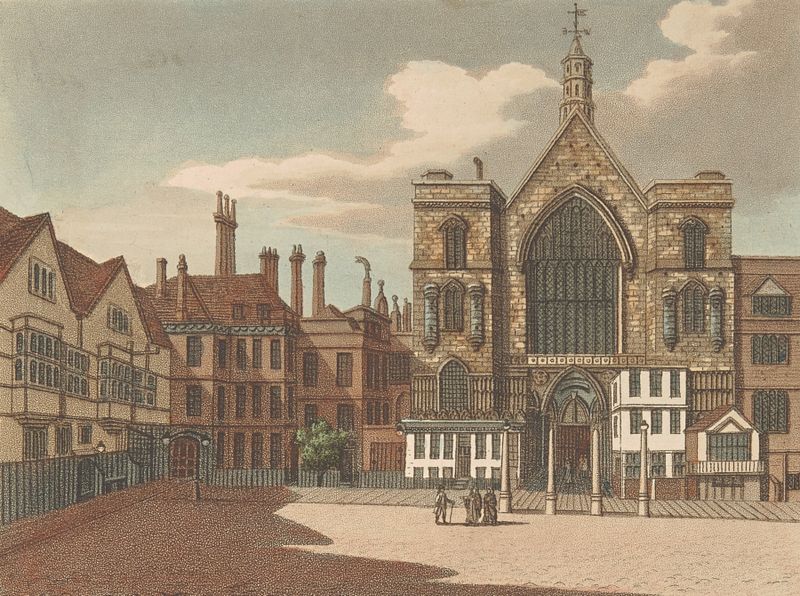
Westminster Hall
Samuel Ireland

Southwest View of Middle Temple
Samuel Ireland
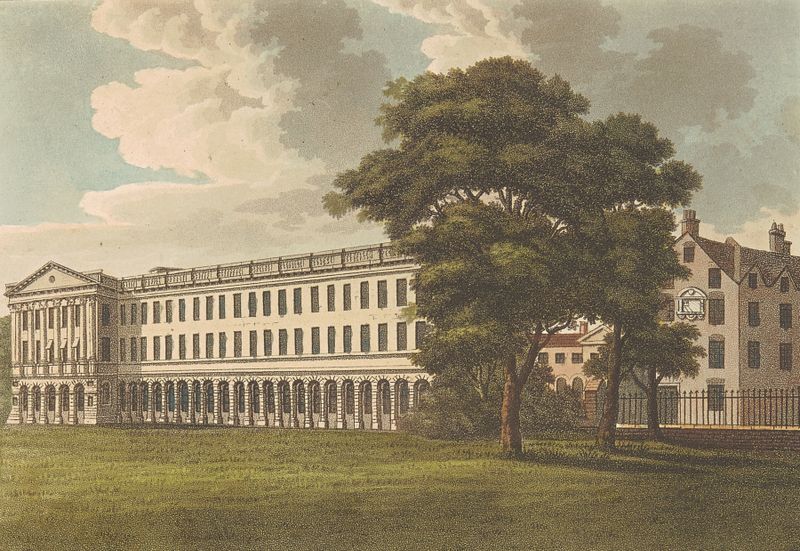
Stone Buildings, Lincoln’s Inn
Samuel Ireland
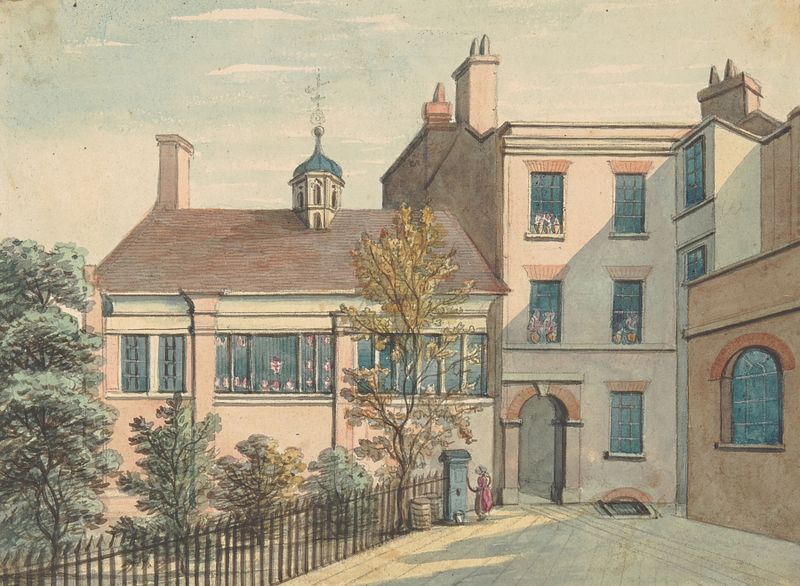
Barnard’s Inn
Samuel Ireland

Lincoln’s Inn Hall and Chapel
Samuel Ireland

Lion’s Inn
Samuel Ireland
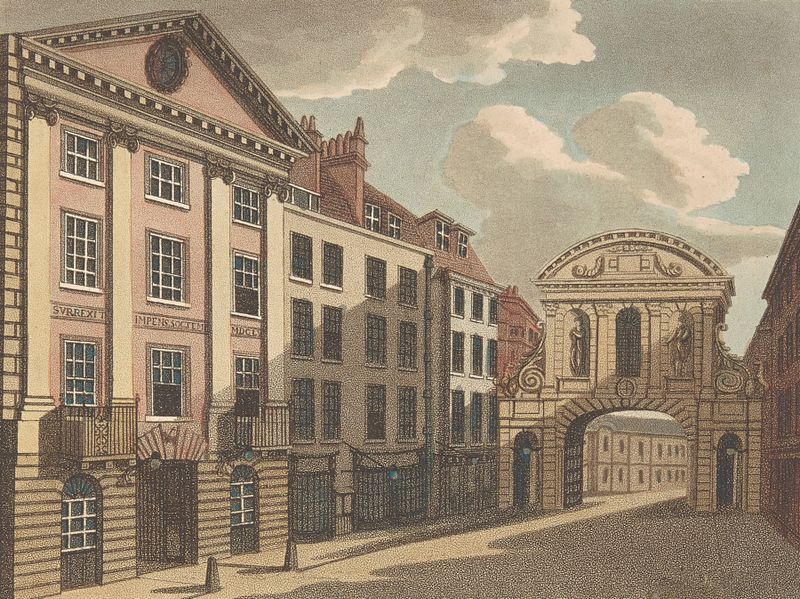
Middle Temple Gate
Samuel Ireland
Barnard’s Inn
Samuel Ireland

Westminster Hall
Samuel Ireland
Lincoln’s Inn Gate
Samuel Ireland
More Architecture Art
Browse all →
The statue of Liberty
Frédéric Auguste Bartholdi

View of Houses in Delft, Known as ‘The Little Street’
Johannes Vermeer

View of Houses in Delft, Known as ‘The Little Street’
Johannes Vermeer

The Cathedral in Rouen. The portal, Grey Weather
Claude Monet

The yellow house
Vincent van Gogh

The Church in Auvers-sur-Oise, View from the Chevet
Vincent van Gogh