
Stone Buildings, Lincoln’s Inn — History & Facts
Can paint confess what words never could? Within the textured strokes of this piece, a yearning emerges, inviting viewers to explore the depths of the human experience. Look to the left at the imposing stone façade, its weathered surface telling stories of time and resilience. This architectural marvel, framed against a soft, muted sky, draws the eye toward its intricate details—each window and archway carefully crafted, revealing a sense of quiet dignity. The palette is earthy, filled with grays and browns that evoke both stability and a somber nostalgia, while the gentle light casts shadows that dance across the buildings, emphasizing their grandeur and scale. Yet, beyond mere representation, the work captures a profound contrast between the permanence of stone and the transience of human emotion.
The stillness of the buildings stands in stark relief against the fleeting nature of the lives that pass through them, creating a tension that resonates deeply. One can almost sense the whispers of history echoing within those walls, hinting at the countless stories of aspiration and despair that have unfolded in their shadow. Completed in 1800, this piece emerged during a period of significant change in England, as the country grappled with the implications of the Industrial Revolution. Samuel Ireland painted it at a time when classical architecture was being celebrated, reflecting a desire for stability amid societal upheaval.
It stands as a testament not only to the artistry of its creator but also to the rich tapestry of history that informs our understanding of place and memory.
More Artworks by Samuel Ireland
Browse all →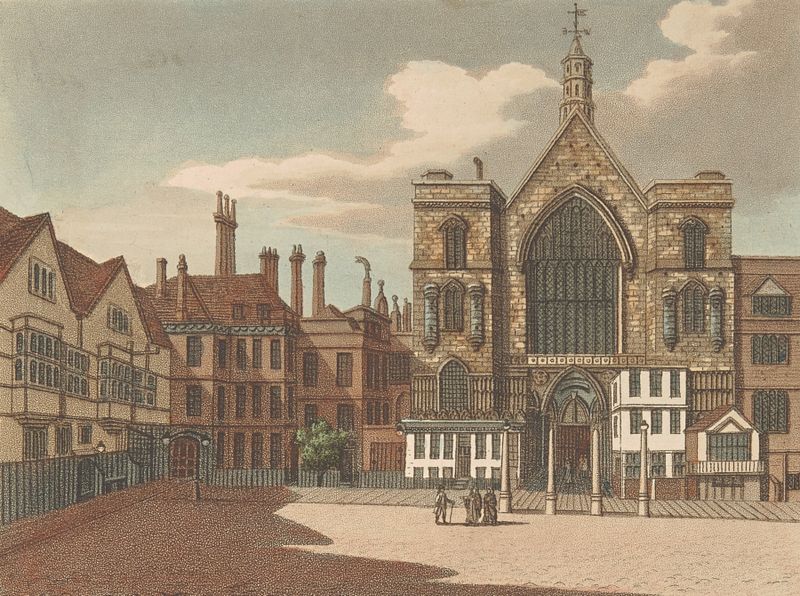
Westminster Hall
Samuel Ireland

Southwest View of Middle Temple
Samuel Ireland
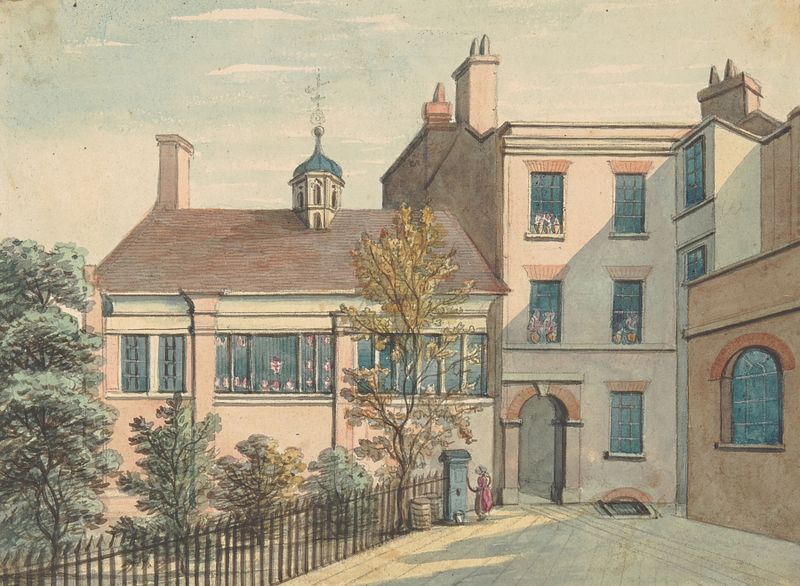
Barnard’s Inn
Samuel Ireland

Lincoln’s Inn Hall and Chapel
Samuel Ireland

Lion’s Inn
Samuel Ireland
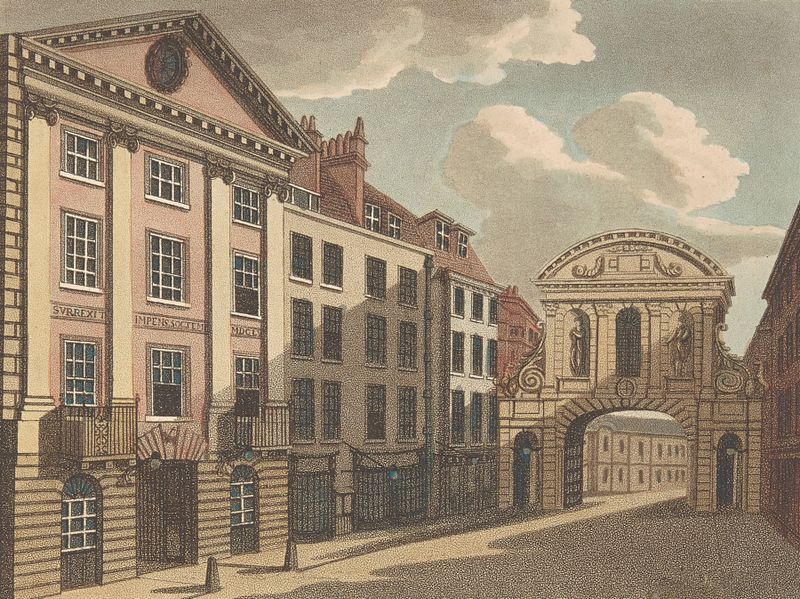
Middle Temple Gate
Samuel Ireland
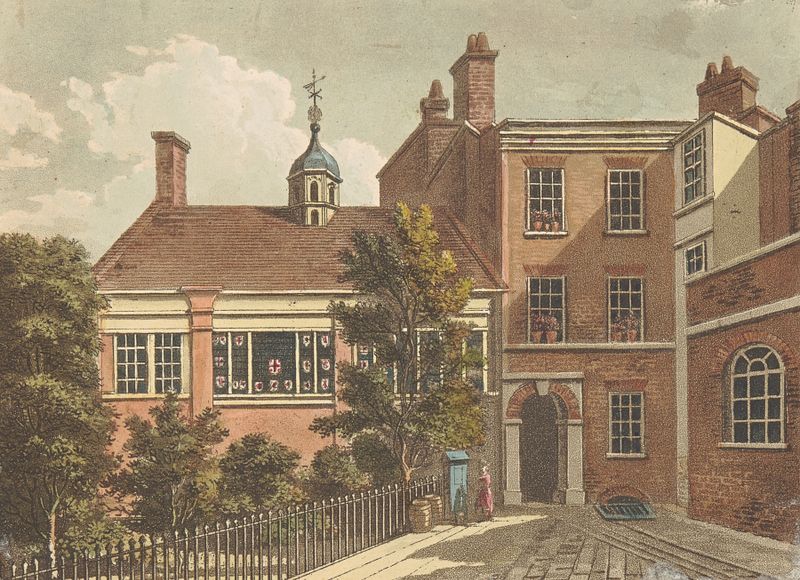
Barnard’s Inn
Samuel Ireland

Westminster Hall
Samuel Ireland
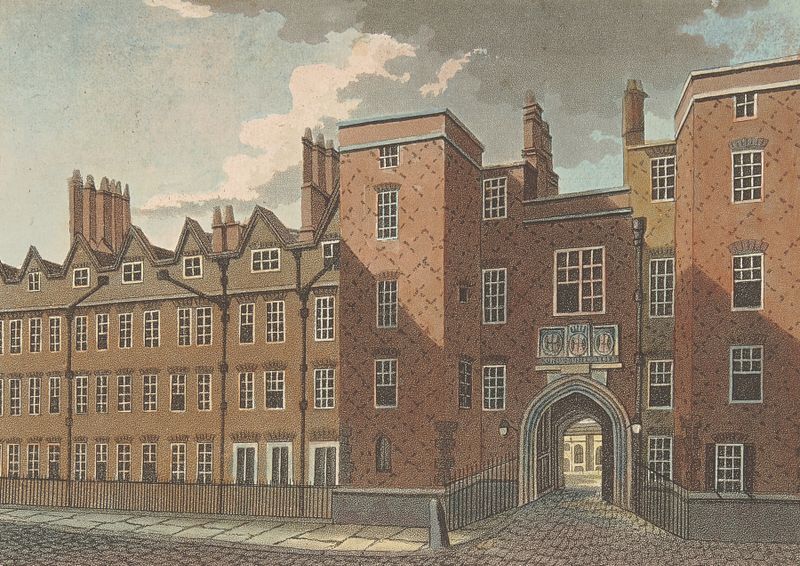
Lincoln’s Inn Gate
Samuel Ireland
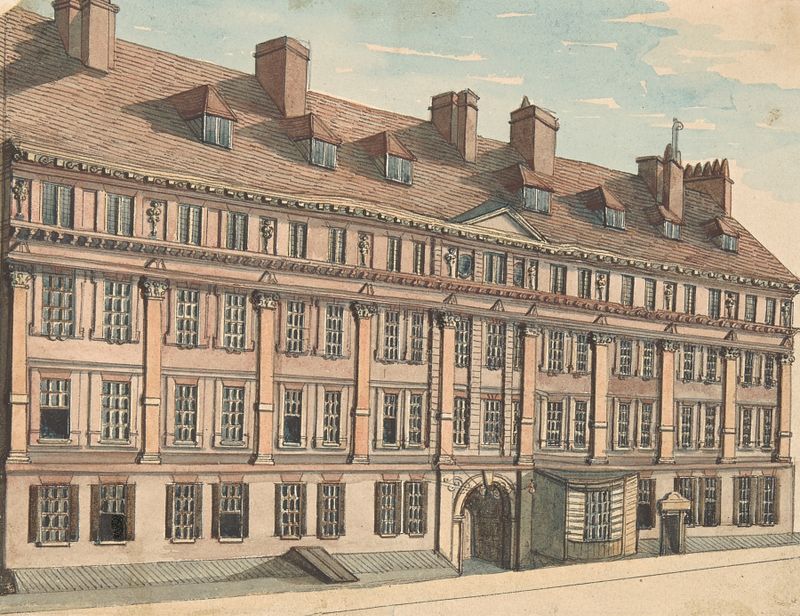
Furnival’s Inn
Samuel Ireland
More Architecture Art
Browse all →
The statue of Liberty
Frédéric Auguste Bartholdi

View of Houses in Delft, Known as ‘The Little Street’
Johannes Vermeer

View of Houses in Delft, Known as ‘The Little Street’
Johannes Vermeer

The Cathedral in Rouen. The portal, Grey Weather
Claude Monet

The yellow house
Vincent van Gogh

The Church in Auvers-sur-Oise, View from the Chevet
Vincent van Gogh